
 한국어
 English
 日本語
 中文(简体)
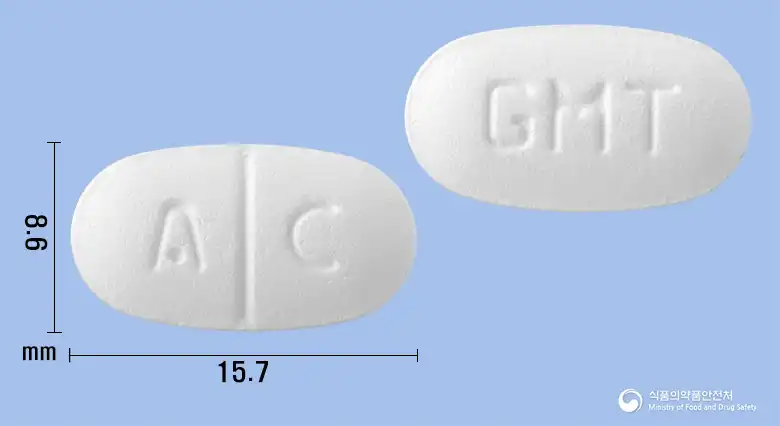 Viewing nowCombination
Glimerilm M Tablet
Metformin Hydrochloride 500mg · Glimepiride 2mg
Tablet · Prescription medication · Combination
Aliko Pharmaceutical Co., Ltd.
MFDS item code 201107173 · Approved 2011.09.26 · Insurance code 656003140
Improves glycemic control in type 2 diabetes mellitus
This medication is used to improve blood sugar control in patients with type 2 diabetes by complementing dietary and exercise therapy. The combination of glibenclamide and metformin effectively lowers blood sugar levels. This helps manage blood sugar more smoothly and aids in the treatment of diabetes.
Administer this medicine 1 to 2 times daily immediately before or with meals. The dose may be adjusted based on each patient's current treatment regimen, efficacy, and tolerability; appropriate blood glucose monitoring should be performed for this purpose. Treatment is generally initiated at a low dose, and the dose may be adjusted considering the patient's current medications and blood glucose levels. In clinical trials, the initial daily dose of this medicine was glimepiride/metformin hydrochloride 2mg/500mg, and there was experience with gradually increasing the dose according to blood glucose monitoring results, up to glimepiride/metformin hydrochloride 8mg/2000mg. As a single agent, glimepiride generally provides little additional benefit at doses above 4mg per day, although some patients showed better metabolic control when the dose was increased to 6mg (or 8mg). When used as a substitute for combination therapy, administer based on the dosage and administration of the glimepiride and metformin hydrochloride currently being taken in combination. Even if a previous dose was missed, do not take more than one dose at the next scheduled administration.
This medication can cause severe lactic acidosis or hypoglycemia, so caution is required. Particularly, when kidney function declines rapidly, metformin may accumulate in the body, increasing the risk of lactic acidosis. If dehydration symptoms, severe diarrhea, vomiting, fever, etc. occur, this medication should be temporarily discontinued, and a doctor should be consulted. Also, caution should be exercised when taking this medication with other drugs that may affect kidney function. Excessive alcohol consumption, liver dysfunction, uncontrolled diabetes, ketoacidosis, prolonged fasting, and hypoxia also require attention in the use of this drug. This drug should not be used in patients with insulin-dependent diabetes or acute metabolic acidosis, severe liver dysfunction, women who are pregnant or breastfeeding, and patients with moderate to severe renal impairment. Patients undergoing radiological iodinated contrast examinations should also discontinue the use of this drug for a certain period before and after the examination. Careful administration is necessary for patients with severe infections, before and after surgery, nutritional deficiency, and serious circulatory and respiratory diseases. In the initial stages of treatment, the risk of hypoglycemia is high, so patients with irregular meal intake, frequent alcohol consumption, impaired kidney function, or severely reduced liver function should be carefully monitored. If gastrointestinal disturbances, skin rashes, symptoms of hypoglycemia, or symptoms of lactic acidosis occur while taking this medication, immediate consultation with a doctor is necessary, and emergency treatment may be required in case of severe hypoglycemia or serious allergic reactions. It is important to routinely monitor blood sugar control status and periodically perform kidney function and hematological tests to detect any abnormal signs early. In cases of overdose, hypoglycemia or lactic acidosis may occur, so the dosage should not be arbitrarily increased or decreased without a doctor's instruction, and in case of overdose, immediate medical attention should be sought. During pregnancy or breastfeeding, this medication should not be used, and insulin therapy is recommended if necessary. This drug may interact with other medications, so inform healthcare professionals of all medications being taken and manage them carefully. Finally, keep this medication out of the reach of children and do not transfer it to other containers.
Lactic acidosis, hypoglycemia, diarrhea, nausea, vomiting, abdominal distension, loss of appetite, indigestion, constipation, abdominal pain, metallic taste, visual impairment, taste disorder, erythema, pruritus, urticaria, thrombocytopenia, leukopenia, hemolytic anemia, anemia, agranulocytosis, pancytopenia, peripheral neuropathy, vitamin B12 deficiency, increased liver enzymes, liver dysfunction, bile secretion disorder, jaundice, hepatitis, allergic vasculitis, photosensitivity, decreased serum sodium concentration, decreased thyroid-stimulating hormone levels, magnesium deficiency during diarrhea, encephalopathy, hair loss, weight gain, hypoglycemia, abdominal pain, abdominal distension, vomiting, indigestion, palpitations, dizziness, diarrhea, nausea, leg edema, cardiac arrest, rectal carcinoma, vertigo, liver dysfunction, arthralgia, facial swelling, erectile dysfunction, flushing, gastritis, headache, severe hunger, fatigue, sleepiness, lethargy, drowsiness, sleep disorders, instability, aggression, attention deficit, inability to concentrate, abnormal responses, depression, confusion, language disorder, aphasia, tremors, paralysis, sensory disturbance, inability to self-regulate, delirium, cerebral convulsions, loss of consciousness, coma, weak breathing, slow pulse, sweating, clammy skin, anxiety, rapid pulse, hypertension, palpitations, angina, deep vein thrombosis
Not everyone experiences these, and they can vary from person to person.
Store this medication in a tightly closed container to prevent air or moisture from entering, and it is recommended to keep it at room temperature between 1 to 30 degrees Celsius. Storing it this way can maintain the medication's efficacy and prevent degradation.
White, oblong, film-coated tablets
30 tablets/bottle, 100 tablets/bottle
Even with the same ingredient, strength, dosage form and how it is taken can differ.
Viewing nowCombinationMetformin Hydrochloride 500mg · Glimepiride 2mg
Tablet · Prescription medication · Combination
Aliko Pharmaceutical Co., Ltd.
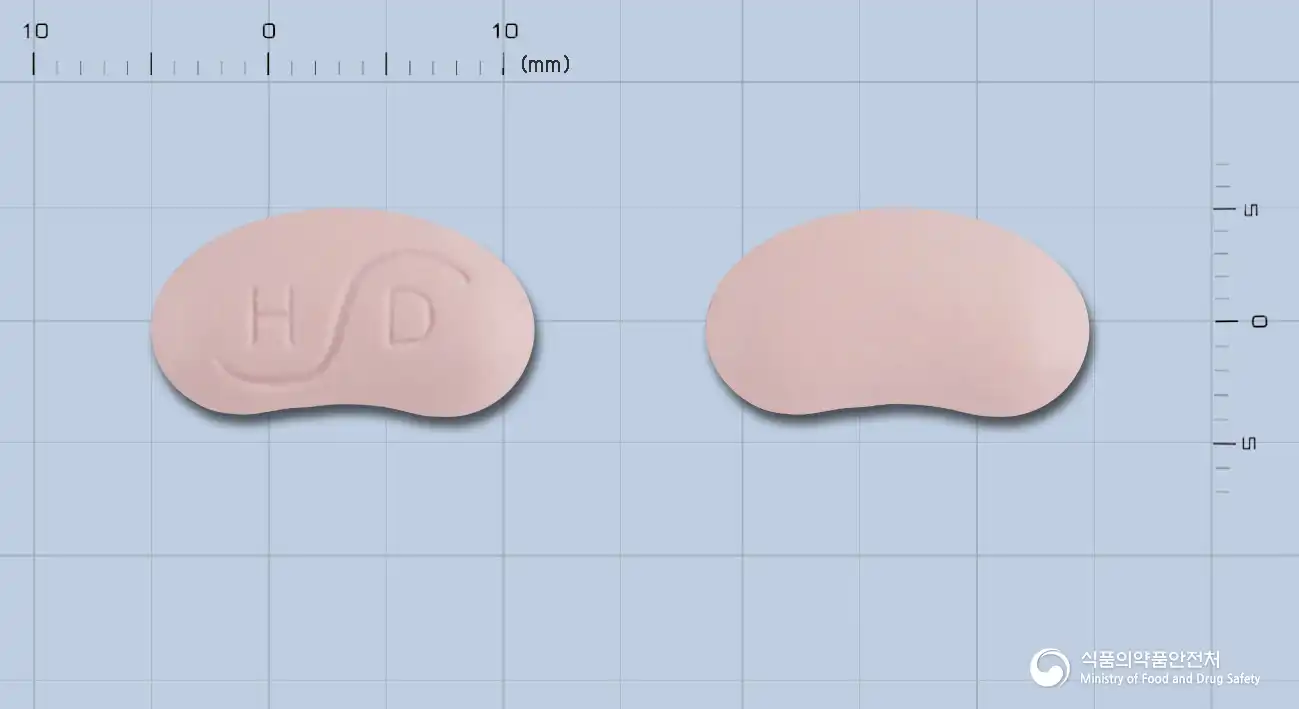 Combination
Metformin Hydrochloride 500mg · Glimepiride 1mg
Tablet · Prescription medication · Combination
Hanmi Pharmaceutical Co., Ltd.
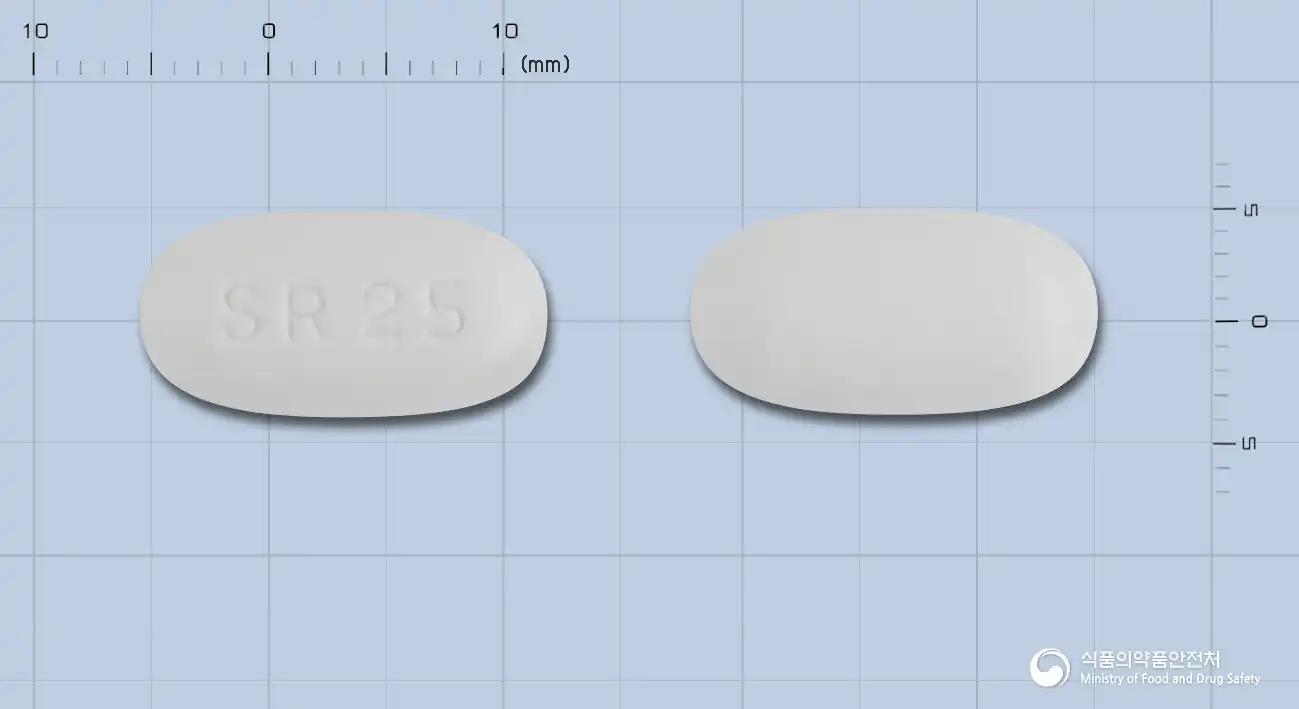 Combination
Metformin Hydrochloride 500mg · Glimepiride 2mg
Tablet · Prescription medication · Combination
Handok Co., Ltd.
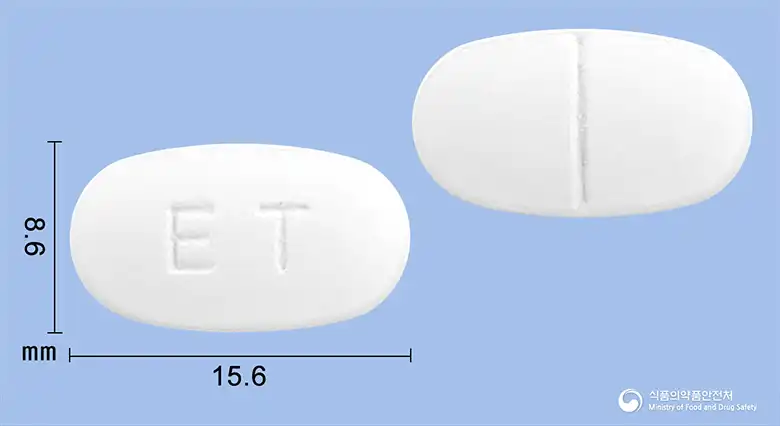 Combination
Metformin Hydrochloride 500mg · Glimepiride 2mg
Tablet · Prescription medication · Combination
Teragen Etex Co., Ltd.
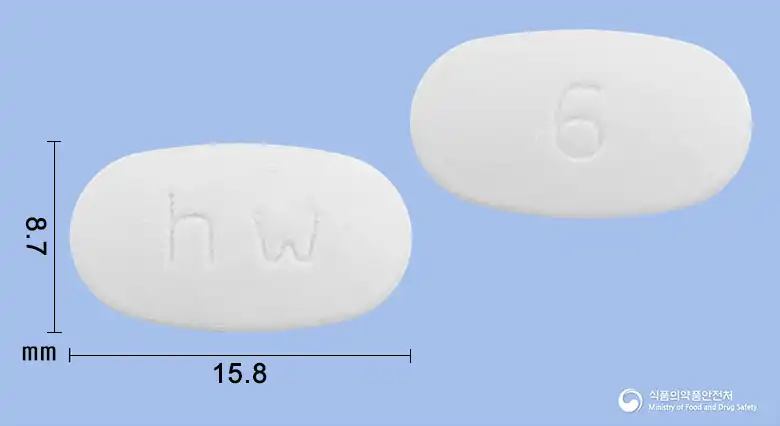 Combination
Glimepiride 2mg · Metformin Hydrochloride 500mg
Tablet · Prescription medication · Combination
Hawon Pharmaceutical Co., Ltd.
Metformin Hydrochloride 500mg · Glimepiride 2mg
Tablet · Prescription medication · Combination
TDS Pharm Co., Ltd.
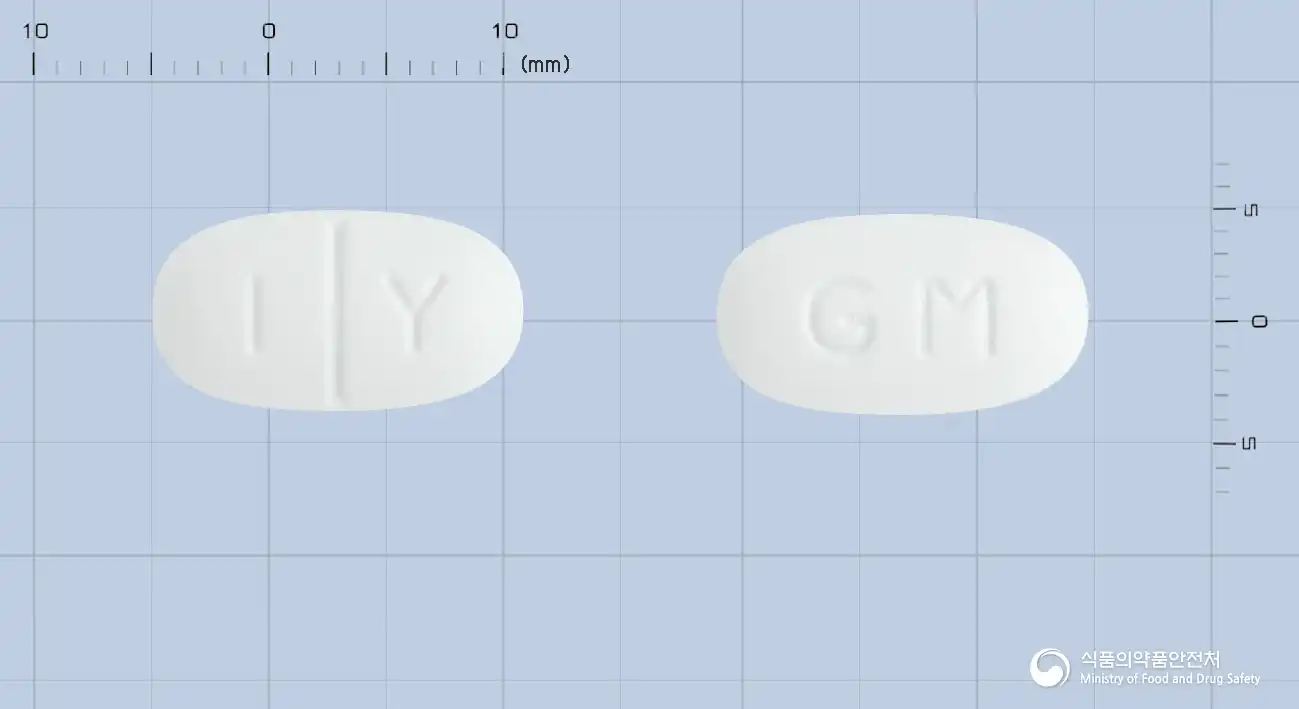 Combination
Glimepiride 2mg · Metformin Hydrochloride 500mg
Tablet · Prescription medication · Combination
Il Yang Pharmaceutical Co., Ltd.
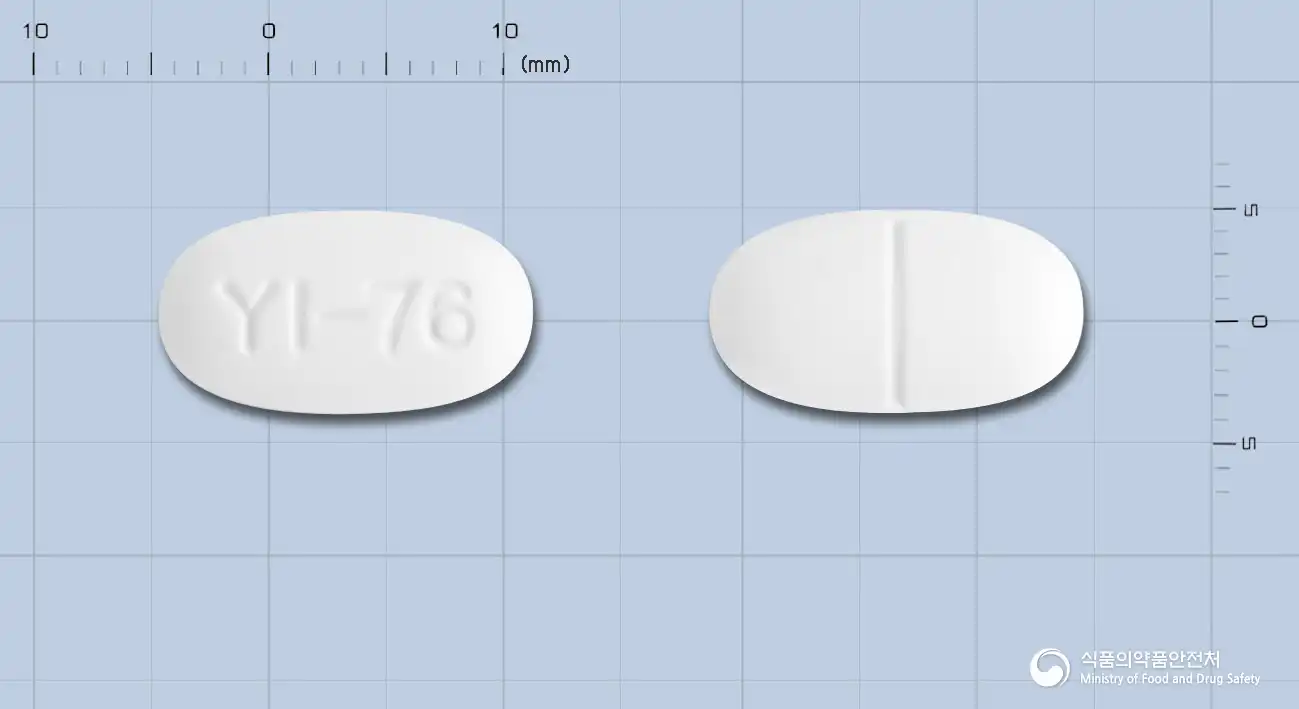 Combination
Glimepiride 2mg · Metformin Hydrochloride 500mg
Tablet · Prescription medication · Combination
Youngil Pharmaceutical Co., Ltd.
Even with the same ingredient, the dose and directions can differ by strength and dosage form. Talk to a doctor or pharmacist before switching from a medication you are already taking.
No questions yet.
For anything that needs medical judgment, consult a doctor or pharmacist.
This drug information is based on data provided by the Korea Ministry of Food and Drug Safety.
Consult a doctor or pharmacist for accurate dosage, administration, and usage instructions.