
 한국어
 English
 日本語
 中文(简体)
 Viewing now
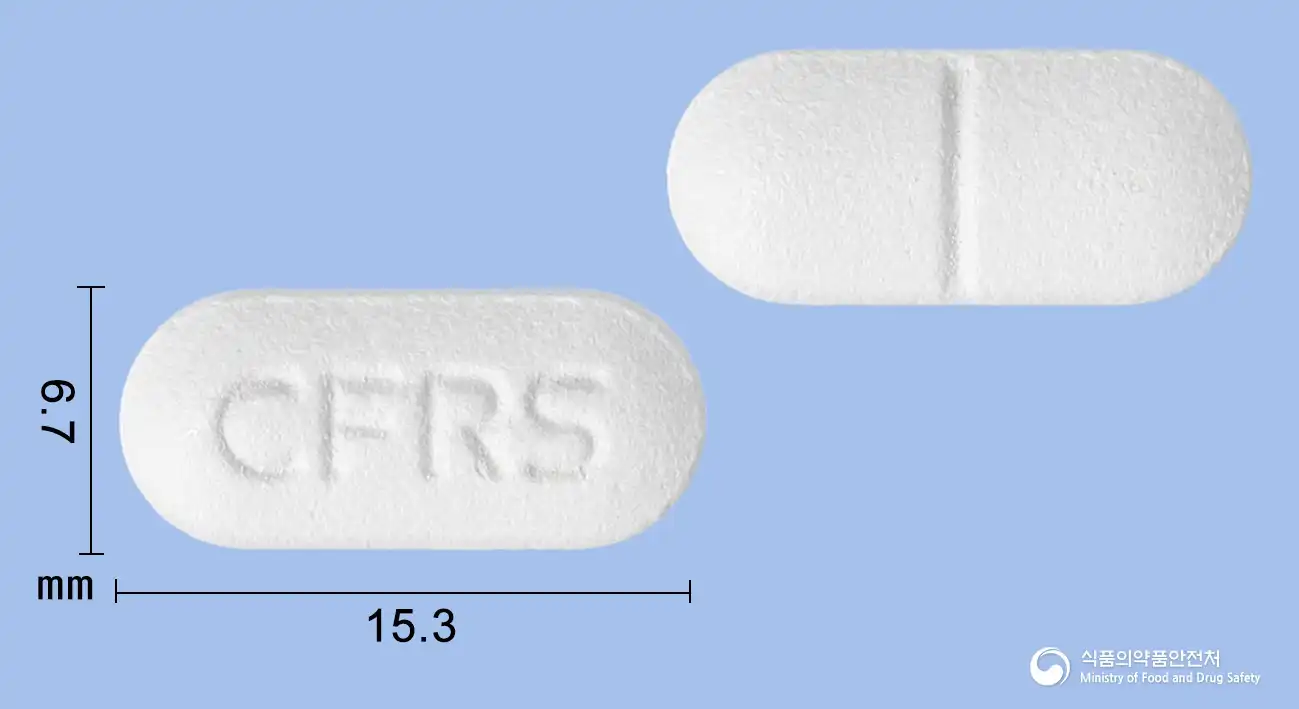
Seprosim Tablet (Cefuroxime Axetil)
Cefuroxime Axetil 300.72mg
Tablet · Prescription medication
Korea Prime Pharmaceutical Co., Ltd.
MFDS item code 200404042 · Notified 2004.10.07 · Insurance code 663600920
Treatment of respiratory and genitourinary infections, skin and soft tissue infections, and early Lyme disease
Cefuroxime is a broad-spectrum antibiotic effective against a variety of strains, particularly stable against beta-lactamase resistant bacteria. It is used to treat upper respiratory infections such as otitis media, sinusitis, tonsillitis, and pharyngitis, and is also effective against lower respiratory infections, including acute and chronic bronchitis and pneumonia. It is also used for treating urinary and reproductive tract infections such as pyelonephritis, cystitis, and urethritis, as well as skin and soft tissue infections including carbuncles, pyoderma, and impetigo. It is used in the treatment of gonorrhea and early Lyme disease and shows bactericidal activity against various gram-positive and gram-negative bacteria. This drug is generally safe and effective even against resistant strains, helping in the treatment of infections. Cefuroxime is used for treating upper and lower respiratory tract infections, urinary and reproductive tract infections, skin and soft tissue infections, gonorrhea, and early Lyme disease.
For optimal absorption, take after a meal. Adults and children 12 years and older Most infections: Administer 250mg per dose, twice daily. Severe lower respiratory tract infections, pneumonia, severe infections, or suspected infections caused by less susceptible organisms: Administer 500mg per dose, twice daily. Urinary tract infections: Administer 250mg per dose, twice daily. Uncomplicated gonorrhea: Administer a single dose of 1g. Lyme disease: Administer 500mg per dose, twice daily, for 14 days (10~21 days). For treatment of infections caused by Streptococcus pyogenes (Group A beta-hemolytic), this drug should be administered for 7~10 days. Patients with renal impairment Creatinine clearance ≥ 30 mL/min/1.73m2 (T1/2 1.4 - 2.4 hours): No dose adjustment required (standard dose: 125mg-500mg per dose, twice daily) Creatinine clearance 10 - 29 mL/min/1.73m2 (T1/2 4.6 hours): Administer a standard single dose every 24 hours Creatinine clearance < 10 mL/min/1.73m2 (T1/2 16.8 hours): Administer a standard single dose every 48 hours Patients on hemodialysis (T1/2 2 - 4 hours): Administer an additional standard single dose at the end of each dialysis session
Infants and children under 12 years, most infections: Administer 125mg per dose, twice daily. Children 2 years and older, otitis media, severe infections: Administer 250mg per dose, twice daily. Children under 12 years, Lyme disease: Administer 250mg per dose, twice daily, for 14 days (10~21 days). There is insufficient experience with use in infants under 3 months of age.
This drug should not be administered to patients with hypersensitivity to cephalosporin antibiotics. Patients with a history of hypersensitivity to penicillin or other beta-lactam antibiotics, patients with allergic dispositions, patients with severe renal impairment, patients who cannot take orally, elderly patients, and patients with poor general health should be given this drug with caution. This drug may generally cause mild and transient adverse reactions, with reports of skin rashes, urticaria, itching, headaches, dizziness, gastrointestinal disturbances, and elevated liver enzymes, among others. Severe skin reactions, blood abnormalities, hepatitis, or renal dysfunction may occur infrequently, and immediate consultation with medical personnel is necessary upon symptom onset. When administering this drug, susceptibility testing should be performed to prevent the development of resistant bacteria, using it only for the necessary minimum duration. Allergic reactions or shock symptoms may occur, so the patient's condition should be observed closely, and the administration should be stopped if adverse symptoms appear. Long-term use may lead to Candida overgrowth or pseudomembranous colitis, requiring careful monitoring. This drug may cause dizziness, so caution is necessary when driving or operating machinery. Caution should be exercised when using in conjunction with other drugs that may affect renal function, as this may increase the risk of renal impairment. Women who are pregnant or breastfeeding should consult their physician carefully before using this drug. Safety in infants under 3 months has not been established, so appropriate formulations should be selected for pediatric administration. Elderly patients may experience more adverse reactions due to decreased physiological function, so dosage and intervals should be adjusted, and they should be monitored closely. This drug may affect some clinical test results, so patients should inform medical personnel of its use when undergoing tests. In cases of overdose, severe central nervous system stimulation symptoms such as seizures may occur, requiring caution; blood dialysis or peritoneal dialysis can be used to reduce drug levels if necessary. Keep this drug out of the reach of children and store medications in their original containers to prevent degradation of quality or misuse.
Not everyone experiences these, and they can vary from person to person.
This drug should be stored in a tightly sealed container to prevent exposure to air or moisture. It is best to keep the storage temperature between 1 degree and 30 degrees Celsius (room temperature).
White rectangular film-coated tablets
50 tablets (10 tablets/PTPX5)
Even with the same ingredient, strength, dosage form and how it is taken can differ.
Viewing nowCefuroxime Axetil 300.72mg
Tablet · Prescription medication
Korea Prime Pharmaceutical Co., Ltd.
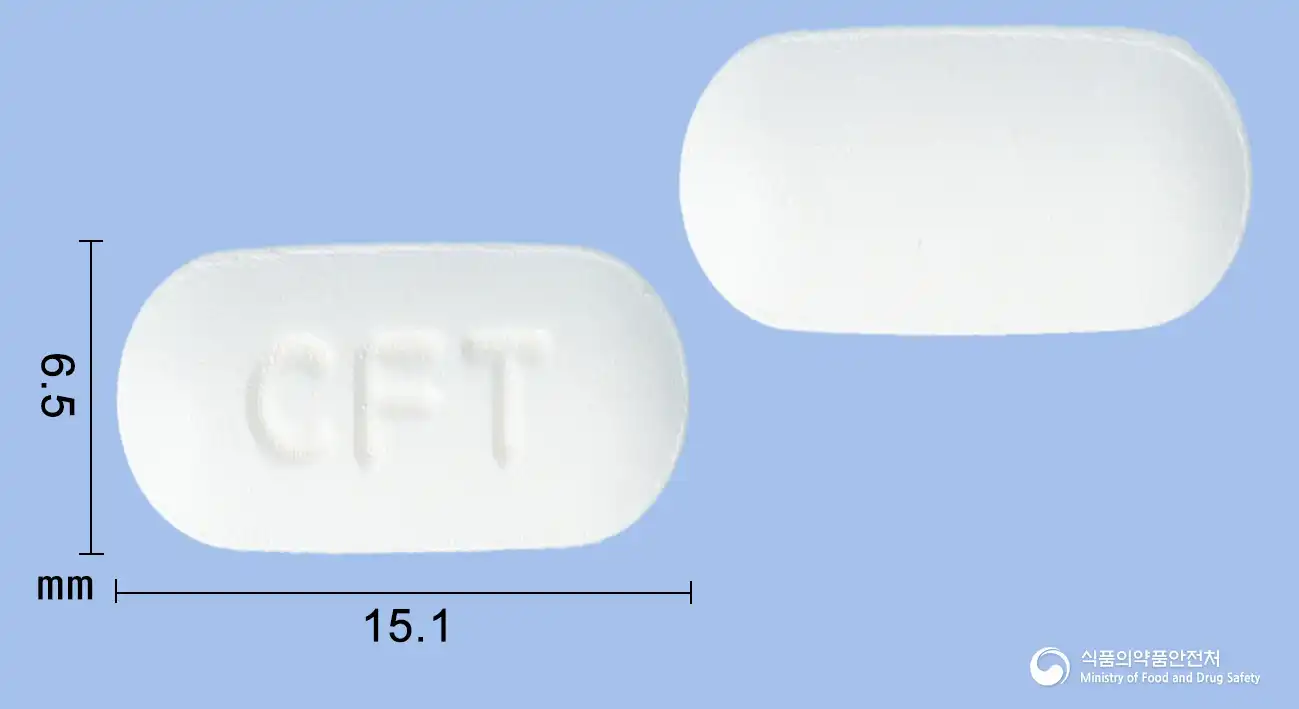
Cefuroxime Axetil 300.72mg
Tablet · Prescription medication
Hanmi Pharmaceutical Co., Ltd.
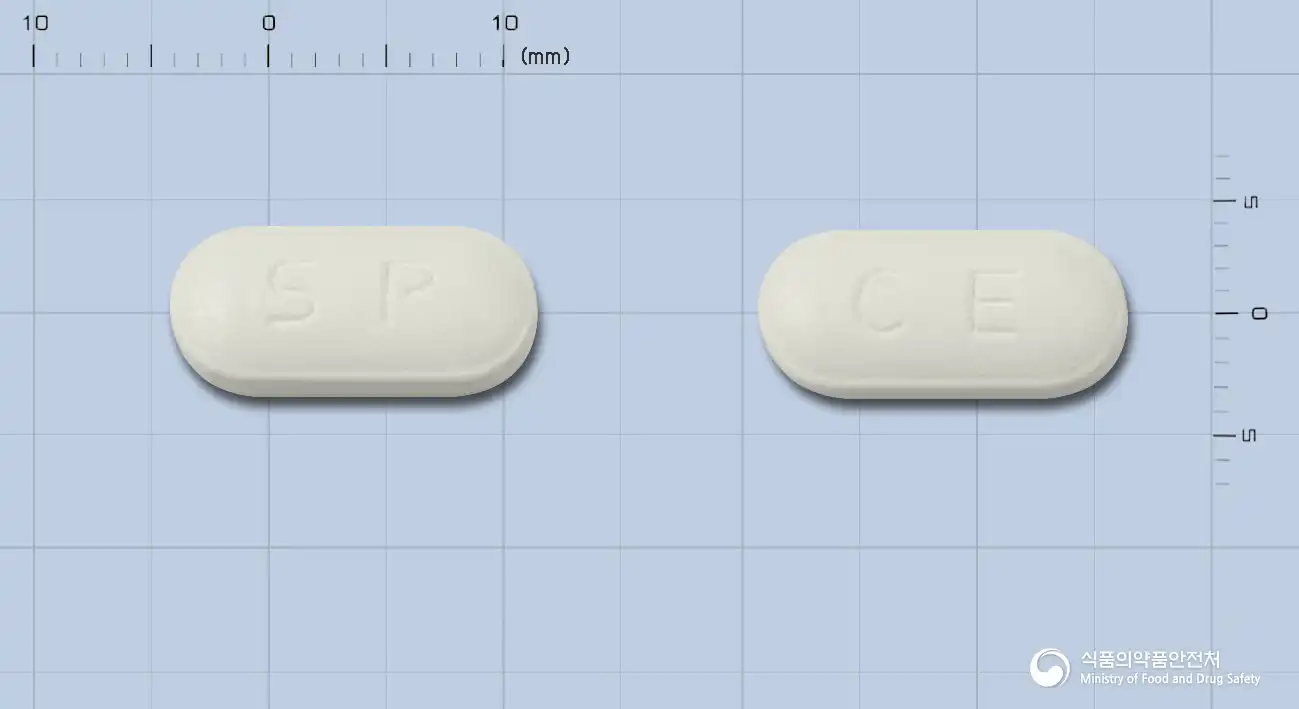
Cefuroxime Axetil 300.72mg
Tablet · Prescription medication
Shinpoong Pharmaceutical Co., Ltd.
Cefuroxime Axetil 300.72mg
Tablet · Prescription medication
Celix Co., Ltd.
Cefuroxime Axetil
Prescription medication
Austin Pharmaceutical Co., Ltd.
Cefuroxime Axetil
Prescription medication
Mirae Biopharmaceutical Co., Ltd.
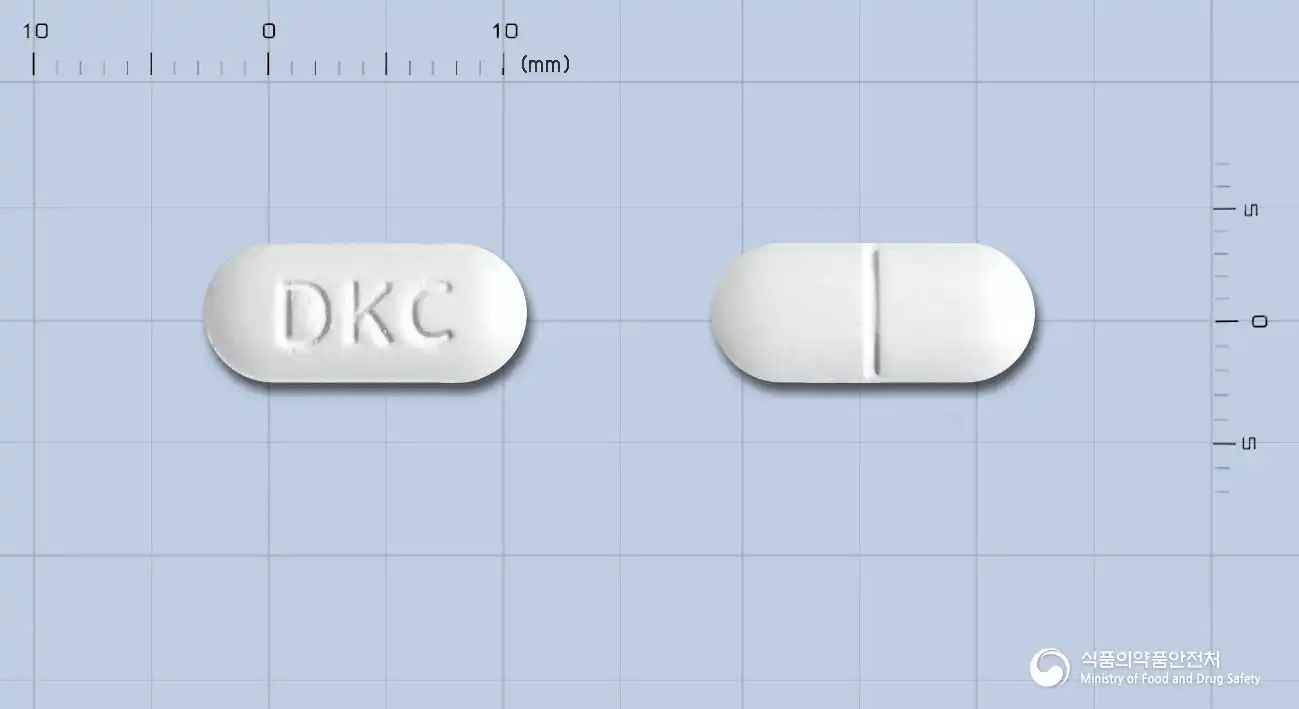
Cefuroxime Axetil 300.72mg
Tablet · Prescription medication
Dong Gu Bio Pharmaceutical Co., Ltd.
Cefuroxime Axetil
Prescription medication
Daehan Pharmaceutical Co., Ltd.
Even with the same ingredient, the dose and directions can differ by strength and dosage form. Talk to a doctor or pharmacist before switching from a medication you are already taking.
No questions yet.
For anything that needs medical judgment, consult a doctor or pharmacist.
This drug information is based on data provided by the Korea Ministry of Food and Drug Safety.
Consult a doctor or pharmacist for accurate dosage, administration, and usage instructions.