
 한국어
 English
 日本語
 中文(简体)
Summary
- Main use
- Treatment of HIV infection
- Who takes it
- Adults · Children
- Adult dose
- This medicine may be taken with or without food. Food decreases the peak plasma concentration (Cmax) of lamivudine and delays the time to reach peak plasma concentration (Tmax), but does not decrease the amount of drug absorbed. The clinical significance of this is unknown. If a dose reduction of this medicine is clinically necessary, or if the dose of either component (lamivudine or zidovudine) needs to be reduced or discontinued, separate lamivudine or zidovudine preparations should be used. 1. Adults and adolescents aged 12 years and older Administer 1 tablet twice daily. (Total daily dose: lamivudine 300 mg and zidovudine 600 mg) 3. Patients with renal impairment In patients with renal impairment and reduced clearance (creatinine clearance <30mL/min), dose adjustment is necessary because blood concentrations of lamivudine and zidovudine increase. Therefore, administration of separate lamivudine and zidovudine preparations is recommended. In patients with advanced renal impairment, the maximum plasma concentration of zidovudine is more than 50% higher than in healthy subjects. Systemic exposure (estimated by the area under the zidovudine concentration-time curve) increases by 100%, but the half-life does not change significantly. Although the major glucuronide metabolite accumulates substantially in patients with renal impairment compared with healthy subjects, this does not appear to cause toxicity. Hemodialysis and peritoneal dialysis do not significantly affect zidovudine elimination; however, in a small number of patients, hemodialysis eliminated the glucuronide metabolite more effectively than peritoneal dialysis. No further dose adjustment beyond that determined by creatinine clearance is required during intermittent dialysis. 4. Patients with hepatic impairment Limited data in patients with cirrhosis indicate that zidovudine may accumulate in patients with hepatic impairment because glucuronidation is reduced. Dose adjustment of zidovudine may be necessary, but precise recommendations have not been established. If plasma zidovudine concentrations cannot be monitored, particular attention should be paid to signs of intolerance, and the dosing interval should be extended appropriately. Use of separate lamivudine and zidovudine preparations is recommended in patients with severe hepatic impairment. 5. Patient monitoring and dose adjustment in patients with hematologic toxicity Hematologic toxicity appears to be related to pretreatment bone marrow reserve, treatment dose, and duration of treatment. Frequent monitoring of hematologic parameters is recommended to detect severe anemia or granulocytopenia in patients with poor pretreatment bone marrow reserve, particularly those with advanced symptomatic HIV disease. In patients who experience hematologic toxicity, a decrease in hemoglobin may occur early, over 2-4 weeks, and granulocytopenia usually develops after 6-8 weeks. Treatment should be discontinued until evidence of bone marrow recovery appears in patients with severe anemia (hemoglobin<7.5g/dL or a >25% decrease from baseline) or severe granulocytopenia (granulocyte count <750cells/mm3 or a >50% decrease from baseline). For mild anemia or granulocytopenia, reducing the total daily dose may be appropriate. In patients with severe anemia, dose adjustment does not necessarily reduce the need for transfusion. Once bone marrow recovery occurs after dose adjustment, the dose may be gradually increased according to hematologic parameters and patient tolerability. As the dose of this medicine cannot be adjusted, separate zidovudine and lamivudine preparations should be used; refer to the prescribing information for each.
- Child dose
- This medicine should not be used in children weighing less than 14kg because the dose cannot be appropriately adjusted for body weight. There are insufficient data to determine the recommended dose for children under 3 months of age. Children under 12 years weighing 21kg or more but less than 30kg: Administer 1/2 tablet in the morning and 1 tablet in the evening Children under 12 years weighing 14kg or more but less than 21kg: Administer 1/2 tablet twice daily
Ingredients
- Importer
- GSK Korea
Efficacy & effects
Treatment of HIV infection
- HIV infection
View approved original textHide original text
This medicine is used to treat HIV infection either alone or in combination with other antiretroviral drugs.
How to take
Adult dose
This medicine may be taken with or without food. Food decreases the peak plasma concentration (Cmax) of lamivudine and delays the time to reach peak plasma concentration (Tmax), but does not decrease the amount of drug absorbed. The clinical significance of this is unknown. If a dose reduction of this medicine is clinically necessary, or if the dose of either component (lamivudine or zidovudine) needs to be reduced or discontinued, separate lamivudine or zidovudine preparations should be used. 1. Adults and adolescents aged 12 years and older Administer 1 tablet twice daily. (Total daily dose: lamivudine 300 mg and zidovudine 600 mg) 3. Patients with renal impairment In patients with renal impairment and reduced clearance (creatinine clearance <30mL/min), dose adjustment is necessary because blood concentrations of lamivudine and zidovudine increase. Therefore, administration of separate lamivudine and zidovudine preparations is recommended. In patients with advanced renal impairment, the maximum plasma concentration of zidovudine is more than 50% higher than in healthy subjects. Systemic exposure (estimated by the area under the zidovudine concentration-time curve) increases by 100%, but the half-life does not change significantly. Although the major glucuronide metabolite accumulates substantially in patients with renal impairment compared with healthy subjects, this does not appear to cause toxicity. Hemodialysis and peritoneal dialysis do not significantly affect zidovudine elimination; however, in a small number of patients, hemodialysis eliminated the glucuronide metabolite more effectively than peritoneal dialysis. No further dose adjustment beyond that determined by creatinine clearance is required during intermittent dialysis. 4. Patients with hepatic impairment Limited data in patients with cirrhosis indicate that zidovudine may accumulate in patients with hepatic impairment because glucuronidation is reduced. Dose adjustment of zidovudine may be necessary, but precise recommendations have not been established. If plasma zidovudine concentrations cannot be monitored, particular attention should be paid to signs of intolerance, and the dosing interval should be extended appropriately. Use of separate lamivudine and zidovudine preparations is recommended in patients with severe hepatic impairment. 5. Patient monitoring and dose adjustment in patients with hematologic toxicity Hematologic toxicity appears to be related to pretreatment bone marrow reserve, treatment dose, and duration of treatment. Frequent monitoring of hematologic parameters is recommended to detect severe anemia or granulocytopenia in patients with poor pretreatment bone marrow reserve, particularly those with advanced symptomatic HIV disease. In patients who experience hematologic toxicity, a decrease in hemoglobin may occur early, over 2-4 weeks, and granulocytopenia usually develops after 6-8 weeks. Treatment should be discontinued until evidence of bone marrow recovery appears in patients with severe anemia (hemoglobin<7.5g/dL or a >25% decrease from baseline) or severe granulocytopenia (granulocyte count <750cells/mm3 or a >50% decrease from baseline). For mild anemia or granulocytopenia, reducing the total daily dose may be appropriate. In patients with severe anemia, dose adjustment does not necessarily reduce the need for transfusion. Once bone marrow recovery occurs after dose adjustment, the dose may be gradually increased according to hematologic parameters and patient tolerability. As the dose of this medicine cannot be adjusted, separate zidovudine and lamivudine preparations should be used; refer to the prescribing information for each.
Child dose
This medicine should not be used in children weighing less than 14kg because the dose cannot be appropriately adjusted for body weight. There are insufficient data to determine the recommended dose for children under 3 months of age. Children under 12 years weighing 21kg or more but less than 30kg: Administer 1/2 tablet in the morning and 1 tablet in the evening Children under 12 years weighing 14kg or more but less than 21kg: Administer 1/2 tablet twice daily
Precautions
This medication is a combination preparation containing two active ingredients, and it is important not to use it in combination with other drugs because the doses of each ingredient are fixed. Especially, one ingredient may decrease the blood cell count, so regular blood tests should be performed during treatment. If blood test results fall below certain criteria, the dosage may need to be adjusted or changed to another drug. Also, some patients receiving this medication may experience allergic reactions, so immediate medical attention is needed if symptoms like skin redness occur. If symptoms such as abdominal pain, nausea, or vomiting appear, medication should be stopped and medical advice sought considering the possibility of pancreatitis. Long-term use of this medication may cause changes in body fat distribution, so regular monitoring and management of body condition is necessary. Muscle disorders may occur, so if there are symptoms like muscle pain, consult a doctor. It is safest for patients with certain blood disorders or allergic histories, as well as those taking certain pain medications, not to use this medication. Patients with decreased kidney function will require dosage adjustments, so it is recommended to treat them with separate medications. Patients with liver disease require regular liver function tests as stopping the drug may cause hepatitis to recur. This medication may trigger inflammatory reactions in patients with weakened immune systems, so any unusual symptoms should be evaluated and treated immediately. Patients with vitamin B12 deficiency should be cautious as the risk of anemia is higher. During treatment, side effects such as headache, nausea, diarrhea, rash, and fatigue may occur; if any symptoms are severe or persistent, consult healthcare professionals. Extra care is needed for children and the elderly, and it should not be used in children under 12 years of age or weighing less than 14 kg. During pregnancy, administration should be considered carefully based on the risks to the fetus and the treatment effects, and breastfeeding women should avoid breastfeeding as the drug may pass into breast milk. This medication may interact with other drugs, so be sure to inform healthcare providers about any medications being taken. In case of overdose, seek medical care immediately for appropriate treatment, which may include blood dialysis if necessary. This medication should be kept out of the reach of children and stored in its original container to ensure safety and prevent degradation of quality.
Side effects
- Granulocytopenia
- severe anemia
- pancytopenia
- anemia
- neutropenia
- leukopenia
- sensitization reaction
- pancreatitis
- central obesity
- Buffalo hump
Show 141 moreCollapse
- peripheral wasting
- facial wasting
- breast enlargement
- increased serum lipids
- increased blood sugar
- myopathy
- myositis
- headache
- nausea
- visual impairment
- phlebitis
- discomfort in the throat and tonsils
- pain
- ear
- nose
- throat virus infection
- sinusitis
- upper respiratory tract inflammation
- abdominal discomfort
- pain
- gastrointestinal fungal infection
- gas symptoms
- bronchitis
- respiratory disturbance
- musculoskeletal pain
- myalgia
- neurological disorders
- sleep disturbances
- dizziness
- sweating
- skin fungal infection
- acne
- vesiculitis
- skin viral infection
- viral infection
- granulocytopenia
- anemia
- thrombocytopenia
- abnormal liver function tests
- pancreatitis
- rash
- alopecia
- arthralgia
- rhabdomyolysis
- fatigue
- lethargy
- aplastic anemia
- erythroblastosis
- pancytopenia
- leukopenia
- body fat redistribution
- weakness
- fever
- loss of appetite
- diarrhea
- dyspepsia
- vomiting
- dizziness
- insomnia
- paresthesia
- drowsiness
- cardiomyopathy
- apnea
- cough
- abdominal bloating
- oral mucosal pigmentation
- taste disorder
- severe hepatomegaly with steatosis
- itching
- nail and skin pigmentation
- urticaria
- frequent urination
- gynecomastia
- chills
- chest pain
- influenza-like syndrome
- lip swelling
- influenza symptoms
- hyperalgesia
- lymphadenopathy
- chest pain
- anger
- confusion
- neuroexcitability
- syncope
- depression
- instability
- loss of mental clarity
- epilepsy
- amblyopia
- hearing loss
- photophobia
- constipation
- dysphagia
- tongue swelling
- belching
- distention
- gum bleeding
- rectal bleeding
- oral ulcer
- vasodilation
- epistaxis
- rhinitis
- pharyngitis
- hoarseness
- dysuria
- polyuria
- frequent urination
- urinary retention
- muscle cramps
- tremors
- spasms
- myopathy
- pruritus
- urticaria
- nail pigmentation
- taste distortion
- lethargy
- sweating
- fever
- headache
- neuropathy
- diarrhea
- vomiting
- abdominal discomfort
- abnormal liver function tests
- abnormal pancreatic enzymes
- rash
- fever
- lethargy
- fatigue
- leukopenia
- abdominal pain
- nail discoloration
- sensory disturbances
- hyperlipidemia
- weakness
- insomnia
- myalgia
- myositis
- dyspnea
Not everyone experiences these, and they can vary from person to person.
Storage
This medication should be stored in a tightly sealed container to prevent air and moisture, preferably in a cool place below 30 degrees Celsius. Storing it this way helps to maintain the drug's effectiveness for a longer period.
Appearance and packaging
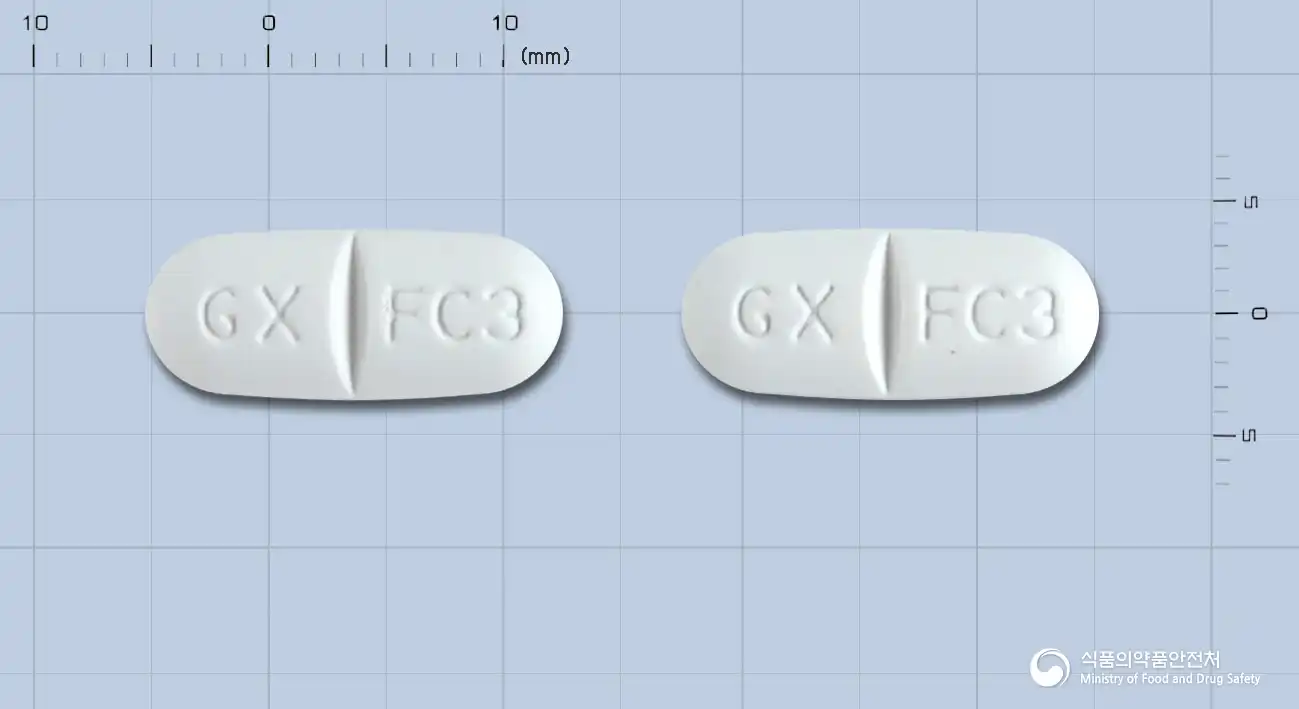
Appearance
White to pale yellow oblong film-coated tablets
Package unit
60 tablets (10 tablets/PTP X 6)
Questions about this medicine
No questions yet.
For anything that needs medical judgment, consult a doctor or pharmacist.