
 한국어
 English
 日本語
 中文(简体)
Dosage form image
Viewing nowPulmiqur Spray Suspension (Budesonide)
Budesonide Micronized 0.5mg
Suspension · Prescription medication
Gunil Biopharm Co., Ltd.
MFDS item code 202402319 · Approved 2024.09.26 · Insurance code 073001612
Treatment of bronchial asthma and acute laryngotracheobronchitis (croup) in infants and children
This medication is used for bronchial asthma, particularly when steroid treatment is insufficient or inappropriate. It is also effective in treating acute laryngotracheobronchitis, commonly known as croup, in infants and children. It helps ease inflammation in the bronchi and improves airway obstruction, facilitating easier breathing. By alleviating respiratory distress symptoms in children, it quickly improves symptoms. It enhances overall respiratory function, reducing discomfort in daily life. Thus, this medication is widely used for the treatment of asthma and croup.
This medication should be administered using a suitable nebulizer. The dose delivered to the patient is approximately 40~60% of the labeled dose, depending on the nebulizer used. Nebulization time and dose depend on the flow rate, nebulizer chamber, and fill volume. A fill volume of 2~4 milliliters is suitable for most nebulizers. At initiation of inhaled treatment for bronchial asthma, during treatment of severe asthma, or when reducing or discontinuing oral corticosteroids: Adults; administer 1~2 milligrams (2 vials~4 vials) per dose, twice daily. Maintenance dose for bronchial asthma: Adults; administer 0.5~1 milligram (1 vial~2 vials) per dose, twice daily.
At initiation of inhaled treatment for bronchial asthma, during treatment of severe asthma, or when reducing or discontinuing oral corticosteroids: Children; administer 0.5~1 milligram (1 vial~2 vials) per dose, twice daily. Maintenance dose for bronchial asthma: Children; administer 0.25~0.5 milligram (½ vial~1 vial) per dose, twice daily. Acute laryngotracheobronchitis: Administer 2mg once daily to infants and young children.
This medication contains budesonide, an inhaled corticosteroid used in the treatment of respiratory diseases like bronchial asthma. This medication should not be administered to patients who are allergic to budesonide or any other added ingredients. Patients with pulmonary tuberculosis or airway infections caused by fungi or viruses should exercise special caution when using this medication. Patients relying on oral corticosteroids should be carefully managed, as adrenal function may take time to recover when switching to this medication. Using this medication may commonly lead to side effects such as sore throat, oral mucositis, dry mouth, cough, hoarseness, and possible oral candidiasis that can be treated with appropriate antifungal agents. Rarely, various side effects such as laryngitis, headaches, taste disturbances, skin rashes, and bronchospasm may occur; if abnormal symptoms arise, consultation with a healthcare professional is advised. Prior to or during the use of this medication, precautions should be taken to avoid exposure to infectious diseases like chickenpox or measles, and immediate medical attention should be sought if an infection is suspected. Long-term high-dose use can lead to systemic side effects such as adrenal suppression or visual disturbances, necessitating regular check-ups. During pregnancy, the benefits of asthma control may outweigh potential risks, but it is advisable for pregnant women to consult with a physician before use. In breastfeeding situations, some medication constituents may be transferred into breast milk; therefore, benefits and risks should be carefully considered. When children use this medication, growth retardation may occur; thus, the minimum effective dose should be administered, and growth status should be regularly monitored. In case of overdose, issues like adrenal suppression may arise, and adjustments in dosage or discontinuation should be decided in consultation with a physician. After using this medication, it is advisable to rinse the mouth and face with water to reduce the risk of oral candidiasis, and it should not be used if the medication is improperly mixed or has deteriorated.
Not everyone experiences these, and they can vary from person to person.
This medication is sensitive to light, so it should be stored sealed in the provided foil pouch. Additionally, the medication should be stored at room temperature between 1 degree and 30 degrees Celsius to maintain effectiveness.
A uniform white-gray suspension for mucosal spray filled in a single-use plastic bottle
2 milliliters/bottle [(2mL x 5 bottles) x 6/case]
Even with the same ingredient, strength, dosage form and how it is taken can differ.
Budesonide Micronized 0.5mg
Suspension · Prescription medication
Gunil Biopharm Co., Ltd.
Budesonide Micronized 0.5mg
Suspension · Prescription medication
Geonil Pharmaceutical Co., Ltd.
Budesonide Micronized
Prescription medication
Daehan Pharmaceutical Co., Ltd.
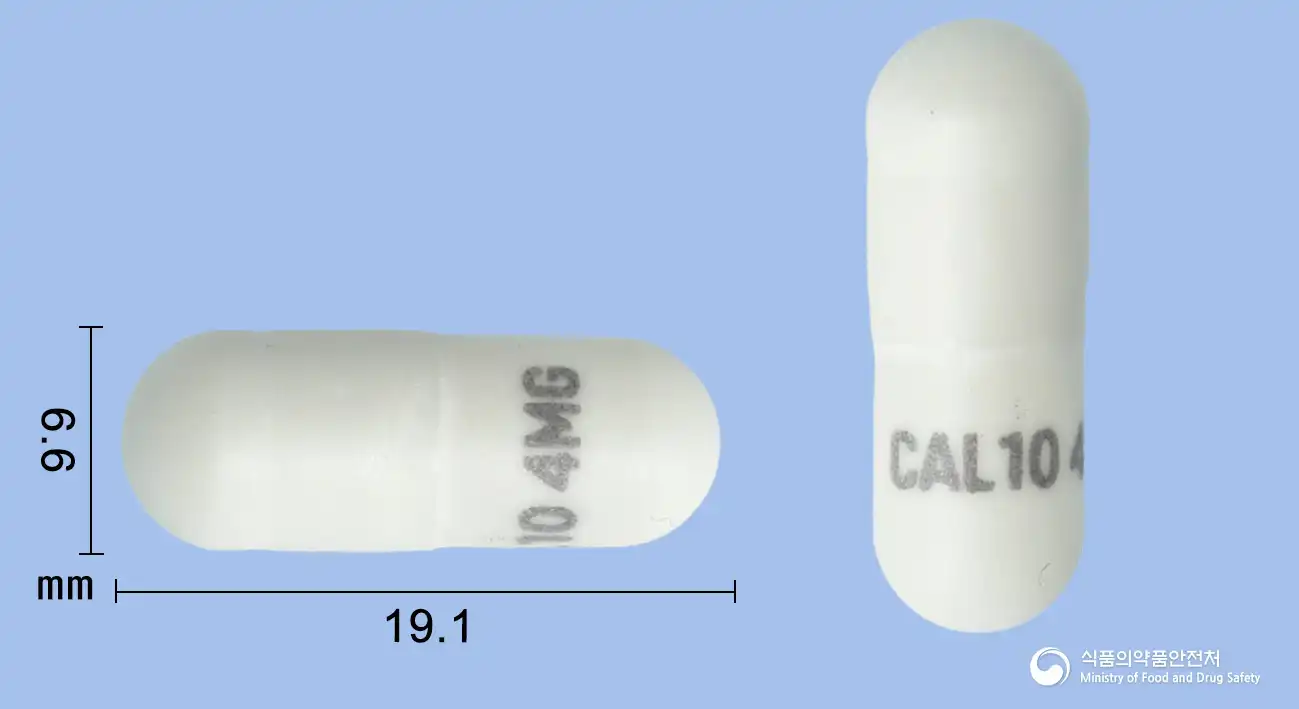
Budesonide Micronized 4mg
Hard capsule · Prescription medication
Everest Medicine Korea Co., Ltd.
Budesonide Micronized 0.5mg
Suspension · Prescription medication
Penmix Co., Ltd.
Budesonide Micronized 0.5mg
Suspension · Prescription medication
Youngjin Pharmaceutical Co., Ltd.
Budesonide Micronized 0.5mg
Suspension · Prescription medication
Ahn-Gook Pharmaceutical Co., Ltd.
Budesonide Micronized 0.5mg
Suspension · Prescription medication
Daehyu Pharmaceutical Co., Ltd.
Even with the same ingredient, the dose and directions can differ by strength and dosage form. Talk to a doctor or pharmacist before switching from a medication you are already taking.
No questions yet.
For anything that needs medical judgment, consult a doctor or pharmacist.
This drug information is based on data provided by the Korea Ministry of Food and Drug Safety.
Consult a doctor or pharmacist for accurate dosage, administration, and usage instructions.