
 한국어
 English
 日本語
 中文(简体)
Summary
- Main use
- Treatment of mild to moderate COVID-19 in adults at high risk of progression to severe disease
- Who takes it
- Adults
- Adult dose
- Treatment with this medicine should be initiated as soon as possible after a positive diagnosis of COVID-19 and within 5 days of symptom onset, even if COVID-19 symptoms are mild at baseline. If, after starting treatment with this medicine, the patient requires hospitalization due to severe or critical COVID-19, the full 5-day course of treatment should still be completed. If you forget to take this medicine and less than 8 hours have passed since the scheduled time, take the scheduled dose immediately and resume the regular dosing schedule. If 8 hours or more have passed since the scheduled time, skip the missed dose and take the prescribed dose at the next scheduled time. Do not take a double dose to make up for a missed dose. Take a total of 3 tablets together orally twice daily (in the morning and before bedtime) for 5 days: nirmatrelvir 300 mg (two 150 mg tablets) and ritonavir 100 mg (one 100 mg tablet). No dosage adjustment is required in patients with mild renal impairment [estimated glomerular filtration rate (eGFR) ≥60 - <90 mL/min]. In patients with moderate renal impairment (eGFR ≥30 - <60 mL/min) or severe renal impairment (eGFR <30 mL/min), including patients requiring hemodialysis, the dose of this medicine should be reduced as shown in Table 1. Administer this medicine at approximately the same time each day for 5 days. On days when patients with severe renal impairment undergo hemodialysis, administer this medicine after hemodialysis. Moderate renal impairment (eGFR ≥30-<60 mL/min), Days 1-5: 150 mg nirmatrelvir (one 150 mg tablet) and 100 mg ritonavir (one 100 mg tablet) twice daily Severe renal impairment (eGFR <30 mL/min), including patients requiring hemodialysis, Day 1: 300 mg nirmatrelvir (two 150 mg tablets) and 100 mg ritonavir (one 100 mg tablet) once daily Severe renal impairment (eGFR <30 mL/min), including patients requiring hemodialysis, Days 2-5: 150 mg nirmatrelvir (one 150 mg tablet) and 100 mg ritonavir (one 100 mg tablet) once daily Administer this medicine at approximately the same time each day for 5 days. On days when hemodialysis is performed, administer this medicine after hemodialysis. For patients with severe renal impairment, take 2 nirmatrelvir tablets and 1 ritonavir tablet together once daily on Day 1, and take 1 nirmatrelvir tablet and 1 ritonavir tablet together once daily from Day 2 through Day 5. For patients with moderate renal impairment, take 1 nirmatrelvir tablet and 1 ritonavir tablet together every 12 hours, twice daily for 5 days. No dosage adjustment is required in patients with mild (Child-Pugh Class A) or moderate (Child-Pugh Class B) hepatic impairment. There are no pharmacokinetic or safety data regarding the use of nirmatrelvir or ritonavir in patients with severe (Child-Pugh Class C) hepatic impairment. Therefore, use of this medicine is not recommended in patients with severe hepatic impairment.
Ingredients
- Importer
- Pfizer Pharmaceuticals Korea Limited
Efficacy & effects
Treatment of mild to moderate COVID-19 in adults at high risk of progression to severe disease
- Severe coronavirus disease 2019
- mild coronavirus disease 2019
- moderate coronavirus disease 2019
View approved original textHide original text
This medication is used for the treatment of mild to moderate COVID-19 in adult patients who are at high risk for progression to severe coronavirus disease 2019 (COVID-19), which could result in hospitalization or death. It should be noted that this medication is not authorized for prophylaxis before or after exposure to COVID-19. Therefore, this medication helps alleviate symptoms and prevent disease progression in patients already infected.
How to take
Adult dose
Treatment with this medicine should be initiated as soon as possible after a positive diagnosis of COVID-19 and within 5 days of symptom onset, even if COVID-19 symptoms are mild at baseline. If, after starting treatment with this medicine, the patient requires hospitalization due to severe or critical COVID-19, the full 5-day course of treatment should still be completed. If you forget to take this medicine and less than 8 hours have passed since the scheduled time, take the scheduled dose immediately and resume the regular dosing schedule. If 8 hours or more have passed since the scheduled time, skip the missed dose and take the prescribed dose at the next scheduled time. Do not take a double dose to make up for a missed dose. Take a total of 3 tablets together orally twice daily (in the morning and before bedtime) for 5 days: nirmatrelvir 300 mg (two 150 mg tablets) and ritonavir 100 mg (one 100 mg tablet). No dosage adjustment is required in patients with mild renal impairment [estimated glomerular filtration rate (eGFR) ≥60 - <90 mL/min]. In patients with moderate renal impairment (eGFR ≥30 - <60 mL/min) or severe renal impairment (eGFR <30 mL/min), including patients requiring hemodialysis, the dose of this medicine should be reduced as shown in Table 1. Administer this medicine at approximately the same time each day for 5 days. On days when patients with severe renal impairment undergo hemodialysis, administer this medicine after hemodialysis. Moderate renal impairment (eGFR ≥30-<60 mL/min), Days 1-5: 150 mg nirmatrelvir (one 150 mg tablet) and 100 mg ritonavir (one 100 mg tablet) twice daily Severe renal impairment (eGFR <30 mL/min), including patients requiring hemodialysis, Day 1: 300 mg nirmatrelvir (two 150 mg tablets) and 100 mg ritonavir (one 100 mg tablet) once daily Severe renal impairment (eGFR <30 mL/min), including patients requiring hemodialysis, Days 2-5: 150 mg nirmatrelvir (one 150 mg tablet) and 100 mg ritonavir (one 100 mg tablet) once daily Administer this medicine at approximately the same time each day for 5 days. On days when hemodialysis is performed, administer this medicine after hemodialysis. For patients with severe renal impairment, take 2 nirmatrelvir tablets and 1 ritonavir tablet together once daily on Day 1, and take 1 nirmatrelvir tablet and 1 ritonavir tablet together once daily from Day 2 through Day 5. For patients with moderate renal impairment, take 1 nirmatrelvir tablet and 1 ritonavir tablet together every 12 hours, twice daily for 5 days. No dosage adjustment is required in patients with mild (Child-Pugh Class A) or moderate (Child-Pugh Class B) hepatic impairment. There are no pharmacokinetic or safety data regarding the use of nirmatrelvir or ritonavir in patients with severe (Child-Pugh Class C) hepatic impairment. Therefore, use of this medicine is not recommended in patients with severe hepatic impairment.
Precautions
This medication contains Ritonavir, a strong CYP3A inhibitor, which may alter the concentration of other medications when taken together. In particular, serious or life-threatening side effects may occur when combined with certain medications, so all current medications must be disclosed to healthcare professionals before taking this drug. This drug should not be administered to patients with hypersensitivity to Nirmatrelvir or Ritonavir, or with certain medical histories. Additionally, its effect may be reduced when taken with CYP3A inducers, therefore co-administration should be avoided. Contains lactose, so caution is needed for patients with lactose intolerance. During the use of this medication, side effects such as taste disturbances and diarrhea may occur, and rarely, serious side effects such as anaphylaxis, skin rash, and liver function abnormalities may occur. Patients with liver disease or liver function abnormalities should exercise caution when using this drug. There is insufficient safety data for use in pregnant women, so it should be used cautiously during pregnancy, and it is recommended to discontinue breastfeeding during treatment and for some time after treatment. Elderly patients may use this drug without special dosage adjustment, but some elderly patients may have higher sensitivity to the medication. In cases of overdose, there is no specific antidote, and the patient should seek medical attention immediately for appropriate treatment. This medication should be kept out of reach of children and stored in its original container to maintain its quality.
Side effects
- taste disturbances
- diarrhea
- anaphylaxis
- hypersensitivity reactions
- toxic epidermal necrolysis
- Stevens-Johnson syndrome
- headache
- hypertension
- abdominal pain
- nausea
Show 5 moreCollapse
- vomiting
- malaise
- elevated liver transaminases
- clinical hepatitis
- jaundice
Not everyone experiences these, and they can vary from person to person.
Storage
This medication may be sensitive to air and moisture, so it should be stored in a sealed container. Furthermore, it is advisable to store the medication at room temperature between 1 degree and 30 degrees Celsius. Storing it this way can ensure the safe efficacy of the medication.
Appearance and packaging
Appearance
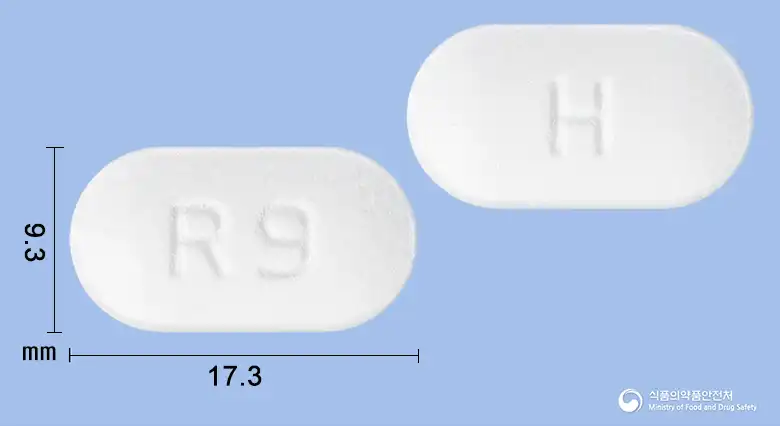
This medication is a combination product containing Nirmatrelvir and Ritonavir. - Nirmatrelvir: Pink oval film-coated tablet - Ritonavir: White to nearly white rectangular film-coated tablet
Package unit
30 tablets/box [{(4 tablets of Nirmatrelvir + 2 tablets of Ritonavir)/1 blister} x 5 blisters]
Questions about this medicine
No questions yet.
For anything that needs medical judgment, consult a doctor or pharmacist.