
 한국어
 English
 日本語
 中文(简体)
 Viewing now
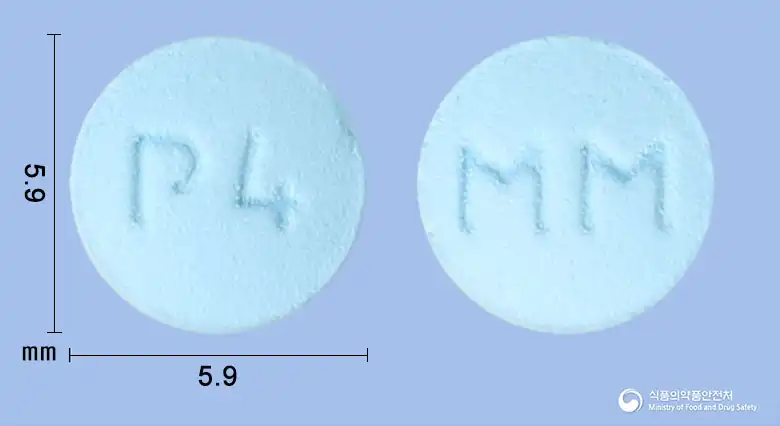
Pregabalin 25 mg Tablet
Pregabalin 25mg
Tablet · Prescription medication
Myungmoon Pharmaceutical Co., Ltd.
MFDS item code 202301368 · Approved 2023.04.26 · Insurance code 649808190
Treatment of neuropathic pain and fibromyalgia, and adjunctive treatment of partial-onset seizures
This medication is used to treat peripheral and central neuropathic pain in adults. It is also used as an adjunctive treatment for patients with epilepsy who have partial seizures, particularly with or without secondary generalized symptoms. Additionally, it is effective for the treatment of fibromyalgia. In summary, this medication is used for the relief of neuropathic pain, control of partial seizures in epilepsy, and improvement of fibromyalgia symptoms.
This medicine should be administered orally, with or without food, in 2 divided doses of the total daily dose of pregabalin. Since this medicine is primarily excreted by the kidneys, the dose should be adjusted in patients with impaired renal function. (See section ‘5. Patients with renal impairment’.) 1. Neuropathic pain 1) Peripheral neuropathic pain Adults: This medicine may be administered at an initial dose of 150 mg per day. Based on individual patient response and tolerability, the dose may be increased to 300 mg per day after 3 to 7 days. If necessary, it may subsequently be increased at 7-day intervals to a maximum of 600 mg per day. 2) Central neuropathic pain Adults: This medicine may be administered at an initial dose of 150 mg per day. Based on individual patient response and tolerability, the dose may be increased to 300 mg per day after 1 week. After an additional week, the dose may be increased to the target daily dose of 600 mg. If the target daily dose is not tolerated, dose reduction may be considered. (See section ‘4. Discontinuation of treatment’.) 2. Epilepsy Adults: This medicine may be administered at an initial dose of 150 mg per day. Based on individual patient response and tolerability, the dose may be increased to 300 mg per day after 1 week. If necessary, it may subsequently be increased at 7-day intervals to a maximum of 600 mg per day. 3. Fibromyalgia The recommended dose of this medicine for fibromyalgia is 300 mg ~ 450 mg per day. The initial dose is 75 mg twice daily (150 mg per day); based on efficacy and tolerability, it may be increased within 1 week to 150 mg twice daily (300 mg per day). For patients who do not experience sufficient benefit at a dose of 300 mg per day, the dose may be increased within 1 week to 225 mg twice daily (450 mg per day). Clinical studies have also been conducted at a dose of 600 mg per day, but there is no evidence of additional benefit or adequate tolerability at this dose. Given the dose-dependent adverse reactions, doses exceeding 450 mg per day are not recommended. 4. Discontinuation of treatment Based on current clinical experience, if treatment with this medicine is discontinued, it should be withdrawn gradually over at least 1 week. 5. Patients with renal impairment After entering the systemic circulation, this medicine is primarily excreted by the kidneys as unchanged drug. Since clearance of this medicine is directly affected by creatinine clearance, dose reduction in patients with impaired renal function should be individualized based on creatinine clearance. Creatinine clearance [Table 1] is determined using the formula below. This medicine is effectively removed from plasma by hemodialysis (approximately 50% within 4 hours). In patients undergoing hemodialysis, the daily dose of pregabalin should be adjusted based on renal function. In addition to the daily dose based on renal function, a supplemental dose should be administered immediately after every 4-hour hemodialysis session. [Table 1]. Pregabalin dosage based on renal function Creatinine clearance (CLcr), (mL/min) Total daily dose of pregabalin a Administration Starting dose (mg/day) Maximum dose (mg/day) ≥60: 150, 600, BID or TID ≥30 -<60: 75, 300, BID or TID ≥15 -<30: 25-50, 150, QD or BID <15: 25, 75, QD Supplemental dose after hemodialysis: 25, 100, single dose b TID = total daily dose divided into 3 doses BID = total daily dose divided into 2 doses QD = administered once daily a: The total daily dose (mg/day) should be divided as specified under administration. b: Supplemental dose refers to a dose administered as a single additional dose. 6. Patients with hepatic impairment No dose adjustment is required in patients with hepatic impairment. 8. Elderly patients (aged 65 years and older) Dose reduction may be necessary in elderly patients with impaired renal function.
7. Pediatric and adolescent patients Administration is not recommended for children under 12 years and adolescent patients aged 12 to 17 years because there are insufficient data on safety and efficacy.
This medication may increase the risk of suicidal thoughts or behavior; therefore, if there are any mood changes or symptoms of depression while taking it, inform healthcare professionals immediately. Do not take this medication if you have allergies to the components contained in it or if you have lactose intolerance. Patients with diabetes may be affected in their blood sugar control due to weight gain, so medication dosage adjustments may be necessary. If hypersensitivity reactions or angioedema symptoms occur, stop taking the medication immediately and consult a healthcare provider. Elderly patients need to be cautious as there is a risk of falls or injuries due to dizziness or drowsiness after taking this medication. Visual disturbances or changes in eyesight may occur; if these symptoms occur, inform a healthcare professional. Abrupt discontinuation of this medication may lead to withdrawal symptoms such as insomnia, headaches, or anxiety, so tapering off the dose gradually as per healthcare providers' instructions is necessary. Patients with a history of drug abuse should be cautious since the risk of abuse may increase with this medication. Patients with heart disease or impaired renal function must consult their healthcare provider before taking this medication. This medication may cause respiratory depression when taken with other central nervous system depressants or opioids, so caution is advised. In early pregnancy, there is a possibility of fetal malformation, so women who are pregnant or planning to become pregnant should consult a healthcare professional before taking this medication. Breastfeeding women should consult a healthcare professional, as this medication can be transferred through breast milk, and may need to either stop breastfeeding or the medication. Hazardous activities like driving or operating machinery should be avoided until symptoms such as dizziness or drowsiness are confirmed. Patients requiring special precautions such as children or the elderly need careful monitoring while taking this medication. In the event of overdose, symptoms like confusion, drowsiness, or depression may arise, so if there are any suspicions, seek medical attention immediately. This medication should be stored out of reach of children and should not be transferred to another container for safety.
Not everyone experiences these, and they can vary from person to person.
This medication should be stored in a tightly sealed container to prevent air or moisture from entering, and it is best stored at room temperature between 1 degree to 30 degrees Celsius. Storing it this way helps maintain the medication's efficacy for a longer period.
Bright blue round film-coated tablet
30 tablets/bottle
Even with the same ingredient, strength, dosage form and how it is taken can differ.
Viewing nowPregabalin 25mg
Tablet · Prescription medication
Myungmoon Pharmaceutical Co., Ltd.
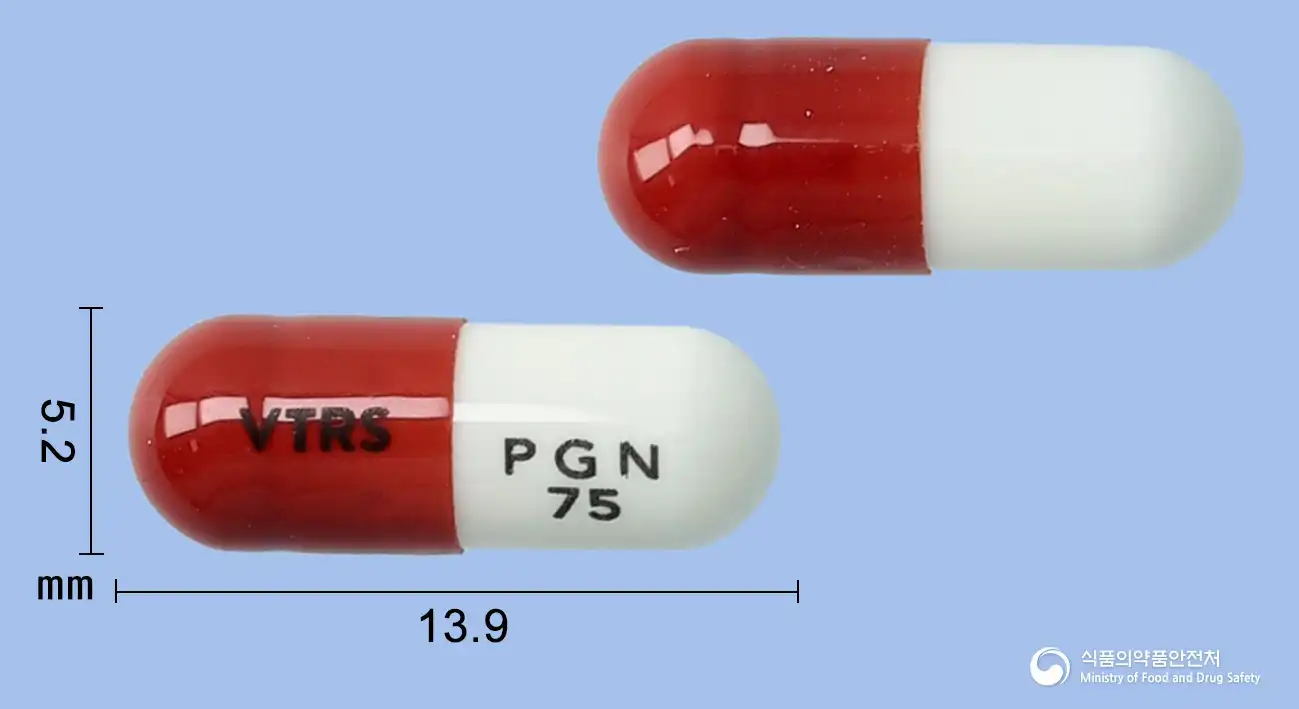
Pregabalin 75mg
Hard capsule · Prescription medication
Viatris Korea Co., Ltd.
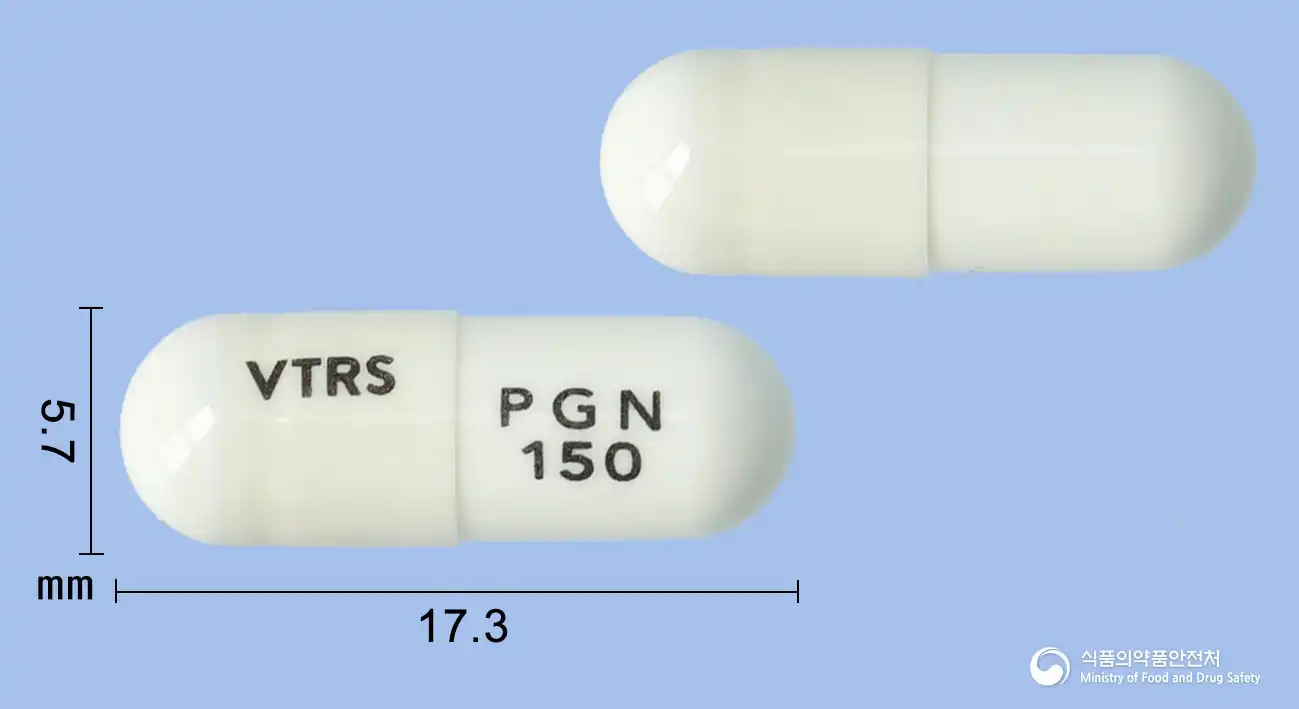
Pregabalin 150mg
Hard capsule · Prescription medication
Viatris Korea Co., Ltd.
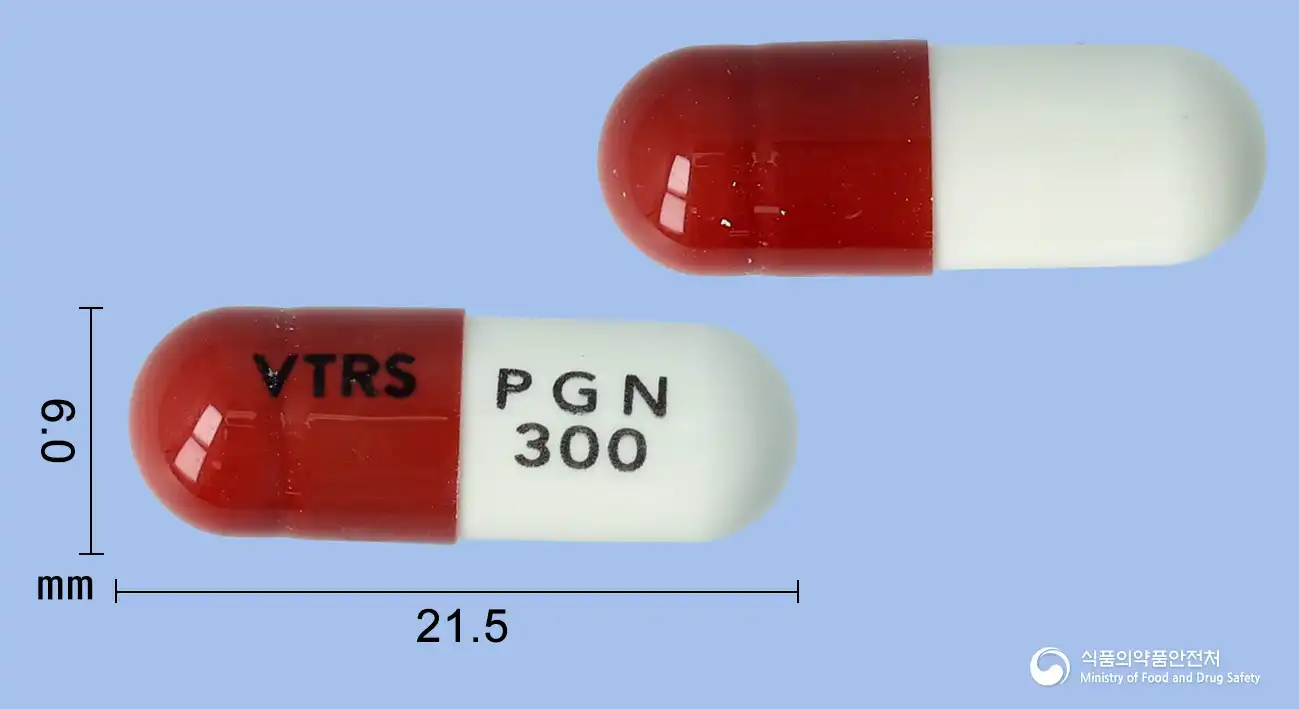
Pregabalin 300mg
Hard capsule · Prescription medication
Viatris Korea Co., Ltd.
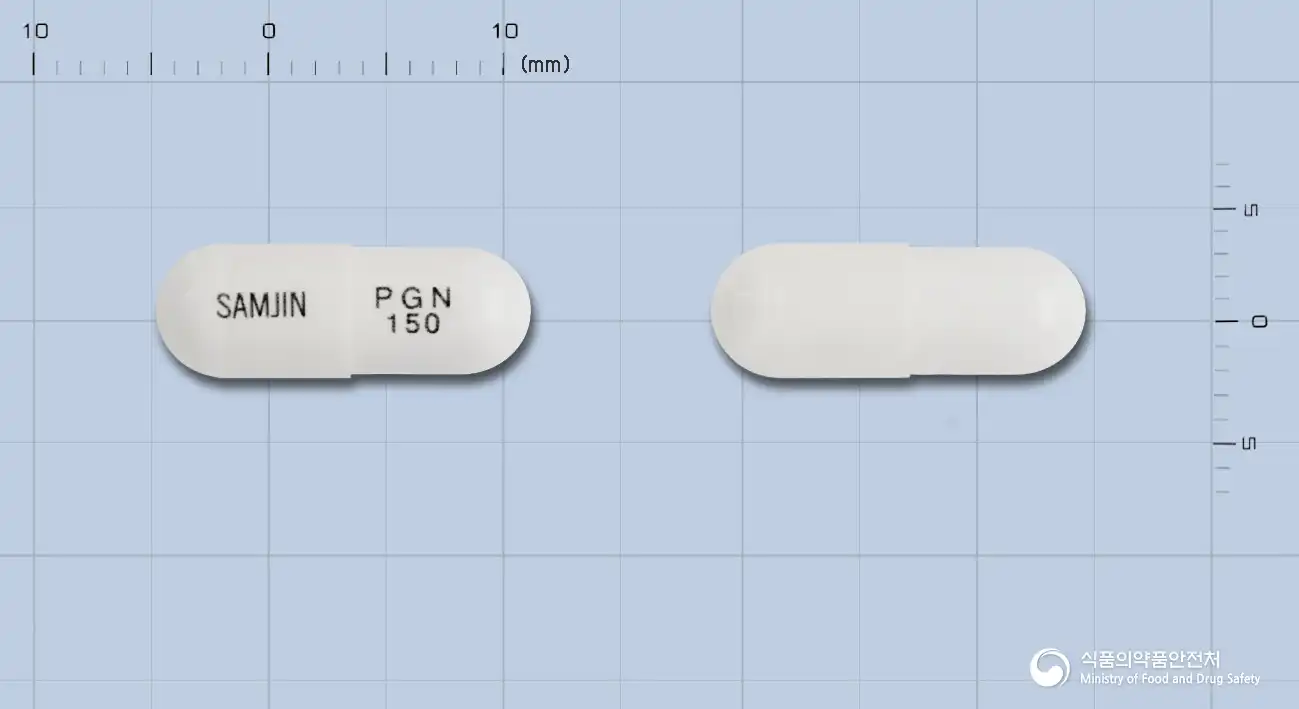
Pregabalin 150mg
Hard capsule · Prescription medication
Samjin Pharmaceutical Co., Ltd.
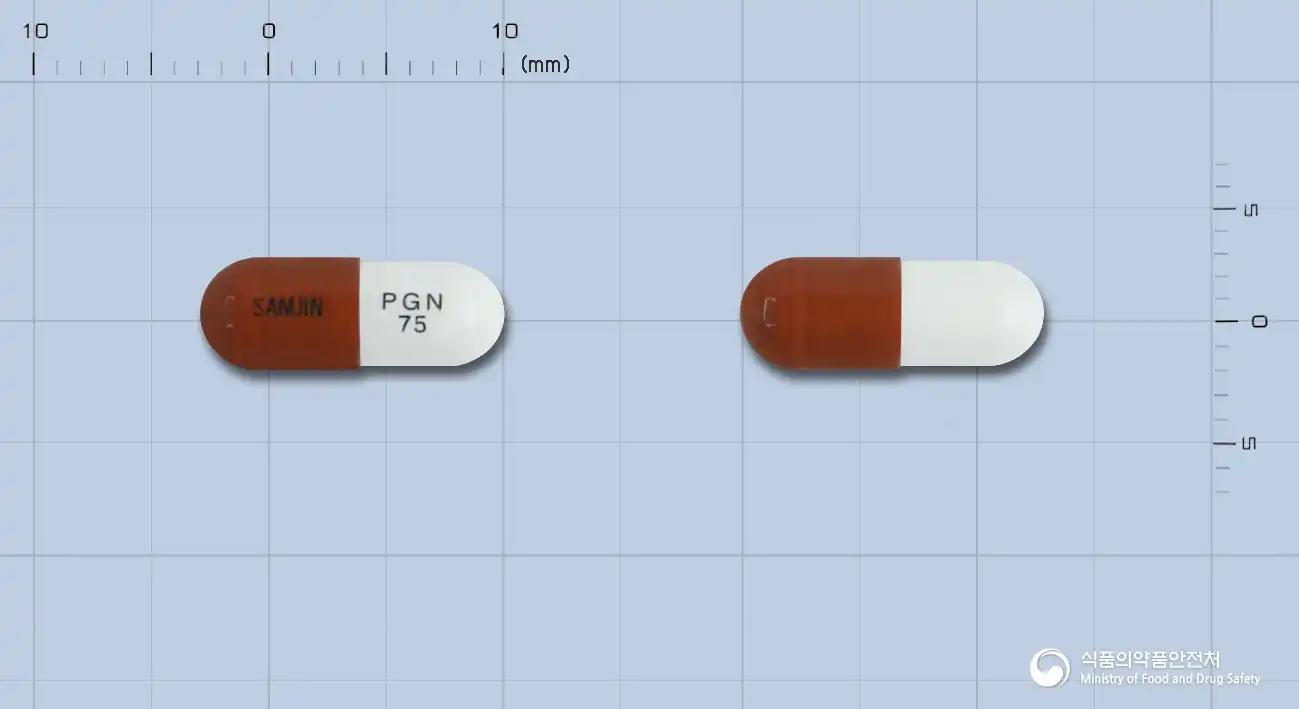
Pregabalin 75mg
Hard capsule · Prescription medication
Samjin Pharmaceutical Co., Ltd.
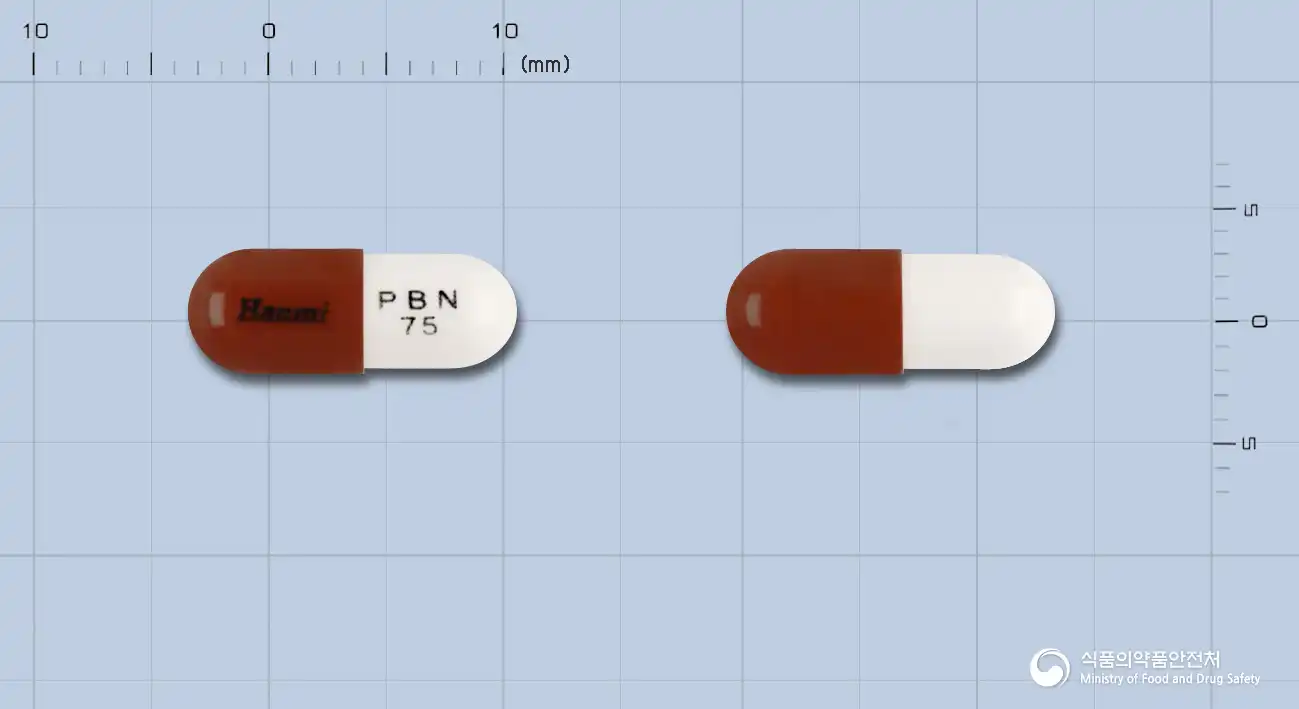
Pregabalin 75mg
Hard capsule · Prescription medication
Hanmi Pharm. Co., Ltd.
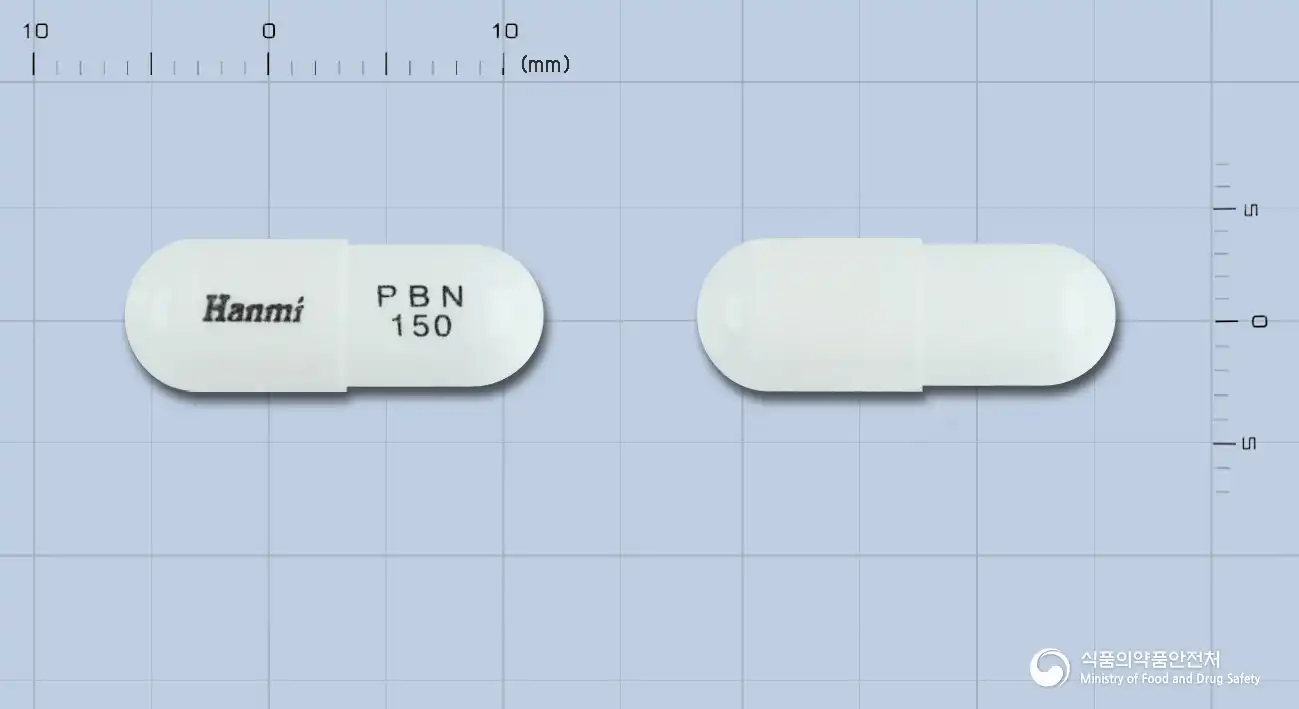
Pregabalin 150mg
Hard capsule · Prescription medication
Hanmi Pharmaceutical Co., Ltd.
Even with the same ingredient, the dose and directions can differ by strength and dosage form. Talk to a doctor or pharmacist before switching from a medication you are already taking.
No questions yet.
For anything that needs medical judgment, consult a doctor or pharmacist.
This drug information is based on data provided by the Korea Ministry of Food and Drug Safety.
Consult a doctor or pharmacist for accurate dosage, administration, and usage instructions.