
 한국어
 English
 日本語
 中文(简体)
 Viewing now
Bo-setin 15mg (Botioxetine Hydrochloride)
Vortioxetine Hydrobromide 19.065mg
Tablet · Prescription medication
Myeongin Pharmaceutical Co., Ltd.
MFDS item code 202301255 · Approved 2023.04.17
Treatment of major depressive disorder
This medication is used for the treatment of major depressive disorder, which is characterized by persistent feelings of sadness and loss of interest. Taking this medication can help alleviate these symptoms and improve the quality of daily life.
1. Adults The initial and recommended dose of this medicine is 10mg once daily. Depending on the patient's response, the dose may be increased to a maximum of 20mg daily or reduced to a minimum of 5mg daily. This medicine may be taken with or without food. 1) Maintenance treatment To ensure a therapeutic effect, medication treatment for at least 6 months is recommended, even after depressive symptoms have resolved. 2) Discontinuation This medicine may be discontinued immediately without gradually reducing the dose. 2. Use in elderly patients For elderly patients aged 65 years and older, the initial dose is 5mg once daily. Treat with caution if administering this medicine at doses of 10mg or more daily. 3. Use with cytochrome P450 inhibitors and inducers 1) Cytochrome P450 inhibitors When coadministered with a potent cytochrome P450 inhibitor (e.g., bupropion, quinidine, fluoxetine, paroxetine), reduce the dose of this medicine according to the patient's response (see section 6. Interactions). 2) Cytochrome P450 inducers When coadministered with a broad-spectrum cytochrome P450 inducer (e.g., rifampicin, carbamazepine, phenytoin), the dose of this medicine may be adjusted according to the patient's response (see section 6. Interactions). 4. Use with monoamine oxidase inhibitors (MAOIs) 1) Switching from an MAO inhibitor used to treat psychiatric disorders When discontinuing an MAO inhibitor used to treat a psychiatric disorder and starting treatment with this medicine, an interval of at least 14 days must be observed. Conversely, at least 14 days must elapse after discontinuing this medicine before starting an MAO inhibitor to treat a psychiatric disorder. 2) Other MAO inhibitors, such as linezolid or methylene blue Patients receiving linezolid or intravenous methylene blue should not start this medicine because of the increased risk of serotonin syndrome. For patients requiring other interventions, including hospitalization, or treatment for a more urgent psychiatric condition, the use of this medicine should be considered. If urgent administration of linezolid or intravenous methylene blue is necessary in a patient already receiving this medicine, and no alternative to linezolid or intravenous methylene blue is available, and the benefits of treatment with linezolid or intravenous methylene blue are judged to outweigh the risk of serotonin syndrome in a particular patient, this medicine may be discontinued immediately and linezolid or intravenous methylene blue administered. The patient should be monitored for symptoms of serotonin syndrome for 2 weeks after starting linezolid or intravenous methylene blue, or for 24 hours after the last dose, whichever occurs first. Treatment with this medicine may be restarted 24 hours after the last dose of linezolid or intravenous methylene blue. The risks associated with methylene blue administered by a non-intravenous route (oral tablets or local injection) or with intravenous doses of 1mg/kg or less of this medicine are unclear. Nevertheless, clinicians should be aware of the possibility of emergency symptoms of serotonin syndrome with these uses.
This medication is an antidepressant used for the treatment of major depression. In children, adolescents, and young adults, there may be an increased risk of suicidal thoughts and behavior, so a careful assessment of risks and benefits by a physician is necessary when administering this medication. This medication works by regulating serotonin levels, and taking it with other serotonergic drugs can increase the risk of life-threatening serotonin syndrome. Symptoms of serotonin syndrome may include changes in mental state, high fever, tremors, nausea, etc. If these symptoms occur, stop taking the medication immediately and consult a physician. This medication should not be taken with monoamine oxidase inhibitors (MAOIs), and at least 14 days must pass after discontinuing MAOIs before starting this medication. Patients with a history of seizures or epilepsy should use this medication with caution, and those with mania or bipolar disorder should also be administered with care. If there is a tendency to bleed or if anticoagulants or drugs affecting platelet function are being taken, there may be an increased risk of bleeding, so caution is required. This medication can cause various side effects, including nausea, dizziness, insomnia, headache, diarrhea, and constipation, most of which are usually temporary and mild. Nausea may occur more frequently in women. Abrupt discontinuation can cause withdrawal symptoms, so when stopping the medication, the dosage should be gradually reduced as per a physician's instructions. If pregnant or breastfeeding, use should be consulted with a physician as it may affect the fetus or newborn. Elderly patients and those with severe kidney or liver impairment require careful monitoring when using this medication. This medication has many drug interactions, particularly when taken with serotonergic drugs, MAOIs, or drugs affecting CYP450 enzymes. Alcohol consumption is not recommended, and caution should be taken when driving or operating machinery. This medication is not recommended for children, as its safety and efficacy have not been adequately established.
suicidal impulses, suicidal tendencies, agitation, hallucinations, delirium, coma, tachycardia, unstable blood pressure, dizziness, sweating, flushing, high fever, tremors, euphoria, myoclonus, paradoxical reactions, chorea, seizures, nausea, vomiting, diarrhea, anaphylactic reactions, hyperprolactinemia, nosebleeds, decreased appetite, abnormal dreams, bruxism, insomnia, akathisia, restless legs syndrome, lightheadedness, serotonin syndrome, headaches, blurred vision, mydriasis, flushing, bleeding, vaginal bleeding, sexual dysfunction, nausea, diarrhea, constipation, vomiting, gastrointestinal bleeding, generalized itching, night sweats, angioedema, hives, rashes, hyperhidrosis, abdominal pain, gastroesophageal reflux, abdominal discomfort, gastritis, esophagitis, atrophic gastritis, gum pain, headache exacerbation, limb tremors, paresthesia, tremors, dizziness, inability to sit still, worsening depression, intentional self-harm, suicide, sleep disturbances, anxiety, hallucinations, emotional lability, mood disorders, hypersomnia, mood disorders, increased appetite, loss of will, increased sweating, hair loss, skin discoloration, dermatitis, systemic weakness, chest discomfort, physical discomfort, facial edema, cold, tinea, bronchitis, cough, asthma, increased phlegm, arthralgia, myalgia, weight gain, thirst, weight loss, diabetes, difficulty urinating, frequent urination, acute cholecystitis, hepatitis, tinnitus, varicose veins, benign prostatic hyperplasia, overflow incontinence, syncope, iron deficiency anemia, orthostatic hypotension, cyst of unspecified nature, dyspepsia, heartburn, dry mouth, upper abdominal pain, gastrointestinal disease of unspecified nature, drowsiness, sedation, fatigue, palpitations, nausea, position-related dizziness, abdominal discomfort, unpleasant mood, irritability, sensory disturbances, anxiety, confusion, hypersomnia, emotional instability, hypomania, tinnitus, seizures, sweating
Not everyone experiences these, and they can vary from person to person.
This medication should be stored in a tightly closed container to protect it from air and moisture, preferably at a temperature between 1 and 30 degrees Celsius. Storing it this way will help maintain the medication's effectiveness.
Light orange rectangular film-coated tablet
200 tablets/bottle
Even with the same ingredient, strength, dosage form and how it is taken can differ.
Viewing nowVortioxetine Hydrobromide 19.065mg
Tablet · Prescription medication
Myeongin Pharmaceutical Co., Ltd.
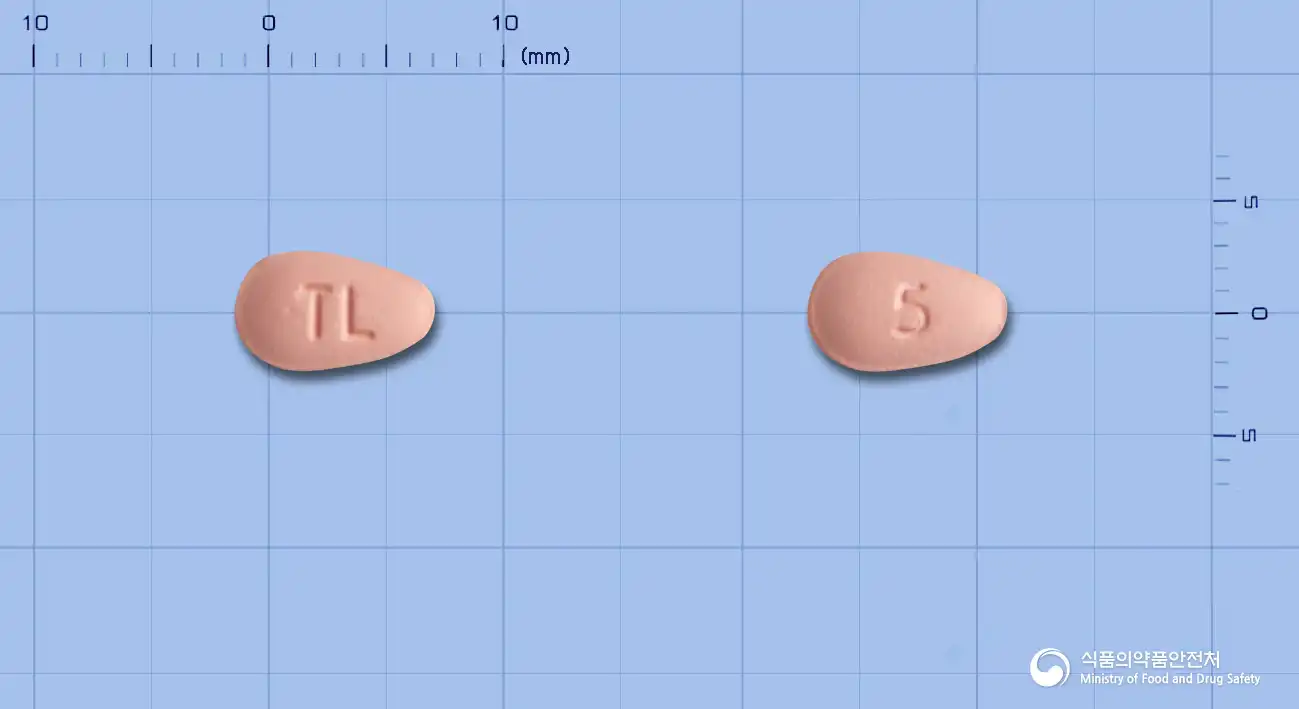
Vortioxetine Hydrobromide 6.355mg
Tablet · Prescription medication
HanKook Lundbeck Co., Ltd.
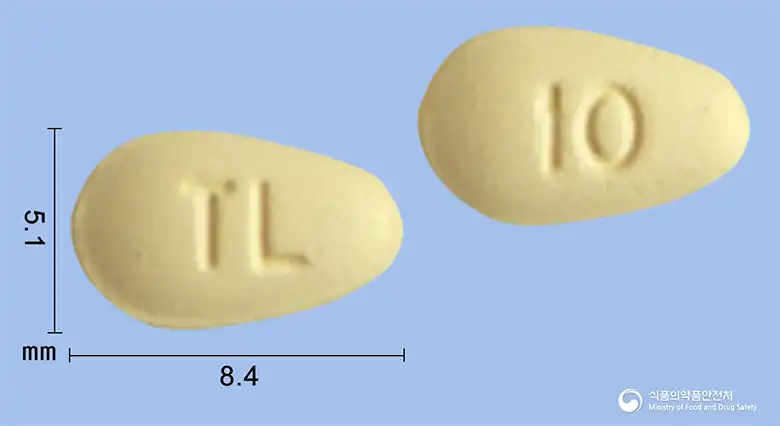
Vortioxetine Hydrobromide 12.71mg
Tablet · Prescription medication
Lundbeck Korea Co., Ltd.
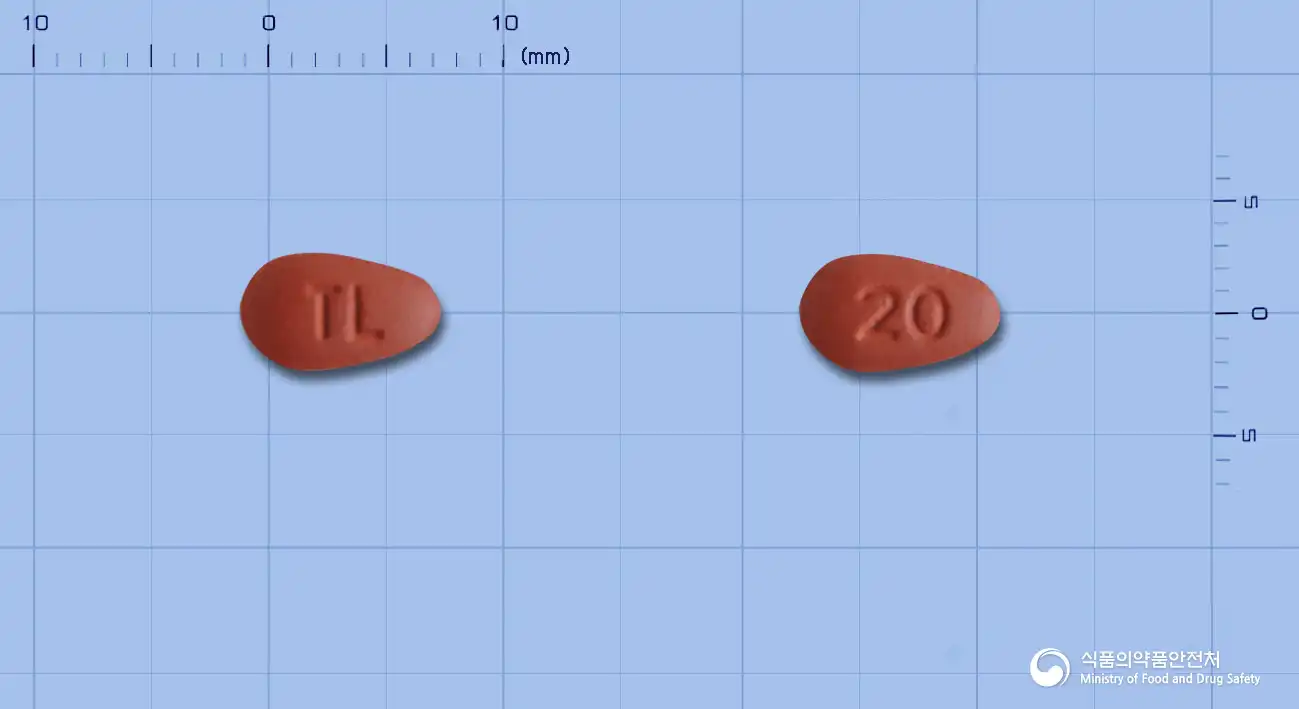
Vortioxetine Hydrobromide 25.42mg
Tablet · Prescription medication
Lundbeck Korea Co., Ltd.
Vortioxetine Hydrobromide 19.065mg
Tablet · Prescription medication
Lundbeck Korea Co., Ltd.

Vortioxetine Hydrobromide 6.355mg
Tablet · Prescription medication
Myeongin Pharmaceutical Co., Ltd.

Vortioxetine Hydrobromide 12.71mg
Tablet · Prescription medication
Myungin Pharmaceutical Co., Ltd.

Vortioxetine Hydrobromide 25.42mg
Tablet · Prescription medication
Myungjin Pharmaceutical Co., Ltd.
Even with the same ingredient, the dose and directions can differ by strength and dosage form. Talk to a doctor or pharmacist before switching from a medication you are already taking.
No questions yet.
For anything that needs medical judgment, consult a doctor or pharmacist.
This drug information is based on data provided by the Korea Ministry of Food and Drug Safety.
Consult a doctor or pharmacist for accurate dosage, administration, and usage instructions.