
 한국어
 English
 日本語
 中文(简体)
Dosage form image
Viewing nowGabapentin Extended Release Tablets 300 mg
Gabapentin 300mg
Tablet · Prescription medication
Albogen Korea Co., Ltd.
MFDS item code 202300955 · Approved 2023.03.20 · Insurance code 652607210
Relief of postherpetic neuropathic pain
This medication is used to relieve neuropathic pain, which persists after herpes zoster, and is caused by nerve damage.
Do not substitute this medicine with other medicines containing the same active ingredient, gabapentin. This medicine must be swallowed whole and must not be split, crushed, or chewed. Take this medicine once daily with the evening meal. Taking it on an empty stomach may substantially reduce the absorption of gabapentin. The recommended dose for adults is 1800 mg once daily. Gradually increase the dose to 1800mg over 2 weeks according to Table 1. Day 1: 300 mg Day 2: 600 mg Days 3~6: 900 mg Days 7~10: 1200 mg Days 11~14: 1500 mg Day 15: 1800 mg If the dose of this medicine is reduced, treatment is discontinued, or the medicine is replaced with another medicine, the dose should be gradually tapered over at least 1 week, at the prescriber's discretion. If you miss a dose of this medicine, take it with food as soon as you remember. If it is nearly time for your next dose, skip the missed dose and take the next dose at the scheduled time. Do not take two doses at the same time. The safety and efficacy of gabapentin for the treatment of neuropathic pain for treatment durations longer than 5 months have not been evaluated. Adjust the dose of this medicine in patients with renal impairment according to Table 2. Patients with renal impairment should start this medicine at a daily dose of 300 mg. Titrate this medicine according to the schedule shown in Table 1. The daily dose in patients with renal impairment should be individualized based on tolerability and clinical benefit. Creatinine clearance (mL/min) ≥ 60: Total daily dose 1800 mg (administered once daily with the evening meal) Creatinine clearance (mL/min) 30-60: Total daily dose 600 mg-1800 mg (administered once daily with the evening meal) Creatinine clearance (mL/min) < 30: Do not administer this medicine Patients on hemodialysis: Do not administer this medicine In patients with stable renal function, creatinine clearance can be estimated using the Cockcroft & Gault formula. For females, creatinine clearance=(0.85)(140-age)(weight)/[(72)(SCr)], For males, CCr=(140-age)(weight)/[(72)(SCr)] Here, age is age in years, weight is in kg, and SCr is serum creatinine (mg/dL). Dose reduction may be necessary in older adults with reduced renal function.
This medication may increase the risk of suicidal thoughts or behavior, so you should carefully monitor for mood changes or symptoms of depression while taking it. Serious side effects such as pancreatitis may occur. If you experience persistent upper abdominal pain, nausea, or vomiting, discontinue use immediately and consult a doctor. Use with central nervous system depressants or opioid analgesics can cause drowsiness, respiratory depression, or coma; therefore, it must be used very cautiously, at the minimum dose and for the shortest duration. Patients with hypersensitivity to this medication or those with acute pancreatitis should not take it. Patients with impaired kidney function, older adults over 65 years, those with a history of psychiatric disorders, pregnant women, or nursing mothers require special caution when using this medication. Symptoms such as dizziness, drowsiness, and headache may occur while taking this medication, so it is advisable to avoid activities requiring mental alertness, such as driving or operating machinery, until sufficient experience has been gained. Weight gain or visual disturbances may occur during treatment, so it is essential to regularly monitor your condition and take appropriate measures if necessary. Do not abruptly discontinue use. Gradually reduce the dose under a doctor's guidance; abrupt cessation may lead to withdrawal symptoms such as anxiety, insomnia, or nausea. This medication can cross the placenta and be excreted in breast milk. Therefore, pregnant or breastfeeding women should determine the use of the medication after consulting a physician. This medication is excreted via the kidneys, so those with significantly impaired renal function should avoid it or require dose adjustment. There may be interactions with other medications; therefore, inform your healthcare provider of any other medications you are taking. The safety and efficacy of this medication have not been established in children and adolescents under 18 years of age, so use should be cautious. There is a risk of misuse and dependence, so patients with a history of substance abuse should use it with particular caution and consult their healthcare provider if symptoms of substance-seeking behavior or increased dosage arise. Store this medication out of reach of children, and keep it in the original container to prevent degradation or misuse.
Not everyone experiences these, and they can vary from person to person.
This medication should be stored in a tightly closed container to protect it from air and moisture. It is recommended to maintain storage temperatures between 1°C and 30°C.
White or off-white oval extended-release tablet
90 tablets/bottle, 30 tablets/bottle
Even with the same ingredient, strength, dosage form and how it is taken can differ.
Gabapentin 300mg
Tablet · Prescription medication
Albogen Korea Co., Ltd.
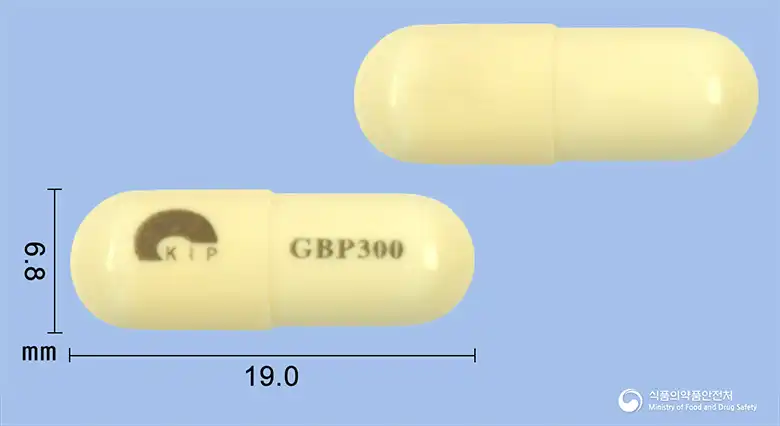
Gabapentin 300mg
Hard capsule · Prescription medication
Kunil Pharmaceutical Co., Ltd.
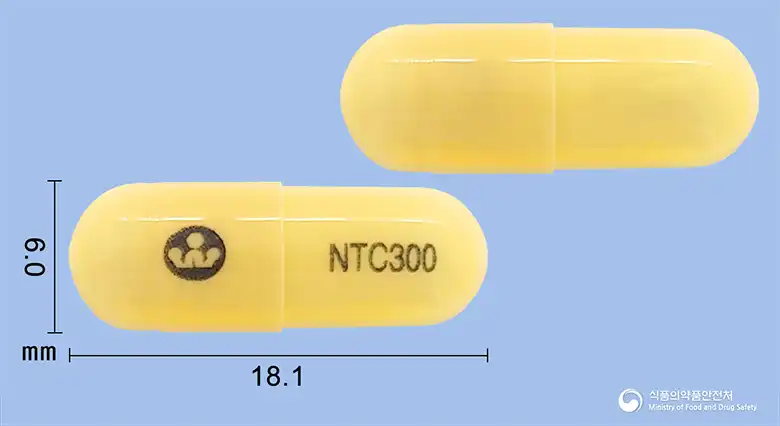
Gabapentin 300mg
Hard capsule · Prescription medication
Hanwin Pharmaceutical Co., Ltd.
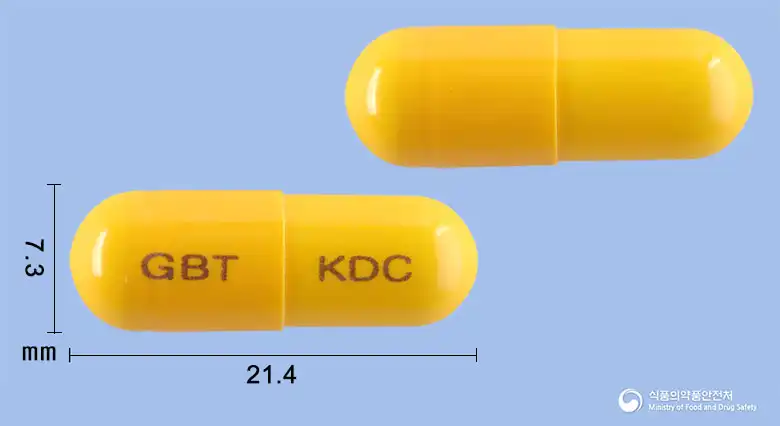
Gabapentin 400mg
Hard capsule · Prescription medication
Korea Pharmaceutical Co., Ltd.
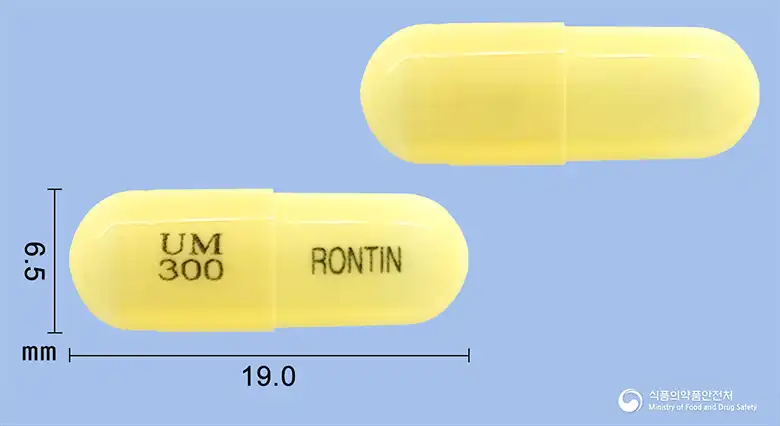
Gabapentin 300mg
Hard capsule · Prescription medication
Unimed Pharmaceuticals Co., Ltd.
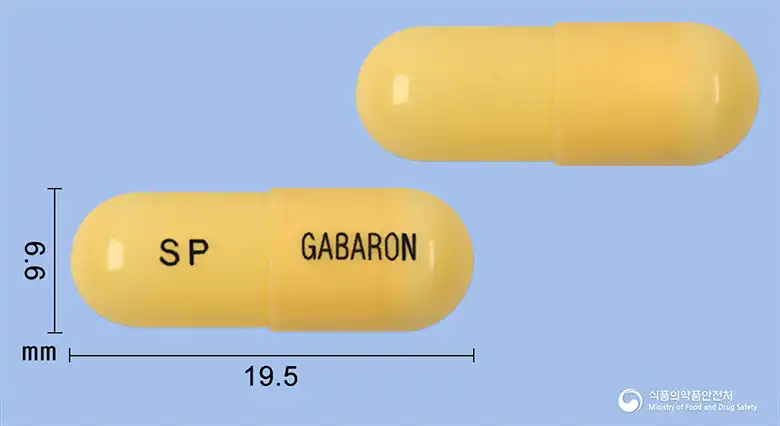
Gabapentin 300mg
Hard capsule · Prescription medication
Shinpoong Pharmaceutical Co., Ltd.
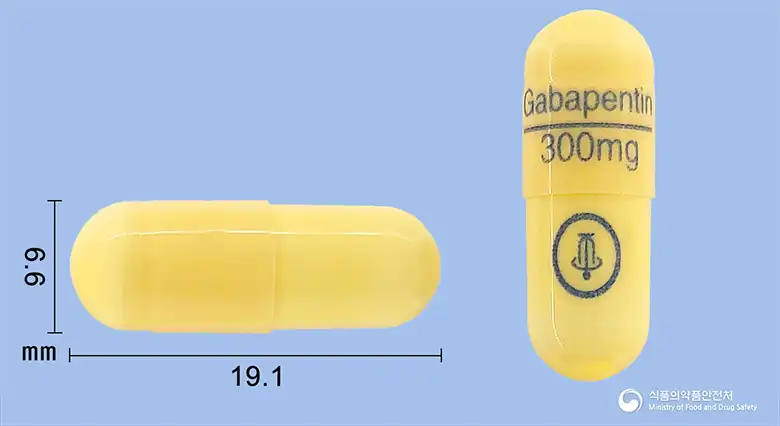
Gabapentin 300mg
Hard capsule · Prescription medication
Kwangdong Pharmaceutical Co., Ltd.
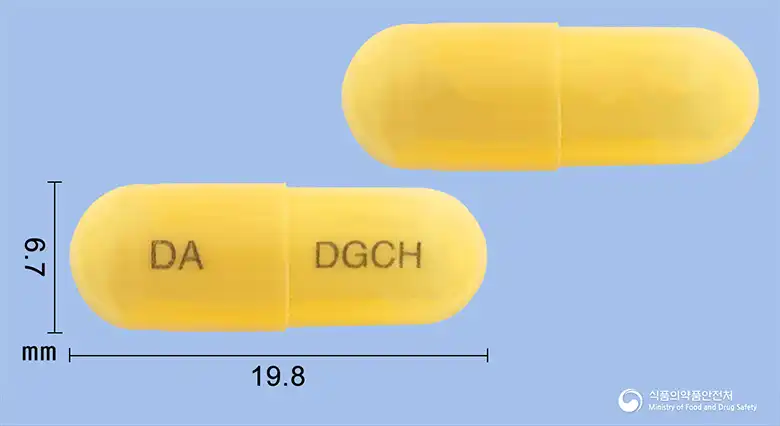
Gabapentin 300mg
Hard capsule · Prescription medication
Dong-A ST Co., Ltd.
Even with the same ingredient, the dose and directions can differ by strength and dosage form. Talk to a doctor or pharmacist before switching from a medication you are already taking.
No questions yet.
For anything that needs medical judgment, consult a doctor or pharmacist.
This drug information is based on data provided by the Korea Ministry of Food and Drug Safety.
Consult a doctor or pharmacist for accurate dosage, administration, and usage instructions.