
 한국어
 English
 日本語
 中文(简体)
Dosage form image
Viewing nowGabapentin Extended-Release Tablet 600 mg
Gabapentin 600mg
Tablet · Prescription medication
Alvogen Korea Co., Ltd.
MFDS item code 202300954 · Approved 2023.03.20 · Insurance code 652607200
Relief of postherpetic neuropathic pain
Neuropathic pain post-herpes zoster is pain that occurs in the nerves after zoster infection. This symptom can cause severe pain and discomfort, potentially disrupting daily life. This medication helps alleviate the pain of neuropathic pain post-herpes zoster, improving the patient's quality of life. When used safely, pain can be effectively managed. It is therefore used in the treatment of neuropathic pain following herpes zoster.
Do not substitute this medicine with other medicines containing the same active ingredient, gabapentin. This medicine must be swallowed whole and must not be split, crushed, or chewed. 1. Adults Take this medicine once daily with the evening meal. Taking it on an empty stomach may substantially reduce the absorption of gabapentin. The recommended dose for adults is 1800 mg once daily. Gradually increase the dose to 1800mg over 2 weeks according to Table 1. Table 1: Recommended dose titration schedule for this medicine Day 1: 300 mg Day 2: 600 mg Days 3~6: 900 mg Days 7~10: 1200 mg Days 11~14: 1500 mg Day 15: 1800 mg If the dose of this medicine is reduced, treatment is discontinued, or the medicine is replaced with another medicine, the dose should be gradually tapered over at least 1 week, at the prescriber's discretion. If you miss a dose of this medicine, take it with food as soon as you remember. If it is nearly time for your next dose, skip the missed dose and take the next dose at the scheduled time. Do not take two doses at the same time. The safety and efficacy of gabapentin for the treatment of neuropathic pain for treatment durations longer than 5 months have not been evaluated. 2. Patients with renal impairment Adjust the dose of this medicine in patients with renal impairment according to Table 2. Patients with renal impairment should start this medicine at a daily dose of 300 mg. Titrate this medicine according to the schedule shown in Table 1. The daily dose in patients with renal impairment should be individualized based on tolerability and clinical benefit. Table 2: Dosage based on renal function Creatinine clearance (mL/min) ≥ 60: Total daily dose 1800 mg (administered once daily with the evening meal) Creatinine clearance (mL/min) 30-60: Total daily dose 600 mg-1800 mg (administered once daily with the evening meal) Creatinine clearance (mL/min) < 30: Do not administer this medicine Patients on hemodialysis: Do not administer this medicine In patients with stable renal function, creatinine clearance can be estimated using the Cockcroft & Gault formula. For females, creatinine clearance=(0.85)(140-age)(weight)/[(72)(SCr)], For males, CCr=(140-age)(weight)/[(72)(SCr)] Here, age is age in years, weight is in kg, and SCr is serum creatinine (mg/dL). 3. Older adults Dose reduction may be necessary in older adults with reduced renal function.
This medication may increase the risk of suicidal thoughts or behaviors, so if any changes in mood or behavior occur during treatment, consult a healthcare professional immediately. If symptoms of pancreatitis such as persistent upper abdominal pain, nausea, or recurrent vomiting appear while taking this medication, discontinue use and visit a hospital immediately. Taking this medication in combination with narcotics or central nervous system depressants can lead to severe drowsiness, respiratory depression, coma, or even death, so it must be taken according to a doctor's instructions. Patients with hypersensitivity to this medication or those suffering from acute pancreatitis should not take it. Patients with poor renal function, elderly individuals over 65 years of age, patients with a history of psychiatric disorders, pregnant or potentially pregnant women, and nursing mothers should use this medication with caution. Symptoms such as dizziness, drowsiness, and decreased concentration may occur during treatment, necessitating caution while driving or operating machinery. Taking this medication during pregnancy can affect the fetus, so women who are pregnant or planning to become pregnant should consult a doctor. This medication also requires caution in nursing women, and if breastfeeding, it is important to discuss the potential for exposure of the infant through breast milk. Do not abruptly discontinue this medication; taper it off gradually according to a doctor's guidance. Weight gain may occur during treatment, so regular weight checks and consideration of dietary measures or exercise are advised. This medication can interact with other drugs, so inform the healthcare provider of any other medications being taken. In case of overdose, symptoms such as drowsiness, dizziness, double vision, and changes in mental status may occur, and in severe cases, renal dialysis may be needed, so emergency treatment should be sought immediately.
Suicidal thoughts, suicidal behavior, depression, abnormal changes in mood and behavior, hemorrhagic pancreatitis, persistent upper abdominal pain, nausea, recurrent vomiting, deep sedation, respiratory depression, coma, dizziness, diarrhea, dry mouth, constipation, dyspepsia, peripheral edema, pain, nasopharyngitis, urinary tract infection, weight gain, limb pain, low back pain, drowsiness, headache, somnolence, increased blood pressure, confusional state, viral gastroenteritis, shingles, hypertension, joint swelling, memory impairment, nausea, pneumonia, fever, rash, seasonal allergies, upper respiratory infection, angioedema, blood sugar fluctuations, breast enlargement, toxic epidermal necrolysis, blistering similar to pemphigus, elevated creatine kinase, increased liver function tests, erythema multiforme, fever, hyponatremia, jaundice, movement disorders, Stevens-Johnson syndrome, anxiety, insomnia, sweating, confusion, loss of consciousness, mental disorder, symptoms of drug abuse and dependence, drug rash with eosinophilia and systemic symptoms (DRESS syndrome), Stevens-Johnson syndrome, toxic epidermal necrolysis, rash, fever, lymphadenopathy, drowsiness, sedation, respiratory depression, falls, decreased attention, decreased concentration, decreased reflex motor ability, diplopia, tremors, unclear speech, somnolence, changes in mental state, lethargy, diarrhea
Not everyone experiences these, and they can vary from person to person.
Store this medication in a tightly sealed container to protect it from air and moisture. It is important to maintain a storage temperature between 1 and 30 degrees Celsius.
Pale pink oval extended-release tablet
90 tablets/bottle, 30 tablets/bottle
Even with the same ingredient, strength, dosage form and how it is taken can differ.
Gabapentin 600mg
Tablet · Prescription medication
Alvogen Korea Co., Ltd.
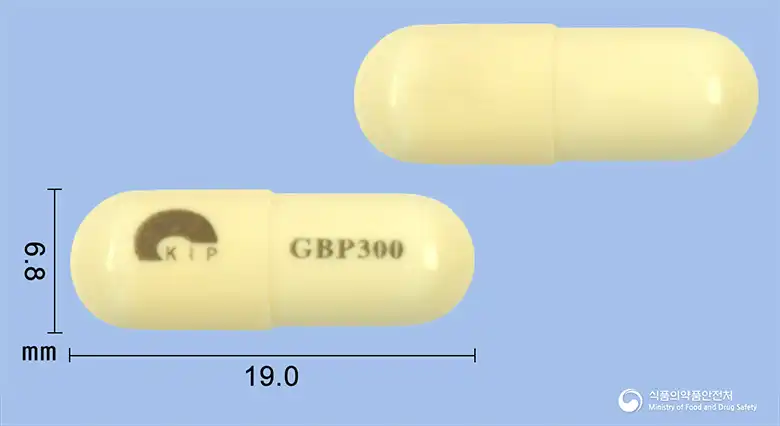
Gabapentin 300mg
Hard capsule · Prescription medication
Kunil Pharmaceutical Co., Ltd.
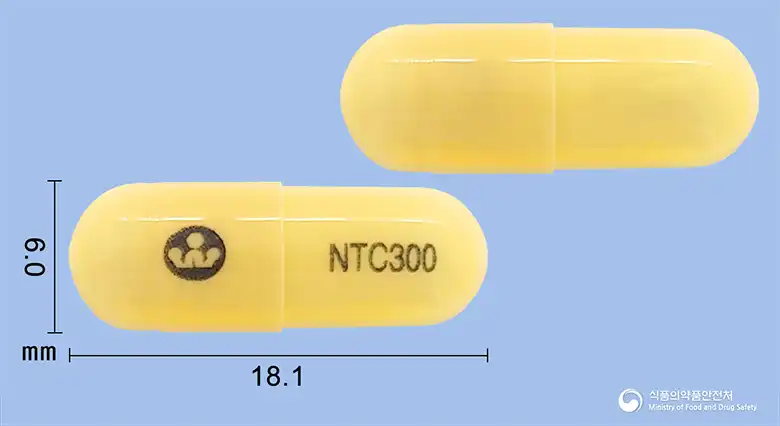
Gabapentin 300mg
Hard capsule · Prescription medication
Hanwin Pharmaceutical Co., Ltd.
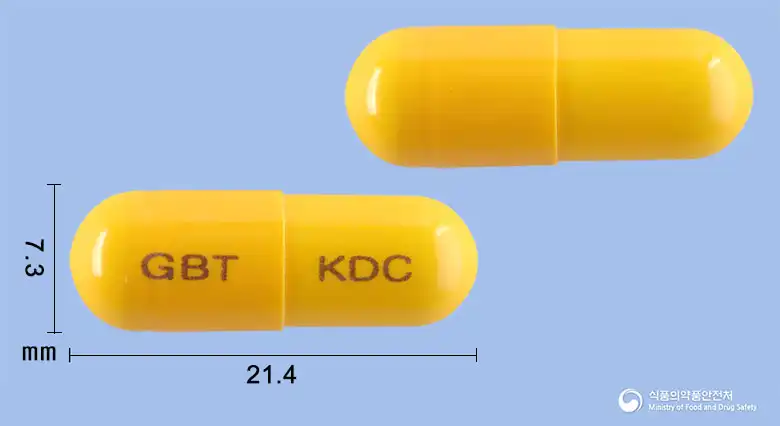
Gabapentin 400mg
Hard capsule · Prescription medication
Korea Pharmaceutical Co., Ltd.
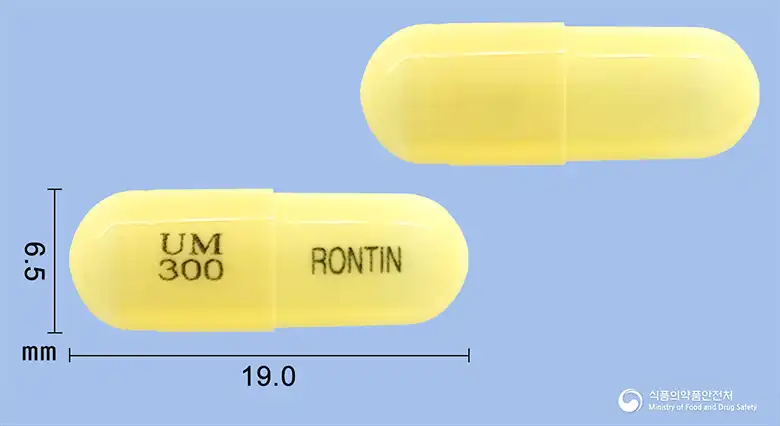
Gabapentin 300mg
Hard capsule · Prescription medication
Unimed Pharmaceuticals Co., Ltd.
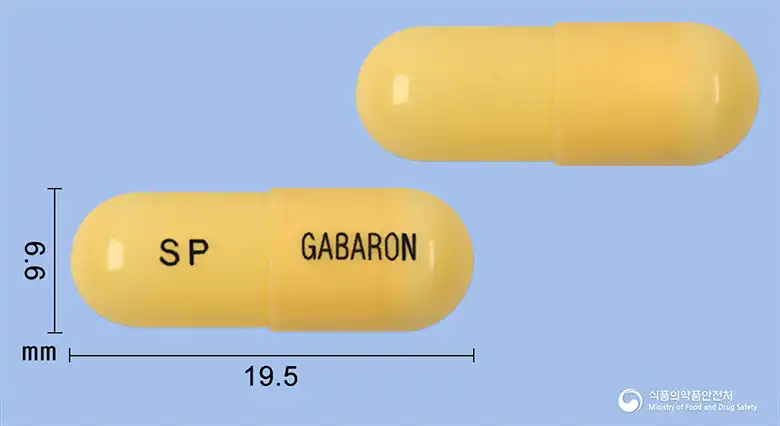
Gabapentin 300mg
Hard capsule · Prescription medication
Shinpoong Pharmaceutical Co., Ltd.
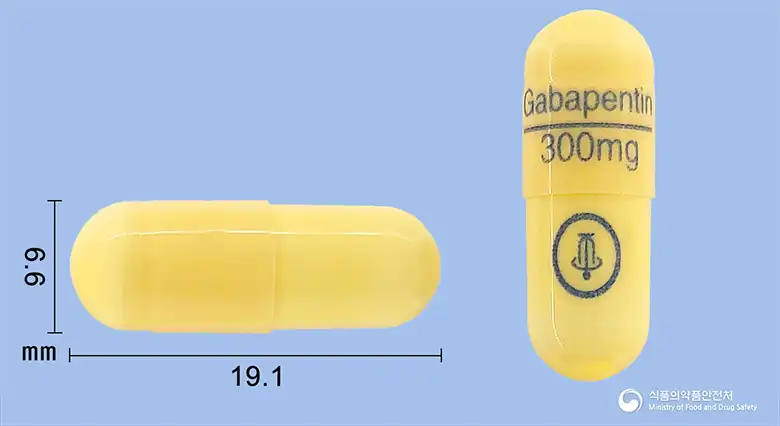
Gabapentin 300mg
Hard capsule · Prescription medication
Kwangdong Pharmaceutical Co., Ltd.
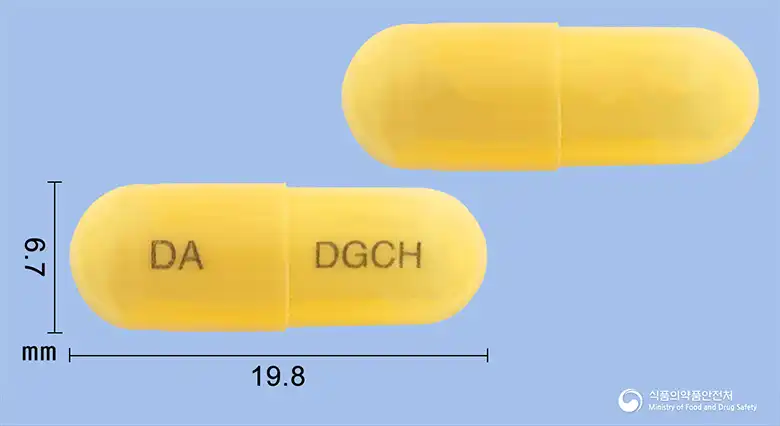
Gabapentin 300mg
Hard capsule · Prescription medication
Dong-A ST Co., Ltd.
Even with the same ingredient, the dose and directions can differ by strength and dosage form. Talk to a doctor or pharmacist before switching from a medication you are already taking.
No questions yet.
For anything that needs medical judgment, consult a doctor or pharmacist.
This drug information is based on data provided by the Korea Ministry of Food and Drug Safety.
Consult a doctor or pharmacist for accurate dosage, administration, and usage instructions.