
 한국어
한국어 English
 日本語
日本語 中文(简体)
 Viewing now
Daflozin 10mg (Dapagliflozin Anhydrous Mixture)
Dapagliflozin Anhydrous Lactose Mixture 15.27mg
Tablet · Prescription medication
PAMGEN Science Co., Ltd.
MFDS item code 202005376 · Approved 2020.07.23 · Insurance code 670105500
Blood sugar control in type 2 diabetes and prevention of cardiovascular events
This medication is used to help control blood sugar levels in patients with type 2 diabetes. It may be administered alone or in combination with other medications alongside diet and exercise guidelines. It is particularly administered in patients with cardiovascular disease or risk factors who do not have sufficiently controlled blood sugar, taking into account safety and efficacy. This treatment helps to improve blood sugar control, ultimately aiding in diabetes management.
The recommended dosage of this medication for monotherapy and as an adjunct to other hypoglycemic agents such as insulin is 10 mg once daily. When used as initial combination therapy in patients with no previous experience with diabetes medication, the dosage is 5 mg or 10 mg once daily when administered with metformin. This medication can be taken orally once daily at any time regardless of food intake. Tablets should be swallowed whole.
The efficacy and safety of dapagliflozin in children under 18 years of age have not been established. There are no relevant data.
This medication should not be administered to certain patients. Patients with allergies to the main ingredient or excipients should not use this drug. It should not be administered to patients with type 1 diabetes or diabetic ketoacidosis. Patients with genetic lactose intolerance should not take this medication due to the presence of anhydrous lactose. Patients undergoing dialysis should also refrain from using this drug. This medication should be administered with caution to patients with decreased fluid volume or impaired kidney function. It may cause decreased blood pressure or worsening of kidney function; therefore, elderly patients with diminished renal function or those taking diuretics should be particularly careful. Fluid status and kidney function should be evaluated before administration, and symptoms of hypotension and kidney function should be continuously monitored after administration. This drug contains pigments Yellow No. 4 and Yellow No. 5, so patients with allergies or hypersensitivity to these components should use it cautiously. The most common side effect of this medication is genital infections, which may occur more frequently in females. Urinary tract infections may also occur relatively frequently, and appropriate treatment is needed when infection symptoms appear. Hypoglycemia may primarily occur when used in conjunction with hypoglycemic agents such as insulin or sulfonylureas, thus requiring dose adjustments when used together with these drugs. Dehydration or symptoms related to hypotension may occur due to a decrease in fluid volume, so patients at risk of dehydration should manage their hydration status carefully. Although diabetic ketoacidosis as a severe metabolic disorder may rarely occur, immediate medical attention should be sought if symptoms such as vomiting, abdominal pain, or difficulty breathing arise. This drug can affect kidney function; thus, regular monitoring of kidney function test results is essential. A rare but serious infectious symptom known as perineal necrotizing fasciitis has been reported, so if pain, swelling, or redness appears around the genital area, medical personnel should be notified immediately. Women who are pregnant or planning to become pregnant should not use this medication, and breastfeeding women should avoid taking it as well. The safety and efficacy for children have not been established; therefore, it should not be used in pediatric patients. There are no specific antidotes in case of overdose, so appropriate treatment should be sought based on symptoms. This medication does not significantly impact driving or operating machinery; however, caution is needed if there is a risk of hypoglycemia. This drug should be stored safely and kept out of reach of children.
Hives, severe swelling (edema), sweating, severe rash accompanied by high fever, blisters, skin peeling, pain in the oral/ocular mucosa, difficulty breathing or shortness of breath, asthma attacks, respiratory issues accompanied by cough and fever, jaundice characterized by yellowing of the skin or eyes, severe malaise, sudden and severe headache, thunderclap headache, seizures, confusion of consciousness, vision changes, paralysis, significantly decreased urine output, severe swelling of the whole body.
Not everyone experiences these, and they can vary from person to person.
This medication may be sensitive to air or moisture, thus it should be stored in a tightly closed container. Additionally, avoid storing it in excessively hot or cold places and maintain a temperature between 1 and 30 degrees Celsius.
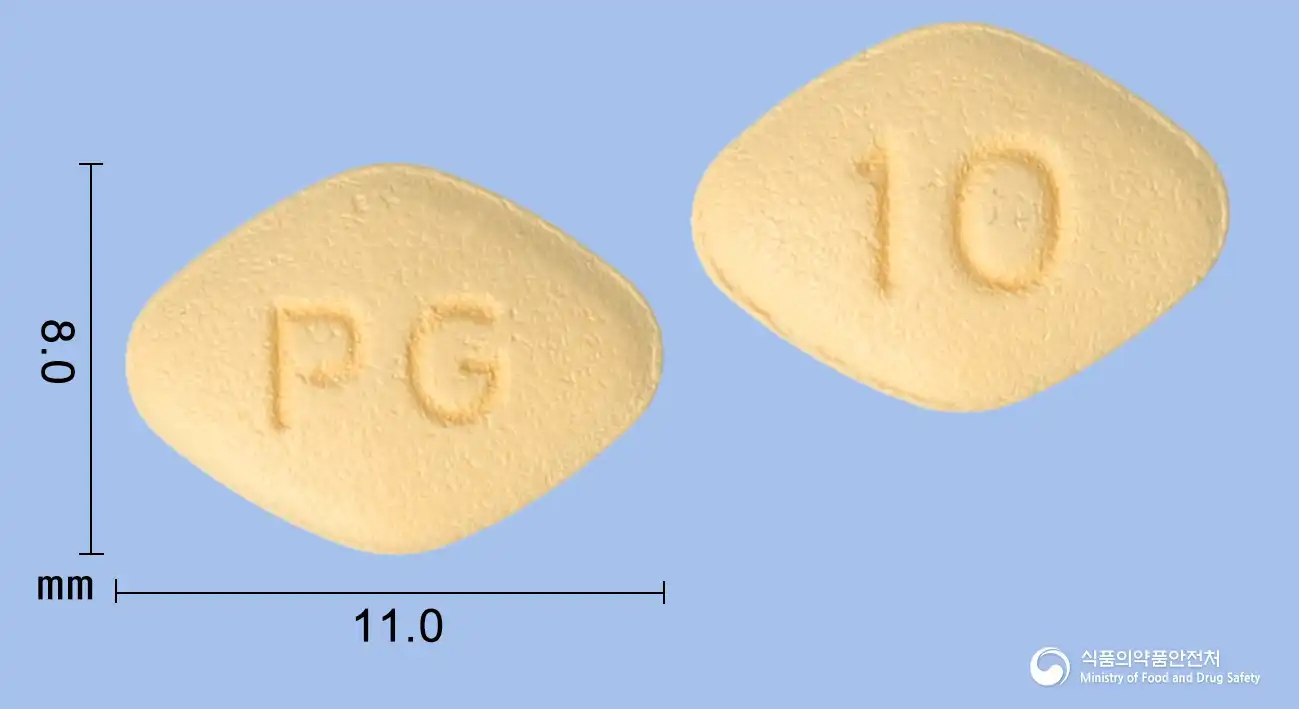
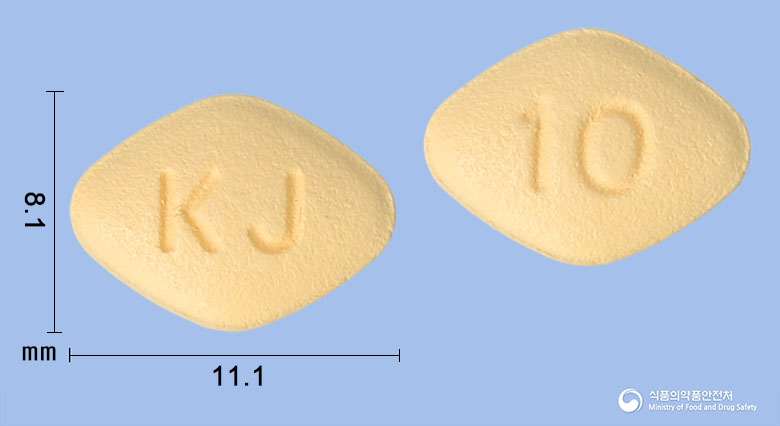
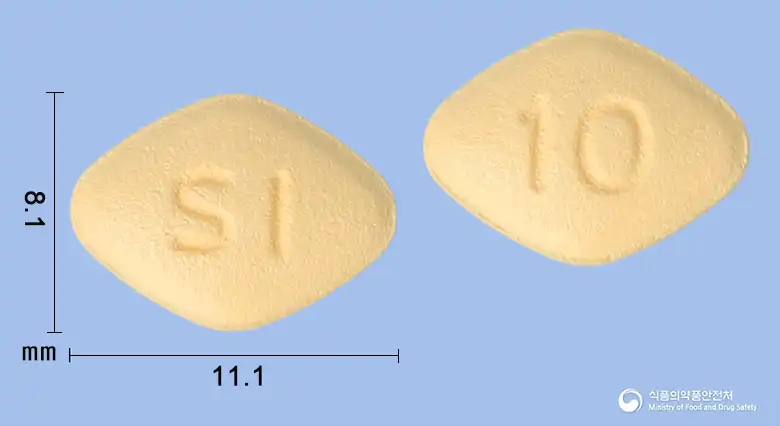
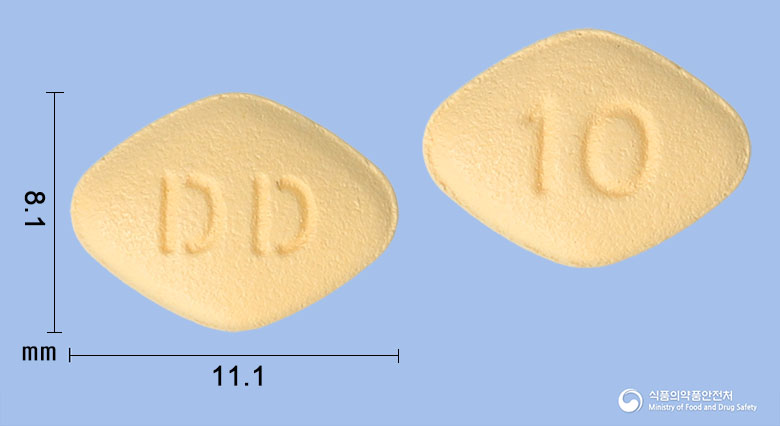
Yellow, double-convex, diamond-shaped film-coated tablets
28 tablets/box [14 tablets/PTP×2]
Even with the same ingredient, strength, dosage form and how it is taken can differ.
Viewing nowDapagliflozin Anhydrous Lactose Mixture 15.27mg
Tablet · Prescription medication
PAMGEN Science Co., Ltd.
Dapagliflozin Anhydrous Lactose Mixture 7.635mg
Tablet · Prescription medication
International Pharmaceuticals Co., Ltd.
Dapagliflozin Anhydrous Lactose Mixture 15.27mg
Tablet · Prescription medication
International Pharmaceutical Co., Ltd.
Dapagliflozin Anhydrous Lactose Mixture 7.635mg
Tablet · Prescription medication
Shinil Pharmaceutical Co., Ltd.
Dapagliflozin Anhydrous Lactose Mixture 15.27mg
Tablet · Prescription medication
Sinil Pharmaceutical Co., Ltd.
Dapagliflozin Anhydrous Lactose Mixture 7.635mg
Tablet · Prescription medication
Dongwha Pharmaceutical Co., Ltd.
Dapagliflozin Anhydrous Lactose Mixture 15.27mg
Tablet · Prescription medication
Donghwa Pharmaceutical Co., Ltd.
Dapagliflozin Anhydrous Lactose Mixture 7.635mg
Tablet · Prescription medication
Albozen Korea Co., Ltd.
Even with the same ingredient, the dose and directions can differ by strength and dosage form. Talk to a doctor or pharmacist before switching from a medication you are already taking.
No questions yet.
For anything that needs medical judgment, consult a doctor or pharmacist.
This drug information is based on data provided by the Korea Ministry of Food and Drug Safety.
Consult a doctor or pharmacist for accurate dosage, administration, and usage instructions.