
 한국어
한국어 English
 日本語
日本語 中文(简体)
Dosage form image
Viewing nowGliflo Tablet 5mg (Dapagliflozin Anhydrous Milk Sugar Mixture)
Dapagliflozin Anhydrous Lactose Mixture 7.635mg
Tablet · Prescription medication
Daewoo Pharmaceutical Co., Ltd.
MFDS item code 202005372 · Approved 2020.07.23
This product's status changed to Expired on 2025.07.23. It may no longer be sold, so consult a doctor or pharmacist before taking it.
Effect of blood glucose control in type 2 diabetes and prevention of cardiovascular events
This medication is used in conjunction with diet and exercise to help control blood glucose in patients with type 2 diabetes. It can be prescribed alone or in combination with other medications for patients whose blood glucose is not adequately controlled. Special attention is needed for patients with type 2 diabetes who have cardiovascular disease or risk factors for the occurrence of cardiovascular events. It should be used safely according to the information from clinical trials by experts, and it helps improve diabetes symptoms through healthy blood glucose management.
The recommended dosage for this medication for use as monotherapy and as an add-on therapy with other blood glucose-lowering agents such as insulin is 10 mg once daily. In cases of initial combination therapy in patients who have not previously had diabetes medication treatment, the dosage can be 5 mg once daily or 10 mg once daily when administered in combination with metformin. The method of administration is oral, at any time of the day regardless of food intake, and the tablet should be swallowed whole.
The efficacy and safety of dapagliflozin in children under 18 years have not been established. There are no relevant data.
This medication should not be used by patients who are allergic to the active ingredient or excipients. It should not be administered to patients with type 1 diabetes or diabetic ketoacidosis. Since it contains anhydrous lactose, patients with genetic metabolic disorders such as galactose intolerance, lactase deficiency, or glucose-galactose malabsorption should not take this medication. This medication is also not used in patients undergoing dialysis. Caution is needed when this medication is administered to patients with fluid volume depletion or renal impairment. This medication may cause symptomatic hypotension or rapid changes in renal function due to reduced intravascular blood volume. In particular, patients with impaired kidney function, elderly patients, and those taking diuretics should carefully check and monitor their fluid status and renal function before and after administration. This medication contains Yellow No. 4 and Yellow No. 5 dyes, so patients with a history of allergy or hypersensitivity to these components need to be cautious. During the use of this medication, side effects such as genital infections, urinary tract infections, hypoglycemia, fluid volume depletion, diabetic ketoacidosis, and changes in renal function may occur, so immediate consultation with a physician is necessary if symptoms arise. In particular, diabetic ketoacidosis may occur even when blood glucose levels are not high, so swift testing is needed when there are symptoms such as vomiting, abdominal pain, or difficulty breathing. The risk of hypoglycemia may increase when this medication is used in conjunction with hypoglycemic agents such as insulin or sulfonylureas, making adjustment of the dosage for these medications necessary. Pregnant or breastfeeding women should avoid taking this medication and should discontinue it immediately if pregnancy is confirmed. Elderly patients are at higher risk for renal impairment and fluid volume depletion, so more caution is needed when taking this medication. This medication does not significantly affect driving or operating machinery, but caution is needed as hypoglycemia symptoms may appear. The safety and efficacy of this medication in children have not been established, so it is not used in pediatric patients. In case of overdose, there is no specific antidote, so appropriate treatment should be provided based on the symptoms, and immediate visit to the hospital may be necessary.
Urticaria, severe swelling (edema), chest tightness, difficulty breathing, cold sweat, pallor, severe rash with high fever, blisters, skin peeling, pain in oral/eye mucosa, breathlessness or difficulty breathing, asthma attacks, respiratory abnormalities accompanied by cough and fever, yellowing of skin or eyes (jaundice), severe lethargy, sudden and severe headache, thunderclap headache, seizures, confusion of consciousness, visual disturbances, paralysis, urination
Vulvovaginitis, balanitis and related genital infections, urinary tract infections, fungal infections, hypoglycemia, dizziness, constipation, dry mouth, back pain, dysuria, polyuria, nocturia, interstitial nephritis, increased hematocrit, decreased renal creatinine clearance at the start of treatment, dyslipidemia, increased serum creatinine, increased blood urea, weight loss, urticaria, cold sweat, itching, cough, shortness of breath, palpitations, insomnia, fatty liver, bile
Not everyone experiences these, and they can vary from person to person.
This medication should be stored in a tightly closed container to prevent exposure to air or moisture. It should be kept at room temperature between 1 and 30 degrees Celsius, away from excessively hot or cold locations.
Yellow, double-sided, convex, film-coated tablet
28 tablets/box (14 tablets/PTP X 2, 7 tablets/PTP X 4)
Even with the same ingredient, strength, dosage form and how it is taken can differ.
Dapagliflozin Anhydrous Lactose Mixture 7.635mg
Tablet · Prescription medication
Daewoo Pharmaceutical Co., Ltd.
Dapagliflozin Anhydrous Lactose Mixture 7.635mg
Tablet · Prescription medication
International Pharmaceuticals Co., Ltd.
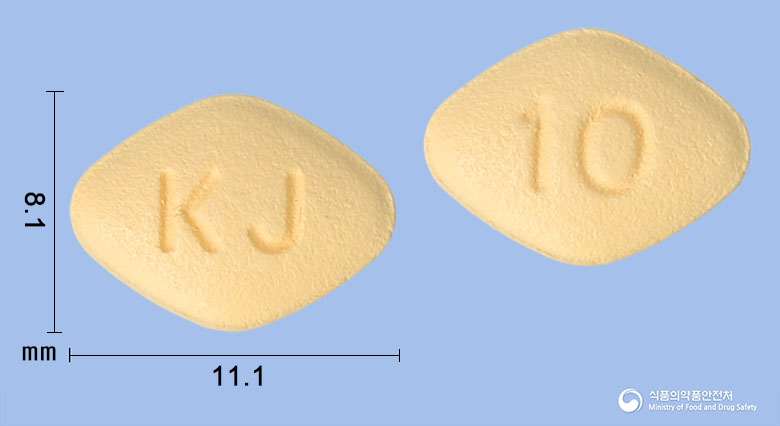
Dapagliflozin Anhydrous Lactose Mixture 15.27mg
Tablet · Prescription medication
International Pharmaceutical Co., Ltd.
Dapagliflozin Anhydrous Lactose Mixture 7.635mg
Tablet · Prescription medication
Shinil Pharmaceutical Co., Ltd.
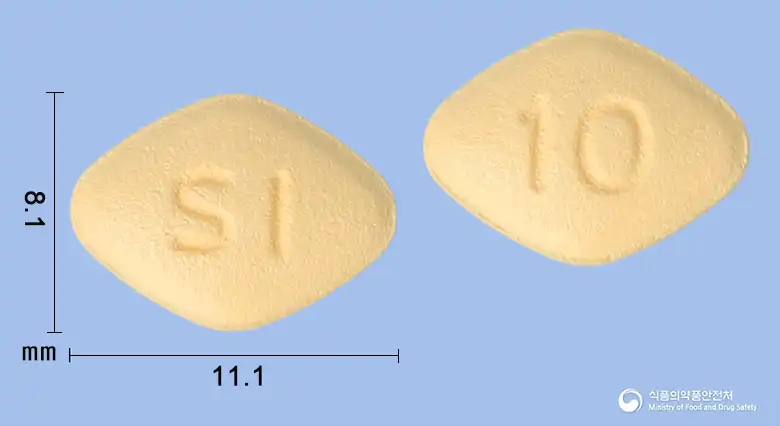
Dapagliflozin Anhydrous Lactose Mixture 15.27mg
Tablet · Prescription medication
Sinil Pharmaceutical Co., Ltd.
Dapagliflozin Anhydrous Lactose Mixture 7.635mg
Tablet · Prescription medication
Dongwha Pharmaceutical Co., Ltd.
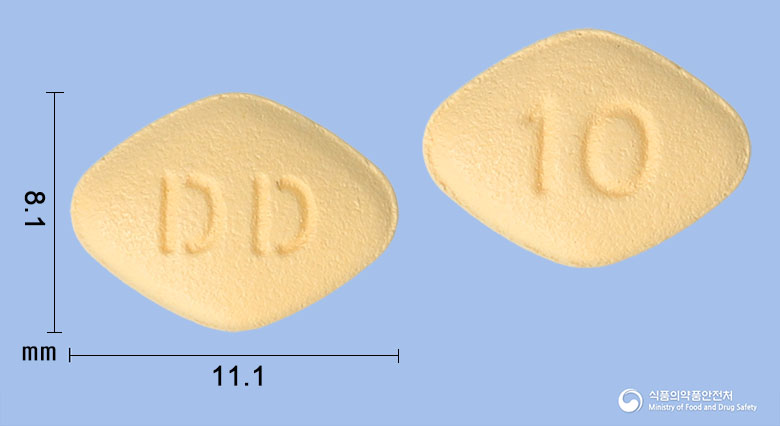
Dapagliflozin Anhydrous Lactose Mixture 15.27mg
Tablet · Prescription medication
Donghwa Pharmaceutical Co., Ltd.
Dapagliflozin Anhydrous Lactose Mixture 7.635mg
Tablet · Prescription medication
Albozen Korea Co., Ltd.
Even with the same ingredient, the dose and directions can differ by strength and dosage form. Talk to a doctor or pharmacist before switching from a medication you are already taking.
No questions yet.
For anything that needs medical judgment, consult a doctor or pharmacist.
This drug information is based on data provided by the Korea Ministry of Food and Drug Safety.
Consult a doctor or pharmacist for accurate dosage, administration, and usage instructions.