
 한국어
한국어 English
 日本語
日本語 中文(简体)
 Viewing now
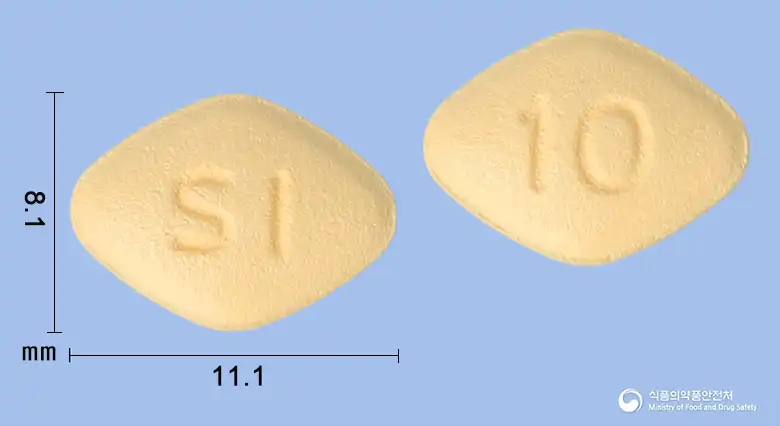
Posigly Tablet 10 mg (Dapagliflozin Monohydrate Mixture)
Dapagliflozin Anhydrous Lactose Mixture 15.27mg
Tablet · Prescription medication
Sinil Pharmaceutical Co., Ltd.
MFDS item code 202005321 · Approved 2020.07.23 · Insurance code 653806070
Treatment for blood sugar control in type 2 diabetes and reduction of cardiovascular risks in chronic heart failure and kidney disease
This medication is used to help control blood sugar in patients with type 2 diabetes and to reduce the risk of cardiovascular events in patients with cardiovascular disease or risk factors. It also lowers the risk of death due to cardiovascular disease and hospitalization or emergency visits due to heart failure in patients with chronic heart failure, and is administered in conjunction with other heart failure treatments. Additionally, in patients with chronic kidney disease, it helps maintain kidney health by reducing the risk of worsening kidney function, end-stage kidney disease, and cardiovascular-related mortality. This medication is used in conjunction with standard treatments for each condition to improve the overall health status of patients.
The recommended dosage for this medication is 10 mg once daily for monotherapy and additional combination therapy. In initial combination therapy, it is 5 mg or 10 mg once daily. For patients with chronic heart failure and chronic kidney disease, 10 mg once daily is also recommended. For patients with severe liver impairment, a starting dose of 5 mg is recommended, and if well tolerated, it can be increased to 10 mg. This medication can be taken once daily at any time of the day, regardless of food intake.
The efficacy and safety of dapagliflozin in pediatric patients under 18 years of age have not been established. There is no relevant data.
This medication should not be used in patients with an allergy to the active ingredient or any additives. It should also not be administered to patients with type 1 diabetes or diabetic ketoacidosis. This medication contains anhydrous lactose; thus, patients with hereditary problems such as lactase deficiency or galactose intolerance should not take it. This medication is not for patients undergoing dialysis. Caution is required for patients with reduced fluid volume or kidney dysfunction when using this medication. This medication can lower blood pressure and poses a risk of acute kidney injury, so kidney function and blood pressure status should be regularly monitored. Elderly patients or those taking diuretics are at higher risk for reduced fluid volume and hypotension, so they need to be monitored carefully. This medication contains Yellow No. 4 and Yellow No. 5 dyes, so patients allergic to these components should use it cautiously. During treatment with this medication, symptoms such as genital infections, urinary tract infections, hypoglycemia, reduced fluid volume, and diabetic ketoacidosis may occur, so symptoms should be observed closely. Diabetic ketoacidosis can occur even when blood sugar levels are within the normal range; thus, if symptoms like dehydration, vomiting, abdominal pain, or difficulty breathing manifest, immediate consultation with healthcare professionals is necessary. There is limited experience using this medication in patients with severely impaired liver function, so caution is required in liver disease patients. When used with blood sugar-lowering agents like insulin or sulfonylureas, the risk of hypoglycemia may increase, necessitating dosage adjustments. It is recommended that women who are pregnant or breastfeeding do not take this medication, and it should be discontinued immediately if pregnancy is confirmed. The safety and efficacy of this medication in pediatric patients have not been established, so it is not used in pediatric patients. In case of overdose, because there is no specific antidote, it is important to receive symptomatic treatment, and caution should be taken for symptoms of dehydration or hypotension. This medication does not significantly affect the ability to drive or operate machinery, but caution is necessary for possible hypoglycemia symptoms. Finally, this medication should be kept out of the reach of children and stored in its original container to maintain quality.
Rash, severe swelling (edema), chest tightness, difficulty breathing, cold sweats, pallor, severe rash with high fever, blisters, skin peeling, pain in mouth/eyes mucosa, shortness of breath or difficulty breathing, asthma attack, respiratory abnormalities with cough + fever, yellowing of skin or eyes (jaundice), profound lethargy, sudden and severe headache, lightning headache, seizures, confusion of consciousness, vision disturbances, paralysis, urination
Vulvitis, balanitis and related genital infections, urinary tract infections, fungal infections, hypoglycemia, dizziness, constipation, dry mouth, back pain, dysuria, polyuria, nocturia, interstitial nephritis, increased hematocrit, initial treatment-related decrease in kidney creatinine clearance, dyslipidemia, increased blood creatinine, increased blood urea, weight loss, thirst, indigestion, nausea, diarrhea, vomiting, itching, rash, sweating, asthenia,
Not everyone experiences these, and they can vary from person to person.
This medication should be stored in a tightly sealed container to protect from air and moisture. The recommended storage temperature is between 1 degree and 30 degrees Celsius. Proper storage will help maintain the medication's efficacy and safety.
Yellow, double-convex, diamond-shaped film-coated tablet
28 tablets/box [14 tablets/PTP x 2], 30 tablets/bottle
Even with the same ingredient, strength, dosage form and how it is taken can differ.
Viewing nowDapagliflozin Anhydrous Lactose Mixture 15.27mg
Tablet · Prescription medication
Sinil Pharmaceutical Co., Ltd.
Dapagliflozin Anhydrous Lactose Mixture 7.635mg
Tablet · Prescription medication
International Pharmaceuticals Co., Ltd.
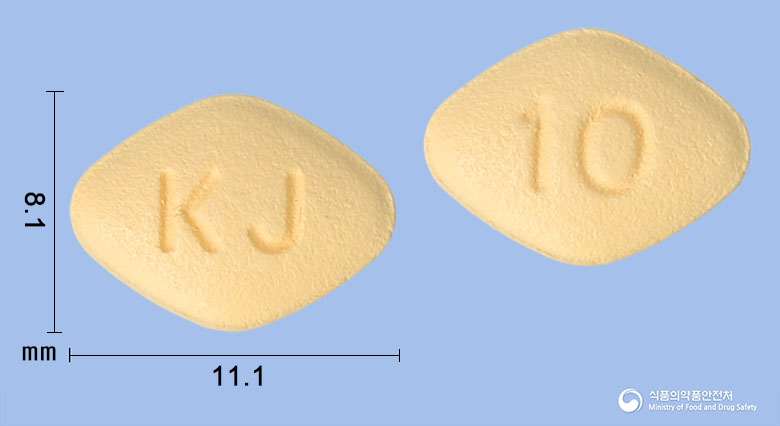
Dapagliflozin Anhydrous Lactose Mixture 15.27mg
Tablet · Prescription medication
International Pharmaceutical Co., Ltd.
Dapagliflozin Anhydrous Lactose Mixture 7.635mg
Tablet · Prescription medication
Shinil Pharmaceutical Co., Ltd.
Dapagliflozin Anhydrous Lactose Mixture 7.635mg
Tablet · Prescription medication
Dongwha Pharmaceutical Co., Ltd.
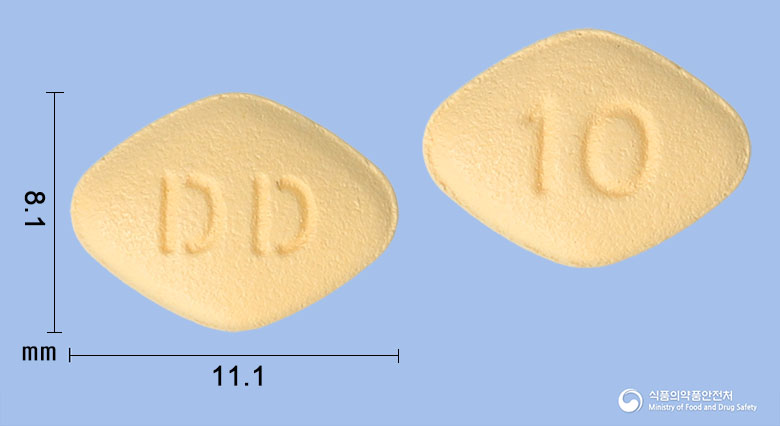
Dapagliflozin Anhydrous Lactose Mixture 15.27mg
Tablet · Prescription medication
Donghwa Pharmaceutical Co., Ltd.
Dapagliflozin Anhydrous Lactose Mixture 7.635mg
Tablet · Prescription medication
Albozen Korea Co., Ltd.
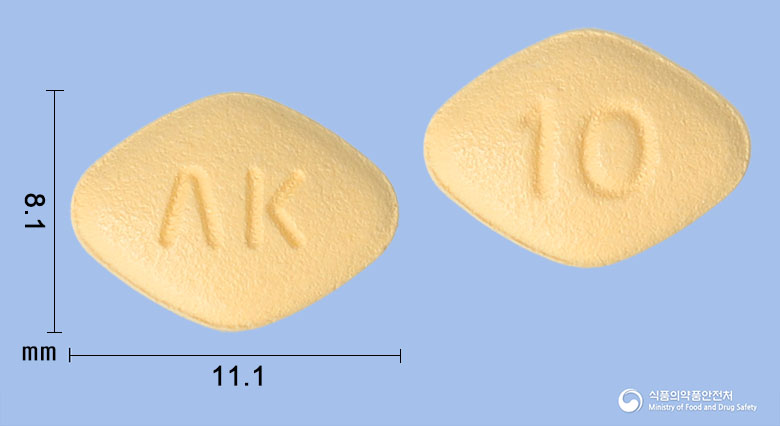
Dapagliflozin Anhydrous Lactose Mixture 15.27mg
Tablet · Prescription medication
AlboGen Korea Co., Ltd.
Even with the same ingredient, the dose and directions can differ by strength and dosage form. Talk to a doctor or pharmacist before switching from a medication you are already taking.
No questions yet.
For anything that needs medical judgment, consult a doctor or pharmacist.
This drug information is based on data provided by the Korea Ministry of Food and Drug Safety.
Consult a doctor or pharmacist for accurate dosage, administration, and usage instructions.