
 한국어
 English
 日本語
 中文(简体)
Dosage form image
Viewing nowCrescenta Injection 200 mg (Isavuconazonium Sulfate)
Isavuconazonium sulphate 372.6mg
Injections · Prescription medication
Pfizer Korea Co., Ltd.
MFDS item code 202000446 · Approved 2020.01.29
Treatment of invasive aspergillosis and mucormycosis in adults
This medication is used in adults aged 18 and over for the treatment of invasive aspergillosis and invasive mucormycosis when amphotericin B administration is not appropriate.
1. Loading dose The recommended loading dose is 1 vial (equivalent to 200 mg of isavuconazole) every 8 hours during the first 48 hours, after reconstitution and dilution (a total of 6 doses). 2. Maintenance dose The recommended maintenance dose begins 12-24 hours after the last loading dose and is 1 reconstituted and diluted vial (equivalent to 200 mg of isavuconazole) once daily. The duration of treatment should be determined according to clinical response. For long-term treatment exceeding 6 months, the benefits and risks should be carefully considered. 3. Switching to oral isavuconazole This medicine is also available as hard capsules containing 100 mg of isavuconazole. When administering oral isavuconazole, administer 2 capsules (equivalent to 200mg of isavuconazole). Because oral bioavailability is high (98%), switching between intravenous and oral administration is appropriate when clinically necessary. 4. Renal impairment No dose adjustment is required in patients with renal impairment, including those with end-stage renal disease. 5. Hepatic impairment No dose adjustment is required in patients with mild or moderate hepatic impairment (Child-Pugh class A and B). This medicine has not been studied in patients with severe hepatic impairment (Child-Pugh class C). 6. Method of administration For intravenous use. To reduce the risk of infusion-related reactions, after reconstitution this medicine should be diluted to a concentration equivalent to approximately 0.8 mg/mL of isavuconazole and administered by intravenous infusion over at least 1 hour. It should be administered using an infusion set with an in-line filter made of polyethersulfone (PES), with a microporous membrane pore size of 0.2μm-1.2μm. This medicine should be administered only by intravenous infusion.
This medication should not be used in patients who are allergic to certain ingredients. This medication may affect liver function, so caution is required in patients with liver disease or abnormal liver function tests. It is safest not to administer this medication to patients with heart-related conditions, especially those with familial short QT syndrome. Caution should be taken regarding interactions with other medications, particularly when used in combination with certain antifungals, antivirals, anticonvulsants, etc. During treatment, regular liver function tests and blood tests should be conducted, and if adverse reactions occur, immediate consultation with medical personnel is necessary. Upon injection, infusion-related reactions such as hypotension, shortness of breath, and headache may occur, and administration should be discontinued if symptoms arise. This medication is not recommended for use in pregnant or breastfeeding women, and it is especially advisable to discontinue use while breastfeeding. The safety and efficacy of this medication for children or adolescents under 18 years of age have not been established, and caution is needed in their use. Dosage adjustment is not necessary for the elderly or patients with renal impairment, but it is not recommended for patients with severe liver impairment. In case of an overdose, there is no specific antidote, and appropriate treatment is necessary based on symptoms; this medication is not removed by hemodialysis. This medication should be prepared and administered in a sterile condition, and should be used within a specified time after dilution. Caution is advised as symptoms such as confusion, drowsiness, and dizziness may occur while driving or operating machinery.
Increased liver enzyme levels, nausea, vomiting, difficulty breathing, abdominal pain, diarrhea, injection site reactions, headache, hypokalemia, rash, confusion, acute renal failure, increased serum bilirubin, seizures, epilepsy, respiratory failure, neutropenia, thrombocytopenia, pancytopenia, leukopenia, anemia, hypersensitivity, anaphylactic reactions, hypomagnesemia, hypoglycemia, hypoalbuminemia, malnutrition, delirium, depression, insomnia, drowsiness, fainting, dizziness, sensory abnormalities, encephalopathy, syncope, peripheral neuropathy, dysgeusia, vertigo, atrial fibrillation, tachycardia, bradycardia, palpitations, atrial flutter, shortened QT interval on electrocardiogram, ventricular tachycardia, ventricular ectopic beats, ventricular extrasystoles, thrombophlebitis, circulatory collapse, hypotension, acute respiratory failure, bronchospasm, rapid breathing, hemoptysis, epistaxis, indigestion, constipation, abdominal bloating, hepatomegaly, hepatitis, itching, petechiae, hair loss, drug rash, dermatitis, back pain, renal failure, chest pain, fatigue, peripheral edema, malaise, asthenia, hypotension, dizziness, attention deficit, dry mouth, facial flushing, anxiety, restlessness, palpitations, photophobia, arthralgia
Not everyone experiences these, and they can vary from person to person.
This medication should be stored in a sealed container to prevent contact with air, and it is important to keep it refrigerated between 2 and 8 degrees Celsius to maintain freshness and efficacy.
A white to yellow powder in a colorless and transparent vial for injection
1 vial/box
Even with the same ingredient, strength, dosage form and how it is taken can differ.
Isavuconazonium sulphate 372.6mg
Injections · Prescription medication
Pfizer Korea Co., Ltd.
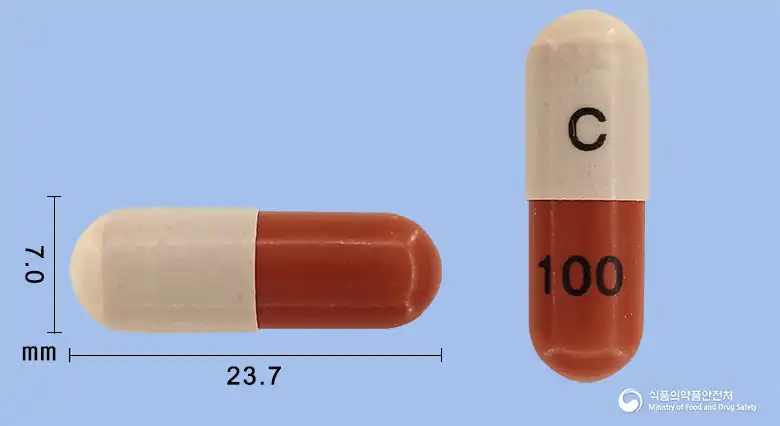
Isavuconazonium sulphate 186.3mg
Hard capsule · Prescription medication
Pfizer Korea Co., Ltd.
Even with the same ingredient, the dose and directions can differ by strength and dosage form. Talk to a doctor or pharmacist before switching from a medication you are already taking.
No questions yet.
For anything that needs medical judgment, consult a doctor or pharmacist.
This drug information is based on data provided by the Korea Ministry of Food and Drug Safety.
Consult a doctor or pharmacist for accurate dosage, administration, and usage instructions.