
 한국어
 English
 日本語
 中文(简体)
 Viewing now
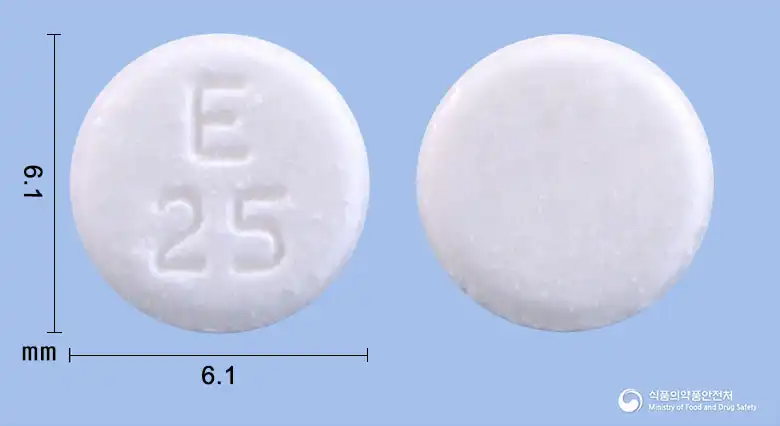
Sertirobel Tablet 0.25 mg (Everolimus)
Everolimus 0.25mg
Tablet · Prescription medication
Korea Chungkundang Co., Ltd.
MFDS item code 201904234 · Approved 2019.06.18 · Insurance code 643308330
Prevention of organ rejection after kidney, heart, and liver transplantation
This medication is used to prevent organ rejection in adult patients who have received kidney and heart transplants. It is also administered to prevent rejection after liver transplants. In kidney and heart transplant cases, it is used in conjunction with a microemulsion formulation of cyclosporine and corticosteroids, while in liver transplants, it is administered alongside tacrolimus and corticosteroids. This drug helps protect the function of the transplanted organ and effectively prevents rejection.
Kidney and heart transplant patients: Administer an initial dose of 0.75mg orally twice daily (total daily dose 1.5mg) as soon as possible after transplantation. Liver transplant patients: Administer an initial dose of 1.0mg orally twice daily (total daily dose 2.0mg) at approximately 4 weeks after transplantation. The daily dose of this medicine should consistently be administered either with food or on an empty stomach, in 2 divided doses, and in combination with microemulsion-formulation cyclosporine or tacrolimus. For oral use only. Swallow whole with water; do not crush before administration. Patients with hepatic impairment: In mild hepatic impairment (Child-Pugh Class A), reduce the dose to approximately 2/3 of the usual dose. In patients with moderate hepatic impairment (Child-Pugh B), reduce the dose to approximately 1/2 of the usual dose. In patients with severe hepatic impairment (Child-Pugh C), reduce the dose to approximately 1/3 of the usual dose. Examples of dose reductions in patients with hepatic impairment are as follows. - Kidney and heart transplant: 0.75 mg twice daily → 0.5 mg (mild) → 0.5 mg (moderate) → 0.25 mg (severe) - Liver transplant: 1 mg twice daily → 0.75 mg (mild) → 0.5 mg (moderate) → 0.5 mg (severe) Dose adjustments may be made at intervals of 4-5 days based on blood concentration, tolerability, individual patient response, changes in concomitant medications, and clinical circumstances. The dose should be adjusted through therapeutic drug monitoring. It is recommended that the trough concentration of everolimus in whole blood be maintained at 3.0ng/ml or higher. This medicine should be administered in combination with the usual dose of cyclosporine or tacrolimus. Close monitoring of renal function is required during concomitant use.
The safety and efficacy in children under 18 years of age have not been established.
As this drug suppresses the immune system, caution is necessary when used with other immunosuppressants as it may increase the risk of acute rejection. When used in conjunction with certain immunosuppressants or steroids, it may increase the risk of infections, and patients should consult their physician immediately if symptoms of infection appear. This drug can cause serious opportunistic infections; therefore, antibiotic treatment is recommended if necessary to prevent infections. This drug is metabolized in the liver; thus, patients with impaired liver function should periodically check their medication concentration and adjust the dose as needed. Drug interactions may occur when this drug is used in conjunction with certain antifungals, antibiotics, or antivirals, so all medications being taken should be disclosed to healthcare providers. This drug may increase the risk of developing malignant tumors, such as skin cancer or lymphoma, so it is important to minimize UV exposure and regularly monitor skin conditions. This drug can affect kidney function, so regular kidney function tests should be conducted, and extra caution is necessary when combined with medications that may cause kidney damage. During the use of this drug, blood pressure, blood sugar, and cholesterol levels may increase, necessitating regular health check-ups and appropriate treatment if needed. This drug may impact male reproductive function, so it is advisable to discuss the possibility of infertility with healthcare providers during long-term use. Women who are pregnant or planning to become pregnant should consult their physician before taking this drug, and breastfeeding women should avoid taking this drug. In case of overdose, seek medical attention immediately and ensure that this medication is taken whole according to the prescribed method.
Not everyone experiences these, and they can vary from person to person.
This drug is sensitive to air and moisture, so it should be stored in a tightly sealed container. It is also advisable to keep it in a cool place below 30 degrees Celsius and away from direct sunlight.
White to yellow round tablet
60 tablets (10 tablets/PTP x 6)
Even with the same ingredient, strength, dosage form and how it is taken can differ.
Viewing nowEverolimus 0.25mg
Tablet · Prescription medication
Korea Chungkundang Co., Ltd.
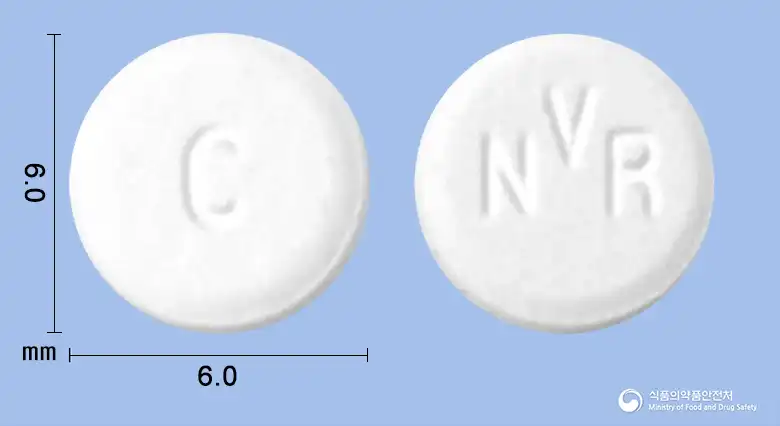
Everolimus 0.25mg
Tablet · Prescription medication
Korea Novartis Co., Ltd.
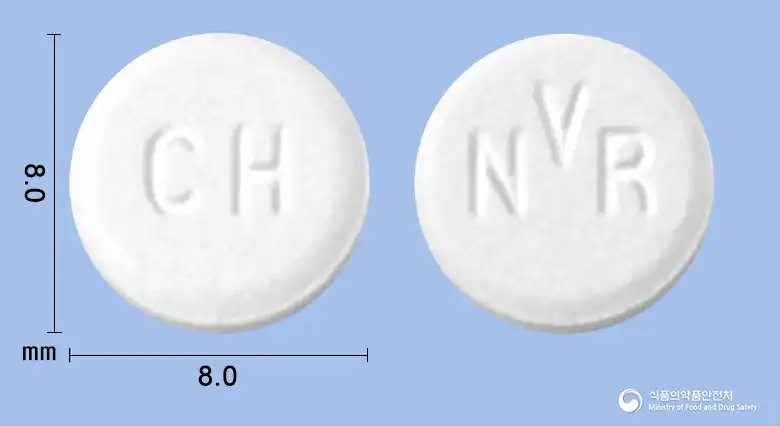
Everolimus 0.5mg
Tablet · Prescription medication
Korea Novartis Co., Ltd.
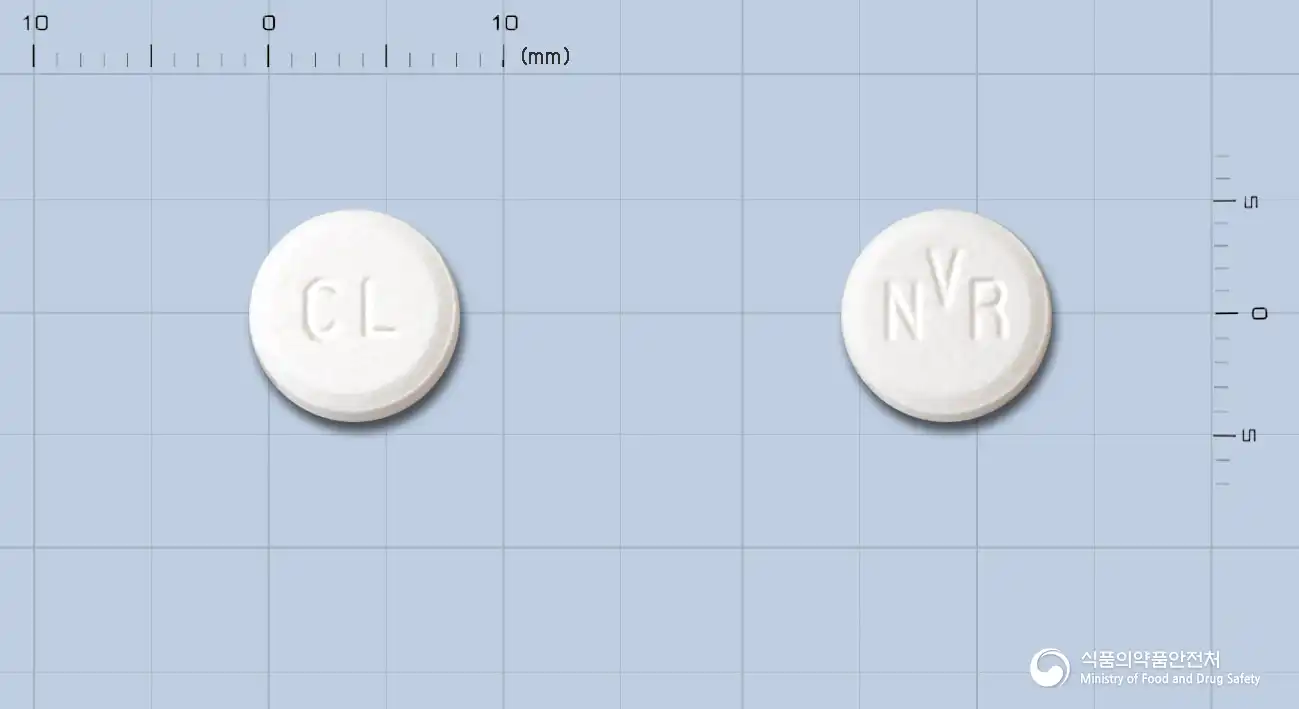
Everolimus 0.75mg
Tablet · Prescription medication
Novartis Korea Co., Ltd.
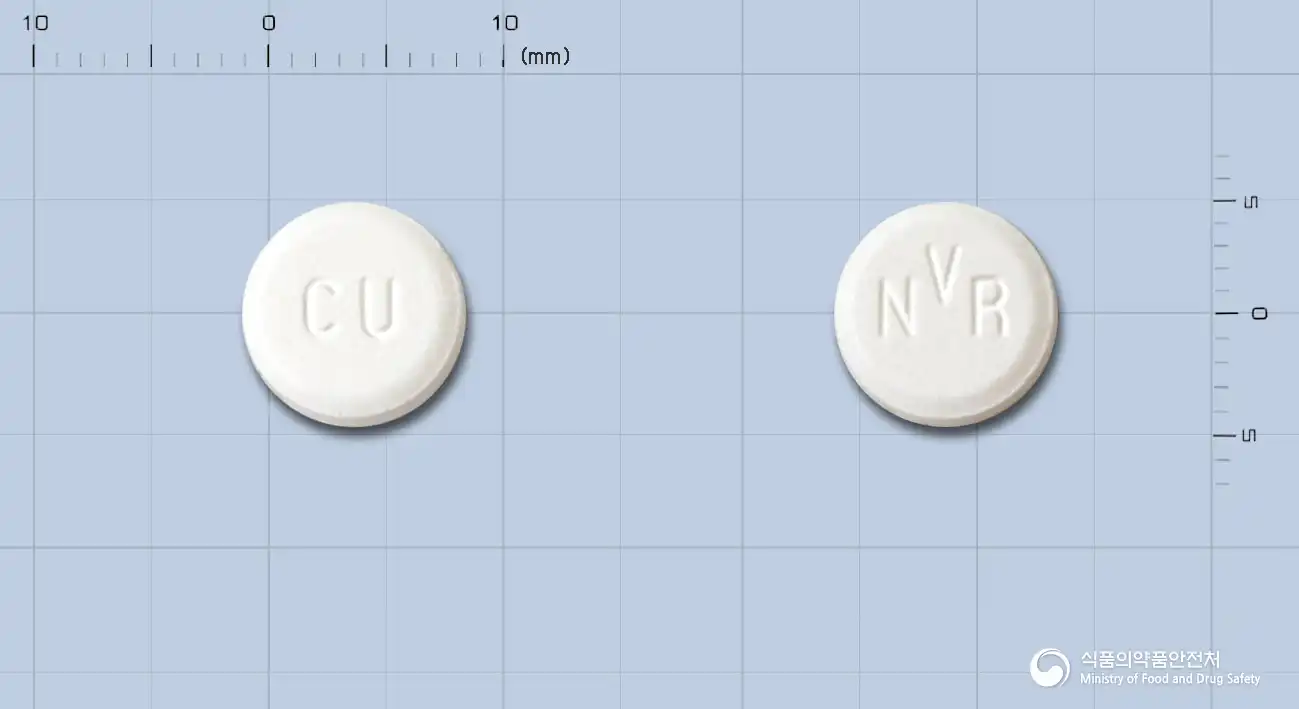
Everolimus 1mg
Tablet · Prescription medication
Novartis Korea Co., Ltd.
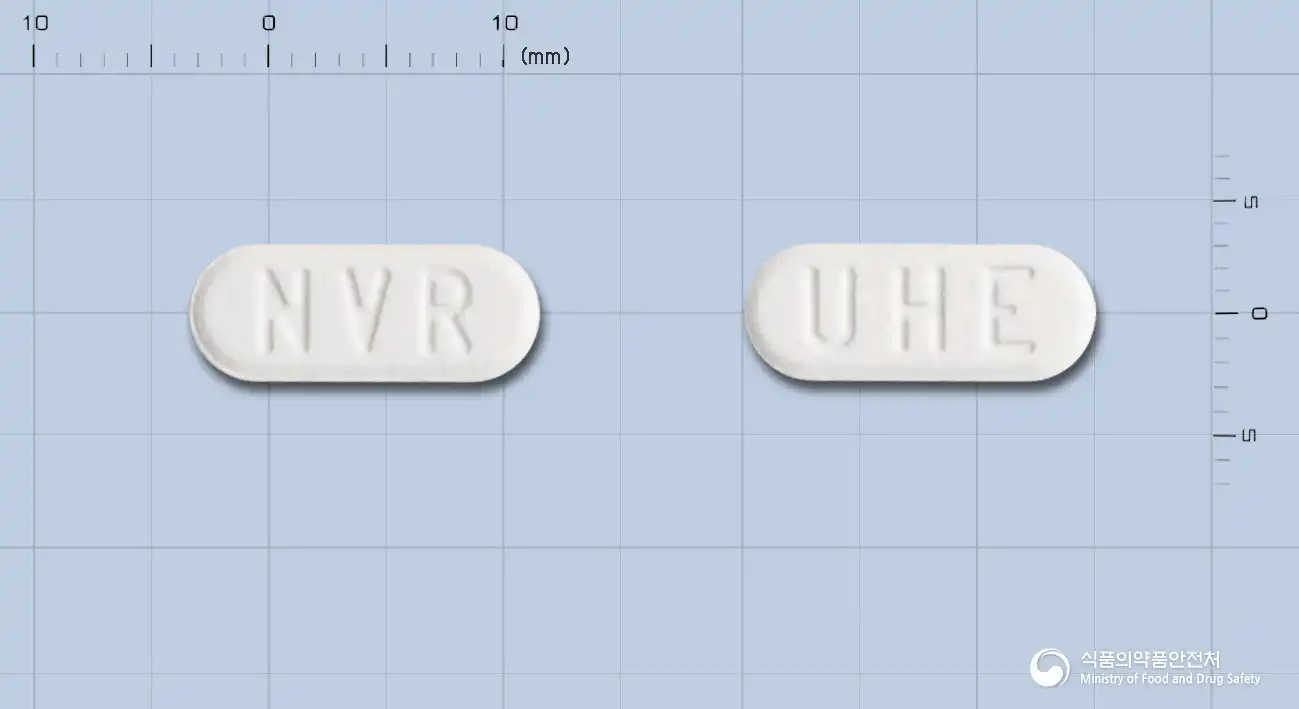
Everolimus 10mg
Tablet · Prescription medication
Novartis Korea Co., Ltd.
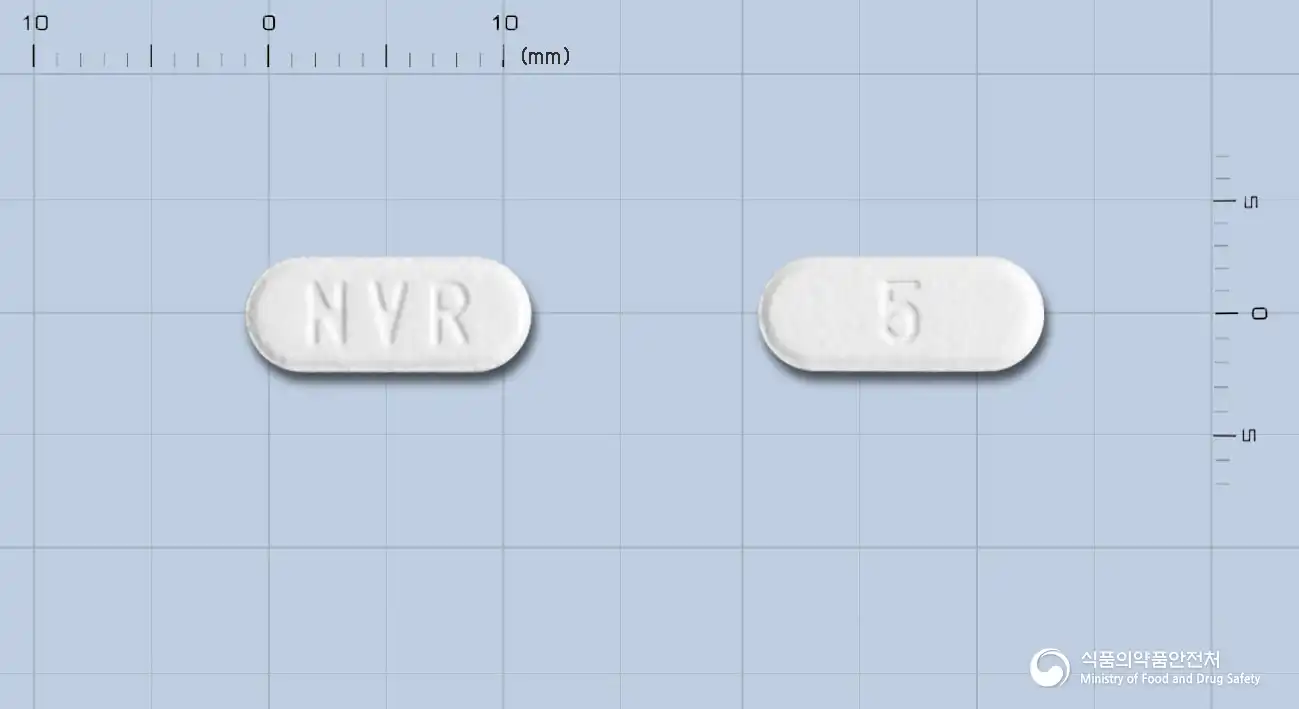
Everolimus 5mg
Tablet · Prescription medication
Novartis Korea Co., Ltd.
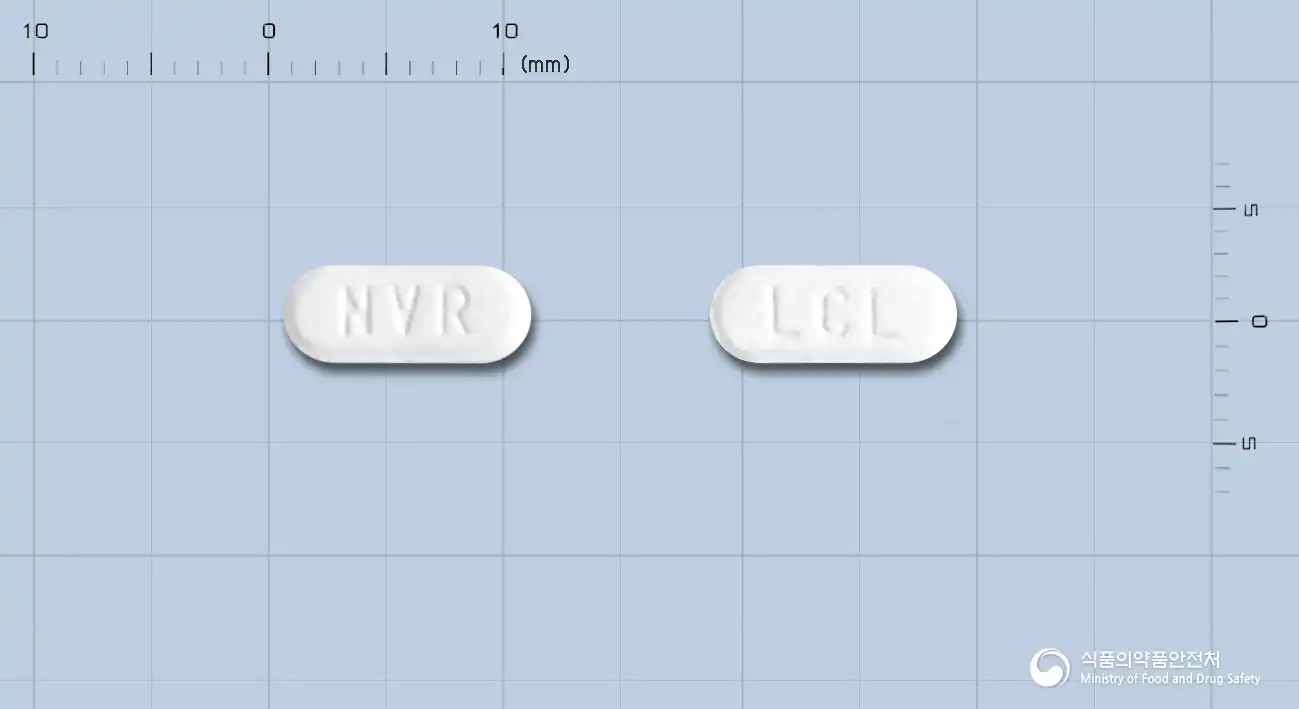
Everolimus 2.5mg
Tablet · Prescription medication
Novartis Korea Co., Ltd.
Even with the same ingredient, the dose and directions can differ by strength and dosage form. Talk to a doctor or pharmacist before switching from a medication you are already taking.
No questions yet.
For anything that needs medical judgment, consult a doctor or pharmacist.
This drug information is based on data provided by the Korea Ministry of Food and Drug Safety.
Consult a doctor or pharmacist for accurate dosage, administration, and usage instructions.