
 한국어
한국어 English
 日本語
日本語 中文(简体)
 Viewing now
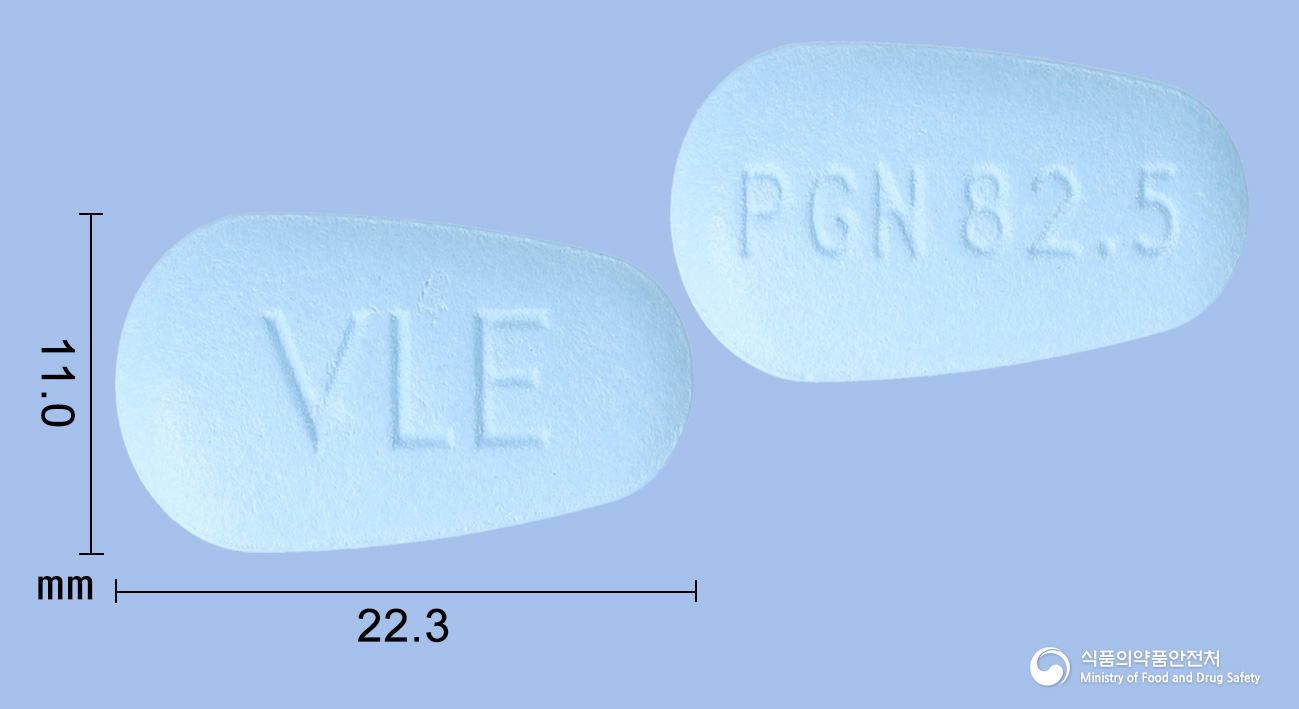
Lyrica CR Controlled-Release Tablet 82.5 mg (Pregabalin)
Pregabalin 82.5mg
Tablet · Prescription medication
Viatris Korea Co., Ltd.
MFDS item code 201802989 · Approved 2018.07.18 · Insurance code 073400250
Relief of peripheral neuropathic pain
This medication is used to relieve pain arising from peripheral neuropathy in adult patients. Peripheral neuropathic pain refers to pain caused by nerve damage, and this medication effectively alleviates such neuropathic pain.
This medication should be taken once daily after the evening meal. It should be swallowed whole and not divided, crushed, or chewed. The starting dose is 165 mg once daily, and it can be increased to 330 mg once daily after 3 to 7 days. If necessary, it can be further increased to a maximum of 660 mg once daily at 7-day intervals. Patients with decreased kidney function should adjust the dose based on creatinine clearance. For children aged 12 years and above, the same guidelines apply.
The safety and efficacy data are insufficient for children under 12 years of age and adolescents aged 12-17, so its use is not recommended.
This medication is a type of anticonvulsant and is used in the treatment of neuropathic pain and peripheral neuropathic pain. Patients taking this medication should be closely monitored for suicidal thoughts or behaviors, depressive symptoms, and mood changes. If any of these mental changes occur during medication, it is essential to inform healthcare professionals immediately. Patients with allergies to pregabalin or any components of this medication should not take it. Diabetics may experience weight gain due to this medication, which may require adjustments in blood sugar control medications. If any allergic reactions, such as angioedema, appear, discontinue use immediately and consult healthcare professionals. Elderly patients may experience symptoms such as dizziness, drowsiness, or confusion when taking this medication, so caution is necessary during initial use. This medication may cause blurred vision or changes in eyesight; these symptoms may improve after discontinuing the medication. Patients with a history of substance abuse may have an increased risk of dependence on this medication, so caution is advised during use. Patients with decreased kidney function should have their dose adjusted, and this medication is not recommended for patients on dialysis. Patients with heart disease should use this medication cautiously, as it may increase the risk of congestive heart failure. Taking this medication with opioid analgesics may increase central nervous system depressant effects, so caution is advised. In early pregnancy, using this medication may affect the fetus, so pregnant women should consult their doctor before use. Lactating women should consider discontinuing breastfeeding or this medication, as it may be transmitted through breast milk. Common side effects during use include dizziness, drowsiness, nausea, dry mouth, swelling, etc., and if symptoms are severe, consultation with a doctor is necessary. Caution is required when driving or operating machinery, and patients should assess their condition before engaging in these activities. In cases of overdose, symptoms such as altered consciousness, depression, agitation, seizures, etc., can occur, hence immediate emergency treatment is required. Keep out of children's reach and do not transfer to other containers for safety.
Hives, angioedema (facial, periorbital, and upper airway edema), loss of consciousness, mental disorders, Stevens-Johnson syndrome, toxic epidermal necrolysis, symptoms similar to anaphylaxis, liver abnormalities (symptoms related to jaundice), severe swelling, paralysis (facial paralysis), pulmonary edema, congestive heart failure, shock, deep vein thrombosis, atrial fibrillation, thalamic stroke, severe allergic reactions, serious neurological symptoms, respiratory issues, severe skin adverse reactions,
Dizziness, drowsiness, headache, nausea, vomiting, diarrhea, constipation, dry mouth, fatigue, weight gain, blurred vision, diplopia, back pain, joint pain, contact dermatitis, rash, hives, increased appetite, insomnia, erectile dysfunction, cough, rhinitis, urinary tract infection, upper respiratory infection, bronchitis, viral respiratory infection, sinusitis, viral gastroenteritis, alanine aminotransferase (ALT) increase, aspartate aminotransferase (AST) increase,
Not everyone experiences these, and they can vary from person to person.
This medication should be stored in a tightly closed container to protect it from air or moisture. It is best kept at room temperature between 1°C and 30°C. Maintaining this temperature range preserves the drug's efficacy and safety.
Bright blue almond-shaped film-coated controlled-release tablet
30 tablets per bottle
Even with the same ingredient, strength, dosage form and how it is taken can differ.
Viewing nowPregabalin 82.5mg
Tablet · Prescription medication
Viatris Korea Co., Ltd.
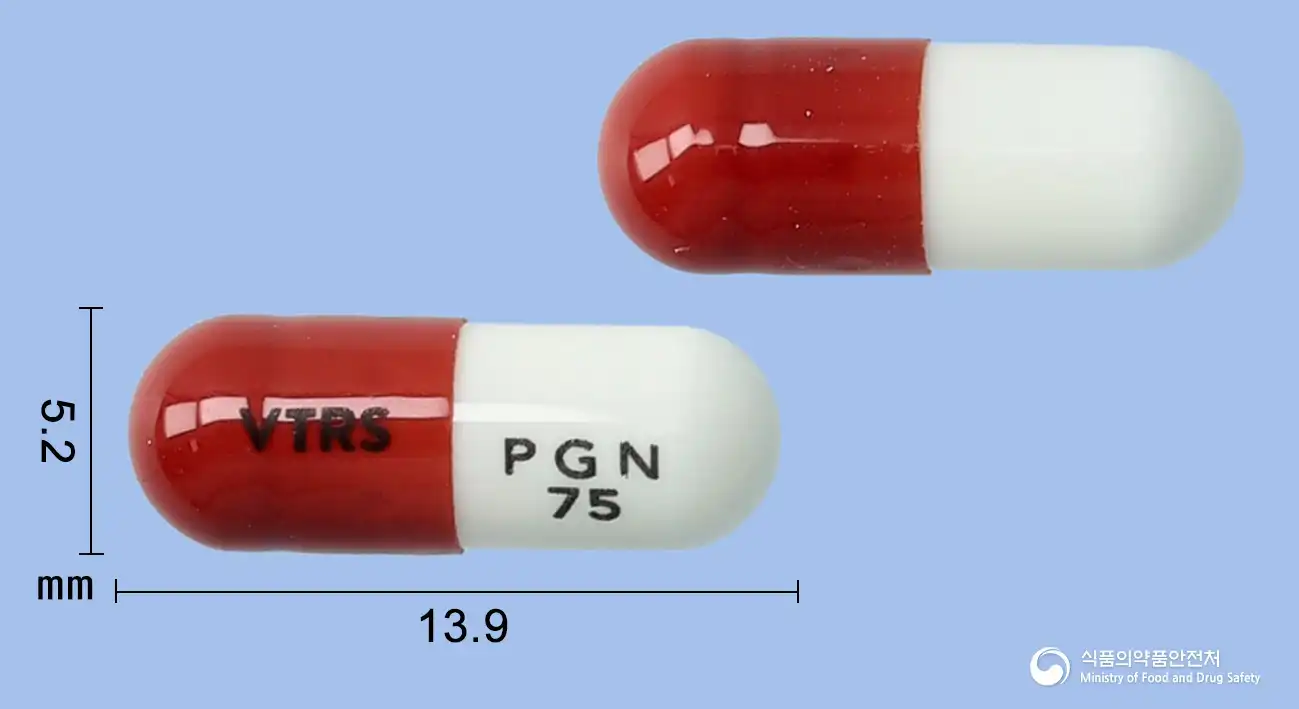
Pregabalin 75mg
Hard capsule · Prescription medication
Viatris Korea Co., Ltd.
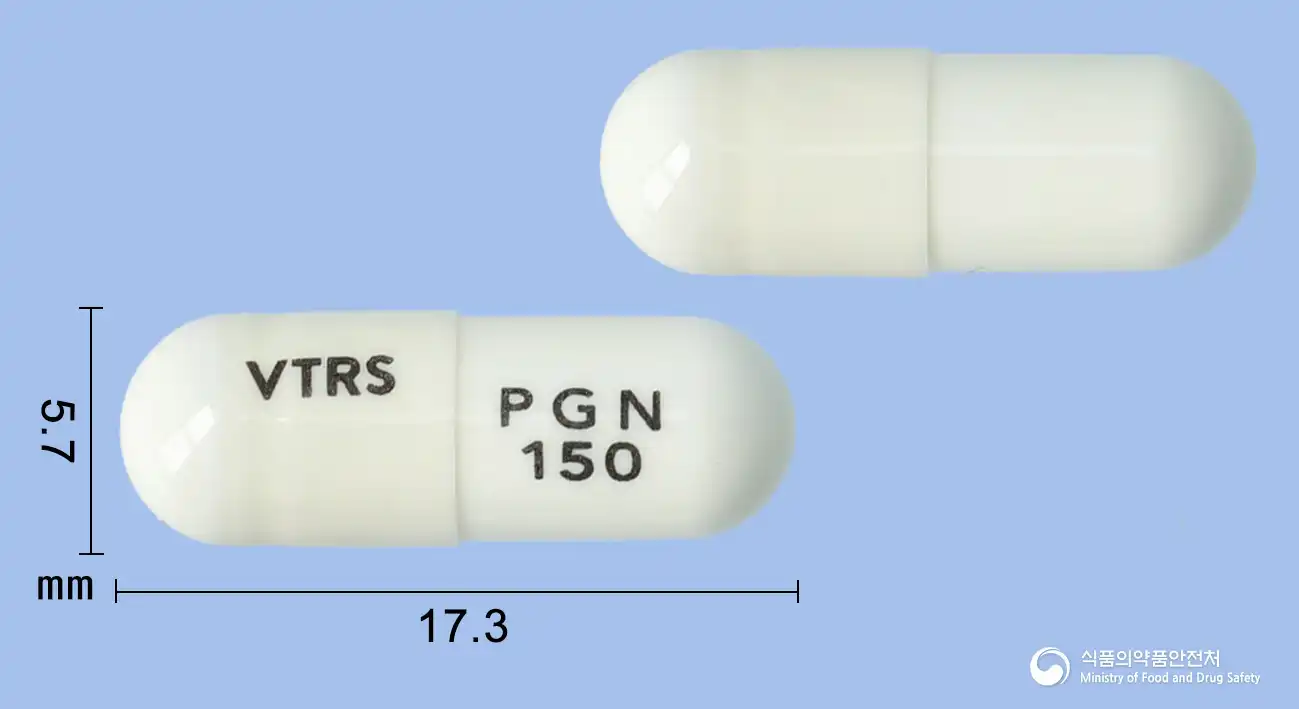
Pregabalin 150mg
Hard capsule · Prescription medication
Viatris Korea Co., Ltd.
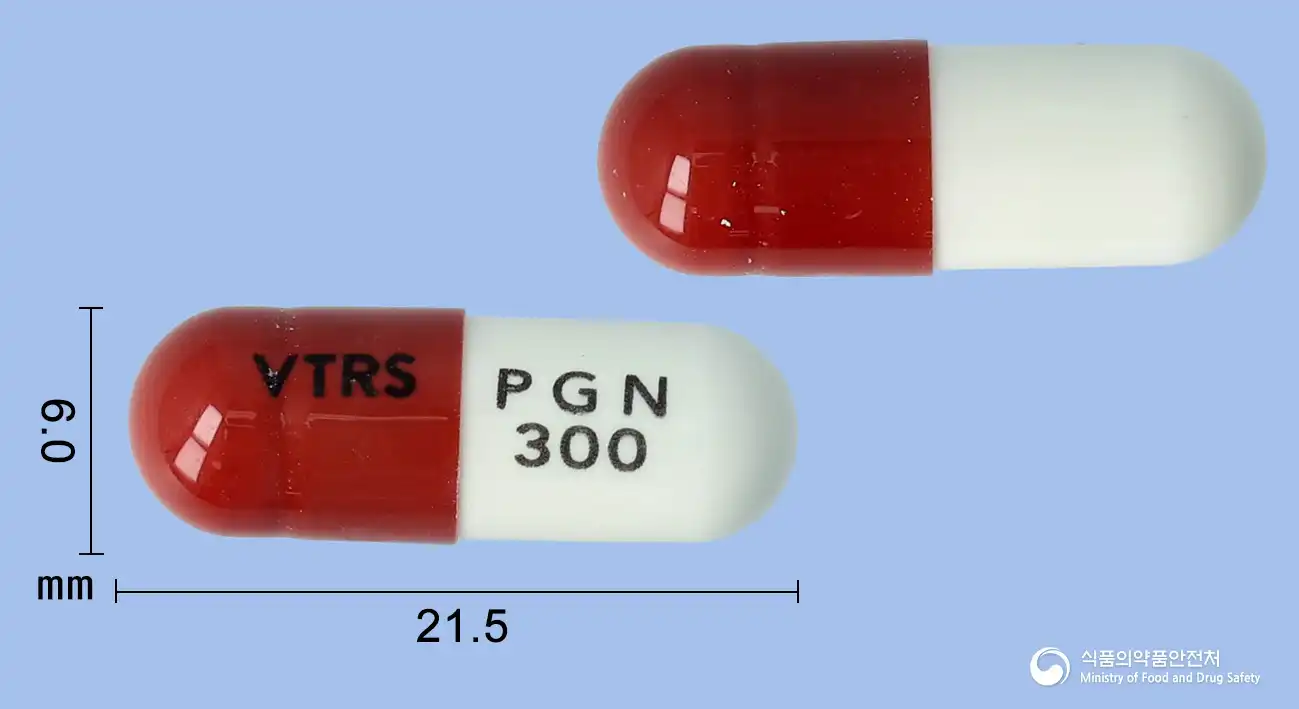
Pregabalin 300mg
Hard capsule · Prescription medication
Viatris Korea Co., Ltd.
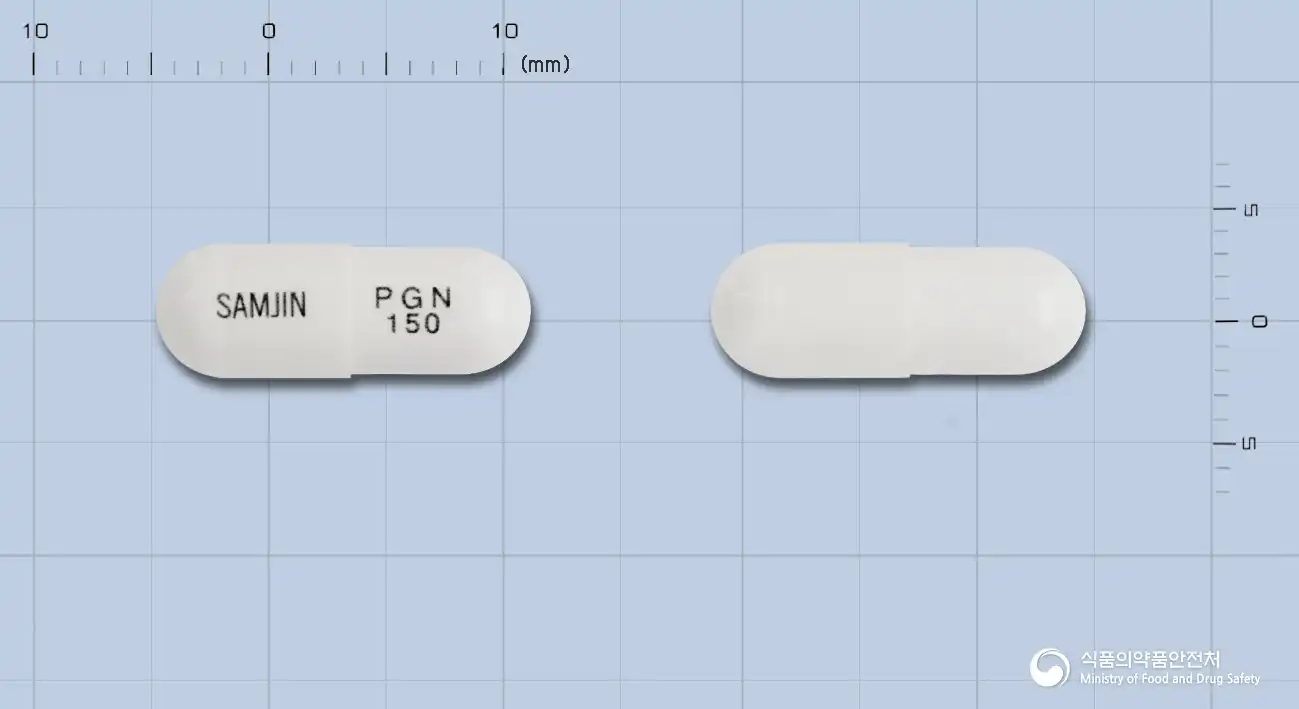
Pregabalin 150mg
Hard capsule · Prescription medication
Samjin Pharmaceutical Co., Ltd.
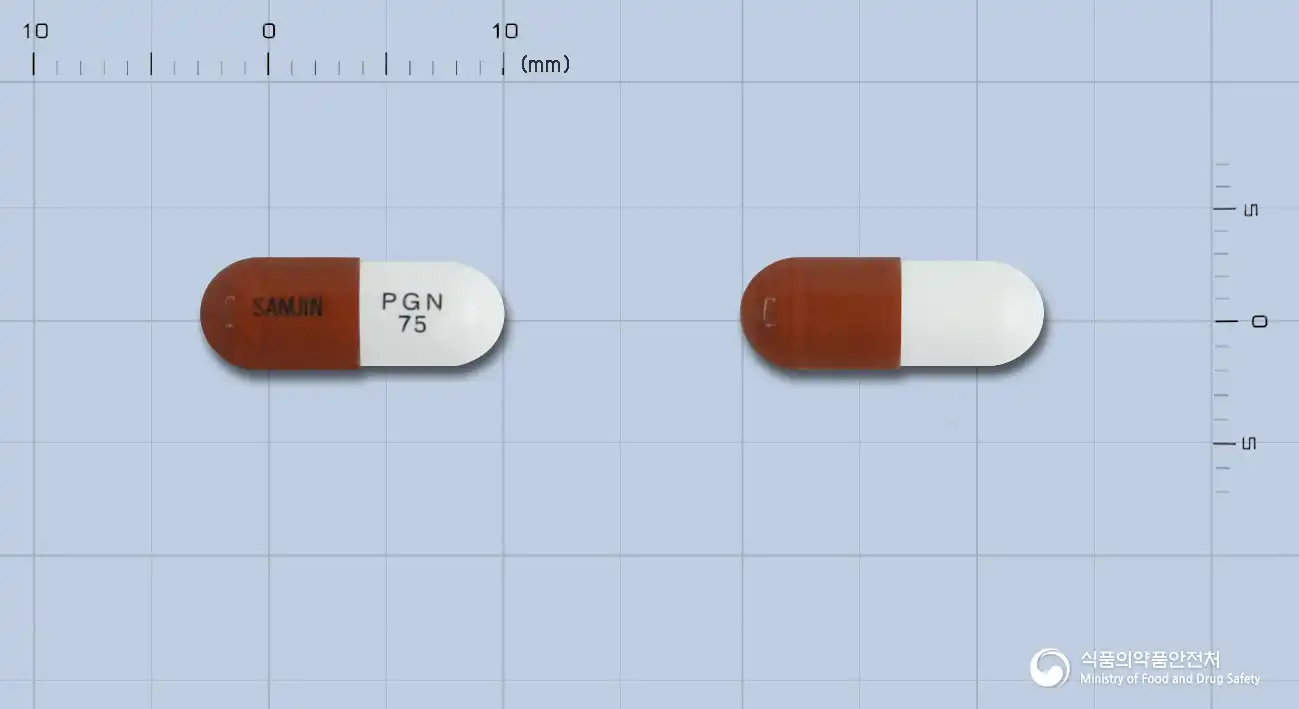
Pregabalin 75mg
Hard capsule · Prescription medication
Samjin Pharmaceutical Co., Ltd.
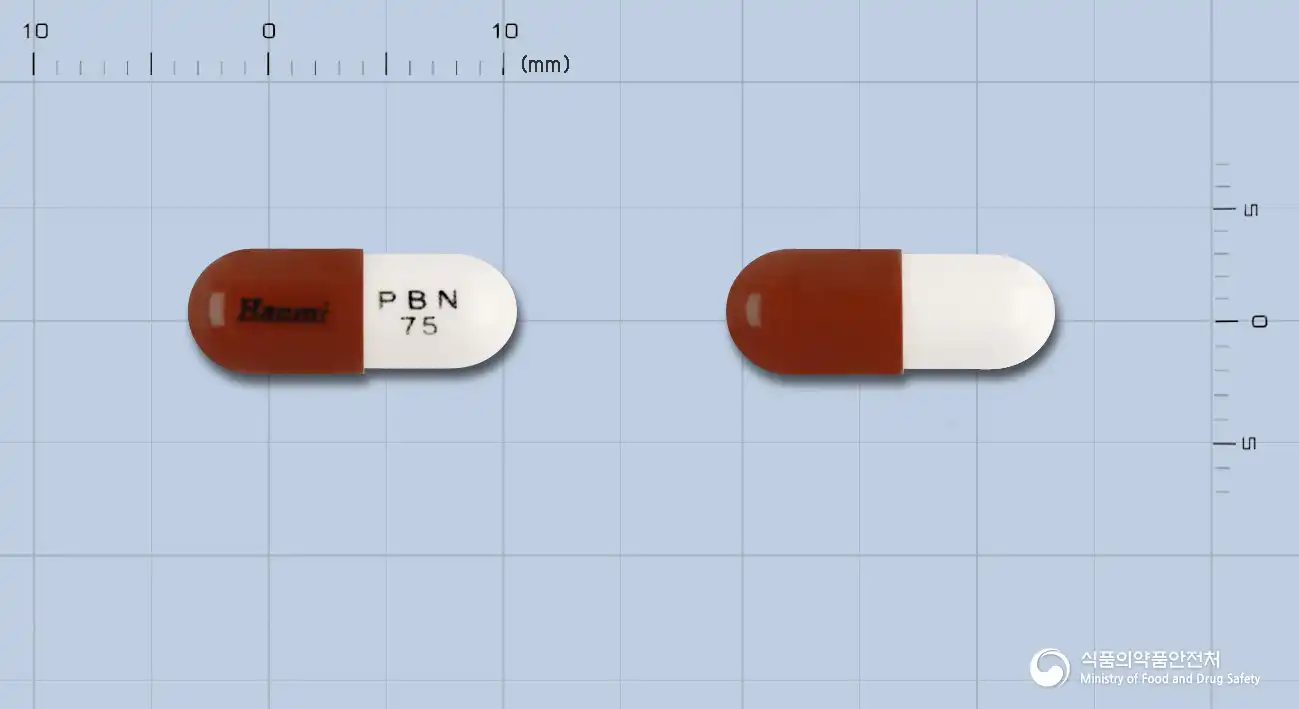
Pregabalin 75mg
Hard capsule · Prescription medication
Hanmi Pharm. Co., Ltd.
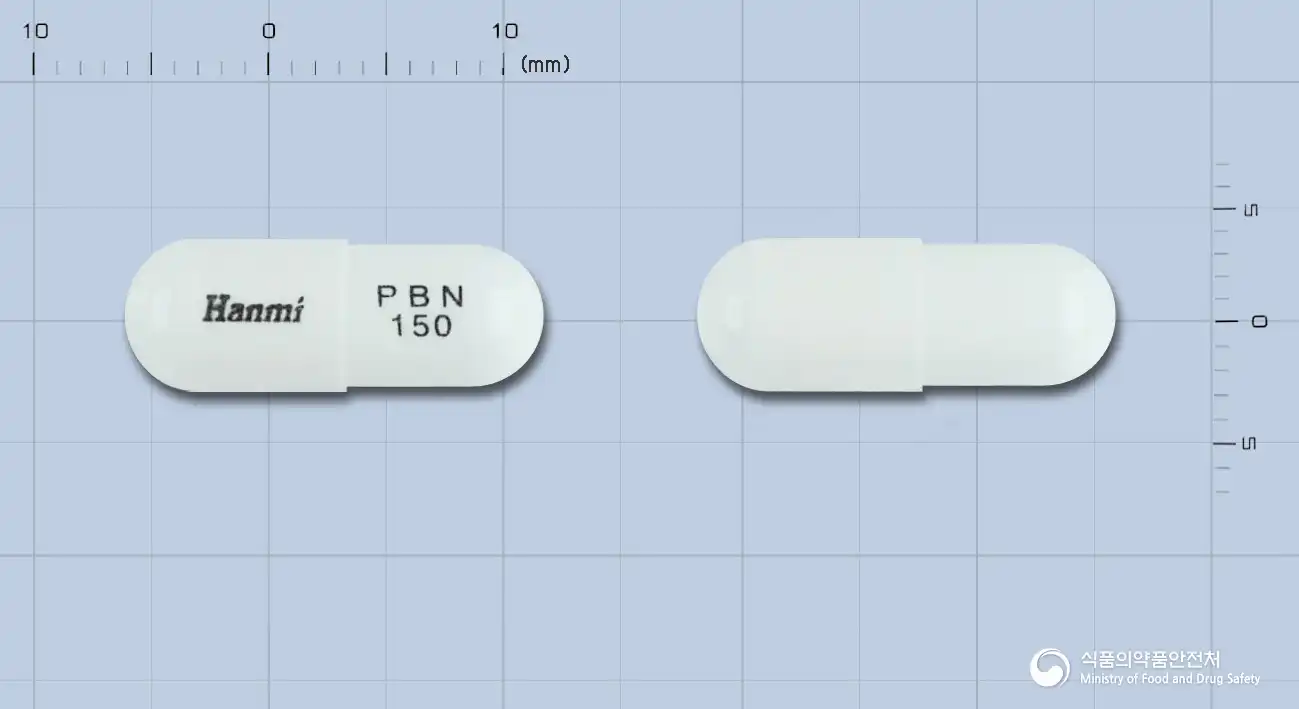
Pregabalin 150mg
Hard capsule · Prescription medication
Hanmi Pharmaceutical Co., Ltd.
Even with the same ingredient, the dose and directions can differ by strength and dosage form. Talk to a doctor or pharmacist before switching from a medication you are already taking.
No questions yet.
For anything that needs medical judgment, consult a doctor or pharmacist.
This drug information is based on data provided by the Korea Ministry of Food and Drug Safety.
Consult a doctor or pharmacist for accurate dosage, administration, and usage instructions.