
 한국어
 English
 日本語
 中文(简体)
Dosage form image
Viewing nowNexlid Tablet (Tenofovir Disoproxil Fumarate)
Tenofovir Disoproxil Hemiedisylate
Prescription medication
Nexpham Korea Co., Ltd.
MFDS item code 201800965 · Approved 2018.02.27
This product's status changed to Expired on 2023.02.27. It may no longer be sold, so consult a doctor or pharmacist before taking it.
Treatment of chronic hepatitis B and HIV-1 infection
This medication is used along with other antiretroviral drugs for the treatment of HIV-1 infection in adults and children aged 12 years and older. It is also utilized to treat chronic hepatitis B patients. However, this medication should not be taken in conjunction with combination products containing tenofovir. It is important to follow general precautions when starting treatment. This medication effectively assists in the treatment of HIV-1 infection and chronic hepatitis B.
Adults: For the treatment of HIV-1 or chronic hepatitis B, take 1 tablet (equivalent to 245 mg of tenofovir disoproxil) once daily. It may be taken with or without food. The optimal duration of treatment for chronic hepatitis B is unknown. 2. Patients with renal impairment Drug exposure increased significantly when this medicine was administered to patients with moderate to severe renal impairment. Therefore, for patients with baseline creatinine clearance <50mL/min, adjust the dosing interval for this medicine according to Table 1. These dosing-interval adjustment guidelines are based on pharmacokinetic data models for a single dose in patients with varying degrees of renal impairment, including patients with end-stage renal disease requiring hemodialysis, who were not infected with HIV or HBV. As the safety and efficacy of these dosing-interval adjustment guidelines have not been clinically evaluated in patients with moderate or severe renal impairment, renal function and clinical response to treatment should be closely monitored in these patients (see Warning 3). No adjustment to the dosing interval is required for patients with mild renal impairment (creatinine clearance 50-80mL/min); calculated creatinine clearance and serum phosphate should be monitored regularly (see Warning 3). Table 1. Dosing-interval adjustment according to creatinine clearance Creatinine clearance (mL/min)a Patients on hemodialysis ≥50 30-49 10-29 Recommended interval between doses of 1 tablet Every 24 hours Every 48 hours Every 72-96 hours Every 7 days or approximately 12 hours after dialysisb a. Calculated using ideal (lean body) weight. b. Administer once weekly, generally assuming 3 hemodialysis sessions per week, each lasting approximately 4 hours. This medicine should be administered after dialysis is completed. The pharmacokinetics of tenofovir have not been evaluated in patients with creatinine clearance below 10mL/min who are not receiving hemodialysis; therefore, no dosing recommendations are available for these patients.
Children 12 years of age and older (35kg or more): For the treatment of HIV-1 or chronic hepatitis B, take 1 tablet (equivalent to 245 mg of tenofovir disoproxil) once daily. It may be taken with or without food. The safety and efficacy of this medicine have not been established in pediatric patients with chronic hepatitis B weighing less than 35kg. There are no data to support dosage recommendations for pediatric patients with renal impairment.
This medication may cause serious liver issues; therefore, patients with impaired liver function or at risk for liver disease need to be carefully monitored. Discontinuation of treatment may worsen hepatitis, so continuous observation is necessary even after stopping. It may affect kidney function, so regular kidney function tests should be conducted prior to and during treatment. The risk of side effects may increase when taken with certain medications; thus, consultation with healthcare professionals is essential. Bone density may decrease, so attention to bone health is important, and patients at risk of fractures should have bone density tests. Changes in the immune system can lead to inflammation or autoimmune diseases, so any unusual symptoms must be reported to healthcare professionals immediately. This medication should not be administered to patients with specific genetic disorders or allergies, and it should only be used during pregnancy if absolutely necessary. Nursing mothers are encouraged to avoid breastfeeding while taking this medication. Children under 12 years of age should not be used as safety and efficacy have not been established. In case of overdose, immediately contact a medical institution; dialysis may be beneficial if necessary. This medication should be kept out of reach of children and stored in its original container to maintain quality.
Severe hepatic enlargement accompanied by lactic acidosis and steatosis, exacerbation of hepatitis, acute renal failure, Fanconi syndrome, rash, diarrhea, headache, pain, depression, weakness, nausea, dizziness, dyspepsia, vomiting, fatty infiltration, arthralgia, myalgia, insomnia, peripheral neuropathy, anxiety, pneumonia, fever, abdominal pain, back pain, fatigue, sinusitis, upper respiratory infection, nasopharyngitis, vertigo, fatigue, sweating, weight loss, loss of appetite, abdominal distension, pruritus, hepatic steatosis, hepatitis, increased liver enzymes, rhabdomyolysis, osteomalacia, muscle weakness, myopathy, acute renal failure, acute tubular necrosis, interstitial nephritis, nephrogenic diabetes insipidus, increased creatinine, proteinuria, polyuria, allergic reaction, hypokalemia, hypophosphatemia, dyspnea, pancreatitis, increased amylase, hepatitis erythema, dyspepsia, constipation, gastroesophageal reflux disease, ascites, abdominal distension, urinary tract infection, gastroenteritis, shingles, septic shock, deterioration of condition, increased ALT, increased AST, hepatocellular carcinoma, metastatic brain tumors, osteoporosis, flank pain, spinal pain, sensory loss, cerebral infarction, diabetic neuropathy, metabolic encephalopathy, seizures, cholelithiasis, cirrhosis, alcoholic sclerosis, hepatic failure, hepatic fibrosis, hand fracture, febrile neutropenia, leukopenia, thrombocytopenia, deep vein thrombosis, corneal degeneration, graft-versus-host disease, hair loss, erythema multiforme, sialadenitis, ingrown toenails, urticaria, fibromyalgia, herniated disc, osteoarthritis, limb pain, trigger finger, dementia, confusion, sleep disorders, bladder dysfunction, urinary stones, dysuria, renal cyst, ureteral stone disease, anemia, splenomegaly, hypertension, conjunctival hemorrhage, ocular movement disorders, ocular congestion, benign prostatic hyperplasia
Not everyone experiences these, and they can vary from person to person.
This medication may be sensitive to air or moisture, so it should be stored in a tightly sealed container. It is recommended to keep the storage temperature between 1 degree and 30 degrees Celsius at room temperature. Doing so will help maintain the effectiveness of the medication for a longer period.
Light blue almond-shaped film-coated tablet
30 tablets/bottle
Even with the same ingredient, strength, dosage form and how it is taken can differ.
Tenofovir Disoproxil Hemiedisylate
Prescription medication
Nexpham Korea Co., Ltd.
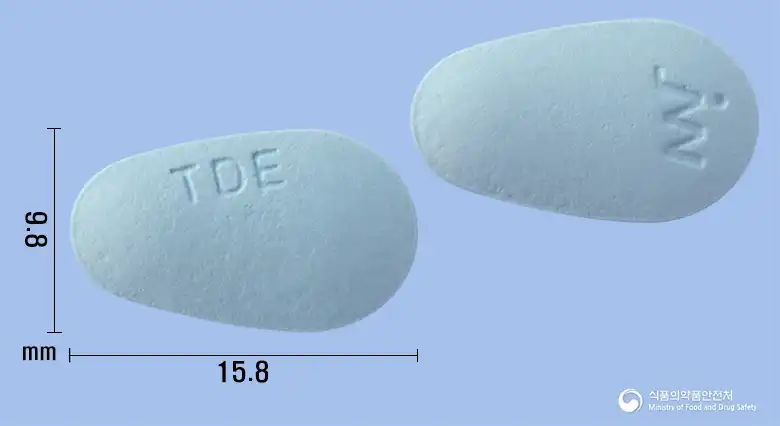
Tenofovir Disoproxil Hemiedisylate 289.86mg
Tablet · Prescription medication
JW Pharmaceutical Corp.
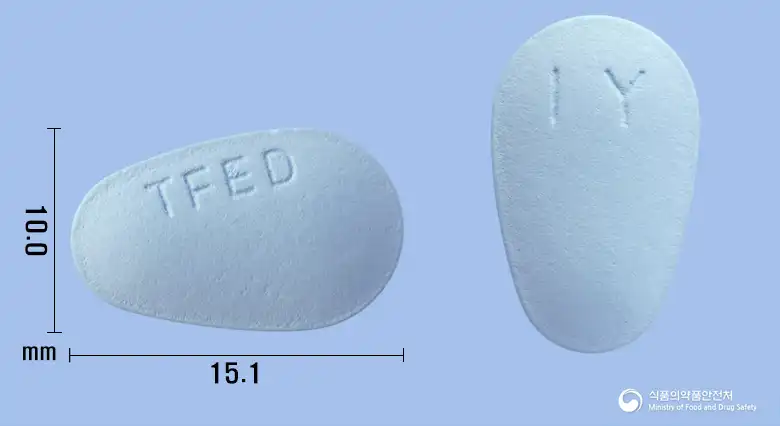
Tenofovir Disoproxil Hemiedisylate 289.86mg
Tablet · Prescription medication
Il Yang Pharmaceutical Co., Ltd.
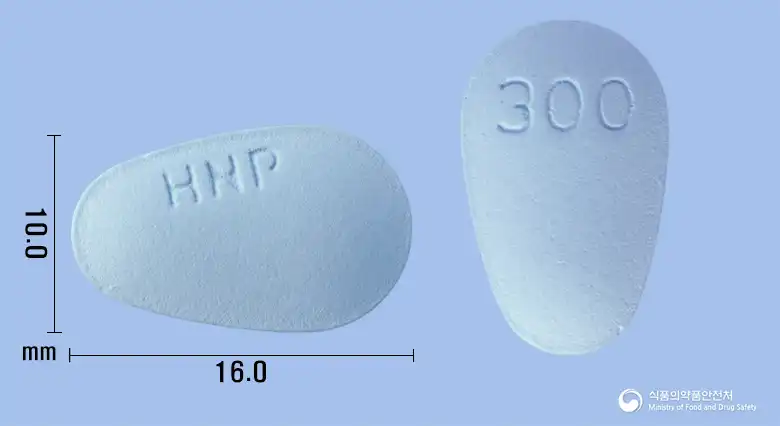
Tenofovir Disoproxil Hemiedisylate 289.86mg
Tablet · Prescription medication
Hana Pharmaceutical Co., Ltd.
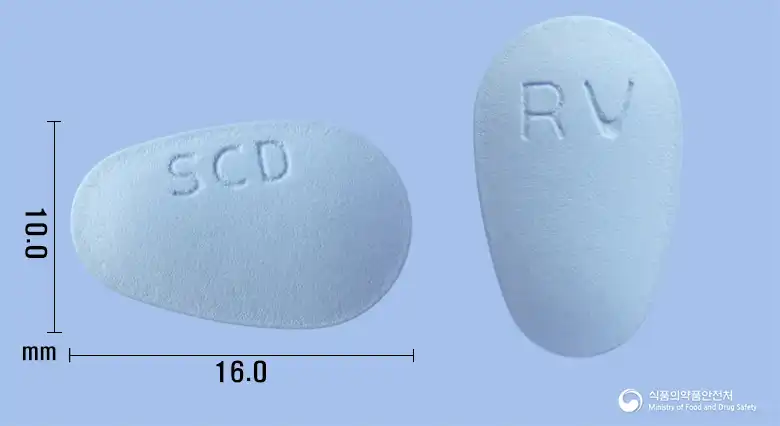
Tenofovir Disoproxil Hemiedisylate 289.86mg
Tablet · Prescription medication
Samchundang Pharmaceutical Co., Ltd.
Tenofovir Disoproxil Hemiedisylate
Prescription medication
Korea Pharma Co., Ltd.
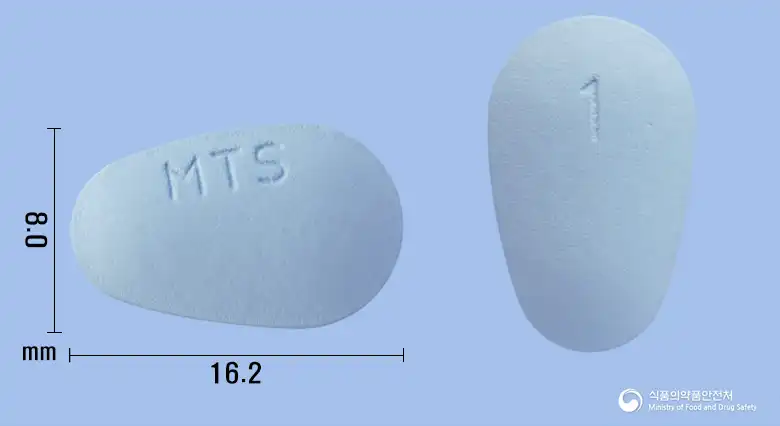
Tenofovir Disoproxil Hemiedisylate 289.86mg
Tablet · Prescription medication
Mothers Pharmaceutical Co., Ltd.
Tenofovir Disoproxil Hemiedisylate
Prescription medication
JW Pharmaceutical Corporation
Even with the same ingredient, the dose and directions can differ by strength and dosage form. Talk to a doctor or pharmacist before switching from a medication you are already taking.
No questions yet.
For anything that needs medical judgment, consult a doctor or pharmacist.
This drug information is based on data provided by the Korea Ministry of Food and Drug Safety.
Consult a doctor or pharmacist for accurate dosage, administration, and usage instructions.