
 한국어
 English
 日本語
 中文(简体)
 Viewing now
Riverid Tablets (Tenofovir Disoproxil)
Tenofovir Disoproxil 245mg
Tablet · Prescription medication
Hankook Hyutex Pharmaceutical Co., Ltd.
MFDS item code 201706566 · Approved 2017.08.11 · Insurance code 649103600
Treatment of chronic hepatitis B and HIV-1 infection
This medication is used in the treatment of HIV-1 infection in adults and children aged over 12 years in combination with other antiretroviral medications. It is also applicable for the treatment of chronic hepatitis B patients. However, caution is required as it should not be taken with combination products containing tenofovir. This medication is effectively used for the treatment of HIV-1 infection and chronic hepatitis B.
Adults For the treatment of HIV-1 or chronic hepatitis B, take 1 tablet once daily (equivalent to 245mg of tenofovir disoproxil). It may be taken with or without food. The optimal duration of treatment for chronic hepatitis B is unknown. Patients with renal impairment In patients with baseline creatinine clearance <50mL/min, adjust the dosing interval according to Table 1. No adjustment of the dosing interval is necessary in patients with mild renal impairment (creatinine clearance 50-80mL/min); routinely monitor calculated creatinine clearance and serum phosphate (see Warning 3). Creatinine clearance (mL/min)a ≥50: every 24 hours Creatinine clearance (mL/min)a 30-49: every 48 hours Creatinine clearance (mL/min)a 10-29: every 72-96 hours Patients on hemodialysis: every 7 days or approximately 12 hours after dialysisb b. Administer once weekly, generally assuming 3 hemodialysis sessions of approximately 4 hours each per week. This medicine should be administered after dialysis is completed. The pharmacokinetics of tenofovir have not been evaluated in patients with creatinine clearance below 10mL/min who are not receiving hemodialysis; therefore, no dosing recommendations are available for these patients.
Pediatric patients aged 12 years and older (35kg or more): For the treatment of HIV-1 or chronic hepatitis B, take 1 tablet once daily (equivalent to 245mg of tenofovir disoproxil). It may be taken with or without food. Pediatric patients with chronic hepatitis B weighing less than 35kg: Safety and efficacy have not been established. Pediatric patients with renal impairment: No data are available to support dose recommendations.
This medication is an antiviral agent, primarily used for the treatment of chronic hepatitis B and HIV infection. Hepatitis may worsen during or after cessation of therapy, so regular monitoring for several months is required after stopping administration. Patients with an allergy to this medication or its components should not take it. Patients with lactose intolerance or specific genetic metabolic disorders should not take this medication. This medication should not be taken with certain other antiviral agents, as serious side effects may occur with concomitant administration. Patients with impaired renal function should undergo kidney function tests before taking this medication, and regularly check kidney status during treatment. Particular caution is needed when taking this medication with drugs that may cause renal toxicity. This medication may affect bone health, so patients at risk for osteoporosis or with bone pain should consult a physician. Contains sulfite components that can cause allergic reactions or asthma attacks in some patients. Side effects of this medication include digestive disorders, headache, fatigue, depression, and rash; if unusual symptoms occur, immediate consultation with healthcare professionals is required. It can generally be used relatively safely during pregnancy; however, if used during pregnancy, it should be according to a doctor's instructions, and nursing mothers are advised to avoid breastfeeding. Particular caution is needed when administering to children, the elderly, and patients with impaired renal function. In case of overdose, immediate medical attention should be sought, and blood dialysis may remove the medication. This medication should be stored at room temperature, away from children's reach. There may be interactions with other medications; therefore, any currently taken medications must be reported to healthcare professionals.
Not everyone experiences these, and they can vary from person to person.
This medication should be stored in a tightly sealed container to avoid exposure to air or moisture. It is important to maintain storage temperatures between 1 to 30 degrees Celsius.
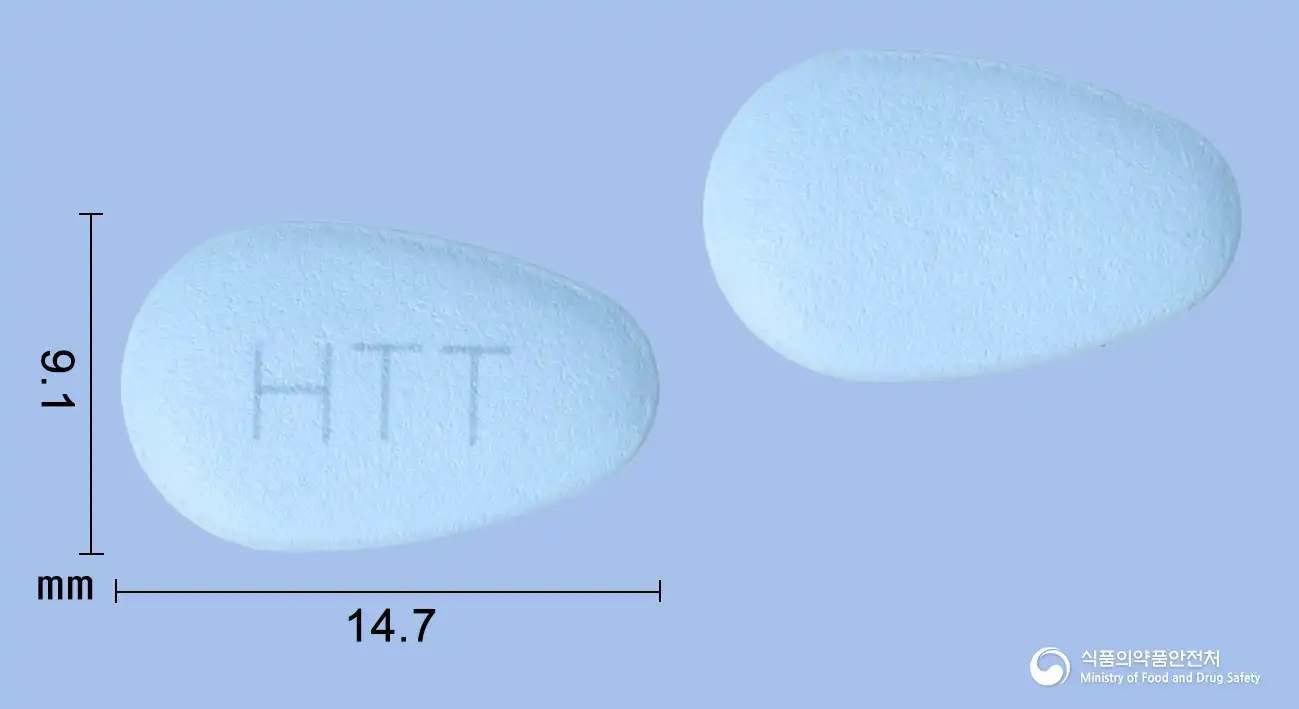
Pale blue almond-shaped film-coated tablet
30 tablets per bottle
Even with the same ingredient, strength, dosage form and how it is taken can differ.
Viewing nowTenofovir Disoproxil 245mg
Tablet · Prescription medication
Hankook Hyutex Pharmaceutical Co., Ltd.
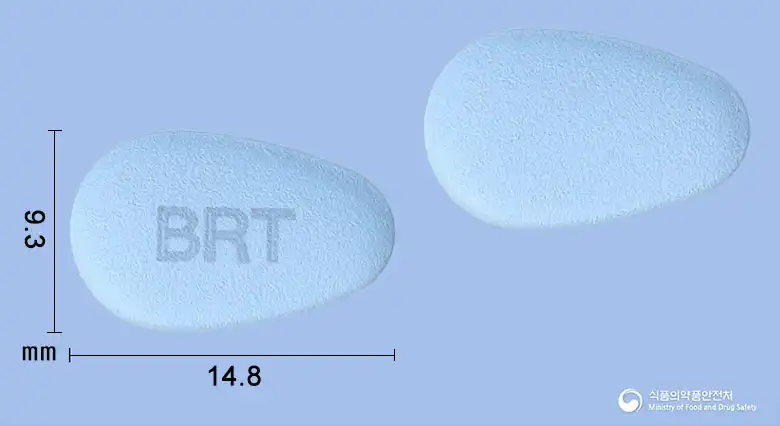
Tenofovir Disoproxil 245mg
Tablet · Prescription medication
Boryung Pharmaceutical Co., Ltd.
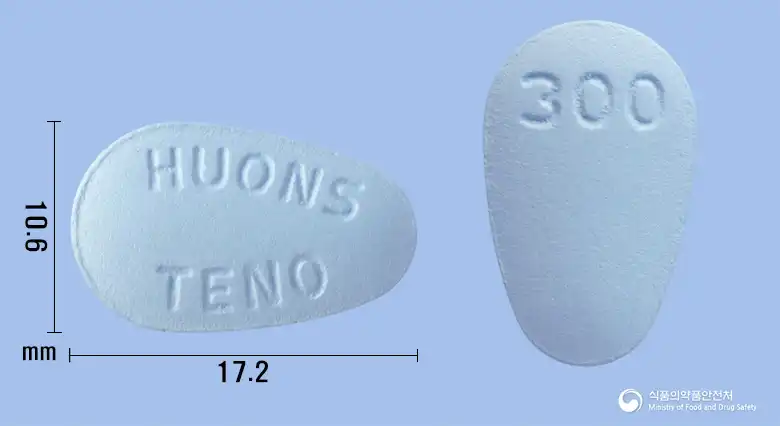
Tenofovir Disoproxil 245mg
Tablet · Prescription medication
Huons Co., Ltd.
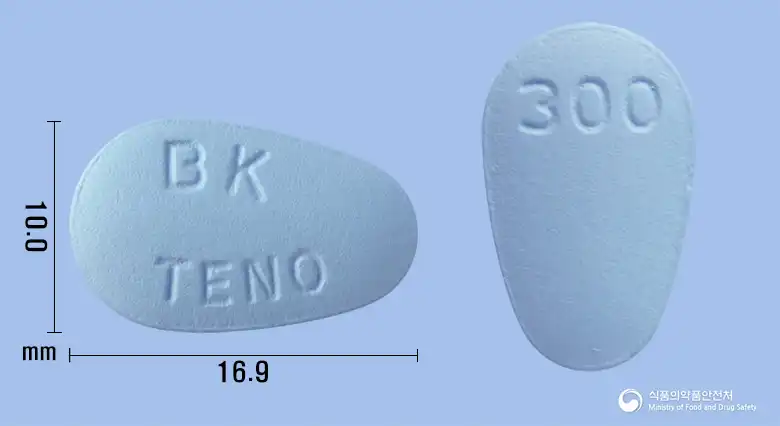
Tenofovir Disoproxil 245mg
Tablet · Prescription medication
Bukwang Pharmaceutical Co., Ltd.
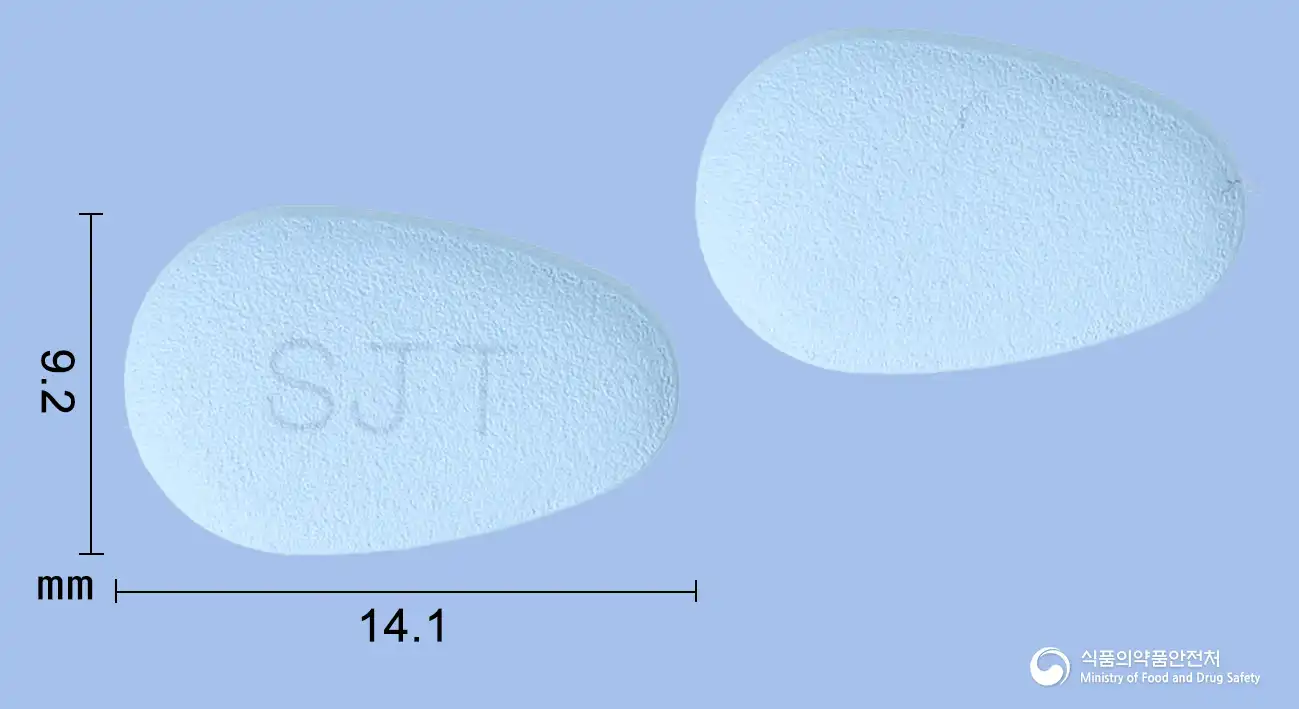
Tenofovir Disoproxil 245mg
Tablet · Prescription medication
Samjin Pharmaceutical Co., Ltd.
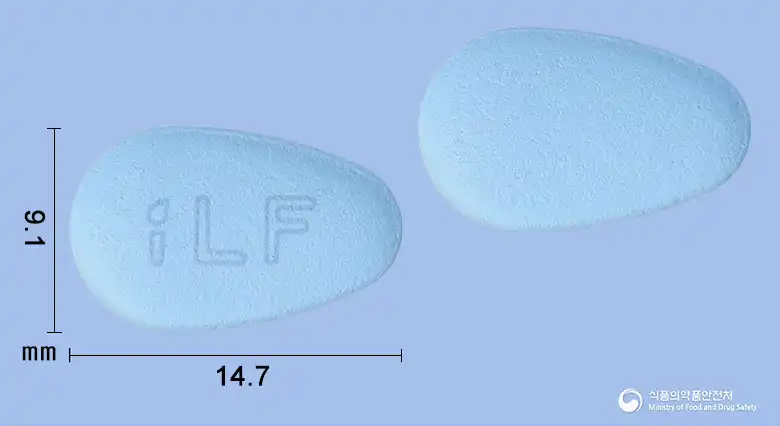
Tenofovir Disoproxil 245mg
Tablet · Prescription medication
Samil Pharmaceutical Co., Ltd.
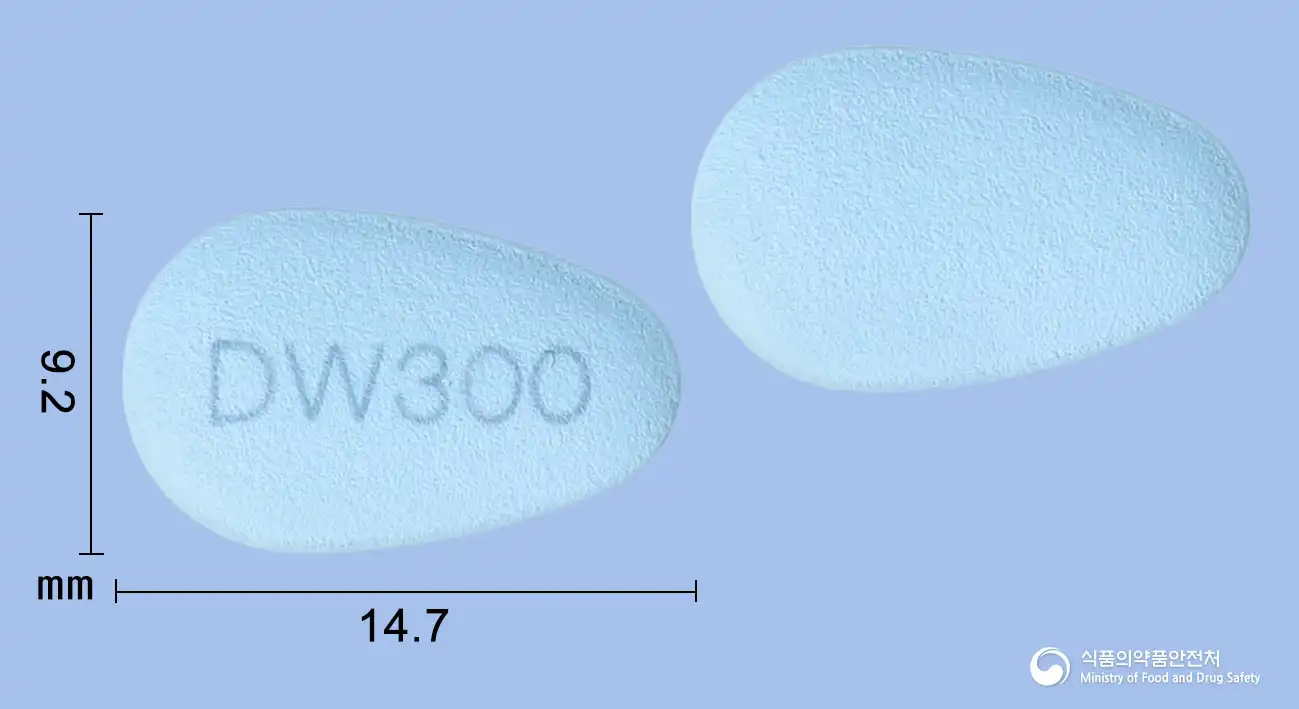
Tenofovir Disoproxil 245mg
Tablet · Prescription medication
Daewoong Pharmaceutical Co., Ltd.
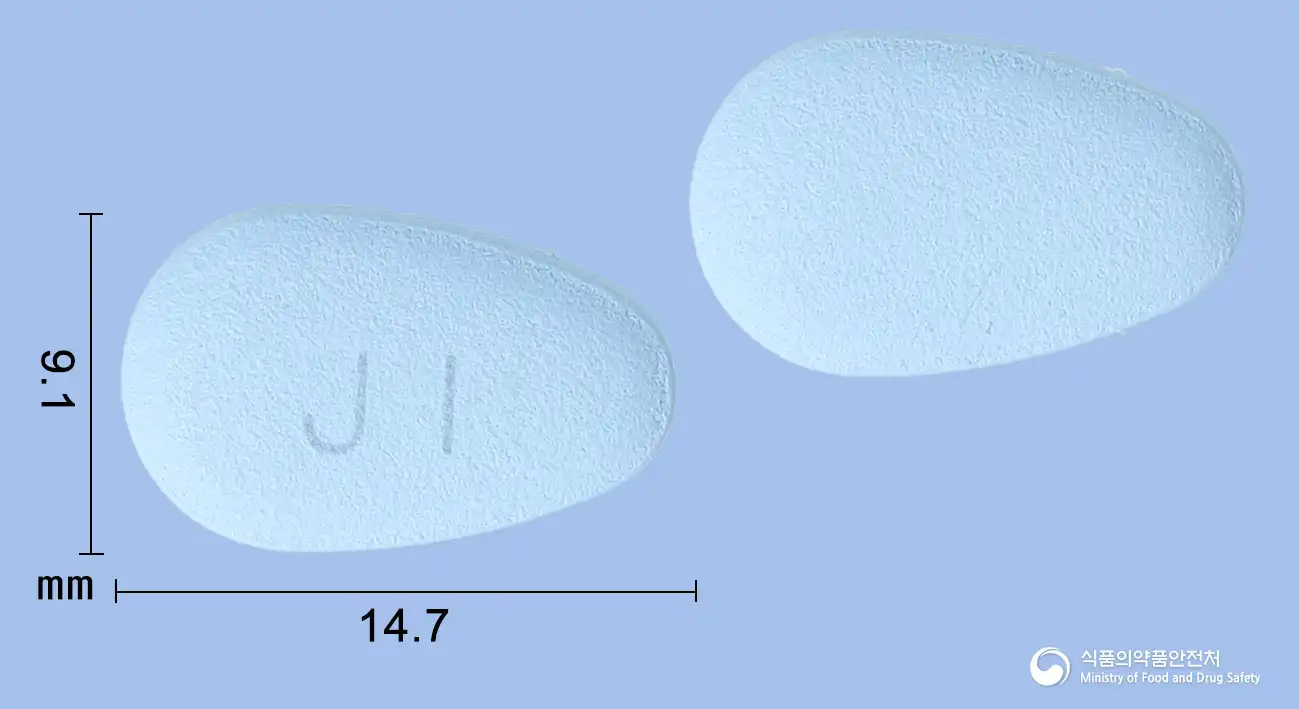
Tenofovir Disoproxil 245mg
Tablet · Prescription medication
Jeil Pharmaceutical Co., Ltd.
Even with the same ingredient, the dose and directions can differ by strength and dosage form. Talk to a doctor or pharmacist before switching from a medication you are already taking.
No questions yet.
For anything that needs medical judgment, consult a doctor or pharmacist.
This drug information is based on data provided by the Korea Ministry of Food and Drug Safety.
Consult a doctor or pharmacist for accurate dosage, administration, and usage instructions.