
 한국어
 English
 日本語
 中文(简体)
Dosage form image
Viewing nowLightnepofoam Injection (Nepofam Hydrochloride)
Nefopam Hydrochloride 10mg
Injections · Prescription medication
Lightpharmtec Co., Ltd.
MFDS item code 201604996 · Notified 2016.08.18
Relief of acute pain (postoperative pain)
This medication is used to relieve acute pain. It effectively reduces pain that occurs post-surgery, alleviating patient discomfort. It aids in the treatment of acute pain and supports rapid recovery. Therefore, it is useful for managing post-operative pain.
Administer 20 mg of nefopam hydrochloride per dose by intramuscular or intravenous injection. If necessary, repeat every 6 hours, without exceeding 120 mg per day. Administer intravenous injections slowly over at least 15 minutes. After administration, it is preferable to have the patient lie still and rest for 15-20 minutes. When administered in an infusion solution such as an electrolyte or glucose solution, administer 30 mg over 4 hours or 40 mg over 6-8 hours, in proportion to the administration time. It is recommended to avoid mixing this medicine with other drugs for injection. Adjust the dose as appropriate according to age and symptoms.
Since this medication is an ampoule injection, care must be taken when opening the glass bottle to avoid the risk of glass shards mixing in. This drug should not be used in patients with epilepsy, myocardial infarction, patients taking MAO inhibitors, patients allergic to this drug or its components, children under 15 years of age, patients with a history of seizures, patients with urinary issues due to urethral and prostate problems, and patients with closed-angle glaucoma. Elderly patients, pregnant women, and breastfeeding mothers, as well as patients taking anticholinergic drugs should use this medication with caution. When using this drug, various side effects may appear, including loss of appetite, nausea, drowsiness, vomiting, excessive sweating, dizziness, rapid heartbeat, thirst, difficulty urinating, injection site pain, headache, blurred vision, fatigue, nervousness, sleep disturbances, hallucinations, and hypersensitivity reactions. In particular, side effects may vary depending on the dosage, and dosage adjustment may be necessary if symptoms are severe; most side effects decrease with repeated administration. Administration should be carefully considered based on inflammation or pain, and prolonged use of the same medication should be avoided. This medication may mask symptoms of infection when treating inflammation due to infections, so it should be used in conjunction with infection treatments, and patient condition should be closely monitored. In elderly patients, it should be administered at the minimum effective dose, with special attention to the occurrence of side effects. Patients with impaired liver or kidney function may be affected in the metabolism and excretion of this drug, necessitating caution. This drug may cause drowsiness, so it is safest not to use it during tasks requiring alertness, such as driving or operating machinery. When used in combination with narcotic analgesics, safety has not been fully established, and caution is warranted when used concurrently with medications containing acetaminophen due to the risk of liver damage. The use of this medication in conjunction with other anti-inflammatory pain relievers is not recommended. Particularly, the risk of side effects may increase when used in combination with anticholinergic antispasmodics, anticholinergic Parkinson's disease medications, tricyclic antidepressants, certain neuroleptics, and antihistamines. Pregnant or breastfeeding women are not recommended to use this drug. Its safety and efficacy have not been established for children under 15 years of age, and it should not be used in this age group. Due to anticholinergic side effects, this drug is not recommended for use in elderly patients. If overdose occurs, immediate consultation with a doctor or pharmacist is necessary, and close monitoring of cardiac and respiratory function may be required. It is advisable to avoid mixing this medication with other drugs for injection.
Not everyone experiences these, and they can vary from person to person.
This medication must be stored in a sealed container to prevent air ingress and should be kept at a temperature between 1 and 30 degrees Celsius at room temperature. Proper storage will help maintain the drug's effectiveness.
A colorless, odorless, transparent liquid contained in a colorless transparent ampoule injection.
2mL X 1 ampoule, 20 ampoules
Even with the same ingredient, strength, dosage form and how it is taken can differ.
Nefopam Hydrochloride 10mg
Injections · Prescription medication
Lightpharmtec Co., Ltd.
Nefopam Hydrochloride 10mg
Injections · Prescription medication
Korea Pharmbio Co., Ltd.
Nefopam Hydrochloride 10mg
Injections · Prescription medication
Jungheon Pharmaceutical Co., Ltd.
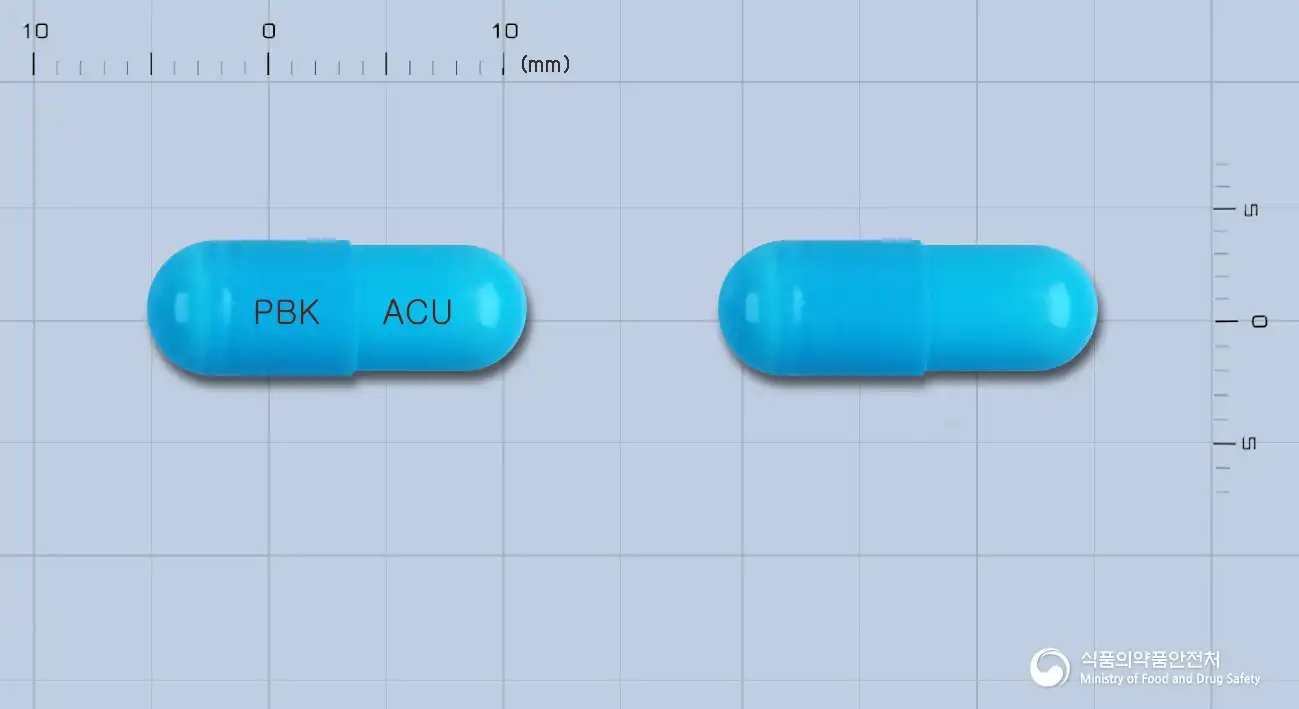
Nefopam Hydrochloride 30mg
Hard capsule · Prescription medication
Korea Pharmbio Co., Ltd.
Nefopam Hydrochloride 10mg
Prescription medication
Hana Pharmaceutical Co., Ltd.
Nefopam Hydrochloride 10mg
Prescription medication
Korea Pharmbio Co., Ltd.
Nefopam Hydrochloride 10mg
Prescription medication
Ilsung IS Co., Ltd.
Nefopam Hydrochloride 10mg
Injections · Prescription medication
BC World Pharmaceutical Co., Ltd.
Even with the same ingredient, the dose and directions can differ by strength and dosage form. Talk to a doctor or pharmacist before switching from a medication you are already taking.
No questions yet.
For anything that needs medical judgment, consult a doctor or pharmacist.
This drug information is based on data provided by the Korea Ministry of Food and Drug Safety.
Consult a doctor or pharmacist for accurate dosage, administration, and usage instructions.