
 한국어
 English
 日本語
 中文(简体)
Dosage form image
Viewing nowTamir Capsule 30mg (Oseltamivir Phosphate)
Oseltamivir Phosphate 39.4mg
Hard capsule · Prescription medication
Samchundang Pharm. Co., Ltd.
MFDS item code 201603590 · Approved 2016.06.20
Treatment and prevention of influenza A and B infections
This medication is used for the treatment of influenza A and B virus infections in infants over 2 weeks of age to adults. It is important to initiate treatment within 48 hours of the onset of infection to alleviate symptoms quickly. Additionally, it can be used for influenza prevention in individuals over 1 year of age, but vaccination is the primary preventive measure. This medication should only be used for prevention in the case of circulating strains not included in the vaccine or when vaccination is not feasible, and it cannot replace vaccination. This medication is effective for the treatment and prevention of influenza infections.
Influenza A and influenza B virus infections: Initiate treatment on the first or second day after the onset of influenza symptoms. This drug may be administered with or without food; in some patients, tolerability may improve when taken with food. Adults and adolescents aged 13 years and older: Administer 75 mg of oseltamivir orally twice daily for 5 days. Adults and adolescents aged 13 years and older who have difficulty swallowing capsules should use this drug as a powder for suspension. Patients with renal impairment: No dosage adjustment is required for patients with creatinine clearance ≥ 60 mL/min. For patients with creatinine clearance of 30 ~ 60 mL/min, reducing the dose to 30 mg twice daily for 5 days is recommended. For patients with creatinine clearance of 10 ~ 30 mL/min, reducing the dose to 30 mg once daily for 5 days is recommended. Patients receiving periodic hemodialysis should receive a 30 mg dose of this drug after each dialysis session to maintain plasma concentrations within the therapeutic range; the treatment period should not exceed 5 days. If influenza symptoms develop during the 48 hours between dialysis sessions, the dose may also be administered before the start of dialysis. For peritoneal dialysis, a single 30 mg dose of this drug after dialysis is recommended. The pharmacokinetics of oseltamivir have not been studied in patients with end-stage renal disease who are not receiving dialysis (e.g., creatinine clearance 10mL/min or less); therefore, no recommended dose is available for these patients. Patients with hepatic impairment: No dosage adjustment is required for treatment in adult patients with mild to moderate hepatic impairment (Child-Pugh score ≤ 9). Prevention of influenza A and influenza B virus infections Adults and adolescents aged 13 years and older: For those in close contact with an infected person, administer 75 mg of oseltamivir orally once daily for 10 days. Begin administration within 2 days of contact with the infected person. The recommended dose for prevention during an influenza epidemic is 75 mg once daily. The safety and efficacy of this drug have been demonstrated for up to 6 weeks. The preventive effect persists while taking this drug. Patients with renal impairment: No dosage adjustment is required for patients with creatinine clearance ≥ 60 mL/min. For patients with creatinine clearance of 30 ~ 60 mL/min, reducing the dose to 30 mg once daily is recommended. For patients with creatinine clearance of 10 ~ 30 mL/min, reducing the dose to 30 mg once daily and administering it every other day is recommended. Patients receiving periodic hemodialysis should receive a 30 mg dose of this drug after every 2 dialysis sessions to maintain plasma concentrations within the therapeutic range. The first dose may also be administered before the start of dialysis. For peritoneal dialysis, administration of 30 mg of this drug after dialysis once weekly is recommended. The pharmacokinetics of oseltamivir have not been studied in patients with end-stage renal disease who are not receiving dialysis (e.g., creatinine clearance 10mL/min or less); therefore, no recommended dose is available for these patients. Patients with hepatic impairment: No dosage adjustment is required for prevention in adult patients with mild to moderate hepatic impairment (Child-Pugh score ≤ 9).
Treatment of influenza A and influenza B virus infections — children aged 1 to 12 years: Pediatric patients weighing more than 40 kg who can swallow capsules may take 75mg capsules twice daily or 30mg and 45mg capsules twice daily instead of the recommended dose of this drug suspension. Weight ≤ 15 kg: 30 mg twice daily; suspension (6mg/mL) 5.0 mL twice daily Weight 15 kg<, ≤ 23 kg: 45 mg twice daily; suspension (6mg/mL) 7.5 mL twice daily Weight 23 kg<, ≤ 40 kg: 60 mg twice daily; suspension (6mg/mL) 10.0 mL twice daily Weight > 40 kg: 75 mg twice daily; suspension (6mg/mL) 12.5 mL twice daily Children aged 2 weeks to less than 1 year: The recommended dose for pediatric patients aged 2 weeks to 12 months is 3mg/kg of this drug orally twice daily for 5 days. This does not apply to infants with a postconceptional age of less than 36 weeks. Weight 3 kg: 9 mg twice daily; suspension (6mg/mL) 1.5 mL twice daily Weight 4 kg: 12 mg twice daily; suspension (6mg/mL) 2.0 mL twice daily Weight 5 kg: 15 mg twice daily; suspension (6mg/mL) 2.5 mL twice daily Weight 6 kg: 18 mg twice daily; suspension (6mg/mL) 3.0 mL twice daily Weight 7 kg: 21 mg twice daily; suspension (6mg/mL) 3.5 mL twice daily Weight 8 kg: 24 mg twice daily; suspension (6mg/mL) 4.0 mL twice daily Weight 9 kg: 27 mg twice daily; suspension (6mg/mL) 4.5 mL twice daily Weight 10 kg: 30 mg twice daily; suspension (6mg/mL) 5.0 mL twice daily * This table does not include all possible weights in this patient group. For children under 1 year of age, a dose of 3mg/kg of this drug is recommended. Prevention of influenza A and influenza B virus infections — children aged 1 to 12 years: Pediatric patients weighing more than 40 kg who can swallow capsules may take 75mg capsules once daily or 30mg and 45mg capsules once daily for 10 days instead of the recommended dose of this drug suspension. Weight ≤ 15 kg: 30 mg once daily; suspension (6mg/mL) 5.0 mL once daily Weight 15 kg<, ≤ 23 kg: 45 mg once daily; suspension (6mg/mL) 7.5 mL once daily Weight 23 kg<, ≤ 40 kg: 60 mg once daily; suspension (6mg/mL) 10.0 mL once daily Weight > 40 kg: 75 mg once daily; suspension (6mg/mL) 12.5 mL once daily ※ The safety and efficacy of prevention of influenza A and B virus infections in children under 1 year of age have not been evaluated.
This medication is used for the treatment and prevention of influenza virus infections but cannot replace influenza vaccinations. This medication is effective against influenza A and B viruses only, and its safety and efficacy for other infections have not been confirmed. Adverse neurological and psychiatric reactions, such as seizures or delirium, have been reported during treatment with this medication, particularly in children and adolescents, so caregivers should carefully monitor for any unusual behavior. Patients with a hypersensitivity to this medication should not use it, and dose adjustments or careful administration are necessary for patients with renal impairment or those in high-risk groups. Common side effects during treatment may include nausea, vomiting, headaches, but most are mild and temporary. Severe allergic reactions, impaired liver function, skin rashes, acute renal failure, blood abnormalities, and neurological symptoms may occur, so any abnormal symptoms should be reported to healthcare personnel immediately. Women who are pregnant or breastfeeding should carefully consider the benefits and risks of using this medication, and its safety and efficacy have not been established for children under 1 year of age. For elderly patients, dose adjustment is not necessary, but they should be closely monitored due to potential declines in physical function. Severe adverse reactions from overdoses are rare, but if any abnormal symptoms occur, seek medical attention immediately. This medication has a low potential for interactions with other drugs; however, caution may be needed when used with specific medications. No significant effects have been reported while driving or operating machinery, but attention is needed due to symptoms caused by influenza itself. This medication should be kept out of reach of children and should not be transferred to other containers for safety.
Not everyone experiences these, and they can vary from person to person.
This medication is sensitive to air and moisture, so it should be stored in a tightly sealed container. It is also important to store it in a cool place below 25 degrees Celsius to maintain its effectiveness.
A hard capsule with a pale yellow body and cap containing a white or pale yellow powder.
10 capsules ((10 capsules/PTP) x 1)
Even with the same ingredient, strength, dosage form and how it is taken can differ.
Oseltamivir Phosphate 39.4mg
Hard capsule · Prescription medication
Samchundang Pharm. Co., Ltd.
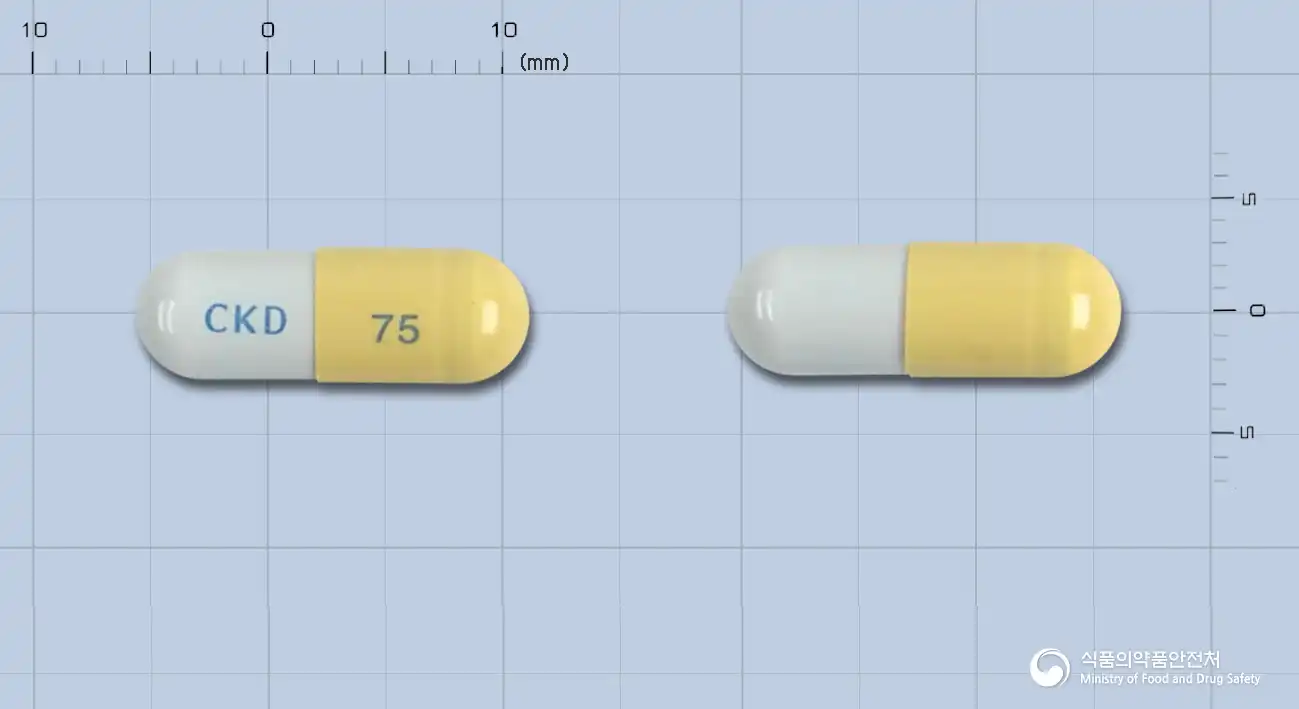
Oseltamivir Phosphate 98.5mg
Hard capsule · Prescription medication
Jonggeun Dang Co., Ltd.
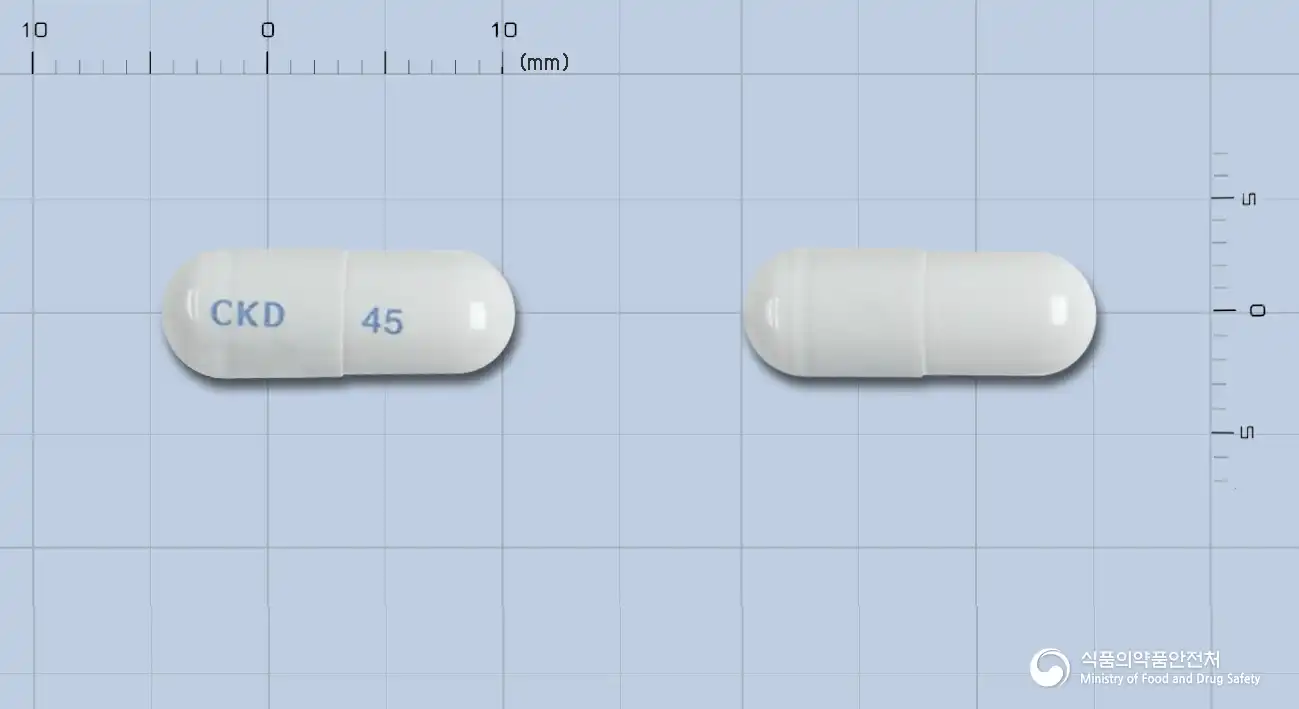
Oseltamivir Phosphate 59.1mg
Hard capsule · Prescription medication
Jongkun Dang Co., Ltd.
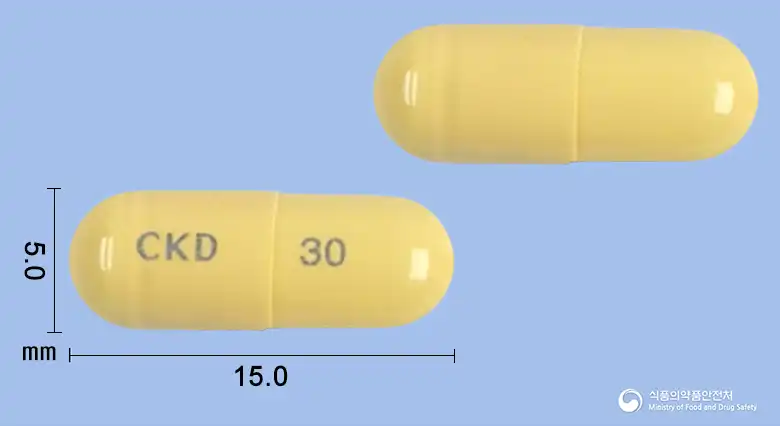
Oseltamivir Phosphate 39.4mg
Hard capsule · Prescription medication
Jongkundang Co., Ltd.
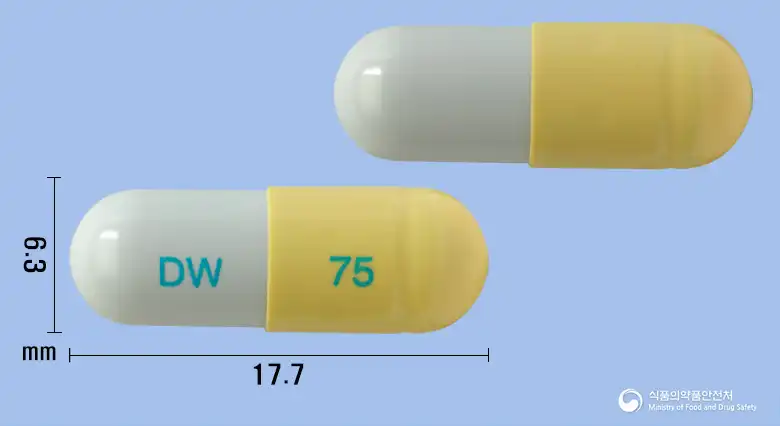
Oseltamivir Phosphate 98.5mg
Hard capsule · Prescription medication
Daewoong Pharmaceutical Co., Ltd.
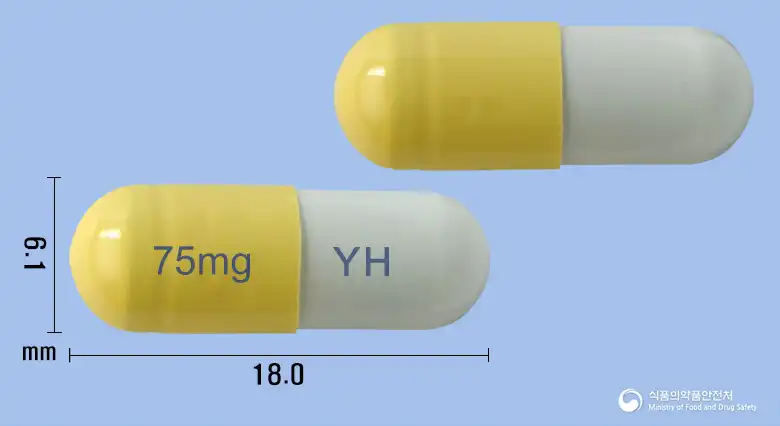
Oseltamivir Phosphate 98.5mg
Hard capsule · Prescription medication
Yuhan Pharmaceutical Co., Ltd.
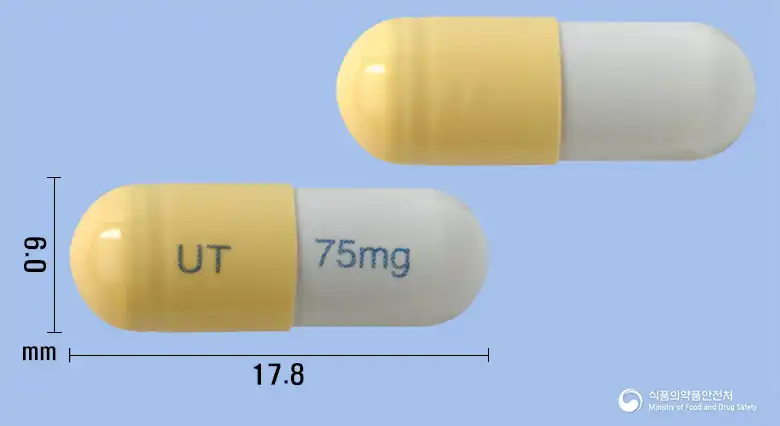
Oseltamivir Phosphate 98.5mg
Hard capsule · Prescription medication
Korea United Pharm (Co., Ltd.)
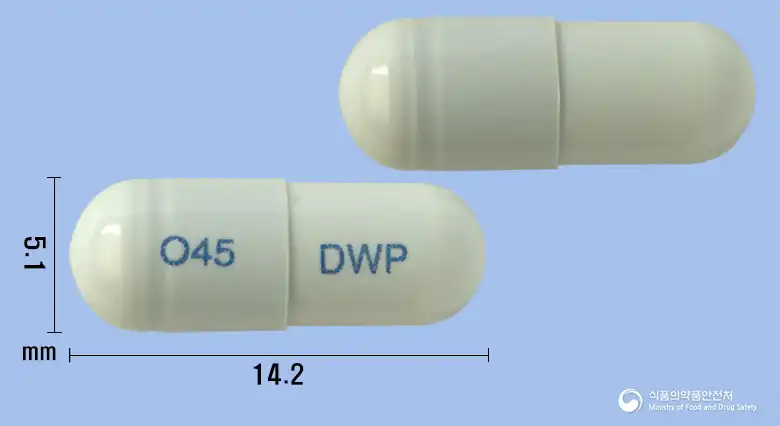
Oseltamivir Phosphate 59.1mg
Hard capsule · Prescription medication
Daewon Pharmaceutical Co., Ltd.
Even with the same ingredient, the dose and directions can differ by strength and dosage form. Talk to a doctor or pharmacist before switching from a medication you are already taking.
No questions yet.
For anything that needs medical judgment, consult a doctor or pharmacist.
This drug information is based on data provided by the Korea Ministry of Food and Drug Safety.
Consult a doctor or pharmacist for accurate dosage, administration, and usage instructions.