
 한국어
한국어 English
 日本語
日本語 中文(简体)
 Viewing now
Ciprofloxacin Tablets (Ciprofloxacin Hydrochloride Hydrate)
Ciprofloxacin Hydrochloride Hydrate 291mg
Tablet · Prescription medication
Donggu Bio Pharmaceutical Co., Ltd.
MFDS item code 201508296 · Approved 2015.12.17 · Insurance code 657306750
Effective in treating respiratory infections and urinary tract infections.
This medication is used to treat infections caused by various bacteria, including Escherichia coli, Shigella, and Salmonella. It is particularly effective for respiratory infections except acute bronchitis and community-acquired pneumonia. It is also used for infections of the ear, nose, and throat, acute uncomplicated cystitis, acute pyelonephritis, and urinary tract infections. It applies to infections of the skin and soft tissue, osteoarticular infections, gynecological infections, and peritonitis. However, its use is restricted to situations where no other treatment options are available for some non-serious infections. This drug is used effectively for various bacterial infections.
For the usual adult dose of ciprofloxacin, take 250-500 mg orally twice daily between meals. In the case of severe complicated infections, the dose may be increased to 750 mg twice a day. For acute infections, treatment typically lasts 5-10 days, with a minimum continuation of 3 days after symptoms have resolved. For patients with renal impairment, the dose should be adjusted according to creatinine clearance. Adjustments should be made as clinically appropriate.
This drug may cause severe side effects such as tendonitis and tendon rupture, peripheral neuropathy, and central nervous system abnormal reactions. Special caution is needed for patients with myasthenia gravis as symptoms may worsen. This medication is used only for specific infections such as acute bacterial rhinosinusitis, acute exacerbation of chronic bronchitis, uncomplicated urinary tract infections, and acute otitis media when no other treatment options are available. Elderly patients, patients with impaired kidney function, and those taking corticosteroids should avoid concurrent use due to increased risk of tendon rupture. Pregnant women or those who may become pregnant, nursing mothers, adolescents under 18, and patients with epilepsy should not use this medication. Additionally, the risk of side effects increases when used with certain drugs, so consultation with a doctor or pharmacist is essential. During treatment with this drug, if severe diarrhea, skin rash, visual disturbances, or central nervous system symptoms occur, treatment should be stopped immediately and healthcare personnel consulted. Exposure to sunlight or ultraviolet light should be avoided during use, and caution is advised when driving or operating machinery. Diabetic patients requiring blood sugar control should closely monitor changes in blood sugar and seek immediate treatment for symptoms of hypoglycemia. In case of overdose, kidney function should be carefully monitored, and appropriate emergency measures taken if necessary. This medication has not been established as safe for use in children and adolescents.
Severe allergic reactions may occur such as anaphylaxis, shock, serum sickness-like reactions, angioedema, severe swelling, acute renal failure from severe swelling or urination abnormalities, life-threatening blood disorders such as bone marrow suppression, and severe skin reactions such as Stevens-Johnson syndrome, toxic epidermal necrolysis, blisters, and acute generalized exanthematous pustulosis have been reported. Respiratory issues including dyspnea (asthmatic symptoms included) and laryngeal edema have also been reported.
Not everyone experiences these, and they can vary from person to person.
This medication should be stored in a sealed container to prevent air exposure and is best kept at room temperature between 1 to 30 degrees Celsius. Proper storage will help maintain the drug's effectiveness and safety.
White round film-coated tablets
30 tablets/bottle, 100 tablets/bottle
Even with the same ingredient, strength, dosage form and how it is taken can differ.
Viewing nowCiprofloxacin Hydrochloride Hydrate 291mg
Tablet · Prescription medication
Donggu Bio Pharmaceutical Co., Ltd.
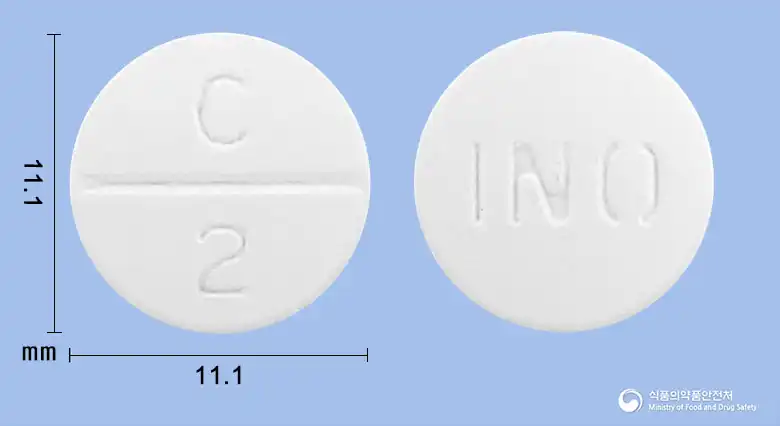
Ciprofloxacin Hydrochloride 291.5mg
Tablet · Prescription medication
HK inno.N Co., Ltd.
Ciprofloxacin Hydrochloride
Prescription medication
Dongkwang Pharmaceutical Co., Ltd.
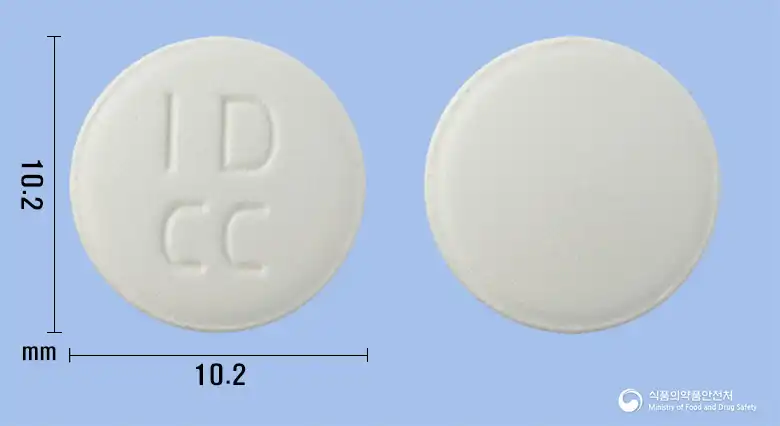
Ciprofloxacin Hydrochloride 291mg
Tablet · Prescription medication
Il Dong Pharmaceutical Co., Ltd.

Ciprofloxacin Hydrochloride 582mg
Tablet · Prescription medication
Il Dong Pharmaceutical Co., Ltd.
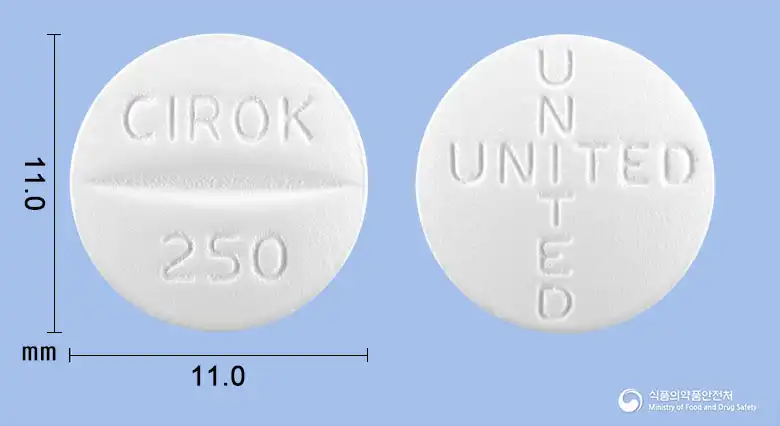
Ciprofloxacin Hydrochloride Hydrate 291mg
Tablet · Prescription medication
Korea United Pharm, Inc.
Ciprofloxacin Hydrochloride Hydrate 291mg
Tablet · Prescription medication
SK Chemicals Co., Ltd.

Ciprofloxacin Hydrochloride Hydrate 291mg
Tablet · Prescription medication
Donghwa Pharmaceutical Co., Ltd.
Even with the same ingredient, the dose and directions can differ by strength and dosage form. Talk to a doctor or pharmacist before switching from a medication you are already taking.
No questions yet.
For anything that needs medical judgment, consult a doctor or pharmacist.
This drug information is based on data provided by the Korea Ministry of Food and Drug Safety.
Consult a doctor or pharmacist for accurate dosage, administration, and usage instructions.