Medication info
Bicavir Tablet 450 mg

(Cidofovir Hydrochloride)

Bicavir Tablet 450 mg (Cidofovir Hydrochloride)

Prescription medicationTabletOral · Intravenous injection
Ingredient · strength
Valganciclovir Hydrochloride›496.3mg
Manufacturer / importer
Jaytechbiopharm
Appearance
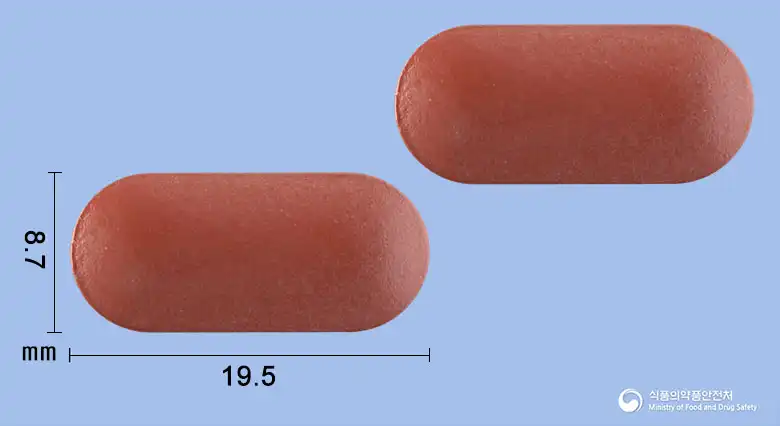
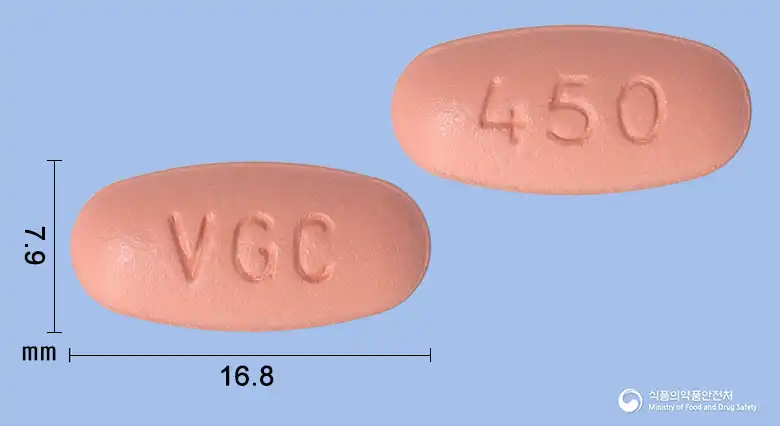
Brown, double-convex, film-coated tablet
Packaging
20 tablets/blister[/box]
Approval status
Active

MFDS item code 201505740 · Approved 2015.08.17 · Insurance code 052900050

Summary

Main use
Treatment of CMV retinitis in adults with AIDS; prevention of CMV disease in solid organ transplant recipients
Who uses it
Adults · Children
Adult dosage
Treatment of CMV retinitis in patients with AIDS Adult patients Induction therapy For patients with active CMV retinitis, take 900mg per dose twice daily with food for 21 days. Maintenance therapy After induction therapy, or for patients with inactive CMV retinitis, take 900mg once daily with food. If retinitis worsens, repeat induction therapy. Prevention of CMV disease in transplant recipients Adult patients For kidney transplant recipients, start taking the medicine within 10 days after transplantation and take 900mg once daily through day 200. For recipients of solid organ transplants other than kidney transplants, start taking the medicine within 10 days after transplantation and take 900mg once daily through day 100. Dosage and administration in special populations Adults with renal impairment Serum creatinine clearance should be monitored carefully in patients with renal impairment, and the dose should be adjusted according to creatinine clearance. CrCl(ml/min) | Induction dose | Maintenance/prophylactic dose ≥60 | 900mg per dose twice daily | 900mg per dose once daily 40-59 | 450mg per dose twice daily | 450mg per dose once daily 25-39 | 450mg per dose once daily | 450mg per dose every other day 10-24 | 450mg per dose every other day | 450mg per dose twice weekly *Creatinine clearance is calculated from serum creatinine using the following formula. Female creatinine clearance = 0.85 x male creatinine clearance Patients on dialysis This medicine cannot be used in patients on dialysis (ClCR<10ml/min); use of intravenous ganciclovir is recommended, and the dose should be adjusted according to the current prescribing information for intravenous ganciclovir.
Children's dosage
Treatment of CMV retinitis in patients with AIDS Pediatric patients The safety and efficacy of this drug for the treatment of CMV retinitis have not been established in adequate and well-controlled clinical studies in pediatric patients. Prevention of CMV disease in solid organ transplant recipients Pediatric patients For pediatric patients aged 4 months or older who have undergone solid organ transplantation and are at risk of developing CMV disease, the recommended daily dose of this drug is calculated using the following formula based on body surface area (BSA) and creatinine clearance (CrCL) calculated using the Schwartz formula (CrCLS). Pediatric dose (mg) = 7 × BSA × CrCLS (Refer to the Mosteller BSA formula and the Schwartz creatinine clearance formula.) If the calculated Schwartz creatinine clearance exceeds 150mL/min/1.73m2, 150mL/min/1.73m2 should be used in the formula. k=0.45*(under 2 years of age) k=0.55 (boys: 2 years to under 13 years; girls: 2 years to under 16 years) k=0.7 (boys: 13 years-16 years) For patients over 16 years of age, refer to the adult dosage. - The k values provided are based on the Jaffe method for measuring serum creatinine; adjustment may be needed when an enzymatic method is used. -* A lower k value may be required for appropriate subpopulations. Pediatric kidney transplant recipients should start taking this drug within 10 days after transplantation and take the recommended dose (7×BSA×CrCLS) once daily through day 200. Pediatric recipients of solid organ transplants other than kidney transplants should start taking this drug within 10 days after transplantation and take the recommended dose (7×BSA×CrCLS) once daily through day 100. All calculated doses should be rounded to the nearest multiple of 25mg, taking into account the dose that can actually be administered. If the calculated dose exceeds 900mg, the maximum dose of this drug, 900mg, should be administered. Valcyte powder for oral solution is convenient for administering doses calculated using the above formula; however, the 450mg tablet may be taken if the calculated dose is within 10% of the 450mg tablet dose (405mg-495mg) and the patient can swallow tablets. It is recommended that serum creatinine levels be monitored regularly and that the dose be adjusted as appropriate during the prophylaxis period, taking into account changes in renal function and body weight.

Ingredients

Importer
Jaytechbiopharm

Efficacy & effects

Treatment of CMV retinitis in adults with AIDS; prevention of CMV disease in solid organ transplant recipients

  • CMV retinitis
  • risk of CMV disease infection
View approved original text

This medication is used to treat CMV retinitis in adult patients with AIDS and to prevent CMV disease in adult and pediatric patients at risk of CMV infection following solid organ transplantation.

Dosage and Administration

Adult dosage

Treatment of CMV retinitis in patients with AIDS Adult patients Induction therapy For patients with active CMV retinitis, take 900mg per dose twice daily with food for 21 days. Maintenance therapy After induction therapy, or for patients with inactive CMV retinitis, take 900mg once daily with food. If retinitis worsens, repeat induction therapy. Prevention of CMV disease in transplant recipients Adult patients For kidney transplant recipients, start taking the medicine within 10 days after transplantation and take 900mg once daily through day 200. For recipients of solid organ transplants other than kidney transplants, start taking the medicine within 10 days after transplantation and take 900mg once daily through day 100. Dosage and administration in special populations Adults with renal impairment Serum creatinine clearance should be monitored carefully in patients with renal impairment, and the dose should be adjusted according to creatinine clearance. CrCl(ml/min) | Induction dose | Maintenance/prophylactic dose ≥60 | 900mg per dose twice daily | 900mg per dose once daily 40-59 | 450mg per dose twice daily | 450mg per dose once daily 25-39 | 450mg per dose once daily | 450mg per dose every other day 10-24 | 450mg per dose every other day | 450mg per dose twice weekly *Creatinine clearance is calculated from serum creatinine using the following formula. Female creatinine clearance = 0.85 x male creatinine clearance Patients on dialysis This medicine cannot be used in patients on dialysis (ClCR<10ml/min); use of intravenous ganciclovir is recommended, and the dose should be adjusted according to the current prescribing information for intravenous ganciclovir.

Children's dosage

Treatment of CMV retinitis in patients with AIDS Pediatric patients The safety and efficacy of this drug for the treatment of CMV retinitis have not been established in adequate and well-controlled clinical studies in pediatric patients. Prevention of CMV disease in solid organ transplant recipients Pediatric patients For pediatric patients aged 4 months or older who have undergone solid organ transplantation and are at risk of developing CMV disease, the recommended daily dose of this drug is calculated using the following formula based on body surface area (BSA) and creatinine clearance (CrCL) calculated using the Schwartz formula (CrCLS). Pediatric dose (mg) = 7 × BSA × CrCLS (Refer to the Mosteller BSA formula and the Schwartz creatinine clearance formula.) If the calculated Schwartz creatinine clearance exceeds 150mL/min/1.73m2, 150mL/min/1.73m2 should be used in the formula. k=0.45*(under 2 years of age) k=0.55 (boys: 2 years to under 13 years; girls: 2 years to under 16 years) k=0.7 (boys: 13 years-16 years) For patients over 16 years of age, refer to the adult dosage. - The k values provided are based on the Jaffe method for measuring serum creatinine; adjustment may be needed when an enzymatic method is used. -* A lower k value may be required for appropriate subpopulations. Pediatric kidney transplant recipients should start taking this drug within 10 days after transplantation and take the recommended dose (7×BSA×CrCLS) once daily through day 200. Pediatric recipients of solid organ transplants other than kidney transplants should start taking this drug within 10 days after transplantation and take the recommended dose (7×BSA×CrCLS) once daily through day 100. All calculated doses should be rounded to the nearest multiple of 25mg, taking into account the dose that can actually be administered. If the calculated dose exceeds 900mg, the maximum dose of this drug, 900mg, should be administered. Valcyte powder for oral solution is convenient for administering doses calculated using the above formula; however, the 450mg tablet may be taken if the calculated dose is within 10% of the 450mg tablet dose (405mg-495mg) and the patient can swallow tablets. It is recommended that serum creatinine levels be monitored regularly and that the dose be adjusted as appropriate during the prophylaxis period, taking into account changes in renal function and body weight.

Precautions

This drug quickly converts to ganciclovir in the body and acts as such. Women who may become pregnant must use effective contraception while taking this medication, and men must use physical contraception for at least 90 days during and after taking the drug. This drug should not be administered to patients with very low levels of white blood cells, platelets, or hemoglobin, and blood tests should be conducted prior to administration to confirm these conditions. Adverse effects such as cytopenia or bone marrow suppression may occur, so blood counts should be monitored regularly, and if abnormalities are detected, medical consultation should be sought immediately. Patients with impaired kidney function may be affected in drug excretion; hence, dose adjustments may be necessary based on renal function tests. This medication may affect the central nervous system, causing dizziness, confusion, or seizures; caution is needed when performing hazardous tasks such as driving or operating machinery. Pregnant or breastfeeding women should generally not use this drug, and when nursing, careful consideration should be given to discontinuing either the medication or breastfeeding. Safety and efficacy data are lacking for children, especially infants under 4 months, so caution is advised in use. Elderly patients are at higher risk of renal function decline, and kidney function should be assessed before and after administration, with dose adjustments made accordingly while being alert for adverse reactions. This drug may interact with other medications, thus patients should inform healthcare providers of any other medications they are taking, especially immunosuppressants or antiviral agents, as side effects may increase when taken concurrently. In cases of overdose, there is a risk of severe bone marrow suppression and nephrotoxicity; therefore, it is critical to strictly adhere to the prescribed dosage and regimen, and to seek medical help immediately in the event of overdose. This medication should not be divided or powdered for use, and care should be taken to prevent any fragments from contacting the skin or mucous membranes while handling. For storage, keep this medication in a tightly sealed container, away from children, and dispose of expired medication properly.

Side effects

  • Diarrhea
  • Neutropenia
  • Fever
  • Oral Candidiasis
  • Headache
  • Fatigue
  • Nausea
  • Injection Site Reaction
  • Phlebitis
  • Thrombophlebitis
Show 193 more
  • Anemia
  • Vomiting
  • Abdominal Pain
  • Constipation
  • Epigastric Pain
  • Dyspepsia
  • Abdominal Distension
  • Ascites
  • Lower Limb Edema
  • Pain
  • Swelling
  • Peripheral Edema
  • Weakness
  • Thrombocytopenia
  • Leukopenia
  • Pharyngitis
  • Nasopharyngitis
  • Sinusitis
  • Upper Respiratory Tract Infection
  • Influenza
  • Pneumonia
  • Bronchitis
  • Pneumocystis Pneumonia
  • Urinary Tract Infection
  • Headache
  • Insomnia
  • Peripheral Neuropathy
  • Sensory Disturbances
  • Tremors
  • Dizziness
  • Dermatitis
  • Erythema
  • Pruritus
  • Acne
  • Rash
  • Cough
  • Dyspnea
  • Productive Cough
  • Rhinorrhea
  • Pleural Effusion
  • Retinal Detachment
  • Blurred Vision
  • Depression
  • Weight Loss
  • Increased Serum Creatinine
  • Low Back Pain
  • Arthralgia
  • Muscle Cramp
  • Limb Pain
  • Renal Dysfunction
  • Urinary Hesitancy
  • Transplant Rejection Reaction
  • Anorexia
  • Cachexia
  • Hyperkalemia
  • Hypokalemia
  • Hypomagnesemia
  • Hyperglycemia
  • Decreased Appetite
  • Dehydration
  • Hypophosphatemia
  • Hypocalcemia
  • Hepatic Dysfunction
  • Postoperative Complications
  • Postoperative Pain
  • Postoperative Wound Infection
  • Increased Wound Exudate
  • Wound Defect
  • Hypotension
  • Hypertension
  • Pancytopenia
  • Bone Marrow Suppression
  • Aplastic Anemia
  • Febrile Neutropenia
  • Decreased Serum Creatinine Clearance
  • Bleeding related to Thrombocytopenia
  • Convulsions
  • Mental Abnormalities
  • Hallucinations
  • Confusion
  • Anxiety
  • Erythema Multiforme Reaction
  • Cholangitis
  • Dysphagia
  • Belching
  • Esophagitis
  • Fecal Incontinence
  • Gas Bloat
  • Gastritis
  • Gastrointestinal Disturbance
  • Gastrointestinal Bleeding
  • Oral Ulcer
  • Pancreatitis
  • Tongue Disorder
  • Weakness
  • Bacterial Infection
  • Fungal Infection
  • Viral Infection
  • Hemorrhage
  • Fatigue
  • Mucous Membrane Abnormalities
  • Photosensitivity Reaction
  • Stiffness
  • Sepsis
  • Chest Pain
  • Edema
  • Rigidity
  • Debility
  • Cellulitis
  • Herpes Simplex
  • Hepatitis
  • Jaundice
  • Increased ALT
  • Increased AST
  • Increased Serum LDH
  • Alopecia
  • Exfoliative Dermatitis
  • Dry Skin
  • Increased Sweating
  • Urticaria
  • Papular Rash
  • Abnormal Dreams
  • Amnesia
  • Anxiety
  • Dyscoordination
  • Coma
  • Dry Mouth
  • Emotional Disturbance
  • Hyperactivity Syndrome
  • Hypertonia
  • Decreased Libido
  • Areflexic Myoclonus
  • Neurasthenia
  • Drowsiness
  • Abnormal Thoughts
  • Gait Disorder
  • Hyperesthesia
  • Mania
  • Musculoskeletal Pain
  • Myasthenic Syndrome
  • Hematuria
  • Erectile Dysfunction
  • Renal Failure
  • Polyuria
  • Breast Pain
  • Increased Serum Alkaline Phosphatase
  • Increased Serum Creatine Phosphokinase
  • Decreased Serum Glucose
  • Increased Serum Lactic Dehydrogenase
  • Decreased Serum Magnesium
  • Diabetes Mellitus
  • Hypoproteinemia
  • Amblyopia
  • Blindness
  • Earache
  • Eye Hemorrhage
  • Eye Pain
  • Hearing Impairment
  • Glaucoma
  • Taste Disorder
  • Tinnitus
  • Visual Impairment
  • Vitreous Disorders
  • Retinitis
  • Conjunctivitis
  • Eosinophilia
  • Leukolysis
  • Lymphadenopathy
  • Splenomegaly
  • Iron Deficiency Anemia
  • Arrhythmia
  • Migraine
  • Tachycardia
  • Thrombotic Vein Inflammation
  • Vasodilation
  • Venous Congestion
  • Upper Respiratory Tract Infection
  • Fever
  • Abdominal Pain
  • Urinary Disorder
  • Urinary Tract Infection
  • Constipation
  • Tremors
  • Headache
  • Hypertension
  • Transplant Rejection Reaction
  • Hematuria
  • Urinary Hesitancy
  • Hematopoietic Toxicity
  • Bone Marrow Suppression
  • Medullary Dysplasia
  • Acute Renal Failure
  • Generalized Tremor

Not everyone experiences these, and they can vary from person to person.

Storage

This medication may be sensitive to air or moisture, so it should be stored in a tightly sealed container. Additionally, it is important to store it at room temperature, between 1 and 30 degrees Celsius, to maintain its efficacy.

Appearance and packaging

Appearance

Brown, double-convex, film-coated tablet

Package unit

20 tablets/blister[/box]

Same-ingredient medicines

Even with the same ingredient, strength, dosage form and how it is taken can differ.

Even with the same ingredient, the dose and directions can differ by strength and dosage form. Talk to a doctor or pharmacist before switching from a medication you are already taking.

Questions about this medicine

No questions yet.

For anything that needs medical judgment, consult a doctor or pharmacist.

Related searches

Search tags

Suggested searches

This drug information is based on data provided by the Korea Ministry of Food and Drug Safety.
Consult a doctor or pharmacist for accurate dosage, administration, and usage instructions.