
 한국어
 English
 日本語
 中文(简体)
 Viewing now
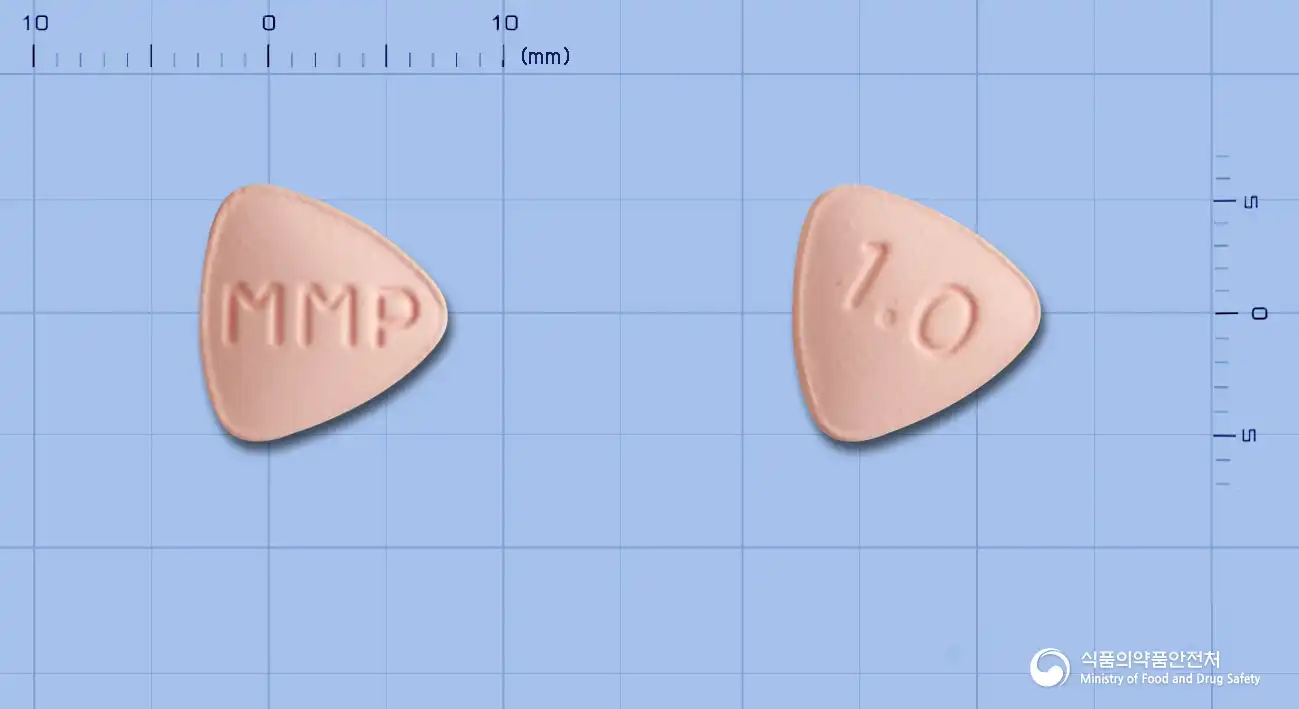
Myungmoon Entecavir Tablet 1.0 mg
Entecavir 1.06mg
Tablet · Prescription medication
Myungmoon Pharmaceutical Co., Ltd.
MFDS item code 201502569 · Approved 2015.04.29
Treatment of chronic hepatitis B virus infection in patients aged 16 years and older
Used for the treatment of adults (aged 16 and over) with chronic hepatitis B virus infection, confirmed active viral replication, persistent elevation of serum aminotransferases (ALT or AST), or histologically active disease.
Administer this medicine orally on an empty stomach (2 hours after a meal or at least 2 hours before a meal). Administer entecavir 0.5 mg orally once daily. Patients with lamivudine resistance, i.e., patients aged 16 years or older who have experienced persistent replication of hepatitis B virus despite lamivudine treatment or who have lamivudine-resistant mutations: Administer entecavir 1 mg once daily on an empty stomach. Patients with renal impairment: In patients with renal impairment, the oral clearance of this medicine decreases as creatinine clearance decreases. Adjust the dose as follows in patients with creatinine clearance below 50 mL/min, including patients receiving hemodialysis or peritoneal dialysis (CAPD). Creatinine clearance (mL/min) ≥ 50: Entecavir dose 0.5 mg once daily; entecavir dose in patients with lamivudine resistance 1 mg once daily Creatinine clearance (mL/min) 30 - <50: Entecavir dose 0.25 mg once daily a or 0.5 mg every 48 hours; entecavir dose in patients with lamivudine resistance 0.5 mg once daily or 1 mg every 48 hours Creatinine clearance (mL/min) 10 - <30: Entecavir dose 0.15 mg once daily a or 0.5 mg every 72 hours; entecavir dose in patients with lamivudine resistance 0.3 mg once daily a or 1 mg every 72 hours Creatinine clearance (mL/min) <10, hemodialysis b or CAPD: Entecavir dose 0.05 mg once daily a or 0.5 mg every 7 days; entecavir dose in patients with lamivudine resistance 0.1 mg once daily a or 1 mg every 7 days a: Use of the syrup formulation is recommended for doses less than 0.5 mg. b: If administered on a hemodialysis day, administer this medicine after the hemodialysis session.
This medicine may cause serious side effects such as lactic acidosis and steatosis in patients with liver disease; hence, caution is especially needed for women and obese patients. Fatal hepatic enlargement has been reported; if symptoms of liver dysfunction occur, discontinue use of the medication immediately. If treatment is stopped, hepatitis B may acutely worsen, so liver function should be closely monitored even after cessation. The effectiveness in patients simultaneously infected with HIV and hepatitis B has not been validated, so HIV infection must be tested, and appropriate treatment should be added. Patients with lactose intolerance or related genetic disorders should not take this medication. Patients with renal failure or those undergoing dialysis may require dosage adjustments, and renal function should be carefully monitored in patients who have undergone liver transplantation. This medication commonly causes side effects such as headache, fatigue, dizziness, and nausea, so consult with healthcare professionals if symptoms persist. Regular liver function tests are recommended as test results may worsen. During pregnancy, this medication should only be used if absolutely necessary, considering the risk to the fetus, and breastfeeding should be stopped or the medication discontinued during lactation. Pediatric patients may also use this medication, but safety has not been established for those under 2 years of age. Elderly patients may experience increased drug concentration due to decreased renal function, thus requiring dosage adjustments and renal function monitoring. Since this medication is primarily excreted via the kidneys, caution should be exercised when used with other medications that affect renal function, as adverse effects may occur. In case of overdose, supportive treatment corresponding to symptoms should be implemented, as there is no specific antidote, and some can be removed by dialysis. Store this medication out of reach of children, avoiding direct sunlight and keeping it at room temperature.
Not everyone experiences these, and they can vary from person to person.
This medication should be stored in a tightly closed container to protect it from air and light, and it is important to maintain a temperature between 15 to 30 degrees Celsius. Proper storage will help preserve the medication's efficacy and safety.
Pink triangular film-coated tablet
30 tablets (10 tablets/PTP X 3)
Even with the same ingredient, strength, dosage form and how it is taken can differ.
Viewing nowEntecavir 1.06mg
Tablet · Prescription medication
Myungmoon Pharmaceutical Co., Ltd.
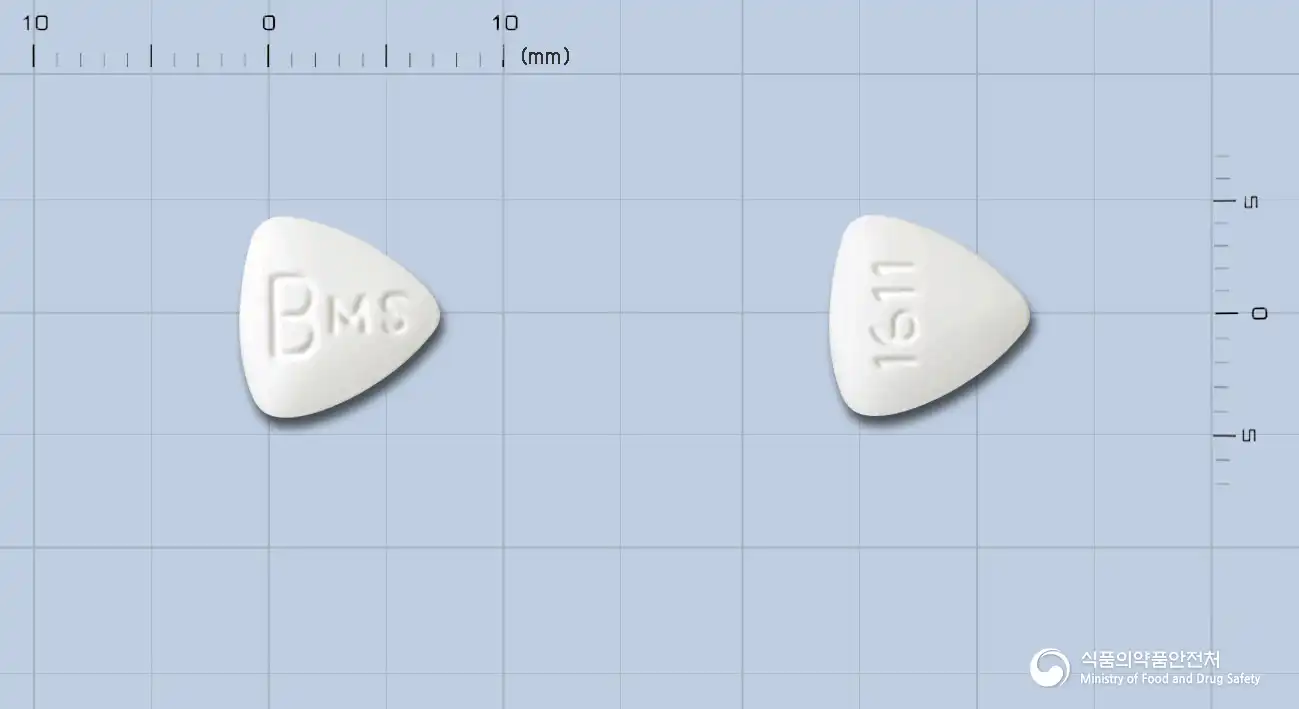
Entecavir 0.53mg
Tablet · Prescription medication
(Co., Ltd.) Korea BMS Pharmaceuticals
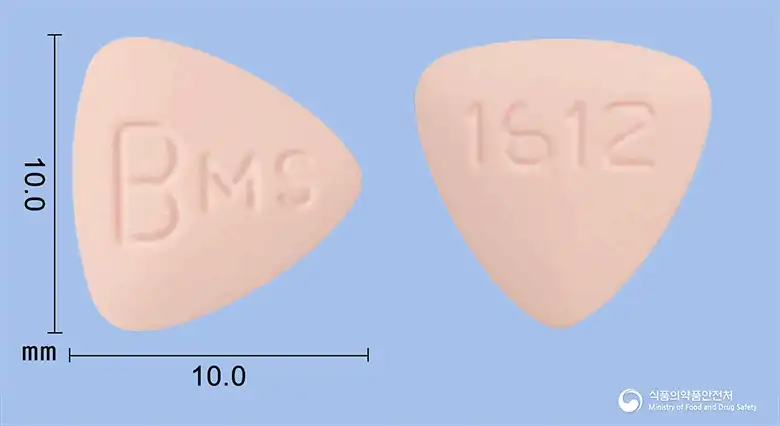
Entecavir 1.06mg
Tablet · Prescription medication
Korea BMS Pharma Co., Ltd.
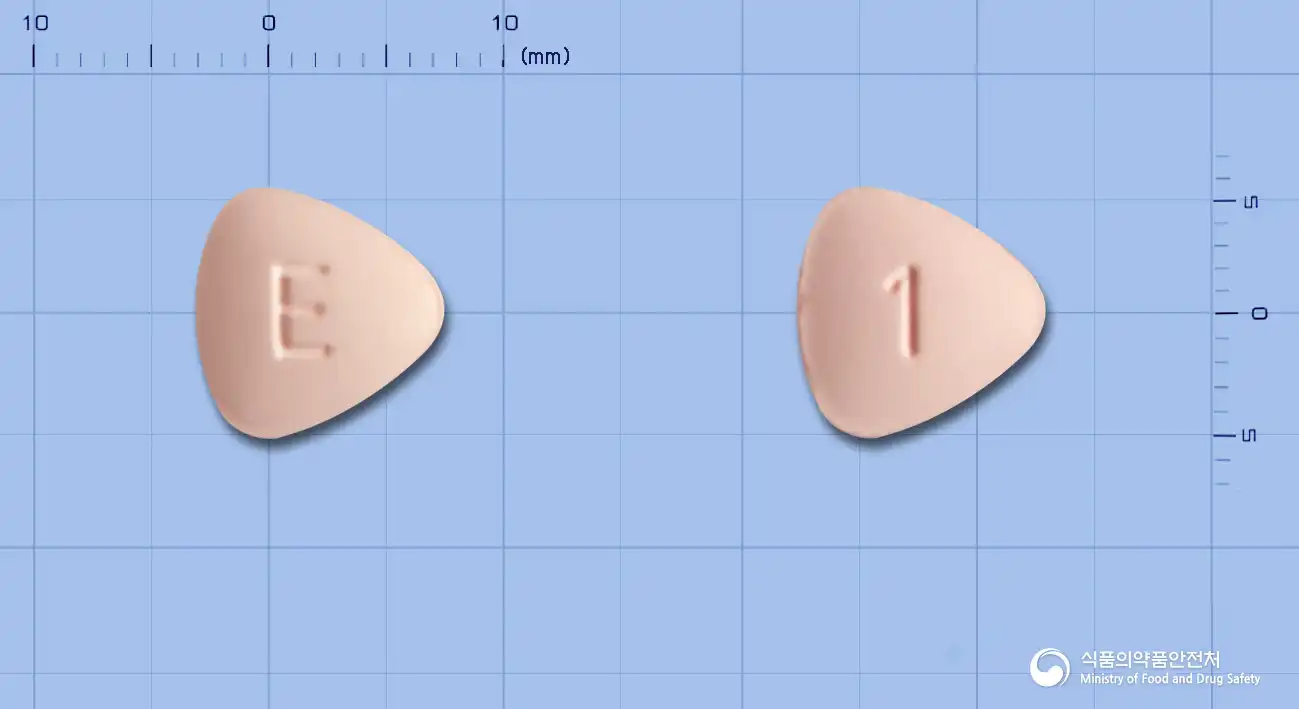
Entecavir 1.06mg
Tablet · Prescription medication
Hanmi Pharmaceutical Co., Ltd.
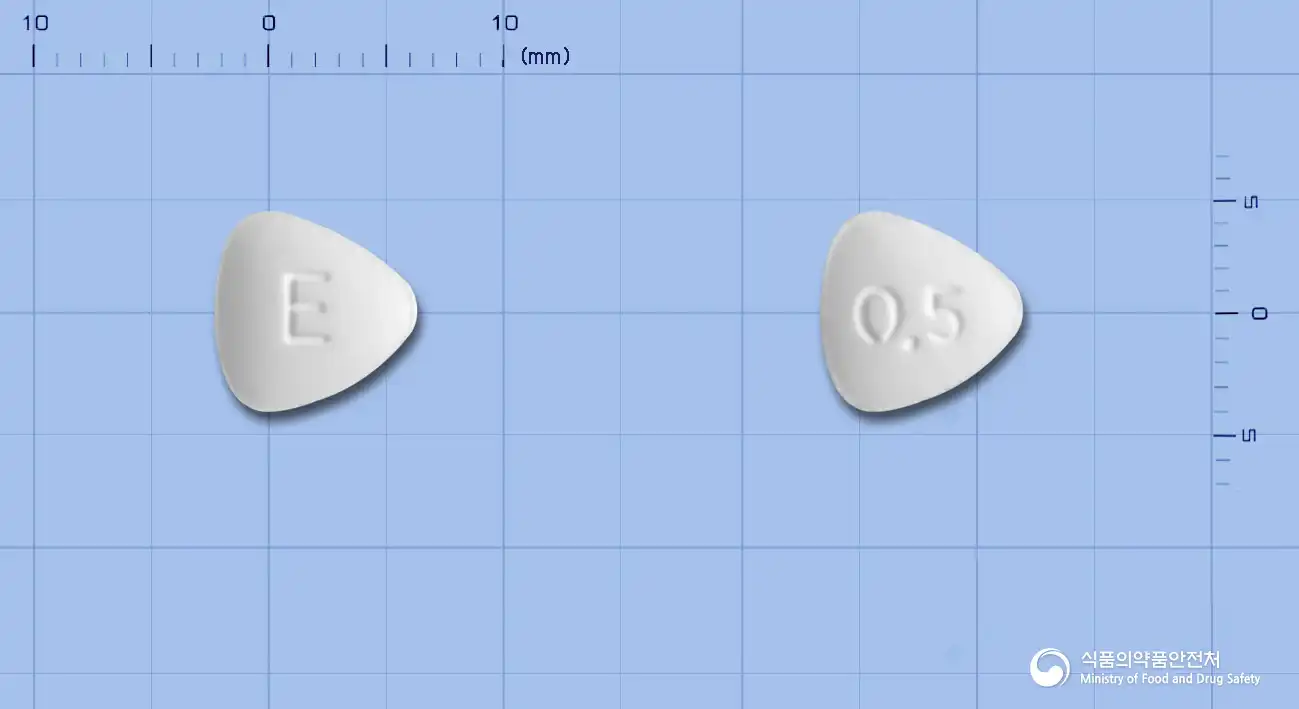
Entecavir 0.53mg
Tablet · Prescription medication
Hanmi Pharmaceutical Co., Ltd.
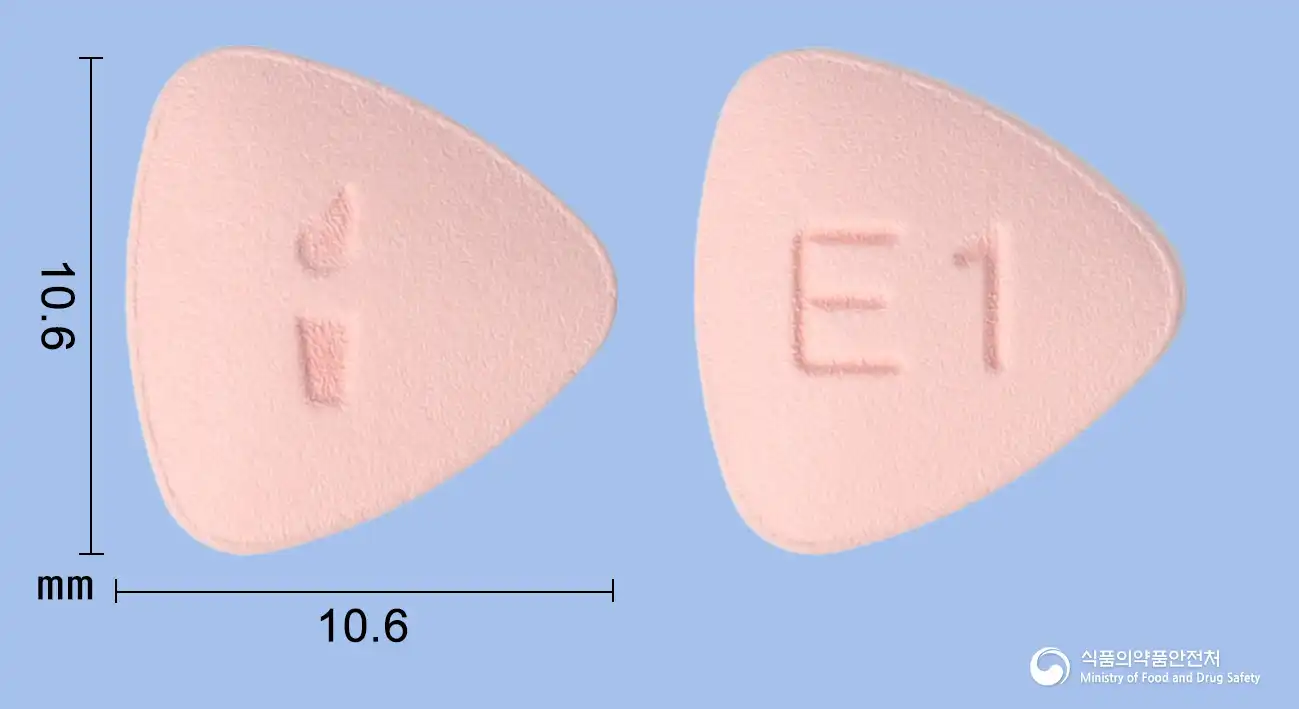
Entecavir 1.06mg
Tablet · Prescription medication
Sam-il Pharmaceutical Co., Ltd.
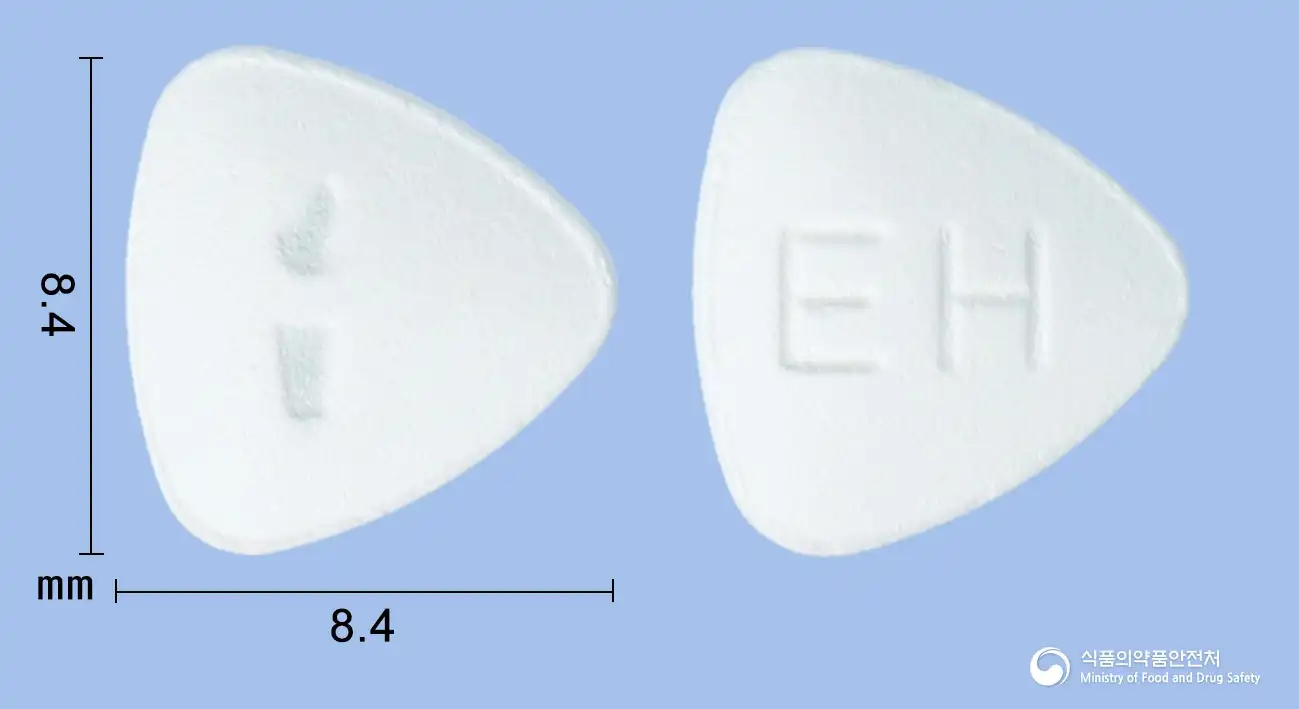
Entecavir 0.53mg
Tablet · Prescription medication
Samil Pharmaceutical Co., Ltd.
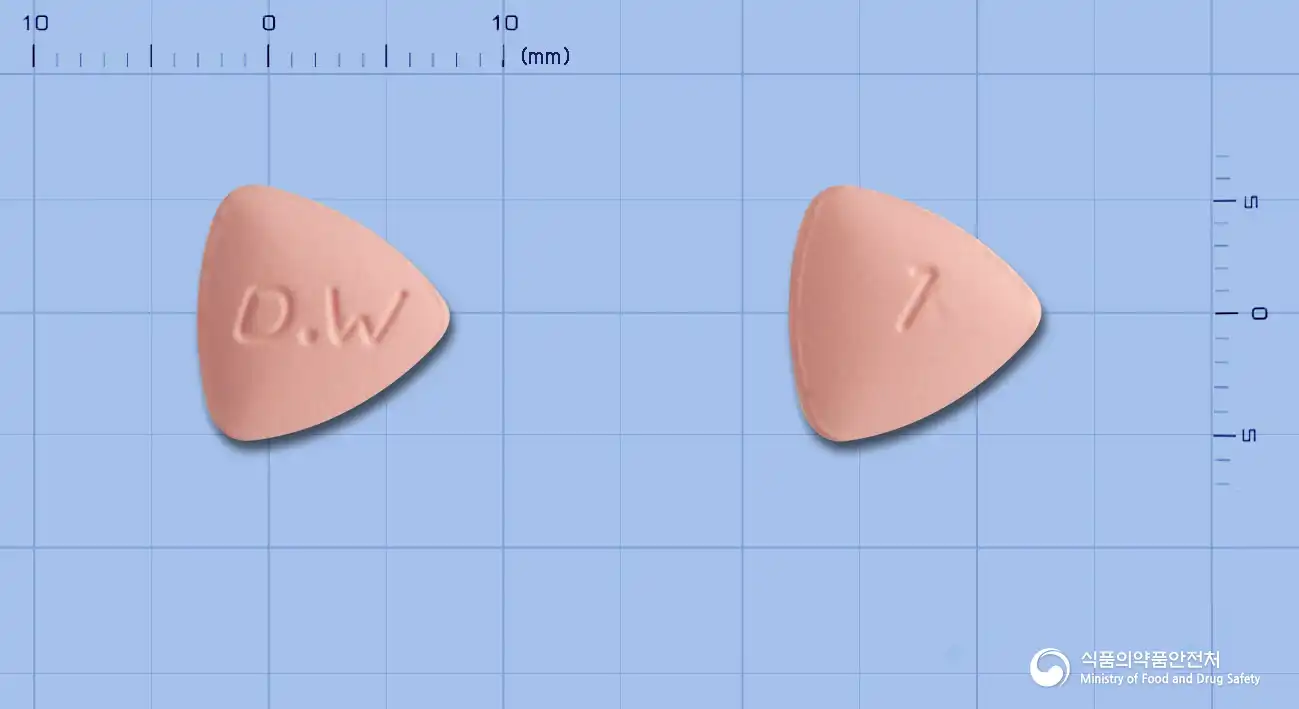
Entecavir 1.06mg
Tablet · Prescription medication
Daewoong Pharmaceutical Co., Ltd.
Even with the same ingredient, the dose and directions can differ by strength and dosage form. Talk to a doctor or pharmacist before switching from a medication you are already taking.
No questions yet.
For anything that needs medical judgment, consult a doctor or pharmacist.
This drug information is based on data provided by the Korea Ministry of Food and Drug Safety.
Consult a doctor or pharmacist for accurate dosage, administration, and usage instructions.