
 한국어
 English
 日本語
 中文(简体)
Summary
- Main use
- Adjunctive treatment of multidrug-resistant pulmonary tuberculosis
- Who takes it
- Adults · Children
- Adult dose
- This medicine should be administered as part of an appropriate combination regimen for the treatment of multidrug-resistant pulmonary tuberculosis, in accordance with tuberculosis treatment guidelines. Throughout treatment with this medicine and after the last dose, patients should continue taking the corresponding concomitant medicines in accordance with tuberculosis treatment guidelines. Take this medicine with food. The recommended adult dose is 100 mg twice daily for 24 weeks. If a dose is missed, take it as soon as you remember. However, if it is nearly time for the next dose, skip the missed dose and resume the regular dosing schedule.
- Child dose
- Body weight ≥50 kg: Administer 100 mg twice daily for 24 weeks. Body weight ≥30 kg and <50 kg: Administer 50 mg twice daily for 24 weeks.
Ingredients
- Importer
- Korea Otsuka Pharmaceutical Co.,Ltd.
Efficacy & effects
Adjunctive treatment of multidrug-resistant pulmonary tuberculosis
- Multidrug-resistant pulmonary tuberculosis
View approved original textHide original text
This medication is used for patients with multidrug-resistant pulmonary tuberculosis that is resistant to Mycobacterium tuberculosis, especially to isoniazid and rifampicin. It is intended for adults aged 18 years and older, and for children and adolescents weighing over 30 kg, and it is guided to be administered as part of a combination therapy. This drug is used as an alternative when there are no other effective treatments, and a Directly Observed Treatment (DOT) method is recommended. Additionally, before using this drug, appropriate drug selection and treatment duration should be determined by referring to tuberculosis treatment guidelines. However, it is not recommended for use in latent tuberculosis, drug-sensitive tuberculosis, extrapulmonary tuberculosis, or non-tuberculous mycobacterial infections as safety and efficacy have not been established in these cases. Therefore, it is used for treating multidrug-resistant pulmonary tuberculosis.
How to take
Adult dose
This medicine should be administered as part of an appropriate combination regimen for the treatment of multidrug-resistant pulmonary tuberculosis, in accordance with tuberculosis treatment guidelines. Throughout treatment with this medicine and after the last dose, patients should continue taking the corresponding concomitant medicines in accordance with tuberculosis treatment guidelines. Take this medicine with food. The recommended adult dose is 100 mg twice daily for 24 weeks. If a dose is missed, take it as soon as you remember. However, if it is nearly time for the next dose, skip the missed dose and resume the regular dosing schedule.
Child dose
Body weight ≥50 kg: Administer 100 mg twice daily for 24 weeks. Body weight ≥30 kg and <50 kg: Administer 50 mg twice daily for 24 weeks.
Precautions
This drug may prolong the QT interval associated with the heart's electrical signals, increasing the risk of heart rhythm problems. Therefore, caution is advised if taken with other drugs that also prolong the QT interval. People who are allergic to this drug, have low serum albumin levels, or are taking certain medications should not take this drug. Additionally, individuals with genetic issues like lactose intolerance should also avoid this drug. Side effects such as nausea, vomiting, headache, sleep disturbances, dizziness, tinnitus, gastritis, and appetite loss may occur commonly. Various adverse reactions related to the nervous system, mental health, heart, gastrointestinal tract, and skin have been reported, thus immediate consultation with a physician is necessary if any unusual symptoms appear. Regular checks of heart condition through electrocardiograms are required while taking this drug, and those with heart disease or electrolyte imbalances should exercise additional caution. If there are severe heart rhythm abnormalities, discontinuation may be necessary. This drug can interact with medications that induce or inhibit certain enzymes, so it is essential to inform healthcare professionals if taking other medications. Pregnant or breastfeeding women are advised to avoid this drug, and breastfeeding should be suspended due to potential risks. Safety in children, the elderly, and patients with impaired liver or kidney function has not been well established, requiring special caution. In cases of overdose, heart-related problems may occur, necessitating immediate emergency treatment and an electrocardiogram. This drug should be kept out of reach of children, and transferring it to another container can compromise quality, so caution is advised.
Side effects
Nausea, vomiting, headache, sleep disturbances and difficulties, dizziness, tinnitus, gastritis, decreased appetite, oral thrush, hypothyroidism, hypokalemia, hypertriglyceridemia, hypercholesterolemia, aggression, persecutory delusion, discomfort, panic disorder, neurosis, psychotic disorder, anxiety, depression, hallucinations, drowsiness, balance disorder, spinal nerve root pain, poor sleep, sensory loss, tremors, perceptual disorders, allergic conjunctivitis, 1st-degree atrioventricular block, ventricular extrasystole, palpitations, facial flushing, throat irritation, dysphagia, oral sensory disturbances, indigestion, liver dysfunction, hyperhidrosis, osteochondrosis, muscle weakness, muscle cramps, flank pain, urinary retention, nocturia, warmth sensation, chest pain, clinically increased cortisol levels, prolonged QT interval on electrocardiogram, increased blood pressure, prolongation of the QT interval on electrocardiogram, palpitations, hallucinations, nightmares
Not everyone experiences these, and they can vary from person to person.
Storage
This drug should be stored in a tightly closed container to prevent the ingress of air or moisture. It is best to maintain a storage temperature between 1°C and 30°C at room temperature.
Appearance and packaging
Appearance
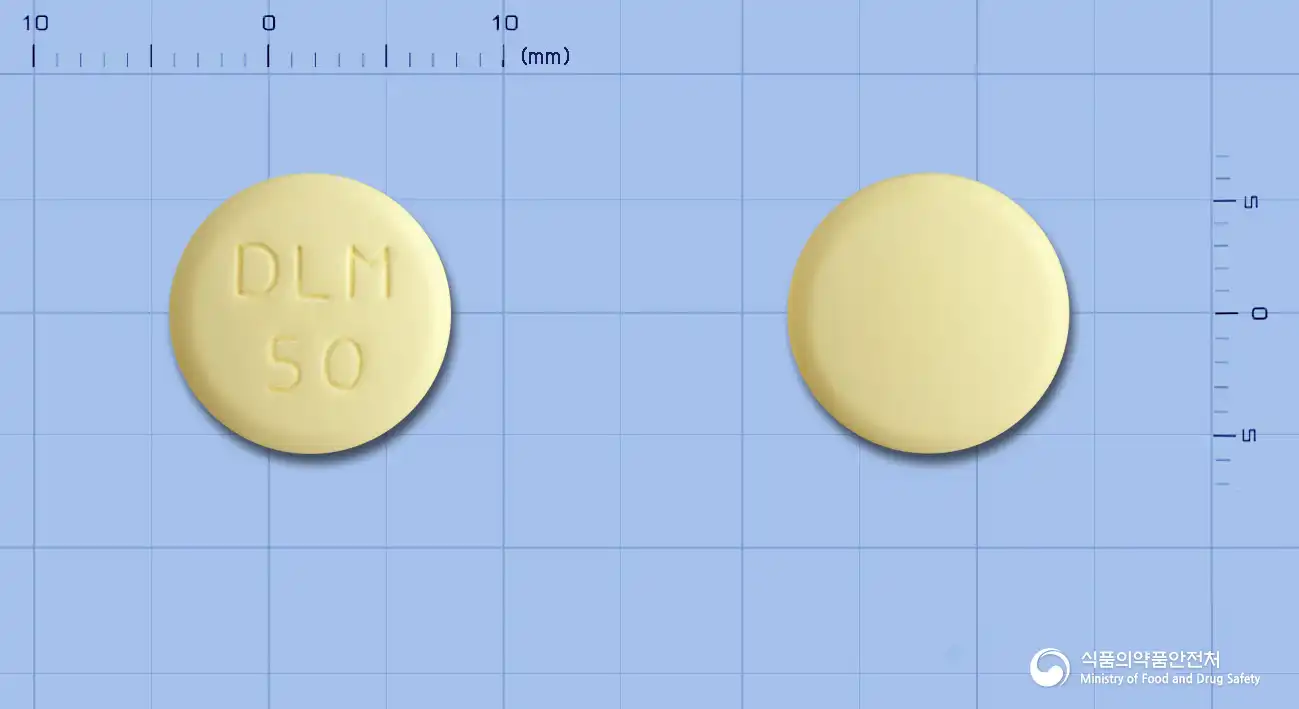
Yellow circular film-coated tablets (inscription DLM, 50)
Package unit
60 tablets (10 tablets/blister x 6)
Questions about this medicine
No questions yet.
For anything that needs medical judgment, consult a doctor or pharmacist.