
 한국어
 English
 日本語
 中文(简体)
 Viewing now
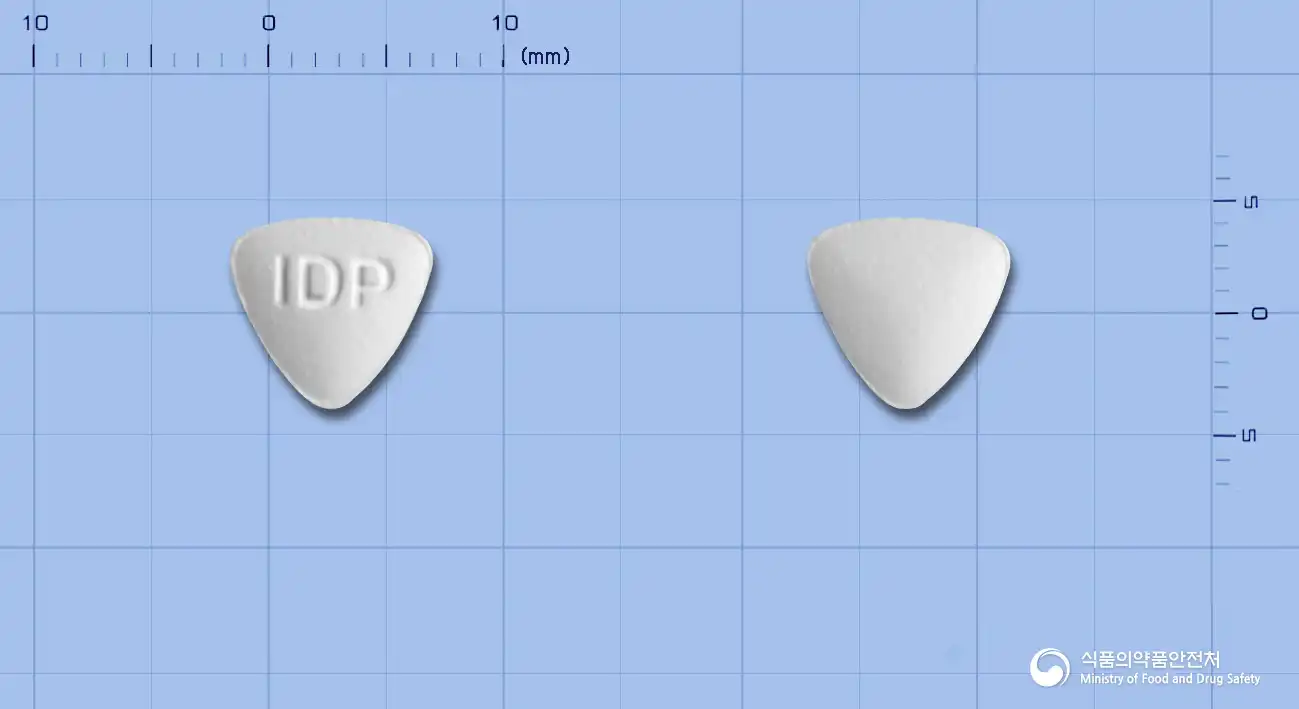
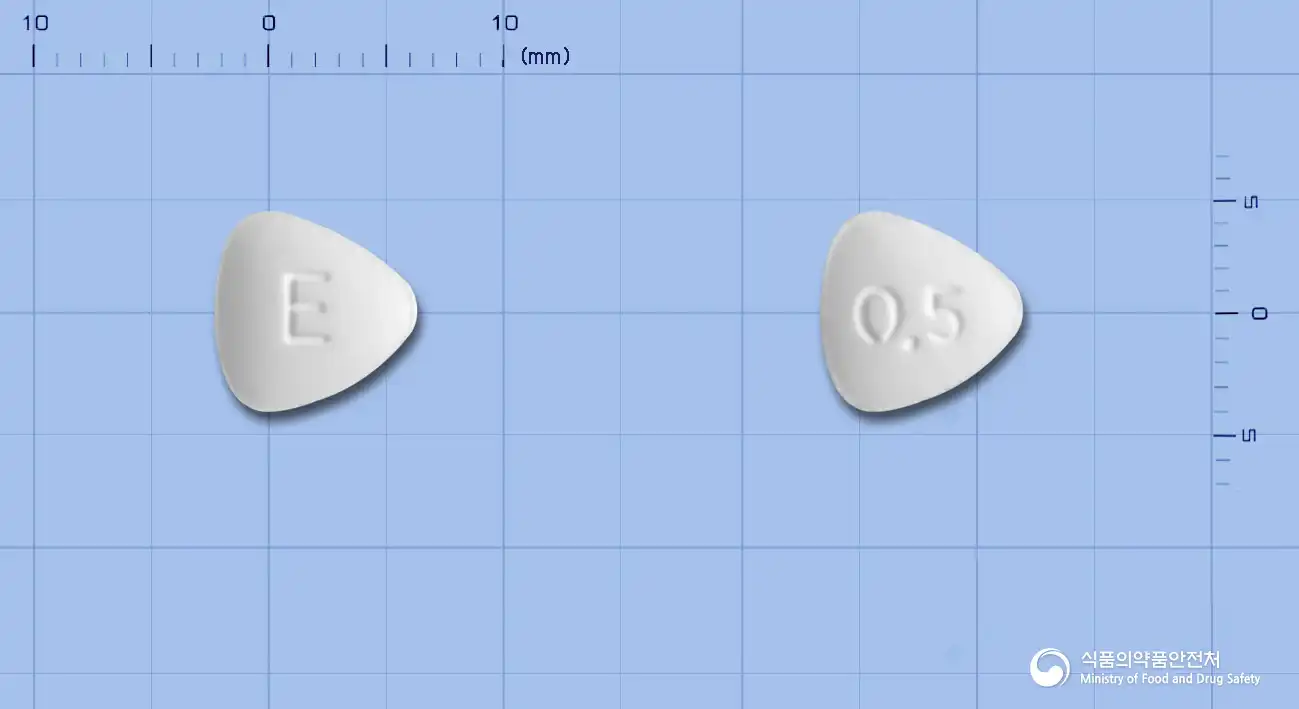
Baqir 0.5 mg Tablets (Entecavir)
Entecavir 0.53mg
Tablet · Prescription medication
Ildong Pharmaceutical Co., Ltd.
MFDS item code 201404377 · Approved 2014.09.25 · Insurance code 642905250
Treatment of chronic hepatitis B virus infection
This medication is used in adult patients aged 16 years and older who have chronic hepatitis B virus infection confirmed by active viral replication and persistent elevation of serum aminotransferases (ALT or AST), or confirmed active disease through biopsy. This medication suppresses viral replication and improves liver function abnormalities, helping to prevent the progression of chronic hepatitis B and restore health. Therefore, it is effectively used for the treatment of chronic hepatitis B.
This medicine should be administered orally on an empty stomach (2 hours after a meal or at least 2 hours before a meal). Administer entecavir 0.5mg orally once daily. Patients aged 16 years and older with lamivudine resistance, that is, patients who have experienced persistent replication of hepatitis B virus despite lamivudine treatment or who have lamivudine-resistant mutations: Administer entecavir 1mg orally once daily on an empty stomach. Patients with renal impairment: In patients with renal impairment, the oral clearance of this medicine decreases as creatinine clearance decreases. For patients with creatinine clearance below 50mL/min, including those receiving hemodialysis or peritoneal dialysis (CAPD), adjust the dose as follows. Creatinine clearance (mL/min) ≥ 50: Entecavir dose 0.5 mg once daily; entecavir dose for patients with lamivudine resistance 1 mg once daily Creatinine clearance (mL/min) 30 - <50: Entecavir dose 0.25 mg a once daily or 0.5 mg every 48 hours; entecavir dose for patients with lamivudine resistance 0.5 mg once daily or 1 mg every 48 hours Creatinine clearance (mL/min) 10 - <30: Entecavir dose 0.15 mg a once daily or 0.5 mg every 72 hours; entecavir dose for patients with lamivudine resistance 0.3 mg a once daily or 1 mg every 72 hours Creatinine clearance (mL/min) <10, hemodialysis b or CAPD: Entecavir dose 0.05 mg a once daily or 0.5 mg every 7 days; entecavir dose for patients with lamivudine resistance 0.1 mg a once daily or 1 mg every 7 days a: For doses below 0.5mg, use of the syrup formulation is recommended. b: If administered on a hemodialysis day, administer this medicine after the hemodialysis session. (Pharmacokinetic properties in patients with renal impairment: Refer to “8. Administration to Patients with Renal Impairment” in Precautions for Use)
Since there are specific dosing instructions for patients aged 16 years and older with lamivudine-resistant strains, there are no separate dosing methods for children under 16 years.
This medication may cause serious liver issues such as lactic acidosis and steatosis in patients with liver disease, especially in women and those who are obese, so caution is required. The risk of lactic acidosis is higher in patients with poor liver function, and if symptoms occur during treatment, the medication should be discontinued. Abrupt discontinuation of this medication can result in a rapid worsening of hepatitis B, so liver function needs to be carefully monitored for several months after stopping the medication. In HIV-infected patients who are untreated, use of this medication may lead to resistance against HIV treatments, so HIV testing must be performed and this medication is not recommended for HIV treatment purposes. Patients with allergies to this medication or its components, or those with genetic issues such as lactose intolerance, should not use this medication. Patients with reduced kidney function or those undergoing dialysis require dose adjustments, and liver transplant patients should be carefully monitored for kidney function. Common side effects may include headache, fatigue, dizziness, nausea, but these are usually mild; serious side effects should prompt consultation with healthcare professionals. During treatment, regular liver function tests are necessary, and if liver enzyme levels rise sharply, healthcare professionals should be informed immediately. This medication should be taken on an empty stomach as food may reduce its absorption. During pregnancy, it must be administered only after consulting a physician due to potential risks to the fetus, and breastfeeding mothers should either discontinue breastfeeding or stop taking this medication. It can also be used in pediatric patients, but safety and effectiveness in children under 2 years of age have not been established. Elderly patients are more likely to have diminished kidney function, so dosage adjustments and kidney function tests are necessary. There is no specific antidote in case of overdose, so symptomatic treatment and observation are necessary; some removal can be done through dialysis. Since this medication is excreted through the kidneys, it is important to monitor for side effects when taken with medications that affect kidney function or compete for excretion. When storing, keep it out of reach of children, avoid direct sunlight, and store at room temperature. Do not transfer to another container, dilute the syrup, or mix with other liquids as this may compromise quality.
Not everyone experiences these, and they can vary from person to person.
This medication should be stored in a tightly sealed container to prevent air and moisture intrusion. Additionally, it is important to store it in a cool place between 15 and 30 degrees Celsius to maintain its effectiveness.
White triangular film-coated tablet
30 tablets (10 tablets x 3) / Alu-Alu
Even with the same ingredient, strength, dosage form and how it is taken can differ.
Viewing nowEntecavir 0.53mg
Tablet · Prescription medication
Ildong Pharmaceutical Co., Ltd.
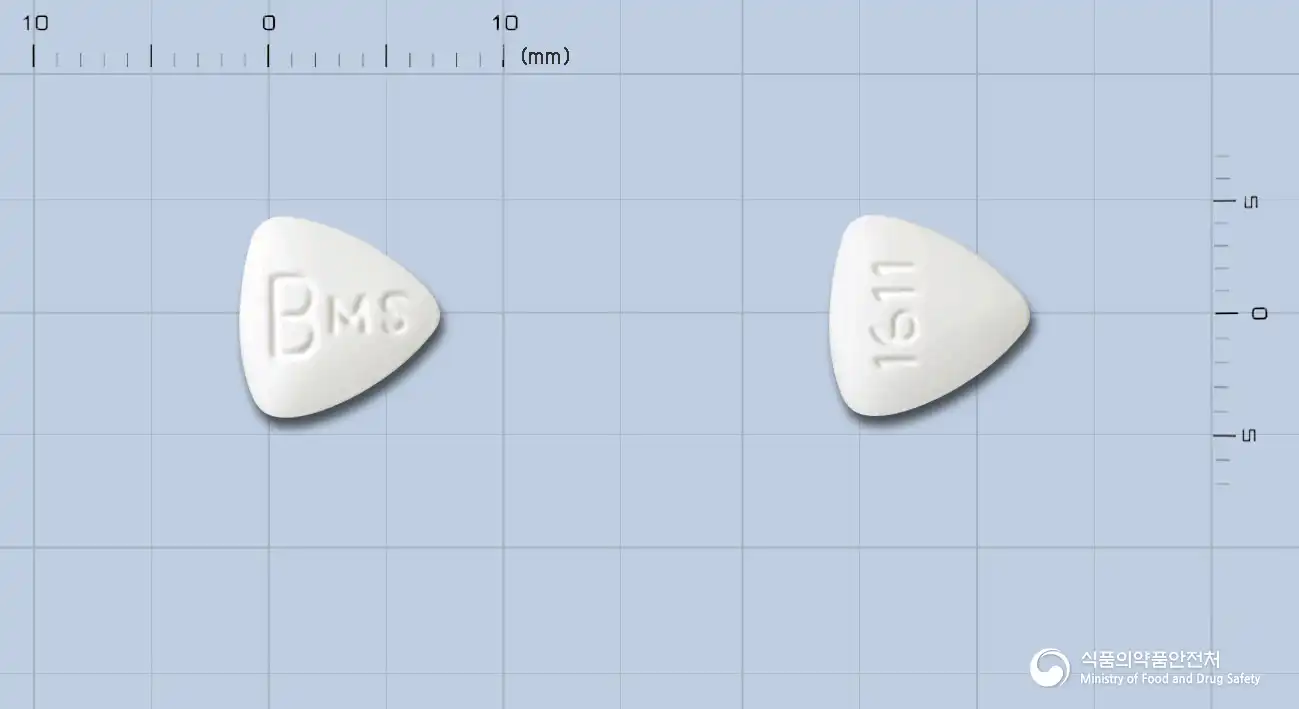
Entecavir 0.53mg
Tablet · Prescription medication
(Co., Ltd.) Korea BMS Pharmaceuticals
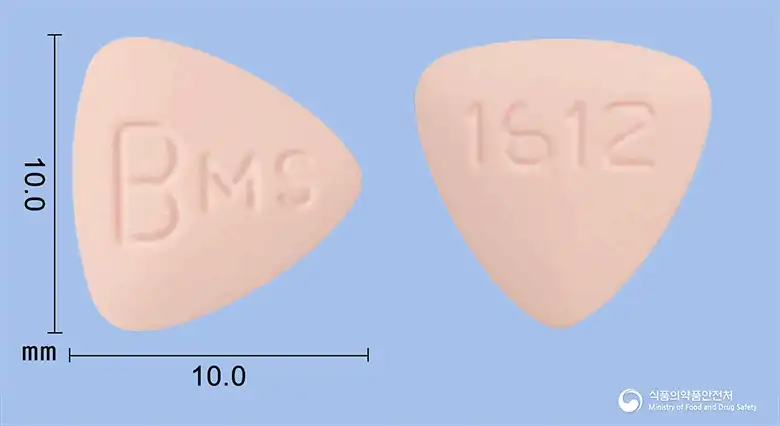
Entecavir 1.06mg
Tablet · Prescription medication
Korea BMS Pharma Co., Ltd.
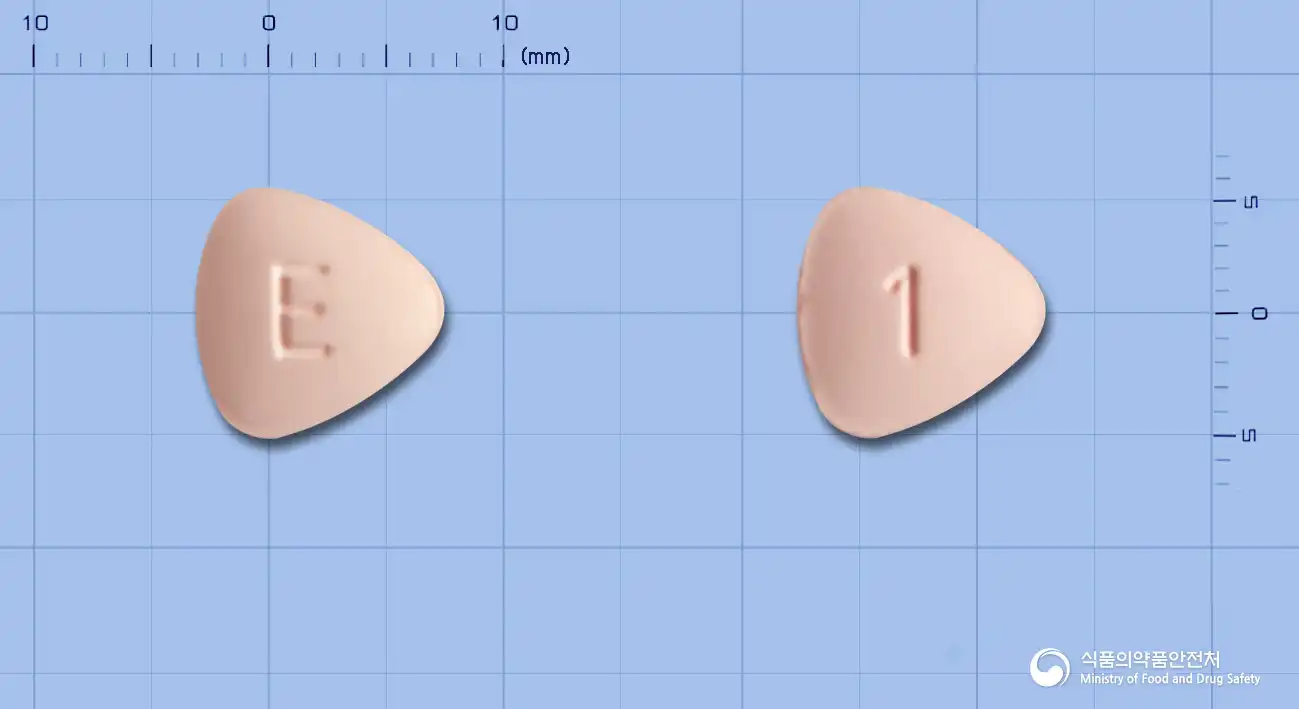
Entecavir 1.06mg
Tablet · Prescription medication
Hanmi Pharmaceutical Co., Ltd.
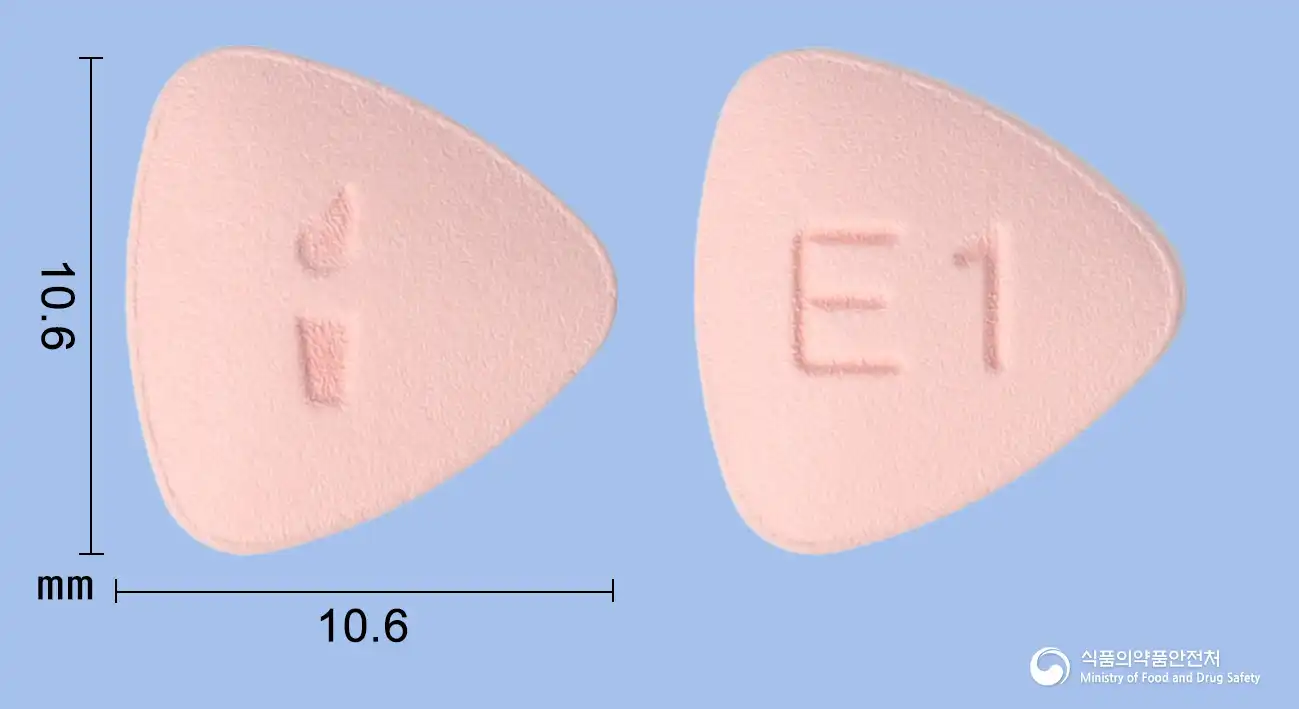
Entecavir 0.53mg
Tablet · Prescription medication
Hanmi Pharmaceutical Co., Ltd.
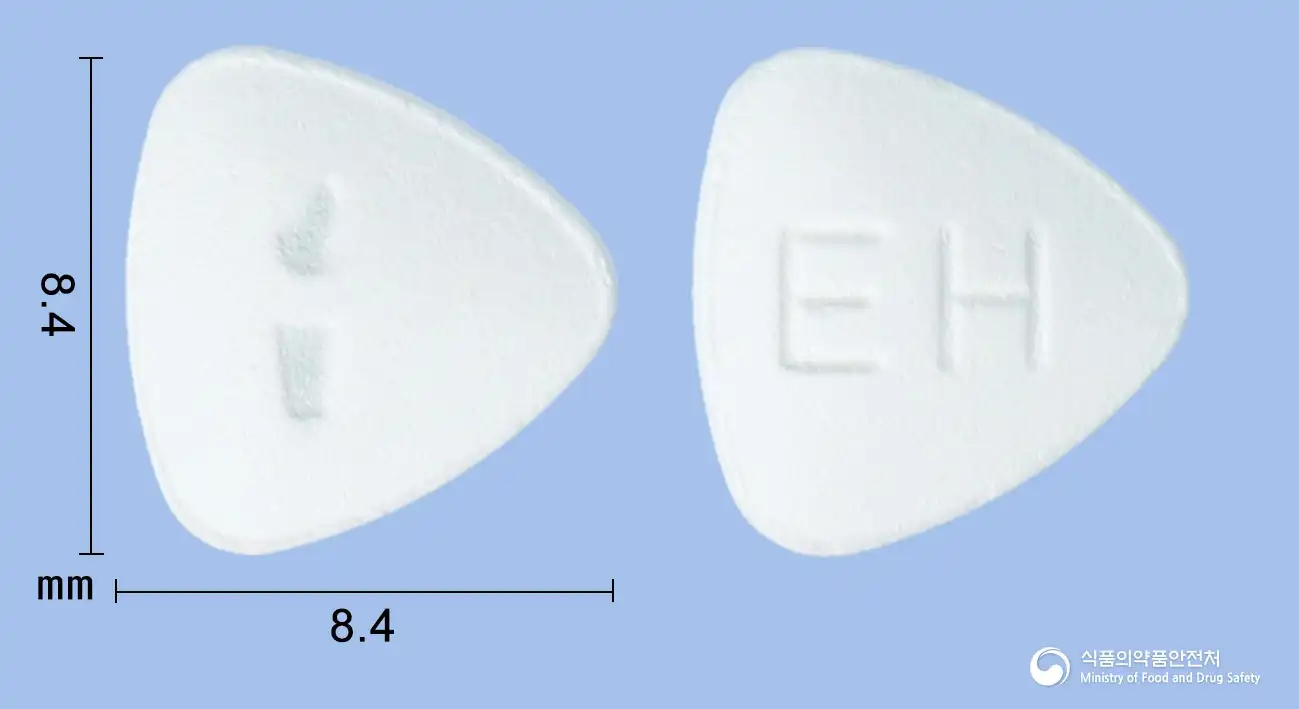
Entecavir 1.06mg
Tablet · Prescription medication
Sam-il Pharmaceutical Co., Ltd.
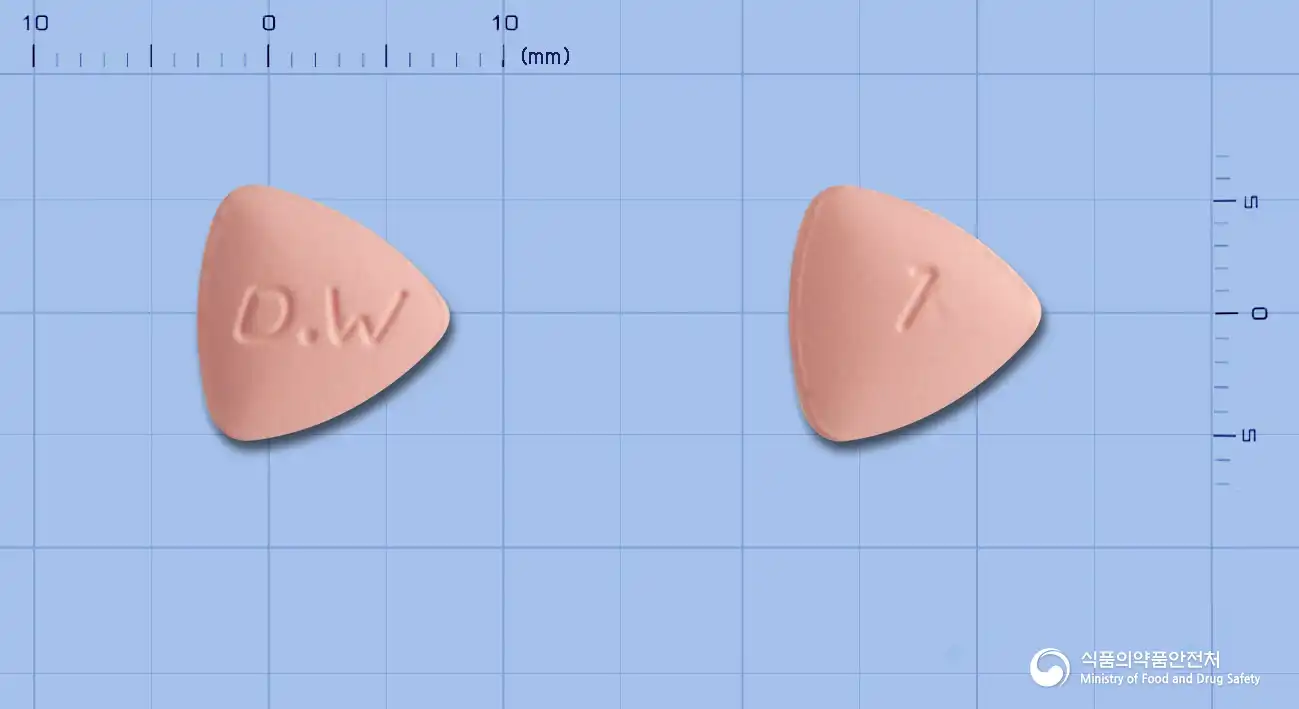
Entecavir 0.53mg
Tablet · Prescription medication
Samil Pharmaceutical Co., Ltd.
Entecavir 1.06mg
Tablet · Prescription medication
Daewoong Pharmaceutical Co., Ltd.
Even with the same ingredient, the dose and directions can differ by strength and dosage form. Talk to a doctor or pharmacist before switching from a medication you are already taking.
No questions yet.
For anything that needs medical judgment, consult a doctor or pharmacist.
This drug information is based on data provided by the Korea Ministry of Food and Drug Safety.
Consult a doctor or pharmacist for accurate dosage, administration, and usage instructions.