
 한국어
 English
 日本語
 中文(简体)
Summary
- Main use
- Combination treatment of HIV-1 infection in adults and adolescents aged 12 years and older
- Who takes it
- Adults · Children
- Adult dose
- This medicine should be prescribed by a physician experienced in the treatment of HIV infection and is administered orally. It may be administered with or without food. However, in cases of resistance to the integrase class, administration with food is preferred to increase exposure (particularly in patients with integrase inhibitor resistance-associated Q148 mutations). The recommended dose for patients with HIV-1 infection with no documented or clinically suspected resistance to the integrase class is 50mg (1 tablet) per dose, once daily. However, in this patient group, administer twice daily when this medicine is coadministered with certain drugs (e.g., efavirenz, tipranavir/ritonavir, or rifampin). The recommended dose for patients with HIV-1 infection with resistance to the integrase class (documented or clinically suspected) is 50mg (1 tablet) per dose, twice daily. Use of this medicine in this patient group should be determined according to the integrase resistance profile. However, in this patient group, coadministration of this medicine with certain drugs (e.g., efavirenz, tipranavir/ritonavir, or rifampin) should be avoided. If a dose of this medicine is missed and the next dose is more than 4 hours away, take the missed dose as soon as possible. If the next dose is due within 4 hours, skip the missed tablet and resume the usual dosing schedule. No dose adjustment is necessary in patients with HIV-1 infection with no documented or clinically suspected resistance to the integrase class who have mild, moderate, or severe renal impairment (CrCl<30 mL/min without dialysis), or in patients with HIV-1 infection with integrase class resistance (documented or clinically suspected) who have mild or moderate renal impairment. Use with caution in patients with HIV-1 infection with integrase class resistance (documented or clinically suspected) who have severe renal impairment (CrCl<30 mL/min without dialysis). No dose adjustment is necessary in patients with mild or moderate hepatic impairment (Child-Pugh grade A or B). There are no data for patients with severe hepatic impairment (Child-Pugh grade C); therefore, use with caution in these patients.
- Child dose
- Age 12 to under 18 years and body weight 40kg or more: 50mg (1 tablet) per dose, once daily
Ingredients
- Importer
- GSK Korea
Efficacy & effects
Combination treatment of HIV-1 infection in adults and adolescents aged 12 years and older
- Human immunodeficiency virus (HIV-1) infection
View approved original textHide original text
This medication is effective in the treatment of human immunodeficiency virus (HIV-1) infection in adults and adolescents aged 12 years and older when used in combination with other antiretroviral agents. It helps improve immune function by suppressing the replication of HIV-1 virus. Therefore, this medication is used for the treatment of patients with HIV-1 infection.
How to take
Adult dose
This medicine should be prescribed by a physician experienced in the treatment of HIV infection and is administered orally. It may be administered with or without food. However, in cases of resistance to the integrase class, administration with food is preferred to increase exposure (particularly in patients with integrase inhibitor resistance-associated Q148 mutations). The recommended dose for patients with HIV-1 infection with no documented or clinically suspected resistance to the integrase class is 50mg (1 tablet) per dose, once daily. However, in this patient group, administer twice daily when this medicine is coadministered with certain drugs (e.g., efavirenz, tipranavir/ritonavir, or rifampin). The recommended dose for patients with HIV-1 infection with resistance to the integrase class (documented or clinically suspected) is 50mg (1 tablet) per dose, twice daily. Use of this medicine in this patient group should be determined according to the integrase resistance profile. However, in this patient group, coadministration of this medicine with certain drugs (e.g., efavirenz, tipranavir/ritonavir, or rifampin) should be avoided. If a dose of this medicine is missed and the next dose is more than 4 hours away, take the missed dose as soon as possible. If the next dose is due within 4 hours, skip the missed tablet and resume the usual dosing schedule. No dose adjustment is necessary in patients with HIV-1 infection with no documented or clinically suspected resistance to the integrase class who have mild, moderate, or severe renal impairment (CrCl<30 mL/min without dialysis), or in patients with HIV-1 infection with integrase class resistance (documented or clinically suspected) who have mild or moderate renal impairment. Use with caution in patients with HIV-1 infection with integrase class resistance (documented or clinically suspected) who have severe renal impairment (CrCl<30 mL/min without dialysis). No dose adjustment is necessary in patients with mild or moderate hepatic impairment (Child-Pugh grade A or B). There are no data for patients with severe hepatic impairment (Child-Pugh grade C); therefore, use with caution in these patients.
Child dose
Age 12 to under 18 years and body weight 40kg or more: 50mg (1 tablet) per dose, once daily
Precautions
This medication is primarily composed of Dolutegravir Sodium and is used for the treatment of HIV infection. One important precaution when taking this medication is to watch for hypersensitivity reactions. If you experience symptoms such as rash, fever, fatigue, muscle pain, joint pain, oral lesions, or facial swelling while taking this medication, discontinue use immediately and consult your physician. These symptoms may indicate severe liver dysfunction or allergic reactions. Furthermore, patients with allergies to this medication or its components should not use it. It is prohibited to take this medication in combination with certain drugs such as Dofetilide, Flecainide, and Amiodarone, so if you are using these medications, you must inform your doctor. Common side effects may include nausea, diarrhea, and headaches, while less frequent side effects can include hepatitis, rash, itching, and fatigue. Regular liver function tests are necessary as liver function test levels may increase. Reactivation of immune reconstitution syndrome can occur, leading to worsened infection symptoms or the onset of autoimmune diseases during initial treatment, requiring caution. This medication has a high potential for interactions with other medications. In particular, when taken with antacids, calcium, iron supplements, and certain antibiotics and antivirals, the drug concentration may change, so it's advisable to adjust administration time intervals or discuss with a healthcare provider. During pregnancy, careful consideration should be given to the effects of this medication on the fetus, and it's important to consult with your healthcare provider if you plan to become pregnant or are in early pregnancy. Additionally, this medication is excreted in small amounts in breast milk, so it is recommended to avoid use while breastfeeding. The safety and efficacy have not been established for children under 12 years or those weighing less than 40 kg, so it is best not to use this medication in such populations. No special dosage adjustment is needed for elderly patients, but if any unusual symptoms occur during use, immediate consultation with healthcare professionals is advised. In case of overdose, there are no specific antidotes, so appropriate treatment and monitoring are required based on symptoms, and this medication may not be effectively removed by dialysis. Finally, this medication should be kept out of the reach of children and should not be transferred to another container, as this helps maintain its quality.
Side effects
- Hypersensitivity reactions
- rash
- severe liver reactions
- elevated liver enzymes
- fever
- malaise
- fatigue
- myalgia
- arthralgia
- vesicles
Show 36 moreCollapse
- oral lesions
- conjunctivitis
- facial swelling
- eosinophilia
- angioedema
- immune reconstitution syndrome
- insomnia
- abnormal dreams
- depression
- anxiety
- suicidal thoughts
- suicide attempts
- suicide
- headache
- dizziness
- nausea
- diarrhea
- vomiting
- abdominal distension
- upper abdominal pain
- abdominal pain
- abdominal discomfort
- hepatitis
- rash
- pruritus
- fatigue
- elevated ALT and/or AST
- elevated CPK
- iron-deficiency anemia
- acute liver failure
- arthralgia
- myalgia
- weight gain
- drowsiness
- gastroenteritis
- edema
Not everyone experiences these, and they can vary from person to person.
Storage
This medication should be stored in a tightly closed container to protect it from air and moisture, and it is recommended to keep it at room temperature between 1 to 30 degrees Celsius.
Appearance and packaging
Appearance
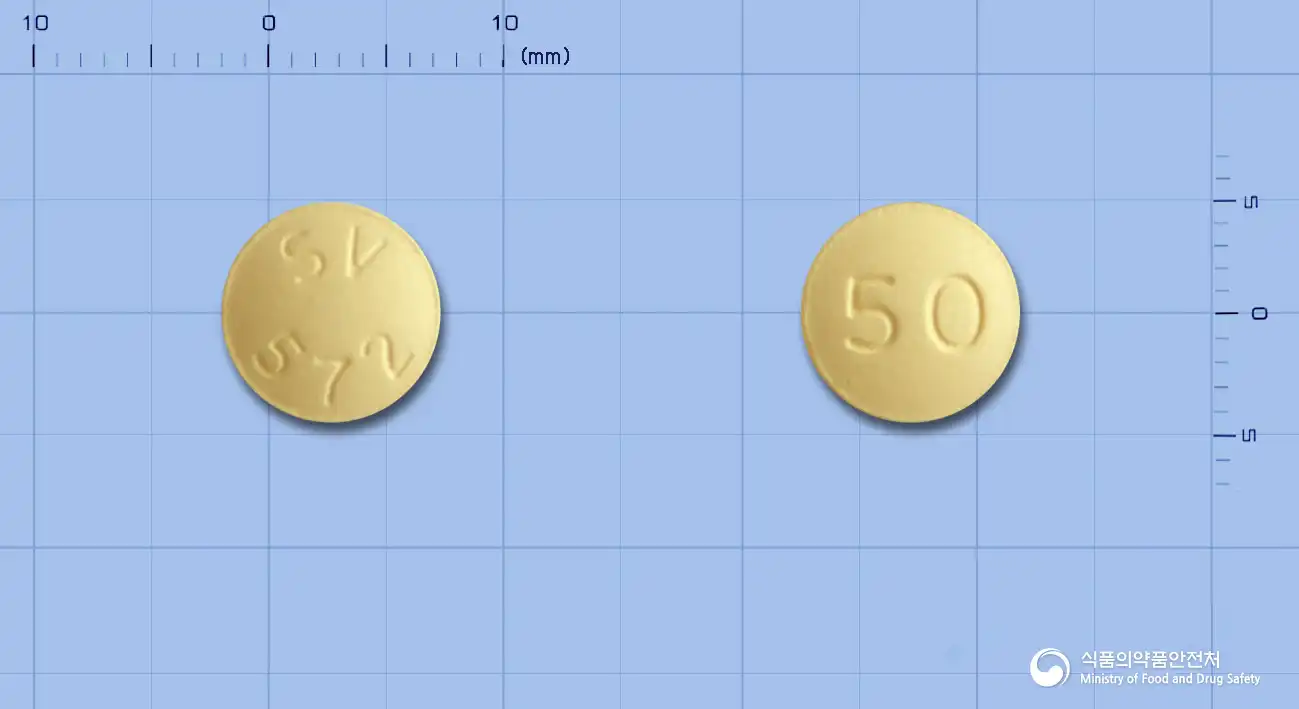
Yellow, bilaterally convex, round film-coated tablet
Package unit
30 tablets per bottle
Questions about this medicine
No questions yet.
For anything that needs medical judgment, consult a doctor or pharmacist.