
 한국어
 English
 日本語
 中文(简体)
Dosage form image
Viewing nowLinezolid 600 mg Tablet (Linezolid)
Linezolid 600mg
Tablet · Prescription medication
Korea United Pharm, Co., Ltd.
MFDS item code 201401956 · Approved 2014.04.22 · Insurance code 644308750
This product's status changed to Approval withdrawn on 2025.11.13. It may no longer be sold, so consult a doctor or pharmacist before taking it.
Treatment of pneumonia, skin and soft tissue infections, and vancomycin-resistant Enterococcus faecium infections
This medication is primarily effective for treating infections caused by certain Gram-positive bacteria, such as Methicillin-resistant Staphylococcus aureus (MRSA). It is particularly used for hospital-acquired pneumonia, community-acquired pneumonia, and skin and soft tissue infections with or without complications. It is also applicable for the treatment of infections in patients with diabetic foot infections, where osteomyelitis is not present. It is effective for infections caused by Vancomycin-resistant Enterococcus faecium, especially in cases accompanied by bacteremia. This drug has limited efficacy against infections by Gram-negative bacteria, so if Gram-negative infections are suspected, alternative appropriate treatments are needed. Therefore, this drug is used to effectively treat certain bacterial infections mentioned above.
Nosocomial pneumonia, community-acquired pneumonia (including cases with bacteremia): Administer 600mg orally every 12 hours Complicated skin and soft tissue infections, uncomplicated skin and soft tissue infections: Adults: Administer 400mg orally every 12 hours Complicated skin and soft tissue infections, uncomplicated skin and soft tissue infections: Adolescents (12-17 years of age): Administer 600mg orally every 12 hours Vancomycin-resistant Enterococcus faecium infections (including cases with bacteremia): Administer 600mg orally every 12 hours Adult patients with infections caused by MRSA should receive 600 mg of this medicine every 12 hours. The maximum duration of treatment with this medicine is 28 days. The safety and efficacy of treatment for more than 28 days have not been established.
Nosocomial pneumonia, community-acquired pneumonia (including cases with bacteremia), vancomycin-resistant Enterococcus faecium infections (including cases with bacteremia): Children (newborns-11 years of age): Administer 10mg/kg orally every 8 hours Complicated skin and soft tissue infections, uncomplicated skin and soft tissue infections: Younger than 5 years: Administer 10mg/kg orally every 8 hours Complicated skin and soft tissue infections, uncomplicated skin and soft tissue infections: 5-11 years of age: Administer 10mg/kg orally every 12 hours Complicated skin and soft tissue infections, uncomplicated skin and soft tissue infections: Adolescents (12-17 years of age): Administer 600mg orally every 12 hours Adolescents and adults (12 years of age and older): Administer 600mg orally every 12 hours Newborns less than 7 days old: Most preterm neonates less than 7 days old (pre-term neonates, within 34 weeks of gestation) have lower systemic clearance and higher AUC with this medicine than full-term newborns and infants. These newborns should be started on a dose of 10 mg/kg every 12 hours. Newborns less than 7 days old: For newborns whose clinical response is less than optimal, administration of 10 mg/kg every 8 hours may be considered All newborn patients should receive 10 mg/kg every 8 hours through 7 days of age.
This medication may cause bone marrow suppression, so blood tests should be periodically conducted before and during treatment to monitor for anemia, leukopenia, thrombocytopenia, and other conditions. Special caution is needed for patients who have been on prolonged treatment for more than 2 weeks or have a history of bone marrow suppression, as well as in those with severely impaired kidney or liver functions. If diarrhea occurs during treatment, immediate medical diagnosis and treatment are necessary as it may indicate the possibility of pseudomembranous colitis. This drug has unclear efficacy against Gram-negative bacteria, and if Gram-negative infections are suspected, alternative appropriate treatments should be given. Diabetic patients taking this medication in conjunction with insulin or hypoglycemic agents should carefully monitor blood glucose levels as hypoglycemia may occur. It should not be administered to patients who have had allergic reactions to this drug or its components or to those who have recently taken MAO inhibitors. Patients with poorly controlled hypertension, hyperthyroidism, and certain psychiatric disorders must consult with a doctor before taking this drug. When co-administered with medications that increase the risk of serotonin syndrome, symptoms should be closely monitored, and the drug may be discontinued if necessary. Prolonged use of this medication may cause peripheral neuropathy or optic nerve damage; hence, patients should seek immediate ophthalmic care if there are changes in vision or neurological symptoms. Women who are pregnant or may become pregnant should consult with a doctor before taking this drug, and breastfeeding mothers are recommended to discontinue breastfeeding before administration. Patients with severely impaired kidney or liver functions should use this drug with caution due to the risk of metabolite accumulation, and dialysis patients should take it after dialysis. In the case of overdose, rapid treatment is needed as the drug can be removed via hemodialysis. For injectable forms, it is important to visually inspect before administration for any insoluble foreign materials, and it must be infused slowly over the prescribed time. During treatment with this drug, potential interactions with cold medications, antidepressants, and others should be considered, and all medications being taken must be disclosed to the doctor. This drug can also be used in children and the elderly, but careful dosage adjustment and monitoring for side effects are important. Lastly, it is safe to promptly consult healthcare professionals for any abnormal symptoms or discomfort experienced during treatment.
Anemia, leukopenia, pancytopenia, thrombocytopenia, pseudomembranous colitis, hypoglycemia, diarrhea, headache, nausea, moniliasis, fungal infection, fever, dizziness, insomnia, taste alteration, vomiting, abdominal pain, abdominal cramping, abdominal distension, constipation, dyspepsia, tongue discoloration, tooth discoloration, hypertension, neutropenia, vaginal moniliasis, rash, itching, abnormal blood test results, abnormal liver function test results, frequent fever, sepsis, trauma, localized pain, convulsions, gastrointestinal bleeding, oral moniliasis, thrombocytosis, eosinophilia, upper respiratory tract infection, pharyngitis, cough, pneumonia, apnea, hypokalemia, pancytopenia, sideroblastic anemia, anaphylaxis, lactic acidosis, peripheral neuropathy, optic neuropathy, severe skin abnormalities, toxic epidermal necrolysis, Stevens-Johnson syndrome, blistering skin disease, angioedema, hypersensitivity vasculitis, rhabdomyolysis, septic shock, superinfection, multiple organ failure, infection, bacteremia, shingles, fungemia, decreased treatment response, candidemia, soft tissue infection, leukocytosis, disseminated intravascular coagulation, increased INR, increased aPTT, left shift of leukocyte percentage, hemoperitoneum, increased myeloblasts, acute myeloid leukemia exacerbation, leukemia exacerbation, acute lymphoblastic leukemia exacerbation, multiple myeloma exacerbation, malignant lymphoma progression, intestinal ulcer, tongue depigmentation, bloody stools, recurrence of esophageal cancer, gastric cancer, respiratory failure, pulmonary hemorrhage, hemoptysis, acute respiratory distress syndrome, pulmonary edema, pneumothorax, acute interstitial pneumonia, acute respiratory failure, worsening empyema, exacerbation of hypoxemia, lung infection, wheezing, dyspnea, increased non-protein nitrogen, acute kidney failure, urinary tract infection, increased blood urea nitrogen, renal failure, pyuria, hematuria, liver function failure, hyperbilirubinemia, increased bilirubin levels, progression of hepatic coma, exacerbation of hepatic neoplasm, hepatorenal syndrome, progression of bile duct cancer, worsening cholangitis, cholecystitis, exacerbation of cholecystitis, cholangitis, deterioration of colon cancer liver metastasis, jaundice, ventricular tachycardia, tachycardia, atrial fibrillation, myocardial infarction, worsening heart failure, cardiac arrest, exacerbation of acute cardiopulmonary failure, arrhythmia, recurrence of myocardial infarction, hypotension, hyponatremia, hyperkalemia, worsening hypocalcemia, sensory deficit, anxiety, depression, meningitis, progression and exacerbation of subdural hemorrhage, intraventricular hemorrhage, cerebrovascular disorders, variceal hemorrhage, exacerbation of thrombotic microangiopathy, foot drop, progression of pyogenic arthritis, hyperthyroidism, worsening graft-versus-host disease, neuropathy, pulmonary function failure, worsening liver function failure, appendiceal cancer
Not everyone experiences these, and they can vary from person to person.
This medication must be stored in a tightly sealed container to avoid exposure to air and moisture. It is important to maintain the storage temperature between 15 to 30 degrees Celsius.
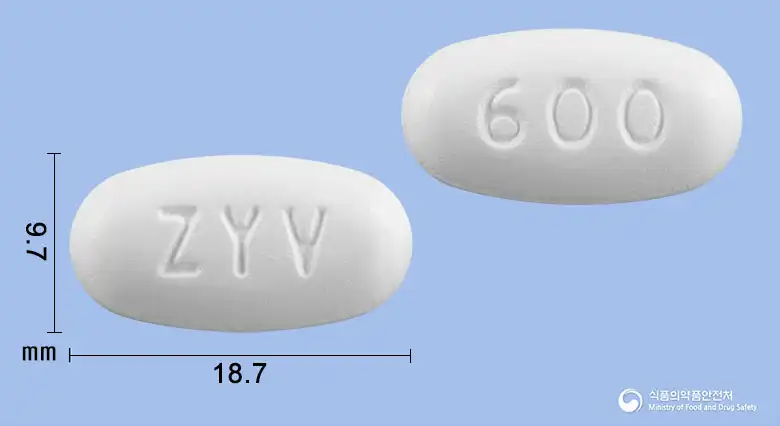
White, oval-shaped film-coated tablet
20 tablets/bottle
Even with the same ingredient, strength, dosage form and how it is taken can differ.
Linezolid 600mg
Tablet · Prescription medication
Korea United Pharm, Co., Ltd.
Linezolid 600mg
Tablet · Prescription medication
Pfizer Korea Co., Ltd.
Linezolid 2mg
Prescription medication
Pfizer Korea Co., Ltd.
Linezolid 2mg
Prescription medication
HK inno.N Co., Ltd.

Linezolid 600mg
Tablet · Prescription medication
Youngjin Pharmaceutical Co., Ltd.

Linezolid 600mg
Tablet · Prescription medication
HK Inno.N Co., Ltd.
Linezolid 2mg
Prescription medication
Hanol Biopharma Co., Ltd.
Linezolid 2mg
Injections · Prescription medication
JW Pharmaceutical Co., Ltd.
Even with the same ingredient, the dose and directions can differ by strength and dosage form. Talk to a doctor or pharmacist before switching from a medication you are already taking.
No questions yet.
For anything that needs medical judgment, consult a doctor or pharmacist.
This drug information is based on data provided by the Korea Ministry of Food and Drug Safety.
Consult a doctor or pharmacist for accurate dosage, administration, and usage instructions.