
 한국어
 English
 日本語
 中文(简体)
Summary
- Main use
- Combination treatment for multidrug-resistant pulmonary tuberculosis
- Who takes it
- Adults · Children
- Adult dose
- The recommended dose for adult patients aged 18 years or older is shown in Table 1. Table 1. Recommended dose of this medicine for adult patients Adults (18 years or older) Weeks 1-2: 400mg once daily Weeks 3-24: 200mg per dose, 3 times a weeka a Allow an interval of at least 48 hours between doses. Take this medicine with food. The total treatment duration with this medicine is 24 weeks. To increase bioavailability, take this medicine with food. Swallow the tablet whole with water. Avoid alcohol during treatment with this medicine. Missed dose Advise patients to take this medicine as prescribed. The importance of adherence to the entire course of treatment must be emphasized. If a dose is missed during the first 2 weeks of treatment, the patient should continue on the original dosing schedule without making up the missed dose. If a 200mg dose is missed after week 3 of treatment, the patient should take the missed dose as soon as possible and resume the regimen of 3 doses per week. Adjust the dosing schedule so that the total dose in any 7-day period does not exceed the recommended weekly dose (take doses at least 24 hours apart).
- Child dose
- Pediatric patients aged 12 years or older but under 18 years and weighing 30kg or more — Weeks 1-2: 400mg once daily; weeks 3-24: 200mg per dose, 3 times a weeka; a Allow an interval of at least 48 hours between doses. Patients aged 15 years or older and weighing 30kg or more — If treatment with this medicine needs to continue for more than 24 weeks, it may be continued for up to 40 weeks at a dose of 200mg per dose, 3 times a week.
Ingredients
- Importer
- Janssen Korea Ltd.
Efficacy & effects
Combination treatment for multidrug-resistant pulmonary tuberculosis
- Multidrug-resistant tuberculosis
View approved original textHide original text
This medicine is a specialized prescription drug used for the treatment of multidrug-resistant tuberculosis. Multidrug-resistant tuberculosis refers to infection caused by strains of the tuberculosis bacteria that are resistant to the main anti-tuberculosis medications, isoniazid and rifampicin, that are generally used. It is prescribed for patients who are adults and adolescents weighing more than 30 kg in combination with other anti-tuberculosis drugs. Directly Observed Therapy (DOT) is recommended to improve adherence to medication, and the treatment plan should be carefully determined by the physician, consulting national and international tuberculosis treatment guidelines. This medicine is not recommended for treating latent tuberculosis, drug-susceptible tuberculosis, extrapulmonary tuberculosis, or nontuberculous mycobacterial infections. Therefore, this medicine is used for the treatment of multidrug-resistant tuberculosis.
How to take
Adult dose
The recommended dose for adult patients aged 18 years or older is shown in Table 1. Table 1. Recommended dose of this medicine for adult patients Adults (18 years or older) Weeks 1-2: 400mg once daily Weeks 3-24: 200mg per dose, 3 times a weeka a Allow an interval of at least 48 hours between doses. Take this medicine with food. The total treatment duration with this medicine is 24 weeks. To increase bioavailability, take this medicine with food. Swallow the tablet whole with water. Avoid alcohol during treatment with this medicine. Missed dose Advise patients to take this medicine as prescribed. The importance of adherence to the entire course of treatment must be emphasized. If a dose is missed during the first 2 weeks of treatment, the patient should continue on the original dosing schedule without making up the missed dose. If a 200mg dose is missed after week 3 of treatment, the patient should take the missed dose as soon as possible and resume the regimen of 3 doses per week. Adjust the dosing schedule so that the total dose in any 7-day period does not exceed the recommended weekly dose (take doses at least 24 hours apart).
Child dose
Pediatric patients aged 12 years or older but under 18 years and weighing 30kg or more — Weeks 1-2: 400mg once daily; weeks 3-24: 200mg per dose, 3 times a weeka; a Allow an interval of at least 48 hours between doses. Patients aged 15 years or older and weighing 30kg or more — If treatment with this medicine needs to continue for more than 24 weeks, it may be continued for up to 40 weeks at a dose of 200mg per dose, 3 times a week.
Precautions
This medicine may prolong the QT interval, indicating a risk of cardiac arrhythmias. The risk may be higher when taken with other drugs that also prolong the QT interval. Regular electrocardiogram (ECG) tests should be conducted during treatment to closely monitor cardiac status, and if severe arrhythmias occur or the QT interval exceeds 500 ms, this medication should be discontinued. Additionally, this medicine should not be used in patients with genetic metabolic disorders such as galactose intolerance, lactase deficiency, or glucose-galactose malabsorption. Common side effects include nausea, vomiting, joint pain, dizziness, headache, and increased liver enzymes; if these symptoms are severe, consultation with a healthcare professional is advised. As this medicine can affect liver function, regular liver function tests should be conducted before and during treatment, and if liver enzyme levels significantly increase or liver function abnormalities are suspected, drug administration may need to be stopped or adjusted. This medicine is metabolized by the CYP3A4 enzyme; therefore, caution is needed when co-administered with other medications that induce or inhibit this enzyme, especially strong CYP3A4 inducers like rifampicin, rifapentine, or rifabutin should be avoided, and consult healthcare professionals regarding medication combinations. During pregnancy, this medicine should be used only when absolutely necessary, and in breastfeeding mothers, consideration should be given to the effects on the baby as the drug may be passed through breast milk. It is not recommended for use in children under 12 years or those weighing less than 30 kg due to lack of established safety and efficacy. Experience with the elderly over 65 years is limited, so careful judgment is required. This medicine is not recommended for patients with severely impaired liver or kidney function, and closer monitoring is necessary during use. Dizziness may occur, so caution should be taken when driving or operating machinery. In case of overdose, cardiac function and vital signs should be closely monitored, and necessary treatment should be administered; this medicine is difficult to effectively remove through dialysis.
Side effects
- QT prolongation
- nausea
- vomiting
- arthralgia
- increased amino transferase enzymes
- dizziness
- headache
- diarrhea
- myalgia
- QT prolongation on electrocardiogram
Show 12 moreCollapse
- paresthesia
- pruritus
- respiratory distress
- peripheral neuropathy
- decreased appetite
- hemoptysis
- nasopharyngitis
- anemia
- dyspepsia
- sensory loss
- wet cough
- asthenia
Not everyone experiences these, and they can vary from person to person.
Storage
This medicine should be stored in a tightly closed container that protects it from light and at a temperature between 1 to 30 degrees Celsius (room temperature). Storing it this way helps preserve the effectiveness of the drug.
Appearance and packaging
Appearance
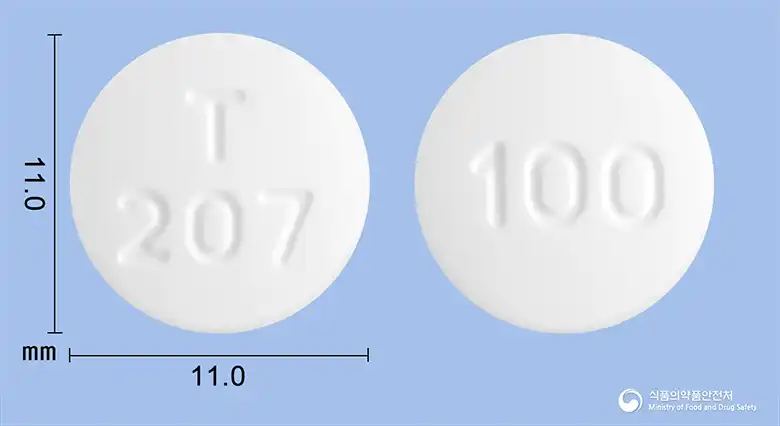
A round tablet that is white to almost white, with a convex shape on both sides.
Package unit
24 tablets/box [24 tablets (6 tablets * 4 PTP)/box]
Questions about this medicine
No questions yet.
For anything that needs medical judgment, consult a doctor or pharmacist.