
 한국어
 English
 日本語
 中文(简体)
Dosage form image
Viewing nowBaraclude 1 mg (Entecavir)
Entecavir 1.06mg
Tablet · Prescription medication
Daiwa Pharmaceutical Co., Ltd.
MFDS item code 201310682 · Approved 2013.12.13
This product's status changed to Expired on 2023.12.13. It may no longer be sold, so consult a doctor or pharmacist before taking it.
Treatment of chronic hepatitis B virus infection in patients aged 16 years and older
This medicine is used for the treatment of adults infected with chronic hepatitis B virus. It is particularly effective in cases where viral activity is confirmed, and serum aminotransferase levels persistently rise or active disease is confirmed histologically. It helps reduce liver damage and suppress disease progression. In other words, it is used for the treatment of patients with chronic hepatitis B.
This drug should be administered orally on an empty stomach (2 hours after a meal or at least 2 hours before a meal). The dose is 0.5 mg of entecavir orally once daily. Patients aged 16 years or older with lamivudine resistance, i.e., those who have experienced persistent replication of hepatitis B virus despite lamivudine treatment or have lamivudine-resistant mutations: 1 mg of entecavir once daily on an empty stomach Patients with renal impairment: As creatinine clearance decreases in patients with renal impairment, the oral clearance of this drug decreases. Adjust the dose as follows in patients with creatinine clearance below 50 mL/min, including patients receiving hemodialysis or continuous ambulatory peritoneal dialysis (CAPD). Creatinine clearance (mL/min) ≥ 50: entecavir dose 0.5 mg once daily / entecavir dose in patients with lamivudine resistance 1 mg once daily Creatinine clearance (mL/min) 30 - <50: entecavir dose 0.25 mg a once daily or 0.5 mg every 48 hours / entecavir dose in patients with lamivudine resistance 0.5 mg once daily or 1 mg every 48 hours Creatinine clearance (mL/min) 10 - <30: entecavir dose 0.15 mg a once daily or 0.5 mg every 72 hours / entecavir dose in patients with lamivudine resistance 0.3 mg a once daily or 1 mg every 72 hours Creatinine clearance (mL/min) <10, hemodialysis b or CAPD: entecavir dose 0.05 mg a once daily or 0.5 mg every 7 days / entecavir dose in patients with lamivudine resistance 0.1 mg a once daily or 1 mg every 7 days a: Use of the oral solution is recommended for doses less than 0.5 mg. b: If administered on a hemodialysis day, administer this drug after the hemodialysis session. (Pharmacokinetic properties in patients with renal impairment: Refer to “8. Administration to patients with renal impairment” under Precautions for Use.)
For patients aged 16 years and older who have lamivudine-resistant infection, no specific dosage for children (under 16 years old) is stated.
This drug may affect liver health, so patients with poor liver function or risk factors for liver disease should use it with caution. Sudden discontinuation of this medication may severely worsen hepatitis B; therefore, liver function should be closely monitored under a doctor's guidance when discontinuing. Patients who are HIV positive but not receiving treatment should be tested for HIV before using this drug, and it is not recommended to use it alone. Patients with allergy to this drug or its components, or those with genetic issues such as lactose intolerance, should not be administered this medication. Patients with impaired kidney function, particularly those on dialysis, require dose adjustments, and liver transplant recipients should carefully monitor kidney function. During treatment with this drug, side effects such as headache, fatigue, dizziness, nausea may occur, and if there are signs of abnormal liver function, immediate consultation with medical professionals is required. The absorption of the medication is reduced when taken with food, so it is advisable to take it on an empty stomach. During pregnancy, it should only be used when necessary for the fetus' safety; in cases of breastfeeding, the secretion of the drug into breast milk is uncertain, and consideration should be given to discontinuing breastfeeding or the drug. In children, use is permitted only in those aged 2 years or older; safety and efficacy have not been established in those under 2 years old. Elderly patients may have reduced kidney function and require dose adjustments and monitoring of kidney function. There is no specific antidote for overdose of this medication; appropriate treatment should be administered based on symptoms, and some may be removed by hemodialysis. This drug is excreted through the kidneys, so care should be taken to monitor for adverse reactions when used with other drugs that affect kidney function. When storing, keep out of reach of children, avoid direct sunlight, and store at room temperature.
Not everyone experiences these, and they can vary from person to person.
This medication should be stored in a sealed container to prevent exposure to air, preferably at room temperature between 15 and 30 degrees Celsius. This will help maintain the efficacy of the drug and prevent degradation.
Pink triangular film-coated tablet
10 tablets/blister x 3
Even with the same ingredient, strength, dosage form and how it is taken can differ.
Entecavir 1.06mg
Tablet · Prescription medication
Daiwa Pharmaceutical Co., Ltd.
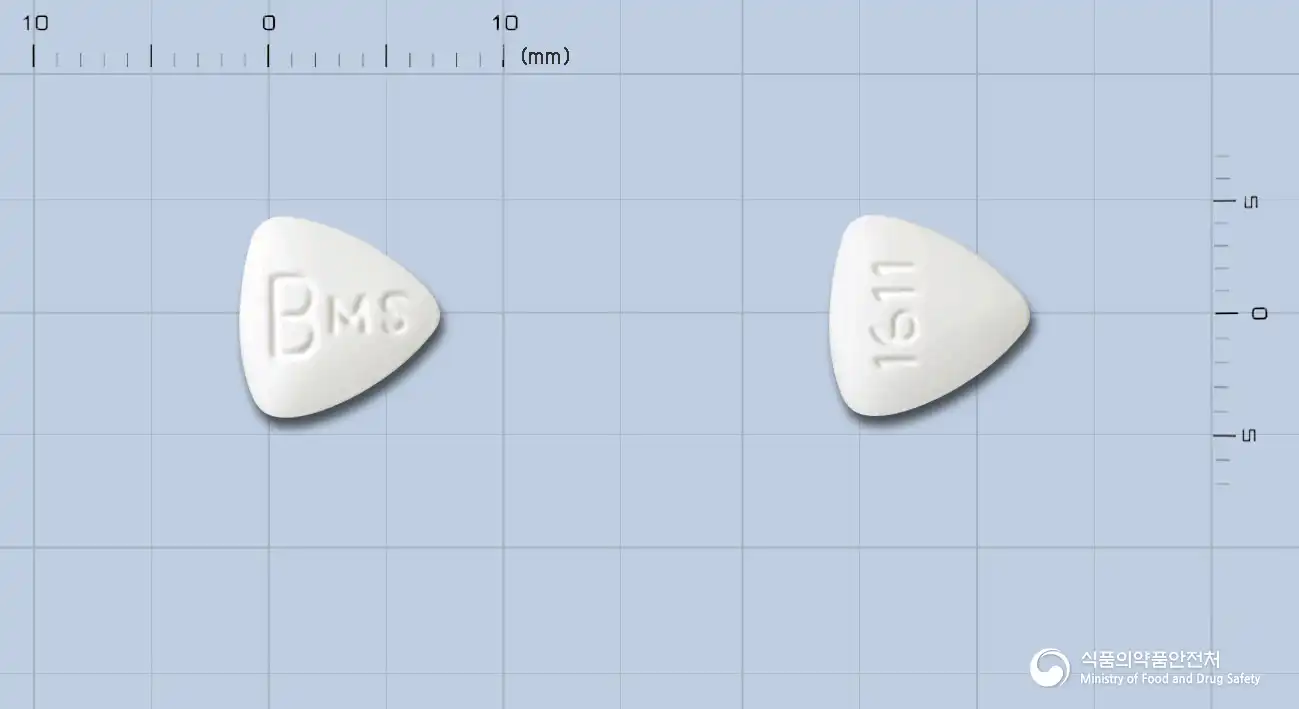
Entecavir 0.53mg
Tablet · Prescription medication
(Co., Ltd.) Korea BMS Pharmaceuticals
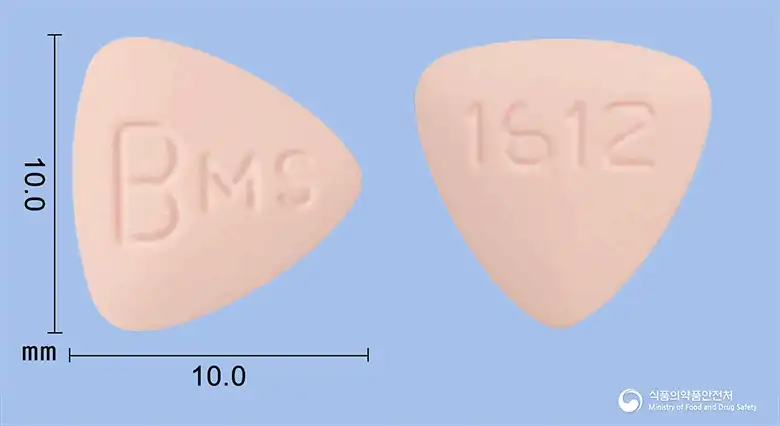
Entecavir 1.06mg
Tablet · Prescription medication
Korea BMS Pharma Co., Ltd.
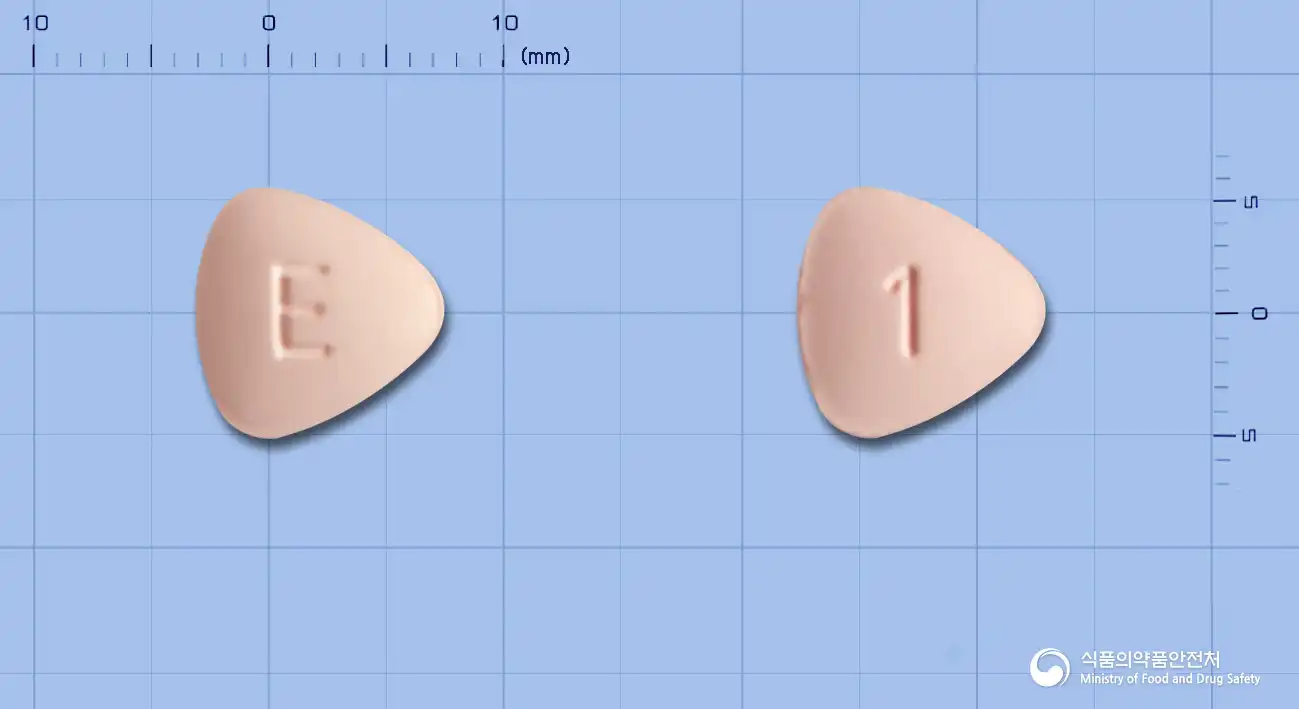
Entecavir 1.06mg
Tablet · Prescription medication
Hanmi Pharmaceutical Co., Ltd.
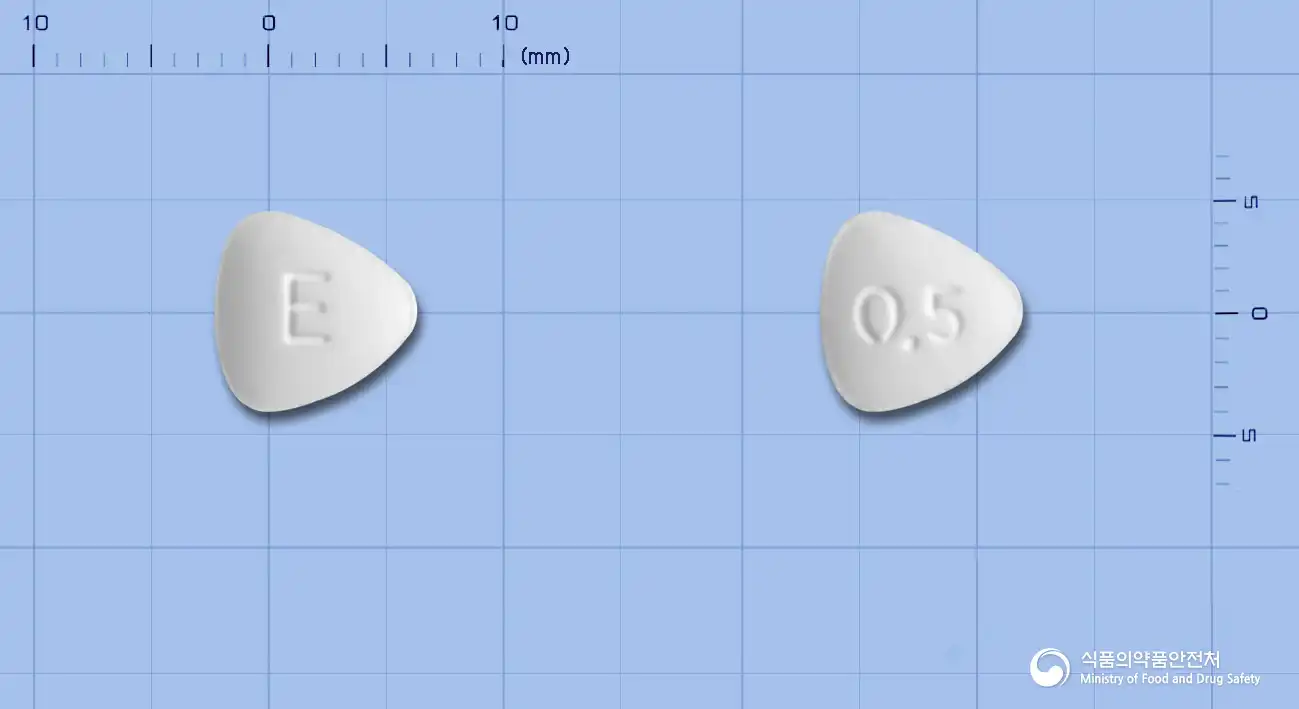
Entecavir 0.53mg
Tablet · Prescription medication
Hanmi Pharmaceutical Co., Ltd.
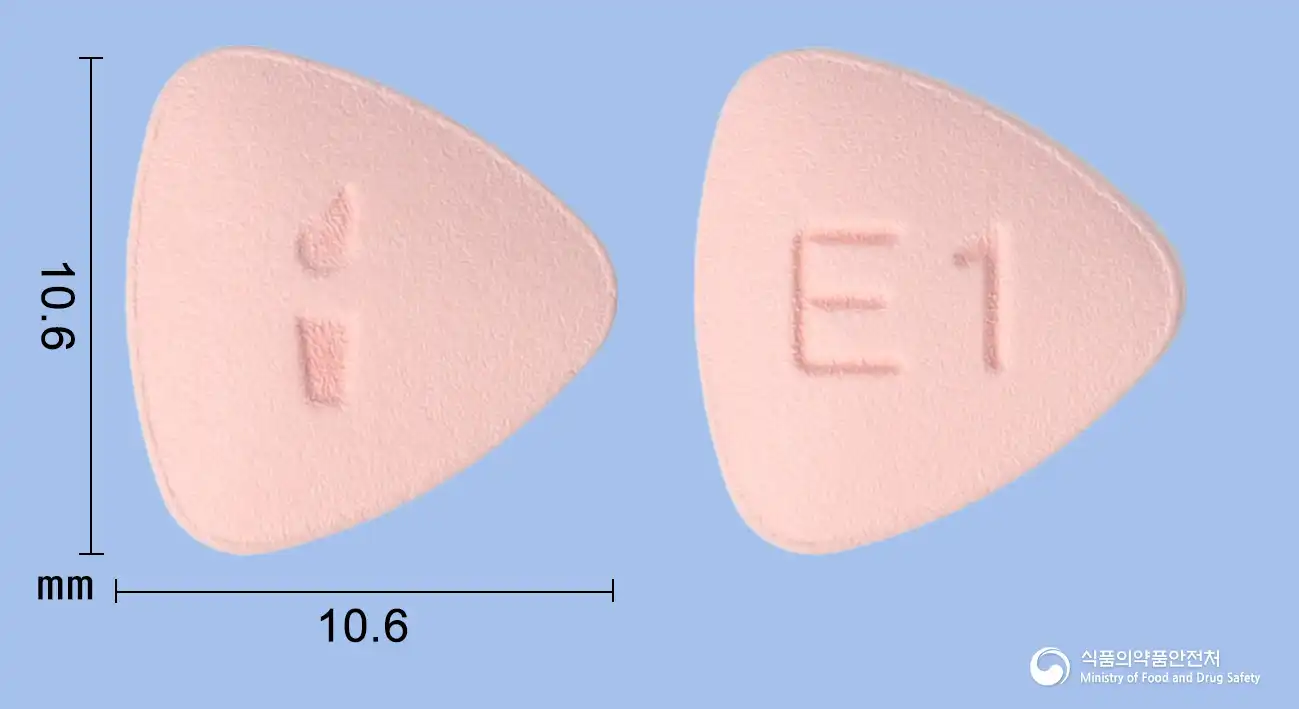
Entecavir 1.06mg
Tablet · Prescription medication
Sam-il Pharmaceutical Co., Ltd.
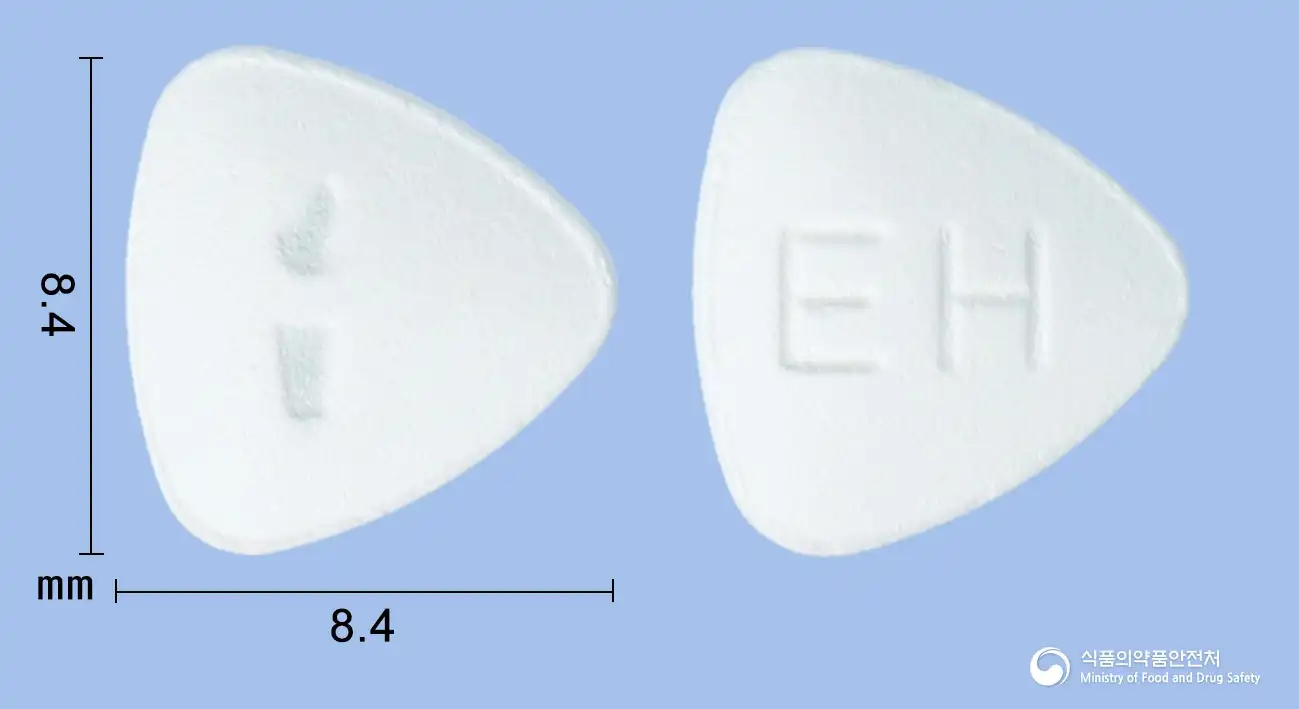
Entecavir 0.53mg
Tablet · Prescription medication
Samil Pharmaceutical Co., Ltd.
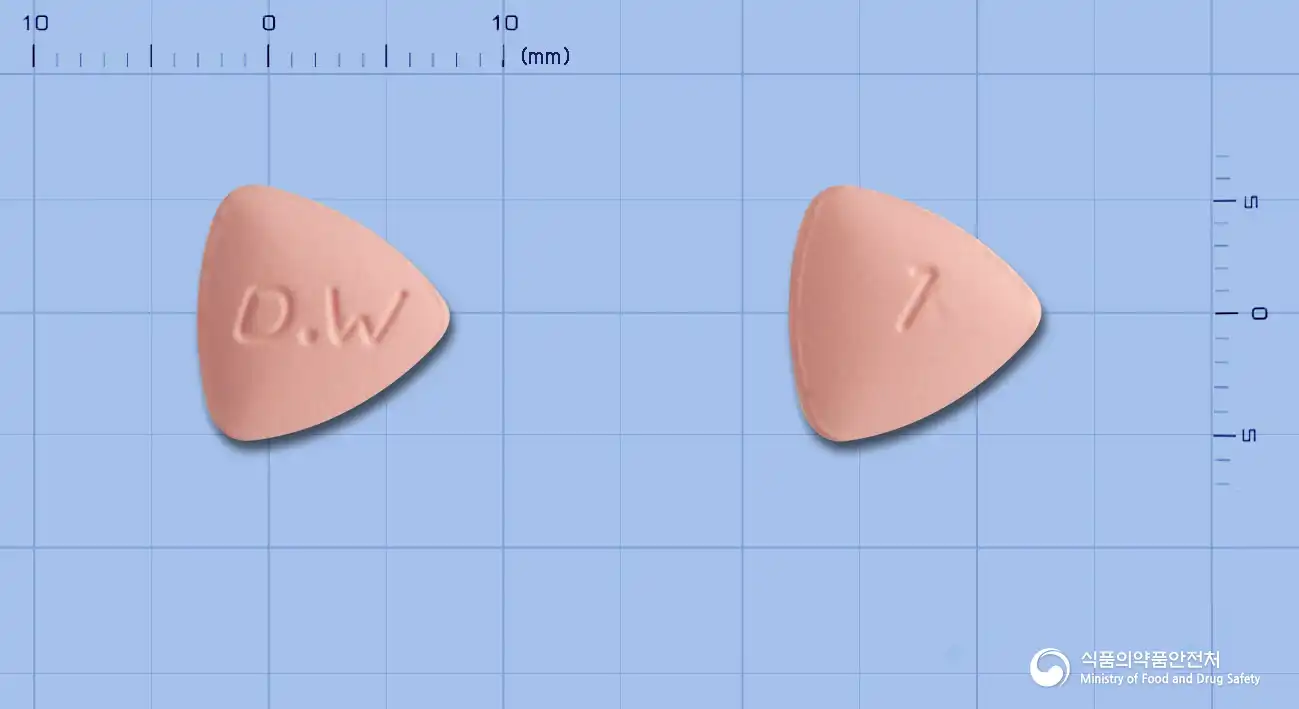
Entecavir 1.06mg
Tablet · Prescription medication
Daewoong Pharmaceutical Co., Ltd.
Even with the same ingredient, the dose and directions can differ by strength and dosage form. Talk to a doctor or pharmacist before switching from a medication you are already taking.
No questions yet.
For anything that needs medical judgment, consult a doctor or pharmacist.
This drug information is based on data provided by the Korea Ministry of Food and Drug Safety.
Consult a doctor or pharmacist for accurate dosage, administration, and usage instructions.