
 한국어
한국어 English
 日本語
日本語 中文(简体)
 Viewing now
Cimetidine Tablet 200 mg (Cimetidine)
Cimetidine 200mg
Tablet · Prescription medication
SPC Co., Ltd.
MFDS item code 201309545 · Approved 2013.10.02 · Insurance code 669700120
Treatment of gastric and duodenal ulcers and gastroesophageal reflux disease, improvement of gastric mucosal lesions
This medication is used to treat conditions such as ulcers occurring in the stomach and duodenum, gastroesophageal reflux disease, recurrent ulcers, surgical anastomotic ulcers, and Zollinger-Ellison syndrome. It also improves gastric mucosal lesions such as erosion, bleeding, redness, and swelling that occur during acute exacerbations of acute or chronic gastritis. This drug effectively alleviates inflammation and damage in the gastrointestinal tract, helping to improve patients' symptoms and enhance digestive health. Therefore, it is widely used for the treatment and symptom improvement of various gastric-related diseases.
As cimetidine, administrate 400 mg orally twice a day (in the morning and at bedtime) or 800 mg once a day at bedtime. Additionally, administer 300 mg orally four times a day (after meals and at bedtime), and it can be increased up to 1.6 g total with doses of 400 mg orally four times a day (after meals and at bedtime). For acute gastritis and acute exacerbation of chronic gastritis, administer 200 mg twice a day or 400 mg once a day.
Administered orally divided at a dose of 20–40 mg per kg of body weight per day.
When this drug is used in injection form, care must be taken when cutting the glass container. If glass fragments are mixed in, abnormal reactions may occur, so special caution is needed for children and the elderly. This drug should not be used in patients with an allergy to this medication or its components, those at risk of specific arrhythmias, and patients with genetic lactose intolerance. Patients with impaired kidney or liver function, those with a history of drug allergies, elderly patients, children, and those undergoing dialysis should be administered this drug with caution, and patients with symptoms of gastric cancer should use it only after confirming malignancy. Rare side effects may include decreased blood cell counts, liver function abnormalities, kidney dysfunction, allergic reactions, endocrine issues, gastrointestinal problems, neurological disturbances, irregular heart rhythms, and severe skin reactions; if any unusual symptoms occur, consult a doctor immediately. Use the minimum effective dose while monitoring treatment effectiveness and undergo regular blood tests and liver and kidney function tests. Elderly patients or those with chronic illnesses may have an increased risk of pneumonia, so caution is necessary. When taking this drug with other medications, consultation with a doctor or pharmacist is required to adjust dosages due to potential interactions, especially with anticoagulants, anticonvulsants, antidepressants, and antibiotics. Pregnant or nursing women should only use this medication if absolutely necessary, as its safety has not been established; it is recommended to stop breastfeeding during treatment. Safety has not been sufficiently confirmed for children, so it should be administered cautiously, and elderly patients may need to reduce the dose or prolong dosing intervals due to decreased kidney function. In the case of overdose, serious side effects such as respiratory depression may occur, and immediate medical attention is required. When administered as an injection, avoid rapid infusion to prevent arrhythmias or hypotension.
General malaise, weakness, subcutaneous bleeding, mucosal bleeding, fever (early symptoms of hematological abnormalities), jaundice, shock, anaphylactic-like reactions (generalized urticaria, difficulty breathing), seizures, loss of consciousness, confusional states (anxiety, psychosis, depression, excitement, hallucinations, disorientation), skin mucosa syndrome (Stevens-Johnson syndrome), toxic epidermal necrolysis (Lyell syndrome), epidermal necrosis, erythema multiforme, exfoliative dermatitis, generalized exfoliative erythema, hypotension, respiratory depression
Not everyone experiences these, and they can vary from person to person.
This medication should be stored in a tightly closed container to protect it from air and moisture, and it is best to store it at a temperature between 1 and 30 degrees Celsius. Proper storage will help maintain the drug's effectiveness for a longer time.
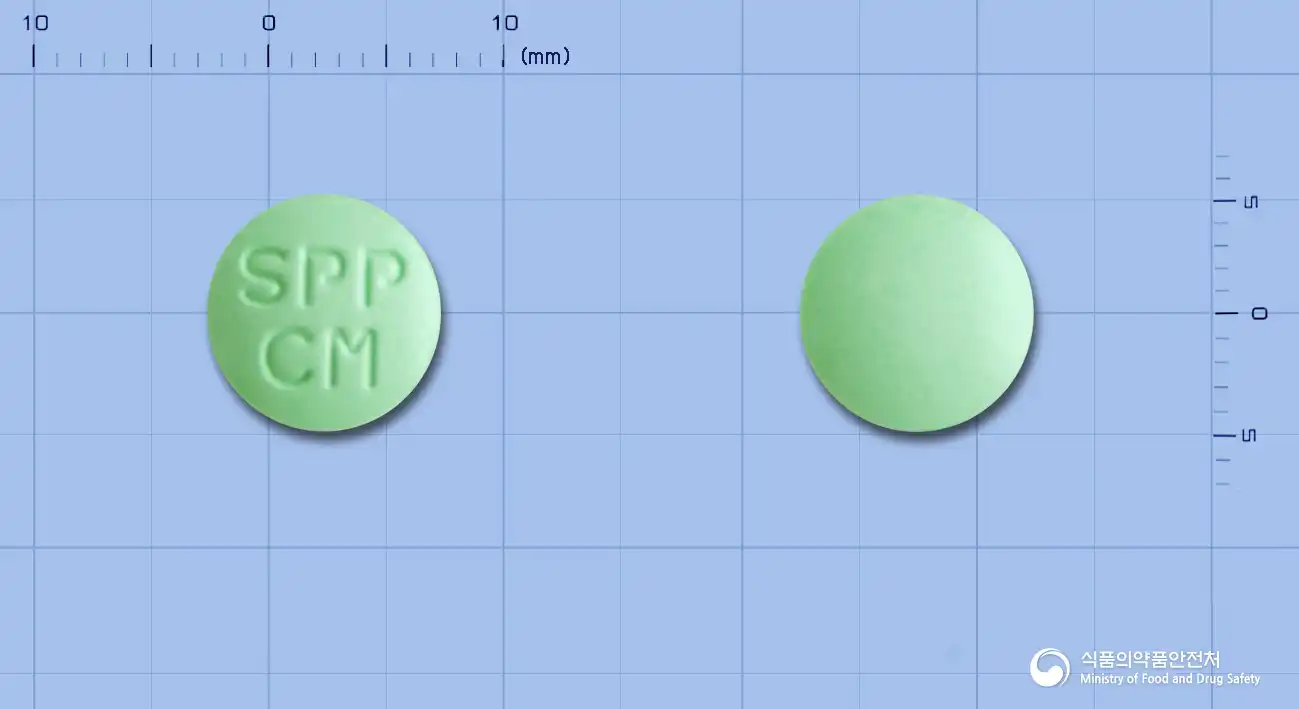
Light green round tablet
1000 tablets/bottle
Even with the same ingredient, strength, dosage form and how it is taken can differ.
Viewing nowCimetidine 200mg
Tablet · Prescription medication
SPC Co., Ltd.
Cimetidine 200mg
Tablet · Prescription medication
Ildong Pharmaceutical Co., Ltd.

Cimetidine 200mg
Tablet · Prescription medication
International Pharmaceutical Co., Ltd.
Cimetidine 100mg
Prescription medication
(Company) Yuhan Corporation

Cimetidine 200mg
Tablet · Prescription medication
Donghwa Pharmaceutical Co., Ltd.

Cimetidine 200mg
Tablet · Prescription medication
Bukwang Pharmaceutical Co., Ltd.
Cimetidine 200mg
Tablet · Prescription medication
Bionex Co., Ltd.

Cimetidine 300mg
Tablet · Prescription medication
Bukwang Pharmaceuticals Co., Ltd.
Even with the same ingredient, the dose and directions can differ by strength and dosage form. Talk to a doctor or pharmacist before switching from a medication you are already taking.
No questions yet.
For anything that needs medical judgment, consult a doctor or pharmacist.
This drug information is based on data provided by the Korea Ministry of Food and Drug Safety.
Consult a doctor or pharmacist for accurate dosage, administration, and usage instructions.