한국어
 English
 日本語
 中文(简体)
 Viewing now
Zefix 100 mg (Lamivudine)
Lamivudine 100mg
Tablet · Prescription medication
GlaxoSmithKline Co., Ltd.
MFDS item code 200810687 · Approved 2008.10.28 · Insurance code 650001930
Suppression of hepatitis B virus replication in chronic active hepatitis
This medication is used to inhibit the replication of the virus in patients with chronic active hepatitis B with positive serum HBV-DNA. Particularly, when initiating treatment for chronic hepatitis B, it is recommended to prioritize the selection of antiviral agents with a higher genetic barrier over lamivudine, which has a high incidence of resistance development. Therefore, this medication is considered for use only when other antiviral agents are unavailable or inappropriate. This medication effectively helps to inhibit virus replication, aiding in the treatment of hepatitis.
1. Adults Administer 100 mg once daily. 3. Patients with renal impairment Because blood levels of lamivudine increase in patients with moderate to severe renal impairment with reduced renal clearance, the dose should be adjusted as follows. Creatinine clearance (mL/min) Initial dose (mg) Maintenance dose (mg) 50 or higher: 100 mg, 100 mg 30 ∼ <50: 100 mg, 50 mg 15 ∼ <30: 100 mg, 25 mg 5 ∼ <15: 35 mg, 15 mg <5: 35 mg, 10 mg For patients receiving intermittent hemodialysis (2∼3 times weekly, dialysis sessions of 4 hours or less), after the initial lamivudine dose has been adjusted according to the patient's creatinine clearance based on the table above, no additional dose adjustment is needed at the time of hemodialysis. 4. Patients with hepatic impairment As lamivudine is minimally metabolized in the liver, no dose adjustment is required in patients with moderate or severe hepatic impairment. 5. Clinical resistance In patients with chronic hepatitis B who are HBeAg-positive or HBeAg-negative, the emergence of YMDD-mutant HBV may result in a reduced response to lamivudine treatment (increased HBV DNA and ALT levels compared with previous levels). To reduce the risk of resistance in patients treated with lamivudine monotherapy, if serum HBV DNA remains detectable after 24 weeks of treatment, consider switching to or adding an alternative drug without cross-resistance to lamivudine, in accordance with treatment guidelines.
2. Children (2∼17 years): Administer 3 mg/kg once daily, up to a maximum of 100 mg per day.
Patients starting or undergoing treatment for chronic hepatitis B must be regularly monitored and examined by a physician experienced in chronic hepatitis B. When this medication is used alone or in combination with other antiretroviral agents, there may be rare occurrences of severe liver enlargement associated with lactic acidosis or fatty liver, requiring caution. Particularly, patients at risk for liver disease, women, obese patients, and those receiving prolonged treatment must be more careful, and in cases of suspected lactic acidosis or hepatic toxicity symptoms, treatment should be discontinued immediately. Discontinuation of this medication may worsen liver function, hence, regular liver function tests for at least 4 months after discontinuation are critical to closely monitor the patient's condition. Additionally, in patients whose HIV status has not been confirmed, use of this medication may carry the risk of developing resistance to the HIV virus, so HIV testing is recommended before and during treatment. Patients with reduced renal function may require dosage adjustments due to delayed drug excretion, and liver transplant patients or patients with progressive liver disease require more diligent monitoring due to a high risk of hepatitis recurrence. This medication has not been proven effective in preventing the transmission of hepatitis B through sexual activity or blood; therefore, alternative preventative methods should also be practiced. Common side effects during treatment include fatigue, malaise, headache, dyspepsia, vomiting, diarrhea, etc., and liver enzyme levels may increase, necessitating periodic checks. During pregnancy, data on the effects of this medication on the fetus are limited, so the benefits and risks of treatment must be carefully considered. If breastfeeding, it is recommended to discontinue nursing as the drug can be secreted into breast milk, affecting the infant. Children and elderly patients may need dosage adjustments based on renal function, and safety for children under 2 years has not been established. In cases of overdose, there may be no specific symptoms, but patient condition should be closely observed, and immediate consultation with medical personnel is necessary if needed. Lastly, this medication should be stored out of reach of children, and it is important to not transfer it to other containers to maintain safety and quality.
Not everyone experiences these, and they can vary from person to person.
This medication must be stored in a tightly sealed container to prevent exposure to air or moisture. It is important to maintain a storage temperature between 1 to 30 degrees Celsius. Proper storage will help preserve the drug's effectiveness.
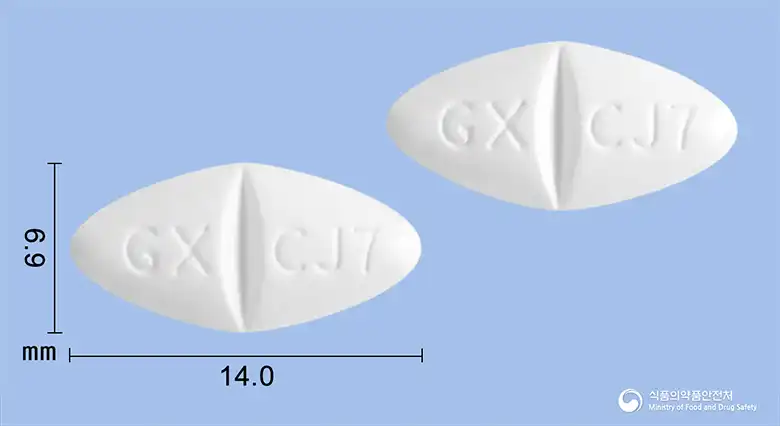
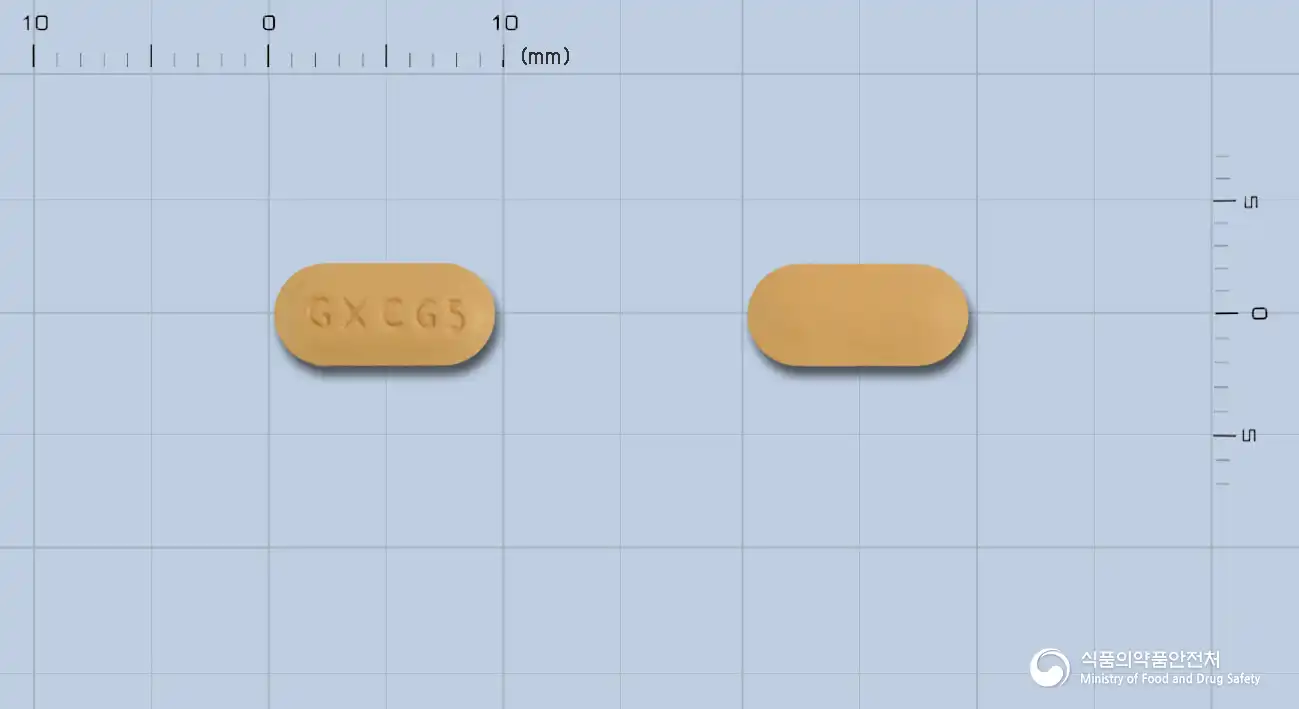
Light orange, film-coated tablet with a biconvex, elongated shape
28 tablets (14 tablets/PTP X 2), 84 tablets (14 tablets/PTP X 6)
Even with the same ingredient, strength, dosage form and how it is taken can differ.
Even with the same ingredient, the dose and directions can differ by strength and dosage form. Talk to a doctor or pharmacist before switching from a medication you are already taking.
No questions yet.
For anything that needs medical judgment, consult a doctor or pharmacist.
This drug information is based on data provided by the Korea Ministry of Food and Drug Safety.
Consult a doctor or pharmacist for accurate dosage, administration, and usage instructions.