
 한국어
 English
 日本語
 中文(简体)
Dosage form image
Viewing nowValcyte Powder for Oral Solution (Valganciclovir Hydrochloride)
Valganciclovir Hydrochloride 5.51g
Prescription medication
Jongkundang Co., Ltd.
MFDS item code 200810221 · Approved 2008.10.06 · Insurance code 643309130
Treatment of CMV retinitis in adults with AIDS; prevention of CMV disease in solid organ transplant recipients
This medication is used for the treatment of CMV retinitis in adult patients with AIDS. It is also used to prevent CMV infection in adults and children who are at risk of CMV infection, particularly in solid organ transplant recipients. This helps improve infection symptoms and maintain health.
Treatment of CMV retinitis in patients with AIDS Adult patients Induction therapy: Patients with active CMV retinitis should take 900mg twice daily with food for 21 days. Maintenance therapy: After induction therapy, or for patients with inactive CMV retinitis, take 900mg once daily with food. If retinitis worsens, repeat induction therapy. Prevention of CMV disease in organ transplant recipients Adult patients Kidney transplant recipients should start taking this medicine within 10 days after transplantation and take 900mg once daily through day 200. Recipients of solid organ transplants other than kidney transplants should start taking this medicine within 10 days after transplantation and take 900mg once daily through day 100. Dosage and administration in special populations Adults with renal impairment Serum creatinine clearance should be closely monitored in patients with renal impairment, and the dose should be adjusted according to creatinine clearance. CrCl (ml/min) | Induction dose | Maintenance/prophylaxis dose ≥ 60 | 900mg twice daily | 900mg once daily 40 - 59 | 450mg twice daily | 450mg once daily 25 - 39 | 450mg once daily | 225mg once daily 10 - 24 | 225mg once daily | 125mg once daily < 10 | 200mg 3 times a week after dialysis | 100mg 3 times a week after dialysis * Creatinine clearance is calculated from serum creatinine using the following formula. Creatinine clearance in women = 0.85 X creatinine clearance in men Dose adjustment is required in dialysis patients (ClCR<10ml/min); refer to the table above.
Treatment of CMV retinitis in patients with AIDS Pediatric patients: The safety and efficacy of this medicine for the treatment of CMV retinitis have not been established in adequate, controlled clinical studies in pediatric patients. Prevention of CMV disease in organ transplant recipients Pediatric solid organ transplant recipients aged 4 months and older who are at risk of developing CMV disease: The recommended daily dose is calculated using the formula below according to body surface area (BSA) and creatinine clearance (Clcr) calculated using the Schwartz formula (ClcrS). Pediatric dose (mg)= 7×BSA×ClcrS If the calculated Schwartz creatinine clearance exceeds 150mL/min/1.73m2, use 150mL/min/1.73m2 in the formula. k=0.45*(under 2 years) k=0.55 (boys: 2 years to under 13 years, girls: 2 years to under 16 years) k=0.7 (boys: 13 years to 16 years) For patients over 16 years of age, refer to the adult dosage. - The provided k values are based on the Jaffe method for measuring serum creatinine; adjustment may be necessary when an enzymatic method is used. -* A lower k value may be required for certain subpopulations. Pediatric kidney transplant recipients: Start taking the medicine within 10 days after transplantation and take the recommended dose (7×BSA×ClcrS) once daily through day 200. Pediatric recipients of solid organ transplants other than kidney transplants: Start taking the medicine within 10 days after transplantation and take the recommended dose (7×BSA×ClcrS) once daily through day 100. Round all calculated doses to the nearest multiple of 25mg, taking into account the dose that can actually be administered. If the calculated dose exceeds 900mg, administer the maximum dose of this medicine, 900mg. The valganciclovir powder for oral solution is convenient for administering the dose calculated using the formula above; however, if the calculated dose is within 10% of a 450mg tablet dose (405mg-495mg) and the patient can swallow tablets, a 450mg tablet may be taken. It is recommended that serum creatinine be monitored regularly and that the dose be adjusted appropriately during the prophylaxis period, taking into account changes in renal function and body weight.
This drug is converted to ganciclovir in the body and is used for the treatment of viral infections. This drug has shown mutagenicity, teratogenicity, carcinogenic potential, and reproductive toxicity in animal studies; therefore, women of childbearing age should use effective contraception during and for at least 30 days after treatment, and men should do so for at least 90 days. It should be used with caution in patients with low blood cell counts or weakened bone marrow function, particularly in cases of very low neutrophil, platelet, or hemoglobin levels. During treatment, blood tests to monitor blood cell counts should be conducted frequently, and in severe cases, administration of hematopoietic growth factors or discontinuation of the medication may be necessary. Pregnant or breastfeeding women and patients with hypersensitivity to this drug or its components should not use it. This medication may affect kidney function, so patients with poor kidney function need dose adjustments and careful monitoring. Additionally, neurological side effects may occur, so caution should be exercised when driving or operating machinery. There are several drugs that may interact with this medication, so any other medications being taken must be disclosed. Common side effects include diarrhea, nausea, vomiting, fever, headache, and fatigue; however, serious blood abnormalities or kidney dysfunction may occur rarely. Children, elderly patients, and newborns require closer monitoring of blood counts and kidney and liver function. In cases of overdose, bone marrow suppression, kidney damage, and neurological abnormalities may occur, and immediate consultation with healthcare professionals is advised; dialysis treatment may be beneficial if necessary. Care should be taken to avoid contact of this drug's powder or prepared solution with skin or eyes; in case of contact, rinse immediately with clean water. Store in a tightly closed container to protect from air and moisture, and keep in a cool place below 30 degrees Celsius. This way, the effectiveness of the drug can be maintained for a longer period. Finally, this medication contains sweeteners that may be harmful to health, so caution is necessary.
Diarrhea, fever, fatigue, nausea, tremors, neutropenia, anemia, leukopenia, thrombocytopenia, headache, insomnia, urinary tract infection, vomiting, upper respiratory tract infection, abdominal pain, retinal detachment, peripheral neuropathy, paresthesia, dyspepsia, constipation, abdominal bloating, oral ulcers, pain, lethargy, weakness, chills, peripheral edema, abnormal liver function, oral candidiasis, influenza, pharyngitis, nasopharyngitis, postoperative wound infection, postoperative complications, wound exudate, decreased appetite, hyperkalemia, hypophosphatemia, weight loss, back pain, myalgia, arthralgia, muscle cramps, dizziness, depression, anxiety, renal impairment, decreased creatinine clearance, increased blood creatinine, hematuria, cough, dyspnea, dermatitis, rash, itching, hypotension, anaphylaxis, agranulocytosis, granulocytopenia, febrile neutropenia, pancytopenia, bone marrow failure, arrhythmia, hearing loss, macular edema, pancreatitis, bleeding associated with thrombocytopenia, hypersensitivity reaction, soft tissue infection, sepsis, postoperative pain, wound deficit, elevated AST, elevated ALT, limb pain, seizures, taste disorder, confusion, agitation, mental disturbance, hallucinations, renal failure
Not everyone experiences these, and they can vary from person to person.
This medication should be stored in a tightly closed container to prevent air or moisture ingress and is best kept in a cool place below 30 degrees Celsius. Storing it this way helps to maintain the drug's effectiveness for a longer time.
White to pale yellow granules
1 bottle
Even with the same ingredient, strength, dosage form and how it is taken can differ.
Valganciclovir Hydrochloride 5.51g
Prescription medication
Jongkundang Co., Ltd.
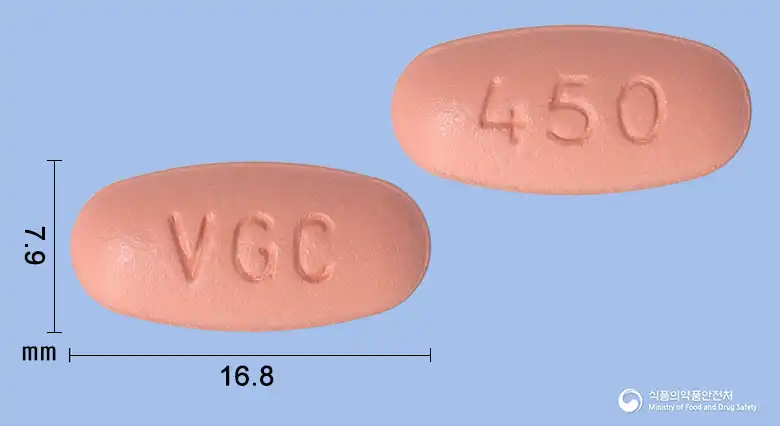
Valganciclovir Hydrochloride 496.3mg
Tablet · Prescription medication
Jongkundang Co., Ltd.
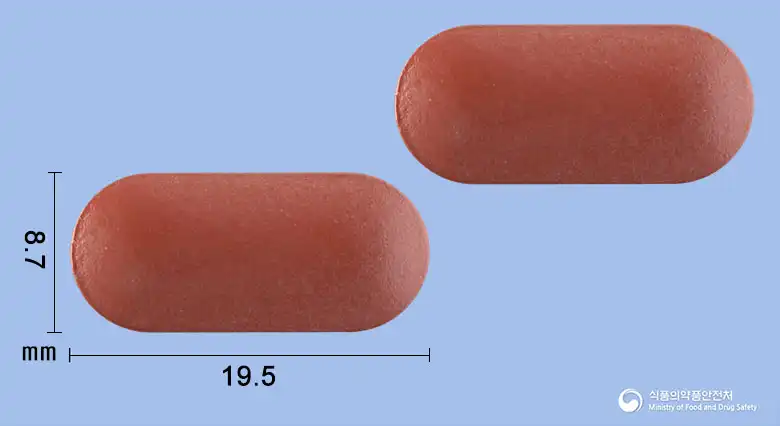
Valganciclovir Hydrochloride 496.3mg
Tablet · Prescription medication
J-Tech Biopharm Co., Ltd.
Even with the same ingredient, the dose and directions can differ by strength and dosage form. Talk to a doctor or pharmacist before switching from a medication you are already taking.
No questions yet.
For anything that needs medical judgment, consult a doctor or pharmacist.
This drug information is based on data provided by the Korea Ministry of Food and Drug Safety.
Consult a doctor or pharmacist for accurate dosage, administration, and usage instructions.