
 한국어
 English
 日本語
 中文(简体)
Dosage form image
Viewing nowAzitaps Injection 500mg (Azithromycin Hydrate)
Azithromycin Hydrate 524.1mg
Prescription medication
Ildong Pharmaceutical Co., Ltd.
MFDS item code 200807127 · Notified 2008.06.27 · Insurance code 642902831
Treatment of community-acquired pneumonia and pelvic infections
This medication is effective in treating various bacterial infections, including Staphylococcus aureus, Streptococcus pneumoniae, and Haemophilus influenzae. It is specifically used for the treatment of community-acquired pneumonia and pelvic inflammatory disease. This drug exhibits broad-spectrum antibacterial activity against various bacteria, thereby improving infections. It is also effective for complex infections and can be safely used. It helps facilitate the rapid recovery of patients. Therefore, this drug is used for the treatment of community-acquired pneumonia and pelvic inflammatory disease.
Community-acquired pneumonia : 500 mg once daily by intravenous administration for at least 2 days, followed by oral azithromycin 500 mg once daily for 5-8 days. Total duration of intravenous and oral administration: 7-10 days Pelvic infection : 500 mg once daily by intravenous administration for 1-2 days, followed by oral administration of 250 mg once daily for 5-6 days. Total duration of intravenous and oral administration: 7 days If anaerobic infection is suspected, administer an appropriate antibacterial agent for the treatment of anaerobic bacteria concomitantly. Precautions for intravenous administration : Infuse azithromycin injection at a concentration of 1.0 mg/ml over 3 hours and azithromycin injection at a concentration of 2.0 mg/ml over 1 hour. A 500 mg dose of azithromycin injection diluted as described above should be infused over at least 60 minutes. Do not use azithromycin injection as a concentrated bolus or for intramuscular injection.
This medication is a macrolide antibiotic, allergic reactions are rare but can be severe, so patients with hypersensitivity should not use it. Severe allergic reactions such as angioedema, anaphylaxis, and skin rashes may occur during use. If symptoms develop, stop administration immediately and seek medical treatment. This drug can alter the normal intestinal flora, leading to overgrowth of Clostridium difficile, which can cause severe diarrhea or colitis. Consult a doctor immediately if diarrhea occurs. In patients with significantly impaired renal function or severe hepatic impairment, this drug may increase exposure or risk of liver damage, requiring cautious use. Gastrointestinal disturbances (abdominal pain, nausea, vomiting, diarrhea) and pain or inflammation at the injection site are common, and serious side effects such as liver dysfunction, decrease in blood cell counts, and muscle damage may also occur, so monitoring of symptoms is necessary. Due to the risk of arrhythmias caused by abnormalities in cardiac electrical signals, special caution should be observed in patients with congenital or acquired QT interval prolongation, patients taking certain medications, patients with electrolyte imbalances, patients with heart diseases, and the elderly. This drug may interact with other medications, so if you are taking other medications, you must inform your physician or pharmacist, with particular caution needed when used concomitantly with ergot derivatives, digoxin, colchicine, and coumarin anticoagulants. During pregnancy, since the safety for the fetus has not been well established, it should only be used when necessary, and if breastfeeding, it can be excreted in breast milk, so consult your physician regarding whether to discontinue breastfeeding. The safety of intravenous administration in children under 16 years old has not been established, so caution is required in administering it to children. During treatment, you must adhere to the exact dosage and duration as instructed by your physician, and discontinuation based solely on symptom improvement may reduce the treatment effect and increase the risk of resistant bacteria. Do not take this medication simultaneously with antacids containing aluminum or magnesium, and maintain a time interval during administration. If muscle pain, fatigue, or signs of muscle damage occur after administration, consult your physician immediately, as regular examinations may be required to prevent serious side effects. Finally, this drug is ineffective against viral infections and should not be used for viral diseases such as colds.
Angioedema, anaphylaxis, acute generalized exanthematous pustulosis, Stevens-Johnson syndrome, toxic epidermal necrolysis, drug reaction with eosinophilia and systemic symptoms, diarrhea, colitis, abdominal pain, nausea, vomiting, rash, injection site pain, injection site inflammation, vulvovaginitis, loss of appetite, pruritus, gastritis, dizziness, dyspnea, dyspepsia, bloating, mucositis, oral moniliasis, gastroenteritis, headache, insomnia, bronchospasm, ageusia, hepatitis, liver dysfunction, jaundice, leukopenia, neutropenia, thrombocytopenia, rhabdomyolysis, myalgia, fatigue, increased CK, elevated myoglobin in blood and urine, arthralgia, edema, urticaria, ventricular tachycardia, arrhythmia, hypotension, QT interval prolongation, torsades de pointes, pseudomembranous colitis, pancreatitis, oral candidiasis, pyloric stenosis, tongue depigmentation, weakness, dysesthesia, sensory loss, fatigue, myasthenia gravis, anaphylaxis, interstitial nephritis, acute kidney failure, moniliasis, hypoprothrombinemia, hepatic necrosis, liver failure, seizures, dizziness, ataxia, hyperactivity, nervousness, anxiety, agitation, syncope, aggressive response, pruritus, erythema multiforme, hearing loss, auditory impairment, deafness, tinnitus, taste disturbance, smell disturbance, ageusia, anosmia, elevated ALT, elevated AST, increased creatinine, elevated LDH, elevated bilirubin, leukopenia, neutropenia, decreased platelet count, liver enzyme abnormalities, increased liver enzymes, anemia, hepatitis, nausea, decreased treatment response, thrombocytopenia, hypokalemia, leukopenia, injection site reaction, gastritis, dizziness, dyspnea, exacerbation of myasthenia gravis symptoms, new myasthenic syndrome, infantile hypertrophic pyloric stenosis
Not everyone experiences these, and they can vary from person to person.
This drug should be stored in a sealed container to prevent air and moisture ingress. Furthermore, it is important to store the drug at room temperature, specifically below 25 degrees Celsius, to maintain its efficacy.
A vial filled with white to off-white powder
1 vial/box, 10 vials/box
Even with the same ingredient, strength, dosage form and how it is taken can differ.
Azithromycin Hydrate 524.1mg
Prescription medication
Ildong Pharmaceutical Co., Ltd.
Azithromycin Hydrate 524.1mg
Prescription medication
Pfizer Korea Co., Ltd.
Azithromycin Hydrate 5.008g
Prescription medication
Pfizer Pharmaceutical Co., Ltd.
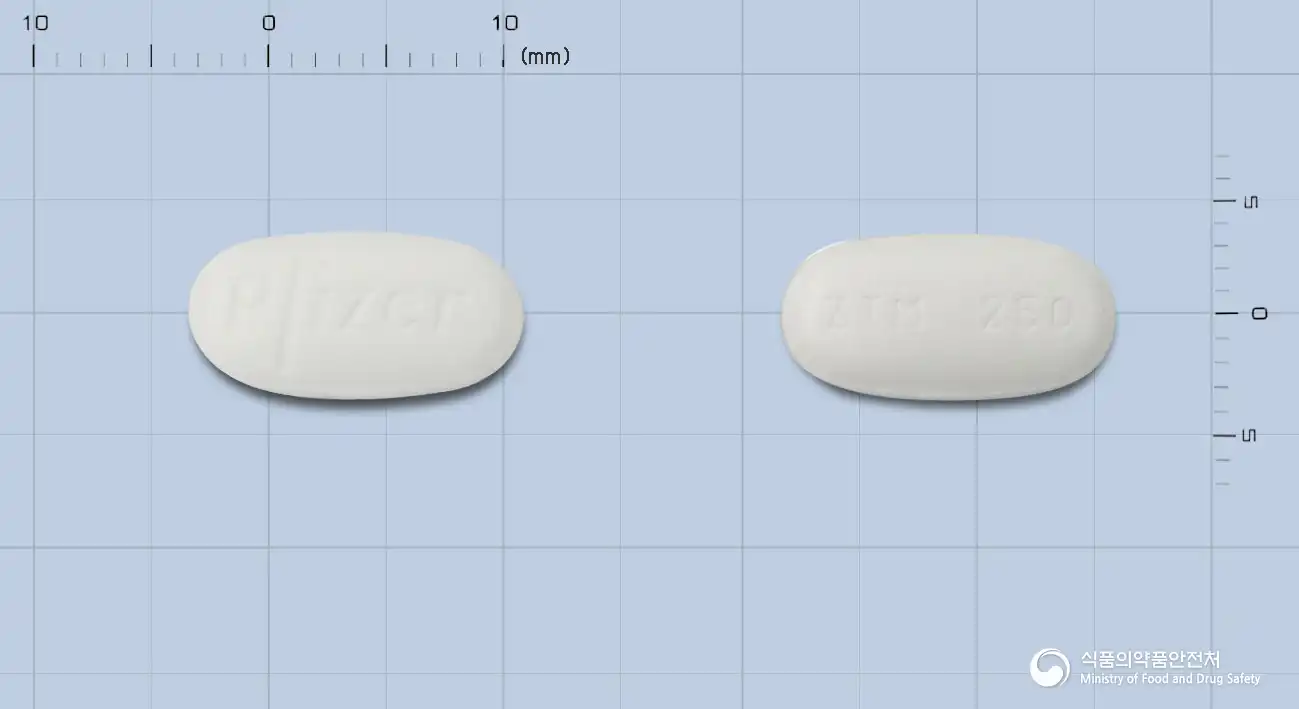
Azithromycin Hydrate 250mg
Tablet · Prescription medication
Pfizer Korea Co., Ltd.
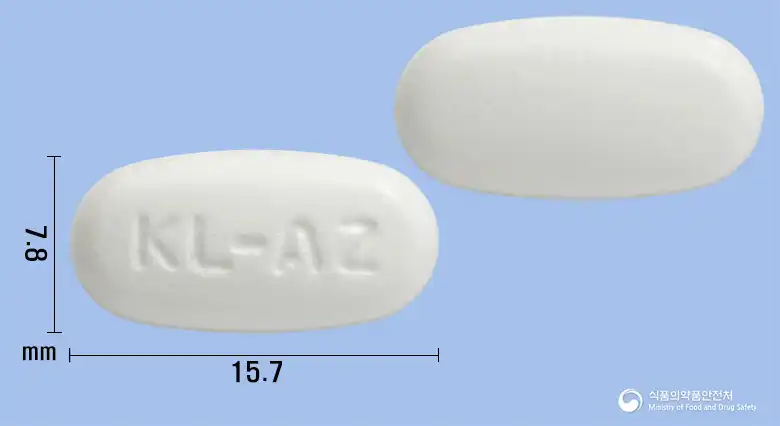
Azithromycin Hydrate 262.03mg
Tablet · Prescription medication
Kolon Pharmaceutical Co., Ltd.
Azithromycin
Prescription medication
Daewoong Pharmaceutical Co., Ltd.
Azithromycin Hydrate 5.01g
Prescription medication
DaiWoo Pharmaceutical Co., Ltd.
Azithromycin Hydrate
Prescription medication
Kolon Pharmaceutical Co., Ltd.
Even with the same ingredient, the dose and directions can differ by strength and dosage form. Talk to a doctor or pharmacist before switching from a medication you are already taking.
No questions yet.
For anything that needs medical judgment, consult a doctor or pharmacist.
This drug information is based on data provided by the Korea Ministry of Food and Drug Safety.
Consult a doctor or pharmacist for accurate dosage, administration, and usage instructions.