한국어
 English
 日本語
 中文(简体)
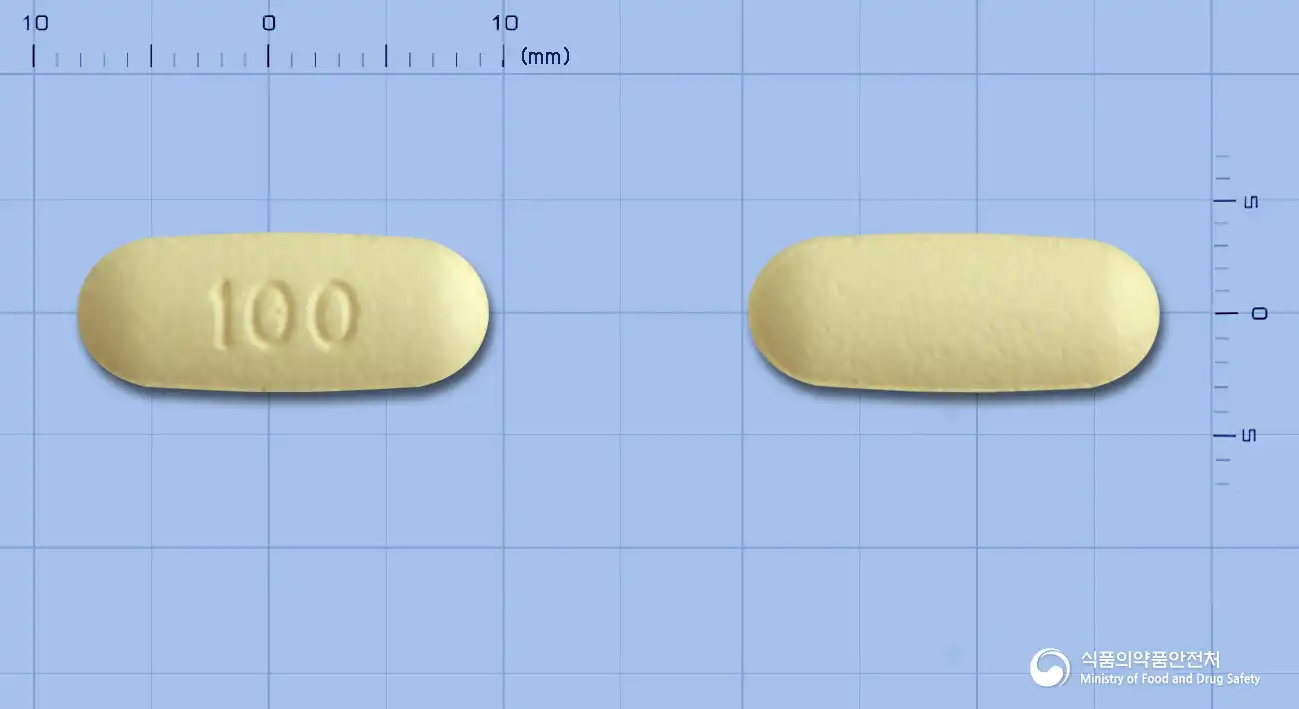
Dosage form image
Viewing nowNoxafil Suspension (Posaconazole (Unformulated))
Posaconazole Micronized 40mg
Suspension · Prescription medication
Merck Korea Co., Ltd.
MFDS item code 200711475 · Approved 2007.10.19 · Insurance code 655501341
Prevention of invasive fungal infections; treatment of fungal infections (aspergillosis, etc.)
This medication is effective in treating fungal infections, particularly in patients with invasive aspergillosis who are non-responsive or resistant to amphotericin B or itraconazole. It is also useful for local treatment in severe patients with oropharyngeal candidiasis or when local treatment is difficult in immunocompromised patients. Additionally, it is used for prevention in patients with acute myeloid leukemia or myelodysplastic syndromes at high risk for invasive fungal infections. It is also effective in preventing infections in hematopoietic stem cell transplant patients undergoing high-dose immunosuppressive therapy for graft-versus-host disease. Thus, this medication is widely utilized for the treatment and prevention of various severe fungal infections.
Refractory or intolerant invasive fungal infections: Administer 400mg (10mL) twice daily. For patients unable to eat meals or take nutritional supplements, administer this drug at 200mg (5mL) per dose 4 times daily. The duration of treatment is determined by the patient's underlying disease status, degree of recovery from immunosuppression, and clinical response. Oropharyngeal candidiasis: For induction therapy, administer 200mg (5mL) once on the first day, followed by 100mg (2.5mL) once daily for the next 13 days. Each dose of this drug must be administered with food. For patients unable to eat, it must be administered with an oral nutritional supplement to promote absorption and ensure adequate exposure. Prevention of invasive fungal infections: Administer 200mg (5mL) 3 times daily. Each dose of this drug must be administered with food. For patients unable to eat, it must be administered with an oral nutritional supplement to promote absorption and ensure adequate exposure. The duration of treatment is determined based on recovery from neutropenia or immunosuppression. In patients with acute myeloid leukemia or myelodysplastic syndrome, initiate prophylaxis with this drug several days before the onset of neutropenia and continue for 7 days after the neutrophil count reaches 500/mm3 or higher. This drug is for oral use only. Shake the oral suspension well before administration.
This medication should not be used in patients who are hypersensitive to the ingredients. It is advisable to avoid concomitant treatment with this drug and specific medications such as ergotamine alkaloids, terfenadine, astemizole, cisapride, pimobendan, halofantrine, quinidine, and HMG-CoA reductase inhibitors as they can pose risks. This medication can affect liver function; caution is required when administering it to patients with liver diseases or those with abnormal liver function test results, and regular liver function testing is recommended. It may cause QTc interval prolongation, thus patients with heart diseases or those taking medications that cause QTc prolongation should use it with caution. Caution is advised in patients with severe gastrointestinal dysfunction, and in cases of severe diarrhea or vomiting, close monitoring for infection risk is necessary. This medication can cause photosensitivity reactions; therefore, limiting sun exposure and using sunscreen is recommended. Pregnant or breastfeeding women should exercise caution when using this medication, especially women of childbearing potential should ensure adequate contraception during treatment. This medication is not recommended for children under 18 years of age as its safety and efficacy have not been established. Caution is necessary when driving or operating machinery, as side effects such as dizziness or drowsiness may occur due to the use of this medication. In case of overdose, special antidotes are not available; symptomatic treatment based on symptoms is required, and it is not eliminated by hemodialysis. This medication should be used within 4 weeks after opening and must be stored to avoid freezing.
Not everyone experiences these, and they can vary from person to person.
This medication may be sensitive to air and moisture, so it should be stored in a tightly sealed container. A storage temperature between 1 and 30 degrees Celsius is recommended to maintain the safety of its effectiveness.
A white suspension in a brown glass bottle
105mL/bottle
Even with the same ingredient, strength, dosage form and how it is taken can differ.
Even with the same ingredient, the dose and directions can differ by strength and dosage form. Talk to a doctor or pharmacist before switching from a medication you are already taking.
No questions yet.
For anything that needs medical judgment, consult a doctor or pharmacist.
This drug information is based on data provided by the Korea Ministry of Food and Drug Safety.
Consult a doctor or pharmacist for accurate dosage, administration, and usage instructions.