
 한국어
 English
 日本語
 中文(简体)
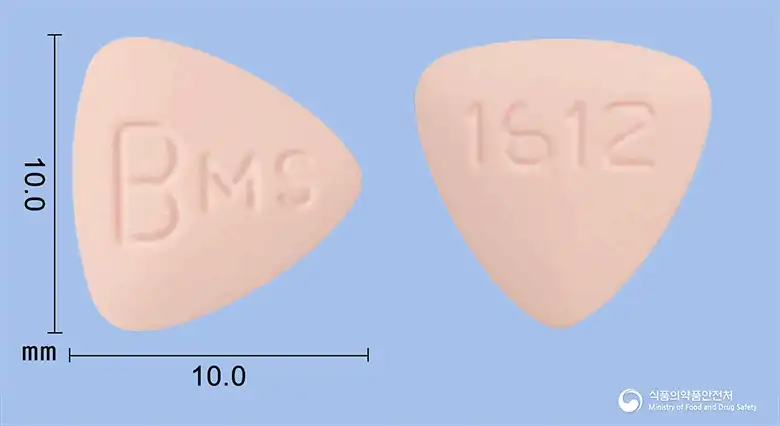 Viewing now
Baraclude 1.0 mg (Entecavir) Film-coated Tablet
Entecavir 1.06mg
Tablet · Prescription medication
Korea BMS Pharma Co., Ltd.
MFDS item code 200605263 · Approved 2006.05.24 · Insurance code 658700110
Treatment of chronic hepatitis B virus infection
This medication is used for the treatment of chronic hepatitis B virus infection in adults aged 16 years and older and pediatric patients aged 2 years and older, who have confirmed active viral replication and persistent elevation of serum aminotransferase (ALT or AST), or evidence of active disease confirmed by histological examination.
This medicine should be administered orally on an empty stomach (2 hours after a meal or at least 2 hours before a meal). Recommended dosage for adults (16 years and older) The recommended dose is 0.5mg of entecavir orally once daily. Patients aged 16 years and older with lamivudine resistance, i.e., patients who experienced persistent replication of hepatitis B virus despite lamivudine treatment or who have lamivudine-resistant mutations: 1mg of entecavir orally once daily on an empty stomach Patients with renal impairment In adults with renal impairment, the oral clearance of this medicine decreases as creatinine clearance decreases. In adult patients with creatinine clearance below 50mL/min, including patients receiving hemodialysis or continuous ambulatory peritoneal dialysis (CAPD), adjust the dose as shown in Table 2. Creatinine clearance (mL/min) | Entecavir dose | Entecavir dose in patients with lamivudine resistance ≥ 50 | 0.5 mg once daily | 1 mg once daily 30 - <50 | 0.25 mg once daily a or 0.5 mg every 48 hours | 0.5 mg once daily or 1 mg every 48 hours 10 - <30 | 0.15 mg once daily a or 0.5 mg every 72 hours | 0.3 mg once daily a or 1 mg every 72 hours <10, hemodialysis b or CAPD | 0.05 mg once daily a or 0.5 mg every 7 days | 0.1 mg once daily a or 1 mg every 7 days a : For doses less than 0.5mg, use of the oral solution is recommended. b : If administered on a hemodialysis day, administer this medicine after the hemodialysis session.
Pediatric patients aged 2 years and older weighing at least 10 kg. The syrup should be used only in patients weighing up to 30 kg. 10 to 11 kg: 3 mL of syrup once daily >11 to 14 kg: 4 mL of syrup once daily >14 to 17 kg: 5 mL of syrup once daily >17 to 20 kg: 6 mL of syrup once daily >20 to 23 kg: 7 mL of syrup once daily >23 to 26 kg: 8 mL of syrup once daily >26 to 30 kg: 9 mL of syrup once daily >30 kg: Administer 10 mL of syrup or one 0.5 mg tablet once daily. There are insufficient data to recommend specific dosage adjustments for pediatric patients with renal impairment. However, as with dosage adjustments in adults, reducing the dose or extending the dosing interval should be considered.
This medication is used for the treatment of liver disease, and there are several precautions to consider when using it. First, there is a rare risk of serious liver problems such as lactic acidosis and fatty liver when this medication is used alone or in combination with certain other antiretroviral agents. Extra caution is particularly needed in female patients, obese patients, and those at risk for liver disease. Moreover, if this medication or related treatments are suddenly discontinued, hepatitis B may rapidly worsen, so liver function should be closely monitored for several months after treatment cessation. Use of this medication is not recommended for patients with HIV infection who have not yet been treated, and it is important to be tested for HIV before treatment. It should not be administered to patients who are allergic to this medication or any of its components, nor to those with certain genetic lactase deficiency diseases. Patients with reduced kidney function, especially those undergoing hemodialysis or peritoneal dialysis, need dose adjustments, and recipients of liver transplants should have their kidney function closely monitored. Common side effects during treatment may include headache, fatigue, dizziness, nausea, and liver function abnormalities, so regular testing is required. During pregnancy, this medication should only be used when absolutely necessary due to potential risks to the fetus; in breastfeeding, consideration should be given to discontinuing breastfeeding or the medication. This medication's absorption may be reduced when taken with food, so it is best taken on an empty stomach. Since it is mainly excreted by the kidneys, caution should be exercised when using it with other medications that may affect kidney function or compete with renal excretion to monitor the likelihood of side effects closely. Elderly patients and children may also require dose adjustments based on kidney function, and safety and efficacy have not been established in children under 2 years of age. In case of overdose, there is no specific antidote, and appropriate supportive treatment should be provided according to symptoms, although some of the medication may be removed by hemodialysis. Lastly, this medication must be stored out of reach of children, away from direct sunlight, and at room temperature.
Lactic acidosis, steatosis, liver enlargement, liver metabolic dysfunction, headache, fatigue, dizziness, nausea, diarrhea, dyspepsia, vomiting, vertigo, drowsiness, insomnia, anaphylactic reactions, elevation of aminotransferases, hair loss, rash, upper abdominal pain, heartburn, chest pain, dyspepsia, hematuria, thrombocytopenia, hyperglycemia, diabetes, hepatic neoplasm, intra-abdominal bleeding, ascites, portal hypertension gastrointestinal disease, abdominal pain, gastrointestinal bleeding, cholangitis, hepatic encephalopathy, septal deviation, sepsis, eyelid skin disorders, gastric angioedema, chronic sinusitis, pruritus, constipation, abdominal discomfort, rhinorrhea, abdominal pain, lumbar pain, abdominal pain, unpleasant taste, neutropenia, upper respiratory tract infection, enteritis, papules, urticaria, fever, influenza-like syndrome, bronchitis, folliculitis, eczema, seborrheic dermatitis, ligament sprain, influenza, upper abdominal pain
Not everyone experiences these, and they can vary from person to person.
This medication should be stored in a tightly closed container to protect it from air and light and must be kept away from direct sunlight. It is important to maintain storage temperature between 15 and 30 degrees Celsius.
Pink triangular film-coated tablet
30 tablets/PTP
Even with the same ingredient, strength, dosage form and how it is taken can differ.
Viewing nowEntecavir 1.06mg
Tablet · Prescription medication
Korea BMS Pharma Co., Ltd.
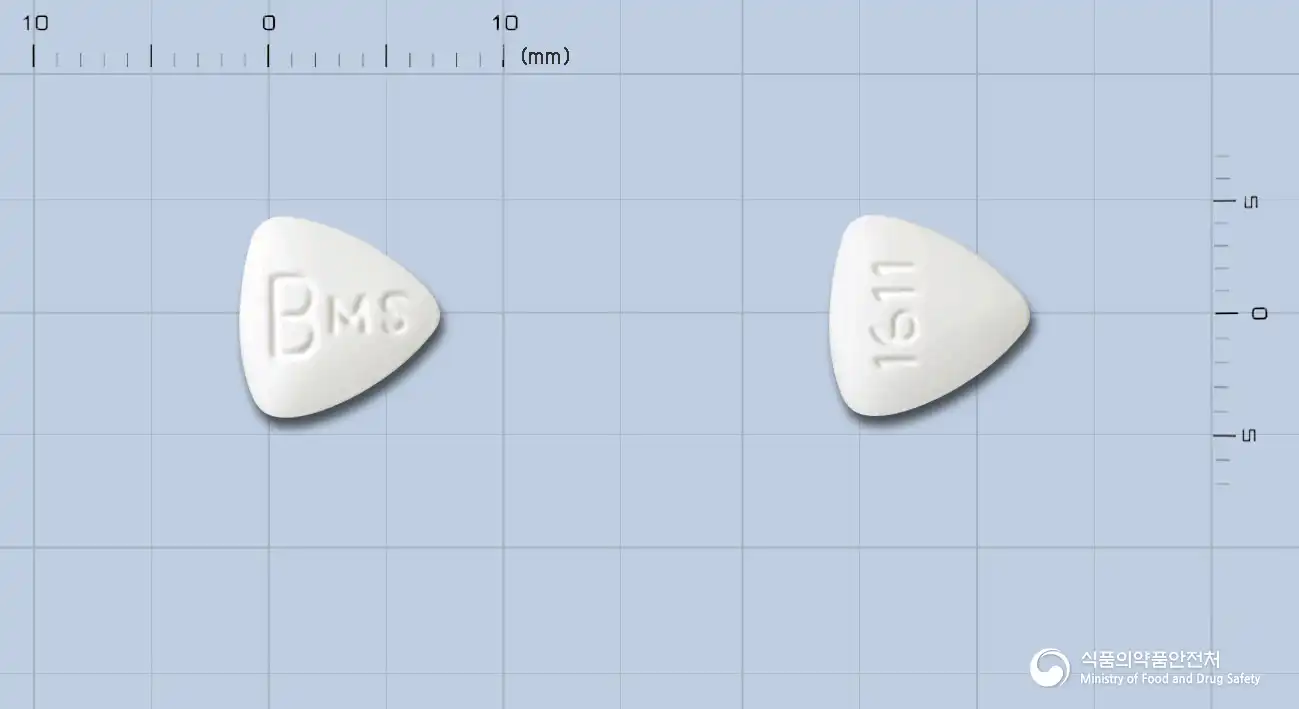
Entecavir 0.53mg
Tablet · Prescription medication
(Co., Ltd.) Korea BMS Pharmaceuticals
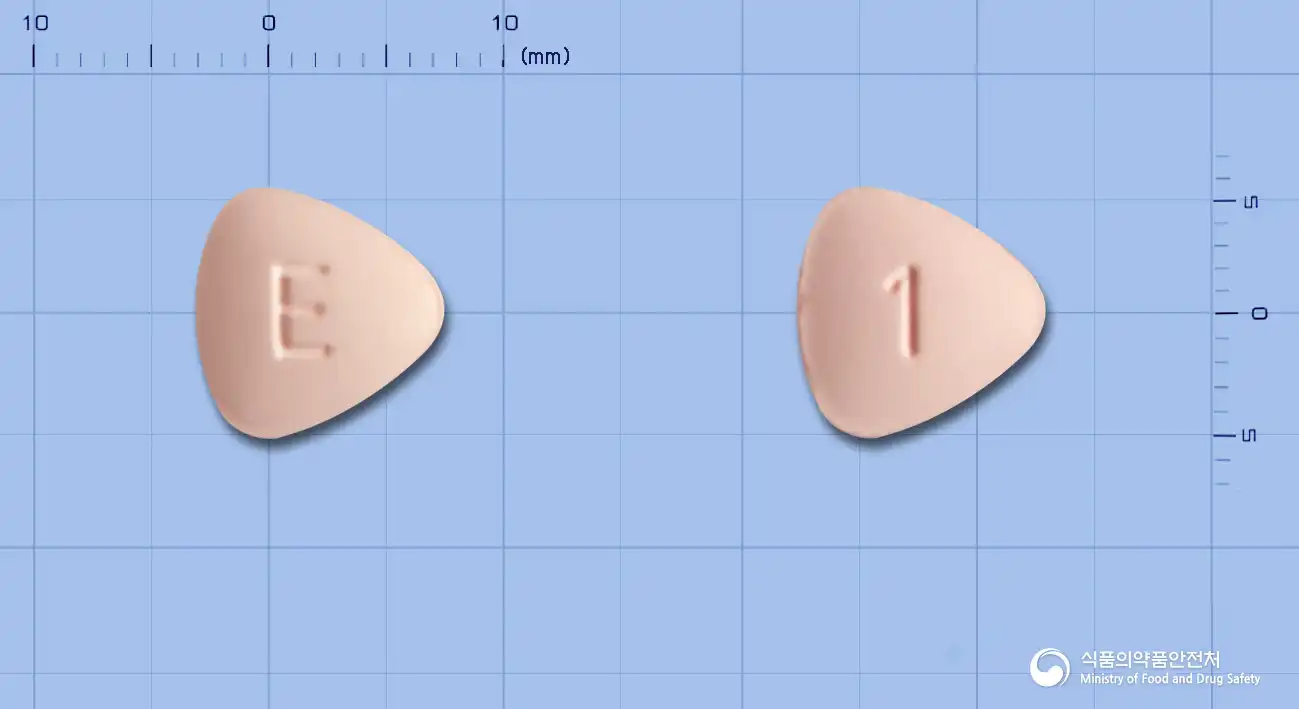
Entecavir 1.06mg
Tablet · Prescription medication
Hanmi Pharmaceutical Co., Ltd.
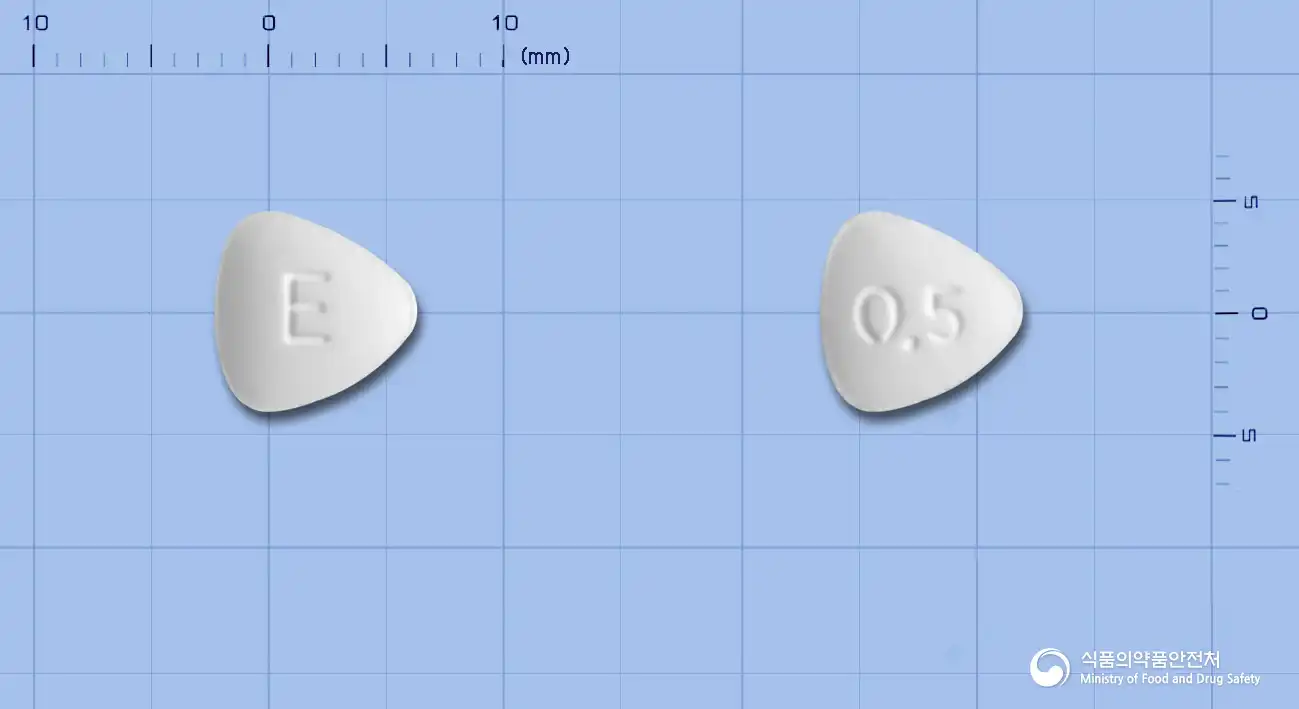
Entecavir 0.53mg
Tablet · Prescription medication
Hanmi Pharmaceutical Co., Ltd.
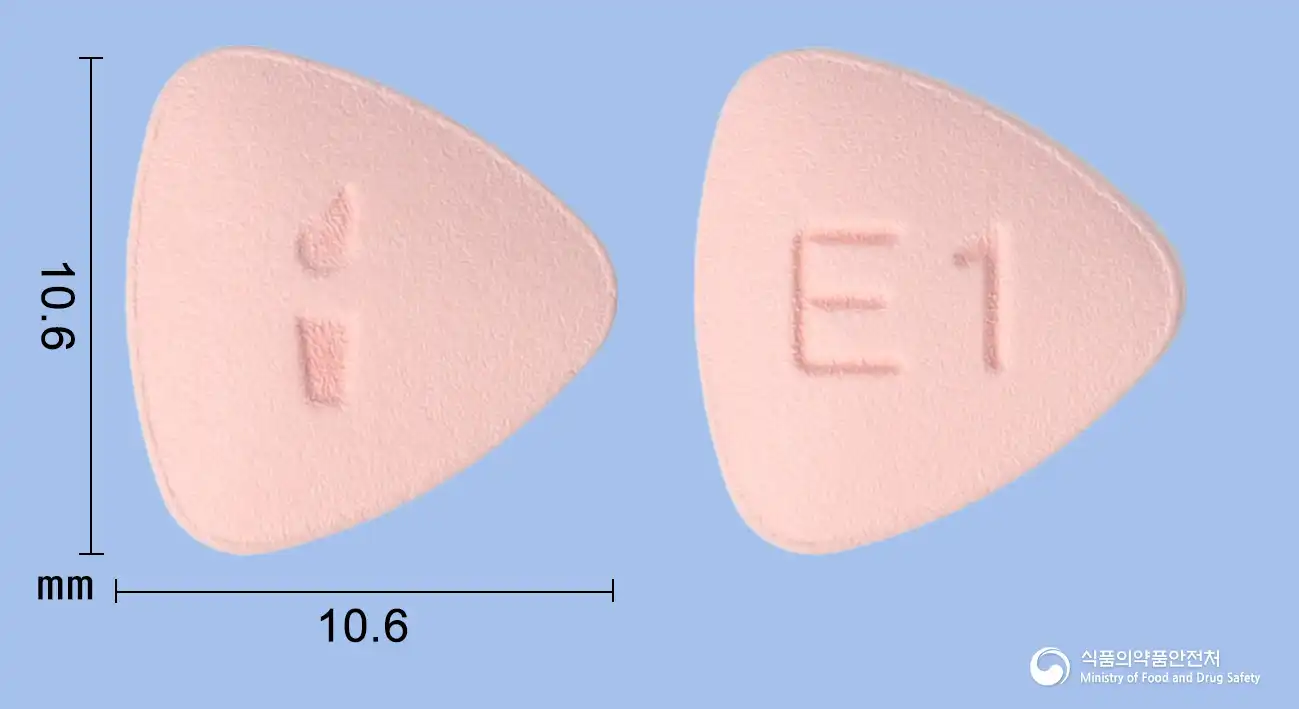
Entecavir 1.06mg
Tablet · Prescription medication
Sam-il Pharmaceutical Co., Ltd.
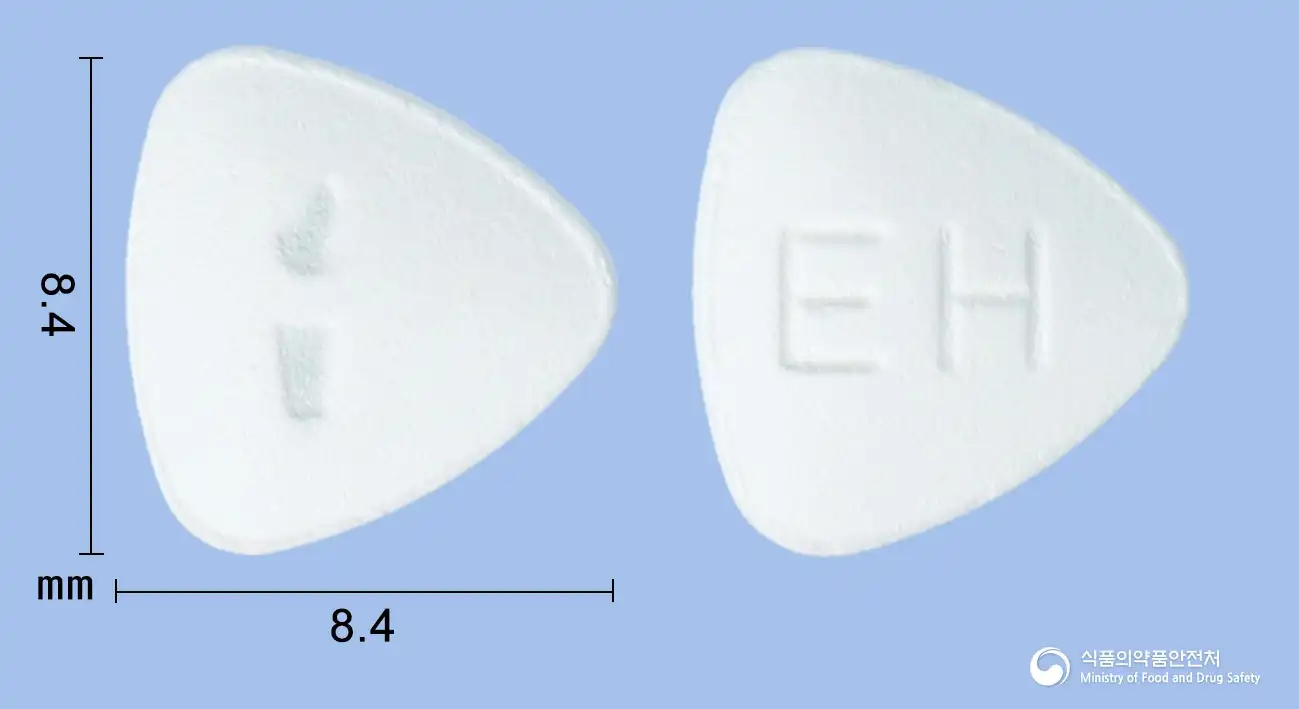
Entecavir 0.53mg
Tablet · Prescription medication
Samil Pharmaceutical Co., Ltd.
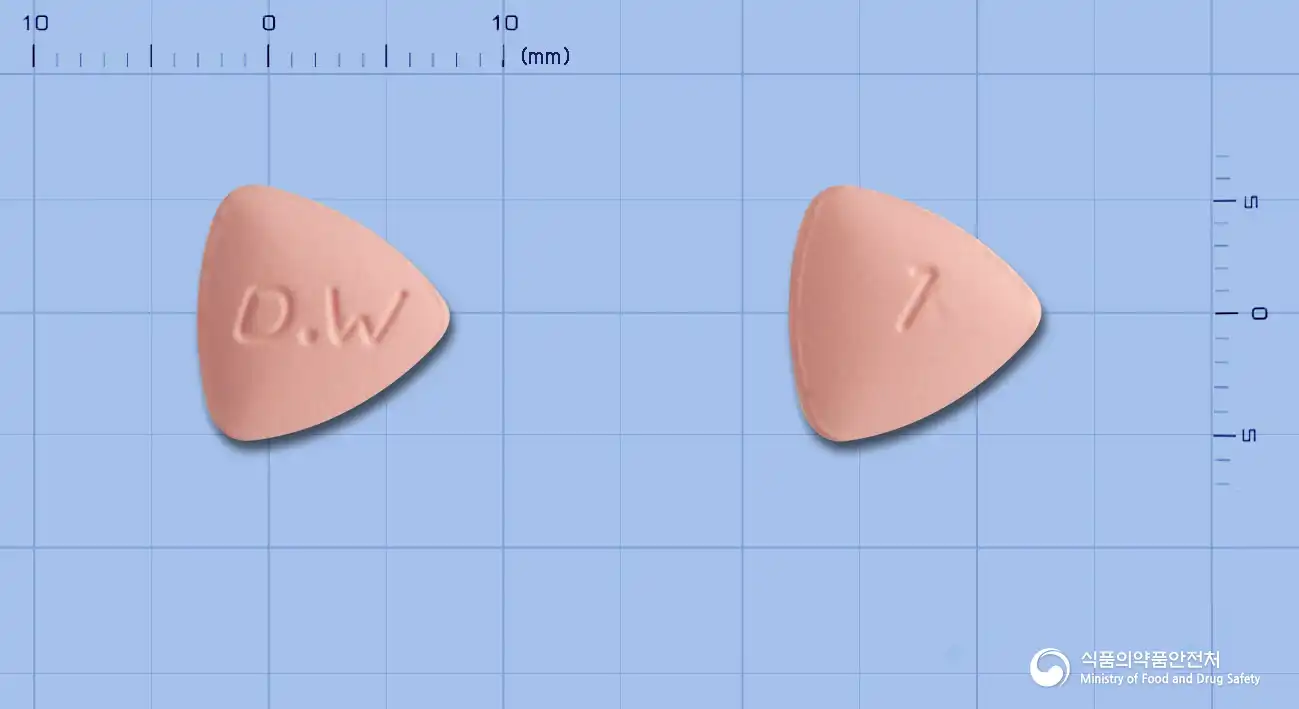
Entecavir 1.06mg
Tablet · Prescription medication
Daewoong Pharmaceutical Co., Ltd.
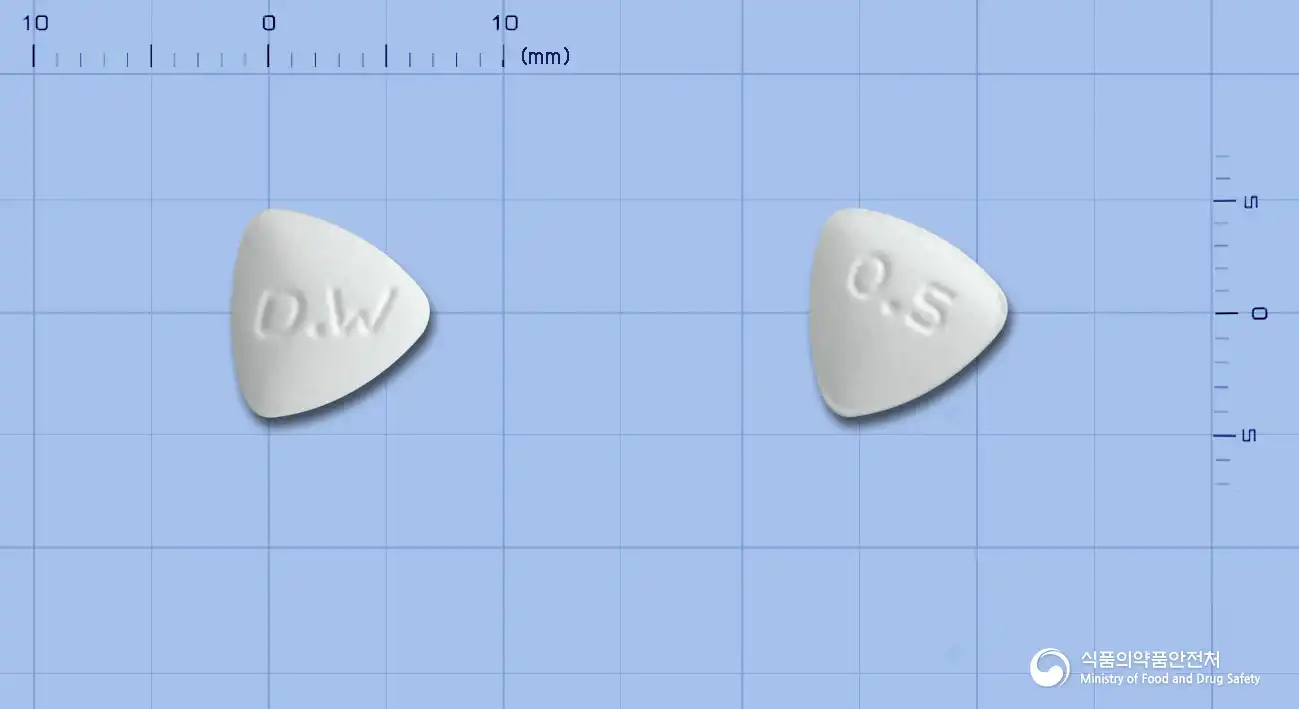
Entecavir 0.53mg
Tablet · Prescription medication
Daewoong Pharmaceutical Co., Ltd.
Even with the same ingredient, the dose and directions can differ by strength and dosage form. Talk to a doctor or pharmacist before switching from a medication you are already taking.
No questions yet.
For anything that needs medical judgment, consult a doctor or pharmacist.
This drug information is based on data provided by the Korea Ministry of Food and Drug Safety.
Consult a doctor or pharmacist for accurate dosage, administration, and usage instructions.