Medication info
Neurontin 600 mg Tablets (Gabapentin)

Neurontin 600 mg Tablets (Gabapentin)

Prescription medicationTabletOral
Ingredient · strength
Gabapentin›600mg / 1 tablet
Manufacturer / importer
Viatris
Appearance
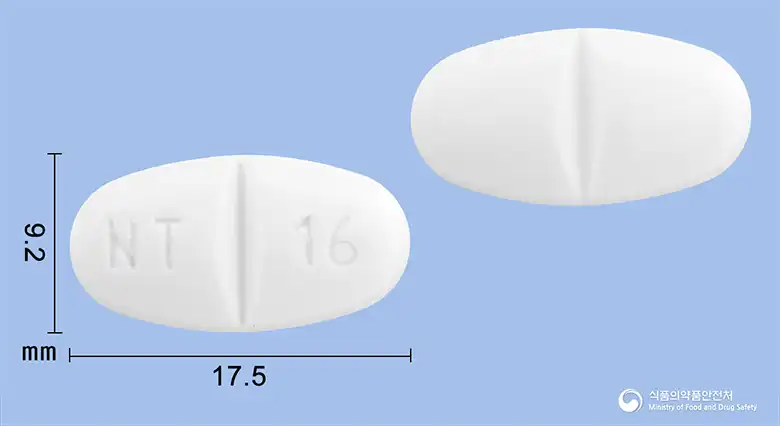
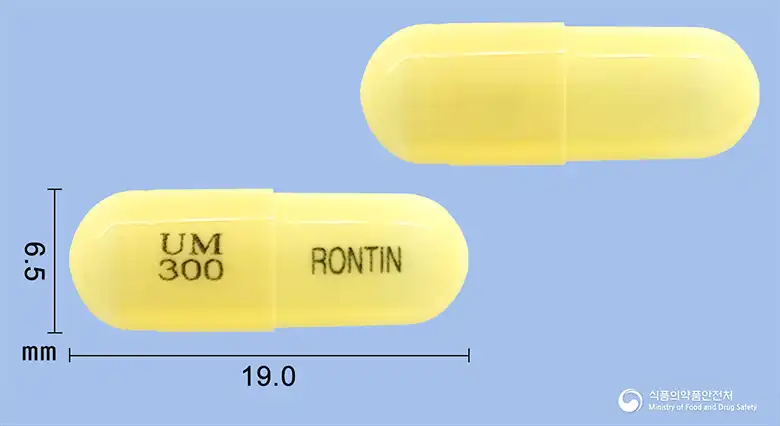
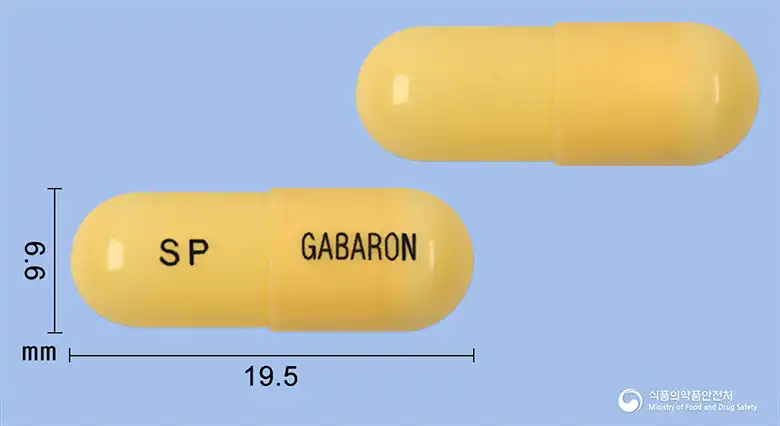
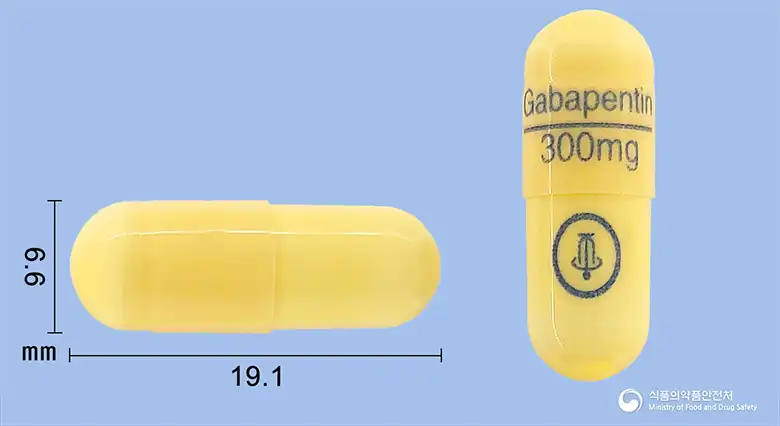
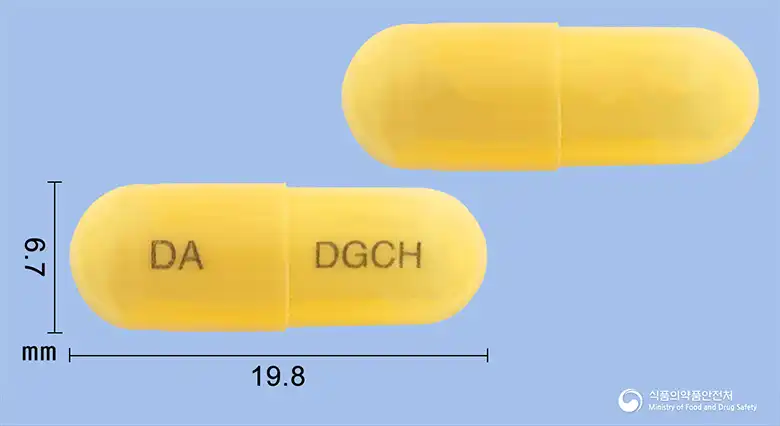
White oval film-coated tablet
Packaging
100 tablets (10 tablets/blister X 10)
Approval status
Active

MFDS item code 200605253 · Notified 2006.03.15 · Insurance code 073400440

Summary

Main use
Treatment of epilepsy (partial seizures); relief of neuropathic pain
Who takes it
Adults · Children
Adult dose
When administering the initial dose of this medicine, 100 mg, 300 mg, and 400 mg capsules may be used. For maintenance dosing, 600 mg and 800 mg tablets and 300 mg and 400 mg capsules may be used; 100 mg capsules may be used for patients requiring hemodialysis. There is no difference between the capsule and tablet formulations in terms of therapeutic effect. The dose should be determined by the physician based on each patient's individual tolerability and efficacy. Epilepsy - Monotherapy and adjunctive therapy in patients 13 years of age and older: This medicine is effective at doses of 900~2,400 mg/day as gabapentin. The titration to the initial maintenance dose and subsequent dose increases, as needed, may be carried out relatively quickly. Initial dose: The titration to a maintenance dose of 900 mg/day as gabapentin should be carried out over the first 3 days of treatment as follows. Day 1: Administer one 300 mg capsule of this medicine once daily, or one 100 mg capsule of this medicine 3 times daily (gabapentin 300 mg/day) Day 2: Administer one 300 mg capsule of this medicine 2 times daily, or two 100 mg capsules of this medicine 3 times daily (gabapentin 600 mg/day) From Day 3: Administer one 300 mg capsule of this medicine 3 times daily, or three 100 mg capsules of this medicine 3 times daily (gabapentin 900 mg/day) Maintenance dose: Initial efficacy of this medicine can be evaluated at doses of 900∼1,200 mg/day as gabapentin. If a higher dose is required, it is recommended to administer a 600 mg tablet 3 times daily for a dose of 1,800 mg/day as gabapentin, or an 800 mg tablet 3 times daily for a dose of 2,400 mg/day as gabapentin. The total daily dose should not exceed 2,400 mg as gabapentin (there are insufficient data on the safety and efficacy of doses exceeding 2,400 mg/day as gabapentin). The duration of treatment with this medicine should depend on clinical need. Long-term treatment is generally required for epilepsy. Although there is no evidence of a rebound phenomenon (an increase in the frequency of epileptic seizures due to sudden discontinuation of treatment), abrupt discontinuation of antiepileptic drugs in patients with epilepsy may cause status epilepticus. If treatment with this medicine is to be discontinued or it is to be used in combination with another antiepileptic drug, changes should be made gradually over at least 1 week. Neuropathic pain - Adults (18 years of age and older): Titration to a maintenance dose of 900 mg/day as gabapentin should be carried out over the first 3 days of treatment as follows. Day 1: Administer one 300 mg capsule of this medicine once daily, or one 100 mg capsule of this medicine 3 times daily (gabapentin 300 mg/day) Day 2: Administer one 300 mg capsule of this medicine 2 times daily, or two 100 mg capsules of this medicine 3 times daily (gabapentin 600 mg/day) From Day 3: Administer one 300 mg capsule of this medicine 3 times daily, or three 100 mg capsules of this medicine 3 times daily (gabapentin 900 mg/day) Alternatively, as a starting dose, one 300 mg capsule of this medicine may be administered 3 times daily (gabapentin 900 mg/day). If necessary, the dose may be increased to 1,800 mg/day as gabapentin within one week; the total daily dose should not exceed 3,600 mg as gabapentin. When taking this medicine, the total daily dose should be divided into 3 doses. For the treatment of neuropathic pain, the safety and efficacy of treatment lasting longer than 5 months have not been evaluated. Debilitated patients: In debilitated patients with low body weight or patients who have undergone transplantation, the dose of this medicine should be increased in increments of 100 mg. Older patients: Dose adjustment may be necessary due to age-related decline in renal function (see table). Patients with renal impairment (creatinine clearance of 80 mL/min or less) or patients receiving hemodialysis: Dose adjustment is required based on the following table. Renal function, creatinine clearance (mL/min) ≥80: Total daily dose a (mg/day) 900 ~ 2,400 Renal function, creatinine clearance (mL/min) 50 - 79: Total daily dose a (mg/day) 600 ~ 1,800 Renal function, creatinine clearance (mL/min) 30 - 49: Total daily dose a (mg/day) 300 ~ 900 Renal function, creatinine clearance (mL/min) 15 - 29: Total daily dose a (mg/day) 150b~600 Renal function, creatinine clearance (mL/min) < 15: Total daily dose a (mg/day) 150b~300 a: The total daily dose should be divided into 3 doses. b: The dose should be 3 × 100 mg every 2 days. In patients with creatinine clearance below 15 mL/min, the dose should be reduced in proportion to creatinine clearance. Dosage for patients on hemodialysis Initial dose: 300~400 mg of gabapentin is recommended. Maintenance dose: Administer 200~300 mg of gabapentin after 4 hours of hemodialysis, and do not administer this medicine on days when hemodialysis is not performed. This medicine should be swallowed whole with sufficient fluid and may be taken with or without food. When administered 3 times daily, care should be taken to ensure that the interval between doses does not exceed 12 hours to prevent recurrence of seizures. If a dose of this medicine is missed (more than 12 hours have elapsed since the last dose), the physician should determine whether an additional dose should be administered to make up for the missed dose. When used concomitantly with antacids containing magnesium or aluminum, this medicine should be taken at least 2 hours after administration of the antacid. This can greatly reduce the decrease in bioavailability of this medicine. The duration of treatment with this medicine should depend on clinical need. Any reduction in dose, discontinuation, or switch to another alternative drug should be carried out gradually over at least 1 week (a longer period may be necessary at the prescriber's discretion). To reduce the main adverse reactions, such as somnolence, dizziness, fatigue, and ataxia, the first dose on the first day of treatment should be taken at bedtime.
Child dose
When administered as adjunctive therapy to children aged 3 years or older and 12 years or younger, the lower-strength 100 mg, 300 mg, and 400 mg capsules may be used instead of the higher-strength tablet formulation of this medicine.

Ingredients

Importer
Viatris

Efficacy & effects

Treatment of epilepsy (partial seizures); relief of neuropathic pain

  • Epilepsy
  • simple partial seizures
  • complex partial seizures
  • neuropathic pain
View approved original text

This medication is used in monotherapy or as adjunct therapy for epilepsy in adolescents and adults aged 13 and older, particularly for simple or complex partial seizures, with or without secondary generalized symptoms. It is also effective in alleviating neuropathic pain. Therefore, this drug is utilized for treating epileptic seizures and neuropathic pain.

How to take

Adult dose

When administering the initial dose of this medicine, 100 mg, 300 mg, and 400 mg capsules may be used. For maintenance dosing, 600 mg and 800 mg tablets and 300 mg and 400 mg capsules may be used; 100 mg capsules may be used for patients requiring hemodialysis. There is no difference between the capsule and tablet formulations in terms of therapeutic effect. The dose should be determined by the physician based on each patient's individual tolerability and efficacy. Epilepsy - Monotherapy and adjunctive therapy in patients 13 years of age and older: This medicine is effective at doses of 900~2,400 mg/day as gabapentin. The titration to the initial maintenance dose and subsequent dose increases, as needed, may be carried out relatively quickly. Initial dose: The titration to a maintenance dose of 900 mg/day as gabapentin should be carried out over the first 3 days of treatment as follows. Day 1: Administer one 300 mg capsule of this medicine once daily, or one 100 mg capsule of this medicine 3 times daily (gabapentin 300 mg/day) Day 2: Administer one 300 mg capsule of this medicine 2 times daily, or two 100 mg capsules of this medicine 3 times daily (gabapentin 600 mg/day) From Day 3: Administer one 300 mg capsule of this medicine 3 times daily, or three 100 mg capsules of this medicine 3 times daily (gabapentin 900 mg/day) Maintenance dose: Initial efficacy of this medicine can be evaluated at doses of 900∼1,200 mg/day as gabapentin. If a higher dose is required, it is recommended to administer a 600 mg tablet 3 times daily for a dose of 1,800 mg/day as gabapentin, or an 800 mg tablet 3 times daily for a dose of 2,400 mg/day as gabapentin. The total daily dose should not exceed 2,400 mg as gabapentin (there are insufficient data on the safety and efficacy of doses exceeding 2,400 mg/day as gabapentin). The duration of treatment with this medicine should depend on clinical need. Long-term treatment is generally required for epilepsy. Although there is no evidence of a rebound phenomenon (an increase in the frequency of epileptic seizures due to sudden discontinuation of treatment), abrupt discontinuation of antiepileptic drugs in patients with epilepsy may cause status epilepticus. If treatment with this medicine is to be discontinued or it is to be used in combination with another antiepileptic drug, changes should be made gradually over at least 1 week. Neuropathic pain - Adults (18 years of age and older): Titration to a maintenance dose of 900 mg/day as gabapentin should be carried out over the first 3 days of treatment as follows. Day 1: Administer one 300 mg capsule of this medicine once daily, or one 100 mg capsule of this medicine 3 times daily (gabapentin 300 mg/day) Day 2: Administer one 300 mg capsule of this medicine 2 times daily, or two 100 mg capsules of this medicine 3 times daily (gabapentin 600 mg/day) From Day 3: Administer one 300 mg capsule of this medicine 3 times daily, or three 100 mg capsules of this medicine 3 times daily (gabapentin 900 mg/day) Alternatively, as a starting dose, one 300 mg capsule of this medicine may be administered 3 times daily (gabapentin 900 mg/day). If necessary, the dose may be increased to 1,800 mg/day as gabapentin within one week; the total daily dose should not exceed 3,600 mg as gabapentin. When taking this medicine, the total daily dose should be divided into 3 doses. For the treatment of neuropathic pain, the safety and efficacy of treatment lasting longer than 5 months have not been evaluated. Debilitated patients: In debilitated patients with low body weight or patients who have undergone transplantation, the dose of this medicine should be increased in increments of 100 mg. Older patients: Dose adjustment may be necessary due to age-related decline in renal function (see table). Patients with renal impairment (creatinine clearance of 80 mL/min or less) or patients receiving hemodialysis: Dose adjustment is required based on the following table. Renal function, creatinine clearance (mL/min) ≥80: Total daily dose a (mg/day) 900 ~ 2,400 Renal function, creatinine clearance (mL/min) 50 - 79: Total daily dose a (mg/day) 600 ~ 1,800 Renal function, creatinine clearance (mL/min) 30 - 49: Total daily dose a (mg/day) 300 ~ 900 Renal function, creatinine clearance (mL/min) 15 - 29: Total daily dose a (mg/day) 150b~600 Renal function, creatinine clearance (mL/min) < 15: Total daily dose a (mg/day) 150b~300 a: The total daily dose should be divided into 3 doses. b: The dose should be 3 × 100 mg every 2 days. In patients with creatinine clearance below 15 mL/min, the dose should be reduced in proportion to creatinine clearance. Dosage for patients on hemodialysis Initial dose: 300~400 mg of gabapentin is recommended. Maintenance dose: Administer 200~300 mg of gabapentin after 4 hours of hemodialysis, and do not administer this medicine on days when hemodialysis is not performed. This medicine should be swallowed whole with sufficient fluid and may be taken with or without food. When administered 3 times daily, care should be taken to ensure that the interval between doses does not exceed 12 hours to prevent recurrence of seizures. If a dose of this medicine is missed (more than 12 hours have elapsed since the last dose), the physician should determine whether an additional dose should be administered to make up for the missed dose. When used concomitantly with antacids containing magnesium or aluminum, this medicine should be taken at least 2 hours after administration of the antacid. This can greatly reduce the decrease in bioavailability of this medicine. The duration of treatment with this medicine should depend on clinical need. Any reduction in dose, discontinuation, or switch to another alternative drug should be carried out gradually over at least 1 week (a longer period may be necessary at the prescriber's discretion). To reduce the main adverse reactions, such as somnolence, dizziness, fatigue, and ataxia, the first dose on the first day of treatment should be taken at bedtime.

Child dose

When administered as adjunctive therapy to children aged 3 years or older and 12 years or younger, the lower-strength 100 mg, 300 mg, and 400 mg capsules may be used instead of the higher-strength tablet formulation of this medicine.

Precautions

This medication may increase the risk of suicidal thoughts or behaviors, and mental health issues such as depression during treatment; patients and caregivers should immediately inform healthcare providers if such symptoms occur. Abrupt discontinuation of this drug may lead to more frequent seizures or result in status epilepticus, so it is essential to gradually taper off under the direction of a physician when stopping treatment. This medication may cause serious side effects such as pancreatitis, so patients should immediately notify healthcare providers if persistent upper abdominal pain, nausea, or recurrent vomiting occurs. When used with central nervous system depressants or narcotics, severe drowsiness, respiratory depression, and coma may occur; extreme caution and supervision by healthcare providers are necessary when using this medication in combination with these drugs. Patients with allergies to this medication or those with acute pancreatitis and certain types of seizures should not use this medication. Patients with impaired renal function, the elderly, those with a history of mental illness, and pregnant or breastfeeding women should use this medication cautiously, with dosage adjustments as needed. This medication can cause side effects such as dizziness, drowsiness, fatigue, nausea, and vomiting; therefore, it is advisable to avoid driving or operating dangerous machinery during initial treatment. There may be symptoms such as weight gain, vision changes, and skin rashes, necessitating regular check-ups and careful observation. During pregnancy, especially in the first trimester, it may affect the fetus; those who are pregnant or planning to conceive should consult their healthcare provider. This medication may cause withdrawal symptoms, so it should be gradually tapered as directed by a physician upon discontinuation, and symptoms like anxiety, insomnia, and tremors may occur. The safety of this medication has not been established in children, particularly in those under 3 years of age, so caution is advised in such cases. When storing this medication, keep it out of the reach of children, and store it in its original container, avoiding transfer to other containers.

Side effects

  • Suicidal thoughts
  • suicidal behavior
  • depression
  • seizures
  • status epilepticus
  • hemorrhagic pancreatitis
  • deep sedation
  • respiratory suppression
  • coma
  • death
Show 311 more
  • abdominal pain
  • back pain
  • fatigue
  • fever
  • headache
  • viral infection
  • vasodilation
  • constipation
  • dental abnormality
  • diarrhea
  • dyspepsia
  • increased appetite
  • thirst
  • nausea
  • vomiting
  • leukopenia
  • peripheral edema
  • weight gain
  • fractures
  • myalgia
  • amnesia
  • ataxia
  • confusion
  • impaired coordination
  • dizziness
  • dysphonia
  • emotional instability
  • insomnia
  • nervous hyperreactivity
  • nystagmus
  • drowsiness
  • cognitive impairment
  • tremors
  • single contraction
  • cough
  • pharyngitis
  • rhinitis
  • erosion
  • acne
  • pruritus
  • rash
  • amblyopia
  • diplopia
  • erectile dysfunction
  • weakness
  • lethargy
  • facial edema
  • hypertension
  • abdominal distension
  • anorexia
  • gingivitis
  • purpura
  • arthralgia
  • hyperactivity
  • reflex motor abnormalities
  • sensory abnormalities
  • anxiety
  • hostility
  • pneumonia
  • urinary tract infection
  • visual impairment
  • myasthenia
  • injuries due to accidents
  • cold syndrome
  • infection
  • pain
  • dry mouth
  • abnormal gait
  • confusion
  • sensory loss
  • tremors
  • vertigo
  • dyspnea
  • hair loss
  • anaphylaxis
  • angioedema
  • hyperglycemia
  • hypoglycemia
  • gynecomastia
  • chest pain
  • toxic epidermal necrolysis
  • eosinophilia
  • drug rash
  • elevated liver function tests
  • erythema multiforme
  • falls
  • generalized edema
  • gynecomastia
  • hallucinations
  • hepatitis
  • systemic reaction
  • hypersensitivity
  • hyponatremia
  • jaundice
  • loss of consciousness
  • chorea
  • movement disorder
  • dystonia
  • myoclonus
  • palpitations
  • pancreatitis
  • sexual dysfunction
  • Stevens-Johnson syndrome
  • thrombocytopenia
  • tinnitus
  • urinary incontinence
  • withdrawal symptoms
  • anxiety
  • insomnia
  • nausea
  • pain
  • sweating
  • tremors
  • headache
  • abnormal sensations
  • lethargy
  • myasthenia
  • facial edema
  • allergy
  • systemic edema
  • weight loss
  • chills
  • unfamiliar sensations
  • lethargy
  • alcohol intolerance
  • hangover effect
  • hypotension
  • angina
  • peripheral vascular disorder
  • palpitations
  • tachycardia
  • migraine
  • noise
  • atrial fibrillation
  • heart failure
  • thrombophlebitis
  • myocardial infarction
  • cerebrovascular accident
  • pulmonary thromboembolism
  • premature ventricular contractions
  • bradycardia
  • premature atrial contractions
  • pericardial friction
  • heart block
  • pulmonary embolism
  • hyperlipidemia
  • hypercholesterolemia
  • pericardial effusion
  • pericarditis
  • glossitis
  • gum bleeding
  • thirst
  • stomatitis
  • increased salivation
  • gastroenteritis
  • hemorrhoids
  • hematochezia
  • fecal incontinence
  • hepatomegaly
  • dysphagia
  • belching
  • gastric ulcer
  • colitis
  • oral vesicles
  • dental discoloration
  • angular cheilitis
  • salivary gland hypertrophy
  • lip bleeding
  • esophagitis
  • hiatal hernia
  • hematemesis
  • proctitis
  • irritable bowel syndrome
  • rectal bleeding
  • esophageal spasms
  • hyperthyroidism
  • hypothyroidism
  • thyroid enlargement
  • low estrogen
  • ovarian failure
  • epididymitis
  • testicular swelling
  • Cushingoid appearance
  • anemia
  • lymphadenopathy
  • thrombocytopenia
  • leukocytosis
  • lymphocytosis
  • non-Hodgkin lymphoma
  • prolonged bleeding time
  • tendinopathy
  • arthritis
  • joint stiffness
  • joint swelling
  • benign Romberg test
  • costochondritis
  • osteoporosis
  • bursitis
  • contracture
  • CNS tumors
  • syncope
  • dream disturbances
  • aphasia
  • sensory loss
  • intracranial hemorrhage
  • hypotonia
  • paresthesia
  • incomplete paralysis
  • dystonia
  • hemiplegia
  • facial paralysis
  • confusion
  • cerebellar dysfunction
  • benign Babinski sign
  • reduced proprioception
  • subarachnoid hemorrhage
  • apathy
  • hallucinations
  • decreased or lost libido
  • anxiety
  • paranoia
  • depersonalization
  • ecstatic state
  • hypersensitivity
  • hallucinatory state
  • suicidal ideation
  • psychosis
  • anxiety
  • tension
  • increased libido
  • movement disorders
  • myoclonic jerks
  • vestibular disorders
  • epistaxis
  • dyspnea
  • apnea
  • mucositis
  • aspiration pneumonia
  • hyperventilation
  • hiccups
  • laryngitis
  • nasal obstruction
  • nasal itching
  • bronchospasm
  • hypopnea
  • pulmonary edema
  • hair loss
  • eczema
  • dry skin
  • increased sweating
  • urticaria
  • hirsutism
  • seborrhea
  • cystic lesions
  • herpes simplex
  • herpes zoster
  • skin discoloration
  • papules
  • photosensitivity
  • leg ulcers
  • scalp seborrhea
  • psoriasis
  • epidermal peeling
  • maceration
  • skin nodules
  • subcutaneous nodules
  • melasma
  • skin necrosis
  • localized edema
  • hematuria
  • urination disorders
  • urgency
  • cystitis
  • urinary retention
  • urinary incontinence
  • vaginal bleeding
  • amenorrhea
  • menstrual irregularities
  • hypermenorrhea
  • breast cancer
  • amenorrhea
  • abnormal ejaculation
  • kidney pain
  • leukorrhea
  • genital itching
  • kidney stones
  • acute renal failure
  • anuria
  • diabetes
  • nephritis
  • nocturnal enuresis
  • pyuria
  • urgency
  • dyspareunia
  • mastalgia
  • orchalgia
  • cataracts
  • conjunctivitis
  • dry eye syndrome
  • ocular pain
  • photophobia
  • bilateral or unilateral ptosis
  • retinal hemorrhage
  • chalazion
  • hearing loss
  • ear pain
  • tinnitus
  • labyrinthitis
  • otitis externa
  • olfactory disturbances
  • tongue paralysis

Not everyone experiences these, and they can vary from person to person.

Storage

This medication is sensitive to air and moisture, so it must be stored in a sealed container. The appropriate storage temperature is room temperature below 25 degrees Celsius, and it should be kept away from excessively hot or cold places.

Appearance and packaging

Appearance

White oval film-coated tablet

Package unit

100 tablets (10 tablets/blister X 10)

Same-ingredient medicines

Even with the same ingredient, strength, dosage form and how it is taken can differ.

Even with the same ingredient, the dose and directions can differ by strength and dosage form. Talk to a doctor or pharmacist before switching from a medication you are already taking.

Questions about this medicine

No questions yet.

For anything that needs medical judgment, consult a doctor or pharmacist.

Related searches

Search tags

Suggested searches

This drug information is based on data provided by the Korea Ministry of Food and Drug Safety.
Consult a doctor or pharmacist for accurate dosage, administration, and usage instructions.