
 한국어
 English
 日本語
 中文(简体)
 Viewing now
Risperidone 1 mg Tablets
Risperidone 1mg
Tablet · Prescription medication
Ildong Pharmaceutical Co., Ltd.
MFDS item code 200600079 · Notified 2006.01.17 · Insurance code 642900390
Treatment of psychiatric disorders (schizophrenia, mania), behavioral and psychological symptoms of dementia, and disruptive behavior disorders
This medication is used for the short-term treatment of agitation, aggression, or psychotic symptoms in patients with schizophrenia and moderate to severe Alzheimer-type dementia. It is also utilized as an adjunct therapy to mood stabilizers for the treatment of manic episodes associated with bipolar disorder. Additionally, it is effective in the treatment of disruptive behavior disorders such as aggression, impulsivity, and self-harming behavior in children, adolescents, and adults with intellectual disabilities or below-average intellectual capabilities. This medication helps improve a variety of psychiatric and behavioral symptoms.
The therapeutic dose of this medicine should be adjusted according to the patient's clinical condition, and the lowest effective dose possible should be administered. Place this medicine on the tongue. Once it disintegrates within a few seconds, swallow it without water or with water (orally disintegrating tablets only). 1. Schizophrenia 1) Adults (1) Initial dose: Administer 1 mg of risperidone orally twice daily and increase the dose gradually. (2) Maintenance dose: Administer 1∼3 mg twice daily. Adjust the dose appropriately according to age and symptoms. (3) No additional benefit was observed with doses of 10 mg or more per day compared with lower doses, and such doses may increase the risk of extrapyramidal symptoms. Doses of 10 mg or more per day should be administered only when the benefits to the individual patient are considered to outweigh the risks. (4) Do not administer doses of 16 mg or more per day, as safety has not been established. (5) A benzodiazepine may be administered concomitantly if additional sedation is needed. 2) Administration in special populations · Elderly patients and patients predisposed to hypotension The initial dose is 0.5 mg twice daily. Depending on the patient's condition, increase the dose by 0.5 mg twice daily until a dose of 1~2 mg twice daily is reached. In general, increases to doses of 1.5 mg or more twice daily should be made at intervals of at least 1 week. · Clinical experience in children and adolescents under 15 years of age is limited. 3) Switching from other antipsychotic medicines to this medicine When medically appropriate, initiate treatment with this medicine while gradually reducing the dose of the existing medicine. Also, when medically appropriate, when switching from an existing depot antipsychotic, initiate treatment with this medicine in place of the next scheduled injection of the depot formulation. Regularly reassess whether concomitant antiparkinsonian medication needs to be continued. 2. Agitation, aggression, or psychotic symptoms in patients with dementia of the Alzheimer's type The initial dose is 0.25 mg of this medicine twice daily. If needed, depending on the patient, the dose may be increased by 0.25 mg twice daily at intervals of at least 2 days. The optimal dose for most patients is 0.5 mg twice daily, but the dose may be increased to 1 mg twice daily depending on the patient. Once the patient has reached the optimal dose, once-daily dosing may also be considered. As with symptomatic treatment, the appropriateness of continued use of this medicine should be evaluated. 3. Adjunctive treatment for manic episodes in bipolar disorder · The recommended initial dose is 2 mg of this medicine once daily. Depending on the patient, the dose may be increased by 1 mg per day at intervals of at least 24 hours. For most patients, the optimal dose is in the range of 2∼6 mg per day. As with symptomatic treatment, the appropriateness of continued use of this medicine should be evaluated. · Clinical experience in children and adolescents under 15 years of age is limited. Renal and hepatic impairment In patients with renal or hepatic impairment, administer half the initial and maintenance doses and adjust the dose more gradually. Use this medicine with caution in these patients (see 5. General Precautions).
4. Conduct disorder and other disruptive behavior disorders - Body weight 50 kg or more: The initial dose is 0.5 mg of this drug once daily. If necessary, the dose may be increased by 0.5 mg per day at intervals of at least 2 days, depending on the patient. For most patients, the optimal dose is 1 mg once daily. Depending on the patient, 0.5∼1.5 mg may be administered once daily. - Body weight less than 50 kg: The initial dose is 0.25 mg once daily. If necessary, the dose may be increased by 0.25 mg per day at intervals of at least 2 days, depending on the patient. For most patients, the optimal dose is 0.5 mg once daily. Depending on the patient, 0.25∼0.75 mg may be administered once daily. As with symptomatic treatment, the rationale for continued use of this drug should be evaluated. · Clinical experience in children under 5 years of age is limited.
Care should be taken when administering this medication to elderly patients with dementia, as mortality may increase. When used in conjunction with certain diuretics such as furosemide, the risk of death may be heightened; thus, risks and benefits should be carefully considered before co-administration. This medication contains the artificial sweetener aspartame, so it should not be administered to patients with phenylketonuria, a hereditary condition that requires limiting intake of phenylalanine, a breakdown product of aspartame. This medication should not be used in patients with hypersensitivity, those whose central nervous system is depressed by alcohol or central nervous system depressants, those in a comatose state, patients receiving epinephrine, or those with lactose intolerance. Patients with cardiovascular disease or dehydration, history of arrhythmia, impaired liver or kidney function, those at risk of suicide, patients with Parkinson's disease or Lewy body dementia, patients with diabetes risk factors, elderly patients, pregnant women, and nursing mothers should be administered this medication with caution. This medication can cause various side effects such as drowsiness, dizziness, hypotension, insomnia, anxiety, and Parkinsonian symptoms; if any abnormal symptoms arise, medical personnel should be consulted immediately. This medication has central nervous system depressant effects and should be used with caution when taken with alcohol or other central nervous system depressants, as symptoms may worsen. If a pregnant woman takes this medication, the newborn may exhibit extrapyramidal disorders or withdrawal symptoms, and if nursing, breastfeeding should be discontinued as the drug can be transmitted through breast milk. In cases of overdose, symptoms such as drowsiness, sedation, hypotension, and arrhythmia may occur and require immediate medical attention. Keep this medication out of reach of children, and take immediately after opening the packaging, and do not mix with tea or cola.
Increased mortality, cerebrovascular adverse reactions, venous thrombosis, nasopharyngitis, upper respiratory infection, sinusitis, urinary tract infection, anemia, hypersensitivity, insomnia, anxiety, nervousness, Parkinson's disease, akathisia, drowsiness, dizziness, sedation, tremor, muscle hypertonicity, somnolence, orthostatic dizziness, movement disorder, syncope, blurred vision, ear pain, orthostatic hypotension, tachycardia, hypotension, nasal congestion, dyspnea, epistaxis, sinus congestion, nausea, constipation, dyspepsia, vomiting, diarrhea, sialorrhea, dry mouth, abdominal discomfort, abdominal pain, gastric discomfort, epigastric pain, rash, dry skin, dandruff, seborrheic dermatitis, keratosis, back pain, arthralgia, limb pain, urinary incontinence, ejaculation failure, fatigue, asthenia, fever, chest pain, increased serum creatinine phosphokinase, increased heart rate, pneumonia, soft tissue infection, decreased appetite, altered mental state, transient ischemic attack, decreased level of consciousness, drooling, cerebrovascular accident, conjunctivitis, hypotension, cough, rhinorrhea, dysphagia, fecal impaction, erythema, abnormal posture, joint swelling, peripheral edema, gait disturbance, pitting edema, increased body temperature, upper respiratory infection, rhinitis, influenza, increased appetite, transient insomnia, lethargy, headache, stuttering, attention deficit, balance disorder, excessive sleep, palpitations, oropharyngeal pain, pulmonary congestion, itching, acne, myalgia, neck pain, nocturia, polyuria, galactorrhea, emotional disturbances, lethargy, weight gain, increased serum prolactin, lower respiratory infection, gastroenteritis, subcutaneous abscess, neutropenia, hyperglycemia, hyperuricemia, hyperinsulinemia, depression, initial insomnia, delusions, hallucinations, hypomanic symptoms, paranoid delusions, suicidal ideation, increased libido, decreased libido, sexual dysfunction, paresthesia, seizures, tremors, psychomotor agitation, akinesia, convulsions, numbness, head discomfort, neuroleptic malignant syndrome, eyelid twitching, eye movement disorders, dizziness, bradycardia, ventricular extrasystole, arrhythmia, hypertension, thromboembolism, deep vein thrombosis, wheezing, aspiration pneumonia, voice disorders, moist cough, airway congestion, rales, respiratory distress, nasal edema, hyperventilation, fecal incontinence, gastritis, lip swelling, cheilitis, saliva deficiency, abdominal distension, gastroenteritis, tongue swelling, toothache, skin discoloration, skin lesions, skin disorders, erythematous rash, papular rash, generalized rash, papulopustular rash, eczema, musculoskeletal thoracic pain, joint stiffness, muscle weakness, rhabdomyolysis, urination disorders, amenorrhea, gynecomastia, vaginal discharge, erectile dysfunction, ejaculation disorders, menstrual disorders, breast engorgement, sexual dysfunction, retrograde ejaculation, breast discharge, thirst, influenza-like syndrome, edema, malaise, facial swelling, discomfort, generalized edema, chills, peripheral coldness, drug withdrawal syndrome, adverse drug reactions, decreased body temperature, procedural pain, weight loss, increased ALT, increased AST, increased blood glucose, decreased hemoglobin, decreased hematocrit, hypothermia, hypotension, increased transaminases, increased gamma-glutamyl transferase, increased liver enzymes, falls, agranulocytosis, thrombocytopenia, anaphylactic reaction, abnormal secretion of antidiuretic hormone, diabetic ketoacidosis, diabetes mellitus, hypoglycemia, water intoxication, increased serum cholesterol, increased serum triglycerides, mania, dysgeusia, intraoperative miosis syndrome, atrial fibrillation, deep vein thrombosis, pulmonary embolism, sleep apnea syndrome, intestinal obstruction, pancreatitis, jaundice, vascular edema, hair loss, neonatal drug withdrawal syndrome, urinary retention, priapism, hypothermia, chest pain, liver dysfunction, hepatitis, thirst, dry mouth, urinary retention, polyuria, hiccups, leukopenia, arrhythmia, hangover, ocular movement seizures, acne, dysphagia, nocturia, tic disorder, respiratory distress, Rabbit syndrome, abnormal accident, delusions, hallucinations, exacerbation of auditory hallucinations
Not everyone experiences these, and they can vary from person to person.
This medication should be stored in a tightly closed container to protect it from air and moisture, at a temperature of 1 to 30 degrees Celsius. Storing it this way will maintain its effectiveness and prevent degradation.
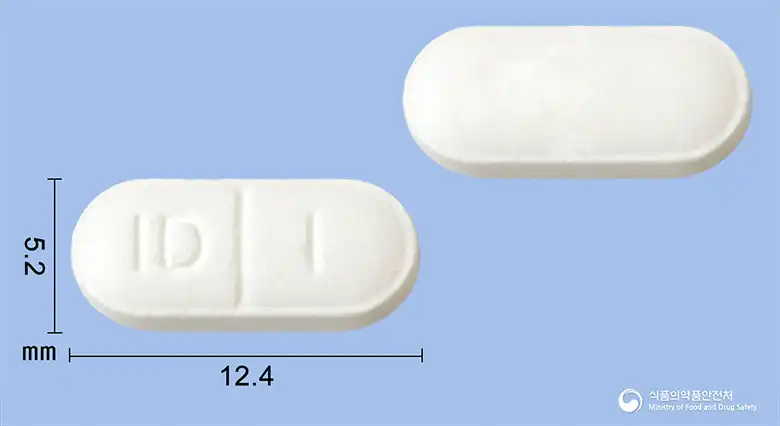
Oblong white film-coated tablet
30 tablets/bottle
Even with the same ingredient, strength, dosage form and how it is taken can differ.
Viewing nowRisperidone 1mg
Tablet · Prescription medication
Ildong Pharmaceutical Co., Ltd.
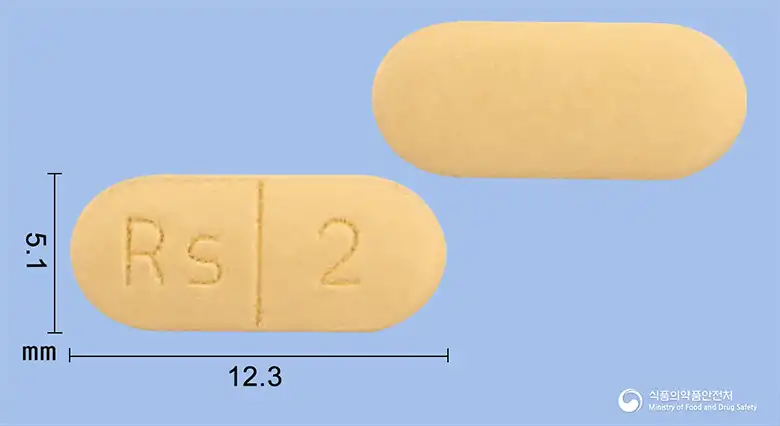
Risperidone 2mg
Tablet · Prescription medication
Myungin Pharmaceutical Co., Ltd.
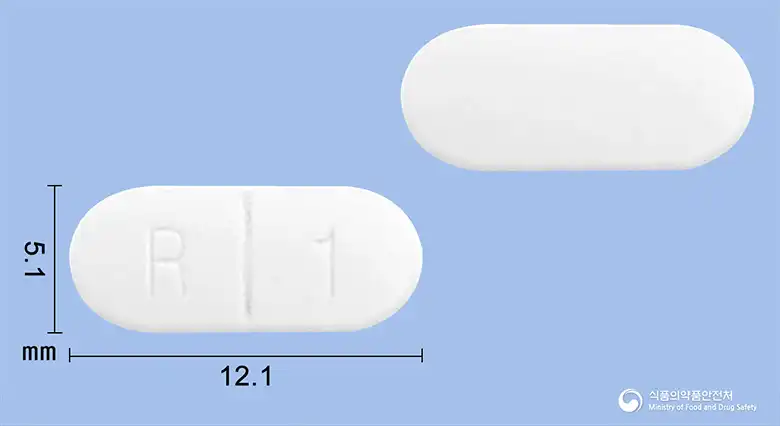
Risperidone 1mg
Tablet · Prescription medication
Han-in Pharmaceutical Co., Ltd.
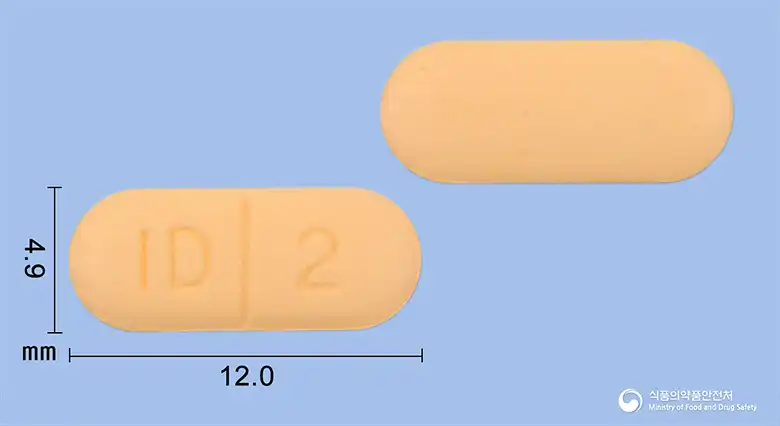
Risperidone 2mg
Tablet · Prescription medication
Ildong Pharmaceutical Co., Ltd.
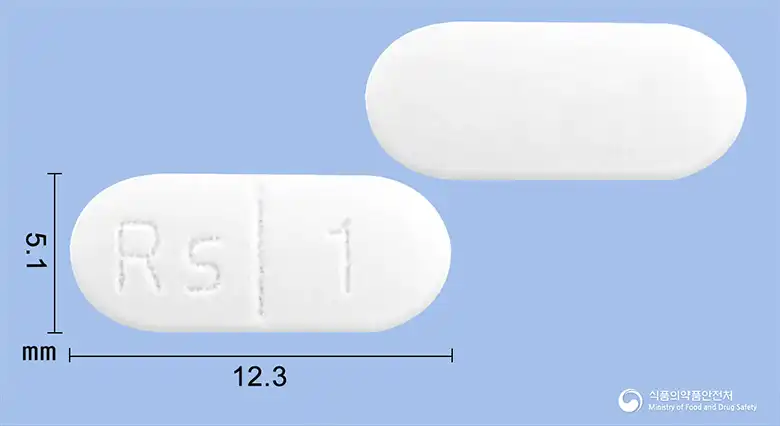
Risperidone 1mg
Tablet · Prescription medication
Myungin Pharmaceutical Co., Ltd.
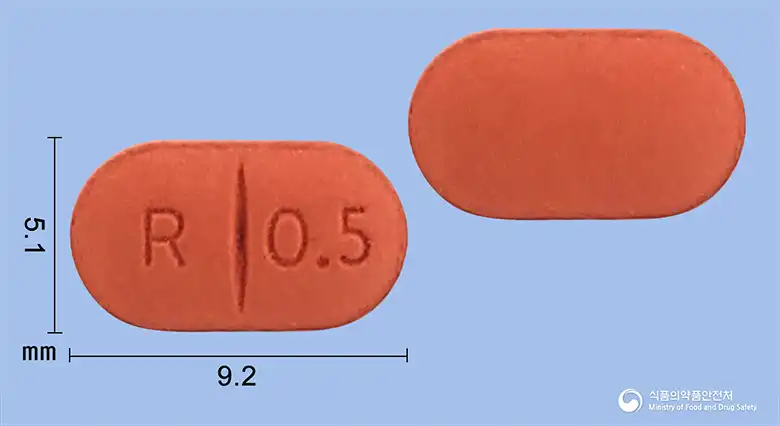
Risperidone 0.5mg
Tablet · Prescription medication
Hwanin Pharmaceutical Co., Ltd.
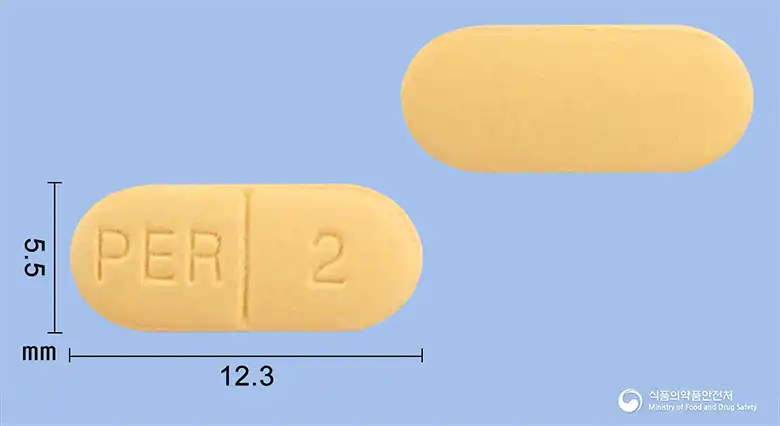
Risperidone 2mg
Tablet · Prescription medication
Unimed Pharmaceuticals Co., Ltd.
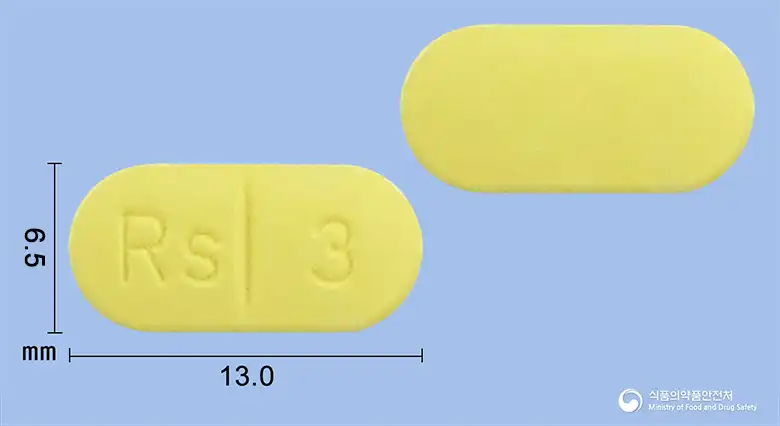
Risperidone 3mg
Tablet · Prescription medication
Myungjin Pharmaceutical Co., Ltd.
Even with the same ingredient, the dose and directions can differ by strength and dosage form. Talk to a doctor or pharmacist before switching from a medication you are already taking.
No questions yet.
For anything that needs medical judgment, consult a doctor or pharmacist.
This drug information is based on data provided by the Korea Ministry of Food and Drug Safety.
Consult a doctor or pharmacist for accurate dosage, administration, and usage instructions.