
 한국어
 English
 日本語
 中文(简体)
Dosage form image
Viewing nowUniCanzole Injection (Fluconazole)
Fluconazole
Prescription medication
Unimed Pharmaceutical Co., Ltd.
MFDS item code 200403801 · Notified 2004.05.31
This product's status changed to Expired on 2023.04.01. It may no longer be sold, so consult a doctor or pharmacist before taking it.
Treatment of candidiasis; treatment and prevention of recurrence of cryptococcosis; prevention of fungal infections
This medication treats candidiasis occurring in the mouth, pharynx, esophagus, and bronchi in both immunocompetent and immunocompromised patients. It is effective against various forms of mucosal candidiasis, including chronic atrophic oral candidiasis, as well as systemic candidemia and disseminated candidiasis. It is also used to treat cryptococcal meningitis and infections in other sites, such as the lungs and skin, in patients undergoing immunosuppressive therapy, such as AIDS patients or organ transplant recipients. Additionally, it serves as maintenance therapy to prevent the recurrence of cryptococcosis in AIDS patients. Finally, it helps prevent fungal infections in immunocompromised patients due to cytotoxic chemotherapy, radiation therapy, or bone marrow transplantation. This drug is effectively used for various fungal infections.
The route of administration should be determined according to the patient's clinical condition. Because oral formulations are rapidly and almost completely absorbed, the doses of oral formulations (capsules, dry syrup) and injection are the same. Administer this medicine by intravenous injection at a rate of approximately 5–10 mL/min. 1. Adults 1) Mucosal candidiasis (1) Oropharyngeal candidiasis The usual dose of this medicine is 50 mg once daily for 7–14 days; treatment may be extended at the physician's discretion. (2) Chronic atrophic oral candidiasis (oral soreness caused by dentures) The usual dose of this medicine is 50 mg once daily for 14 days. Local disinfection of the dentures should also be performed. (3) Other mucosal candidiasis (esophageal candidiasis, noninvasive bronchopulmonary infections, candiduria, mucocutaneous candidiasis, etc., excluding vaginal candidiasis) The usual dose of this medicine is 50 mg once daily for 14–30 days. For refractory mucosal candidiasis, the dose may be increased to 100 mg once daily. 2) Systemic candidiasis, including candidemia, disseminated candidiasis, and other invasive Candida infections (peritoneal, endocardial, pulmonary, urinary tract, etc.) The usual dose of this medicine is 400 mg as a single dose on the first day, followed by 200 mg once daily from the next day. The dose may be increased to 400 mg once daily according to the patient's response. The duration of treatment should be determined according to clinical response and medical judgment. 3) Cryptococcal meningitis and cryptococcosis at other sites The usual dose of this medicine is 400 mg as a single dose on the first day, followed by 200–400 mg once daily from the next day. The duration of treatment should be determined according to clinical and mycological response; treatment is generally given for at least 6–8 weeks. 4) To prevent recurrence of cryptococcal meningitis in patients with AIDS, after completion of primary treatment, administer 200 mg of this medicine once daily indefinitely. 5) Prevention of fungal infections in immunocompromised patients at risk due to neutropenia caused by cytotoxic chemotherapy, radiation therapy, or bone marrow transplantation: Administer 50–400 mg of this medicine once daily, depending on the patient's risk of fungal infection. A dose of 400 mg once daily is recommended for patients at very high risk of systemic fungal infection, such as bone marrow transplant recipients with severe or prolonged neutropenia. In these patients, administer 400 mg beginning 5–6 days before the expected onset of neutropenia, and continue 400 mg for 1 week after the neutrophil count has increased to 1,000 cells/mm3 or more. 3. Older adults Use the usual adult dose only if renal function is normal. If renal function is impaired (creatinine clearance 50 mL/min or less), reduce the dose or extend the dosing interval. 4. Patients with renal impairment This medicine is excreted mainly in the urine unchanged. No dose adjustment is necessary when it is given as a single dose. If multiple doses are required, administer the usual dose only on the first day and adjust the dose from the next day as follows: Creatinine clearance (mL/min) >50: 100% of the usual dose ≤50 (not on dialysis): 50% of the usual dose Patients on hemodialysis: 100% of the usual dose after each hemodialysis session Patients on hemodialysis should receive 100% of the usual dose after each hemodialysis session; on nondialysis days, administer a reduced dose according to creatinine clearance.
2. Children Pediatric doses based on adult doses are generally determined according to the following guidelines and should not exceed 400 mg. Adult dose 100 mg: pediatric dose 3 mg/kg Adult dose 200 mg: pediatric dose 6 mg/kg Adult dose 400 mg: pediatric dose 12 mg/kg Infants under 6 months of age: Safety and efficacy have not been established (see Precautions for Use). 1) Oropharyngeal candidiasis 6 mg/kg on the first day, followed by 3 mg/kg once daily from the next day. Administer for at least 2 weeks to prevent recurrence. 2) Esophageal candidiasis 6 mg/kg on the first day, followed by 3 mg/kg once daily from the next day. The dose may be increased to 12 mg/kg once daily according to the patient's response. Administer for at least 3 weeks and for at least 2 weeks after symptoms resolve. 3) Systemic candidiasis, including candidemia, disseminated candidiasis, and other invasive Candida infections (peritoneal, endocardial, pulmonary, urinary tract, etc.) 6–12 mg/kg once daily. The duration of treatment should be determined according to clinical response and medical judgment. 4) Cryptococcal meningitis 12 mg/kg on the first day, followed by 6 mg/kg once daily from the next day. The dose may be increased to 12 mg/kg once daily according to the patient's response. Continue treatment for 10–12 weeks after cerebrospinal fluid cultures become negative. 5) Prevention of recurrence of cryptococcal meningitis in patients with AIDS After completion of primary treatment, administer 6 mg/kg once daily. 6) Children with renal impairment Extend the dosing interval and reduce the dose according to the degree of renal impairment, using the same criteria as for adults with renal impairment. When doses below 10 mg are required, administer the syrup orally or the injection intravenously, according to the child's clinical condition, to ensure accurate dosing.
This medication should not be administered to certain patients. First, patients with a history of allergy to this drug or other azole medications should not use it. Second, it is not administered to pregnant women, women who are likely to become pregnant, or breastfeeding women. Third, patients taking certain drugs must avoid this medication due to the risk of serious side effects, particularly if they are taking terfenadine, cisapride, astemizole, erythromycin, pimozide, quinidine, or ergotamine derivatives. This medication should be used cautiously in patients with renal or liver dysfunction and in those with heart disease or electrolyte imbalances that may lead to arrhythmias. Also, patients with a history of drug allergies should proceed with caution. Since this drug can affect liver and kidney function, it is recommended to perform blood tests, liver function tests, kidney function tests, and electrolyte tests before and during administration. Caution should be exercised as this medication can cause dizziness or seizures when driving or operating machinery. In cases of overdose, psychiatric symptoms such as hallucinations or paranoia may occur, requiring appropriate treatment and supportive care. This drug may interact with other medications, thus it is essential to notify healthcare providers if taking other drugs, and dosage adjustments and monitoring may be necessary during concomitant use. Use of this drug during pregnancy may be harmful to the fetus, and it should be avoided, especially during the early stages of pregnancy, as it can increase the risk of miscarriage or congenital abnormalities. Since this medication is excreted in breast milk, it is advisable to avoid breastfeeding while on this medication. Safety in children, especially infants under six months of age, has not been established; therefore, it should be used cautiously only when necessary. This drug is administered in liquid form and may be mixed with specific intravenous solutions, but prior mixing with other drugs or fluids is not recommended.
Agranulocytosis, leukopenia, neutropenia, thrombocytopenia, anaphylaxis, angioedema, hypertriglyceridemia, hypercholesterolemia, hypokalemia, insomnia, drowsiness, headache, seizures, dizziness, paresthesia, taste disturbances, tremors, vertigo, Torsade de pointes, QT prolongation, abdominal pain, diarrhea, nausea, vomiting, dyspepsia, bloating, dry mouth, increased ALT, increased AST, increased serum alkaline phosphatase, cholestasis, jaundice, increased bilirubin, hepatotoxicity, hepatic failure, hepatocellular necrosis, hepatitis, hepatocellular injury, rash, itching, urticaria, increased sweating, drug rash, toxic epidermal necrolysis, Stevens-Johnson syndrome, acute generalized exanthematous pustulosis, exfoliative dermatitis, facial edema, hair loss, drug reaction with eosinophilia and systemic symptoms, myalgia, fatigue, lethargy, weakness, fever, hallucinations, paranoid behavior
Not everyone experiences these, and they can vary from person to person.
This medication should be stored in a sealed container to prevent exposure to air or moisture, and it is advisable to keep it away from direct sunlight and store it at room temperature. Room temperature generally refers to temperatures between 15 to 25 degrees Celsius, and both excessively hot and excessively cold conditions should be avoided.
A colorless and transparent liquid contained in a colorless and transparent vial
1 vial (50 mL) * Self-packaging unit
Even with the same ingredient, strength, dosage form and how it is taken can differ.
Fluconazole
Prescription medication
Unimed Pharmaceutical Co., Ltd.
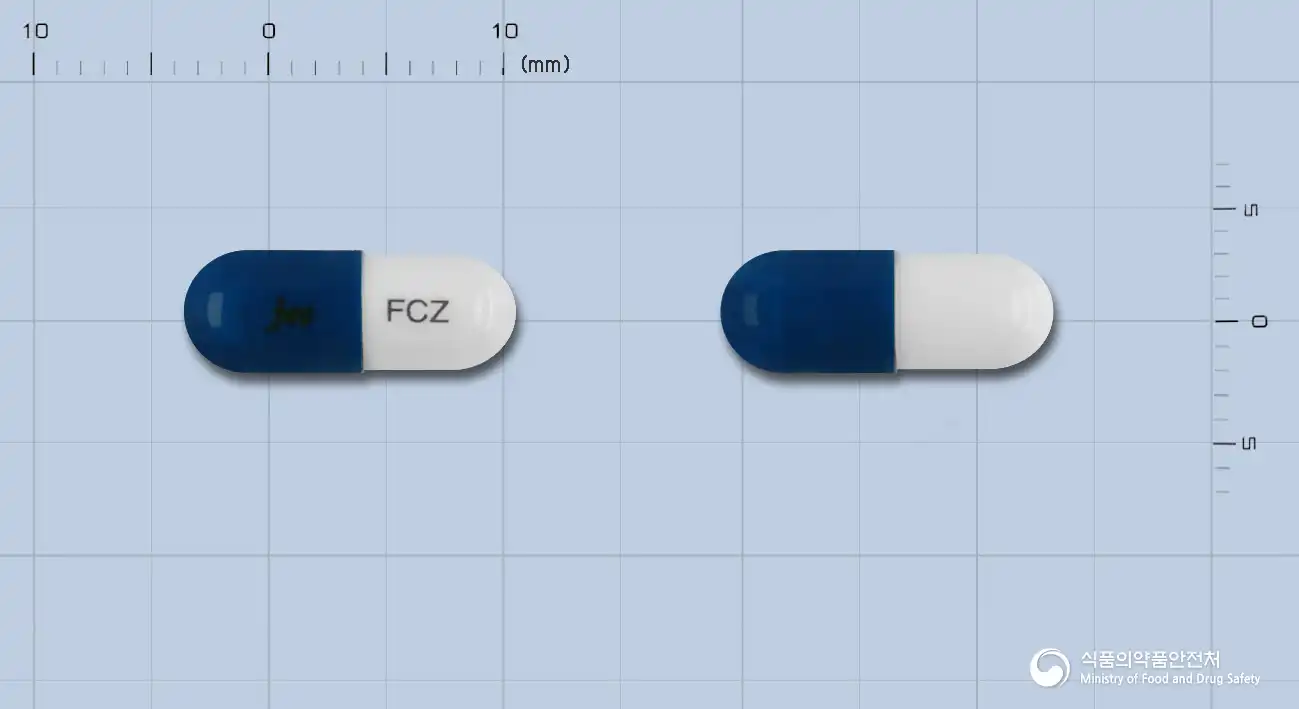
Fluconazole 50mg
Hard capsule · Prescription medication
JW Pharmaceutical Co., Ltd.
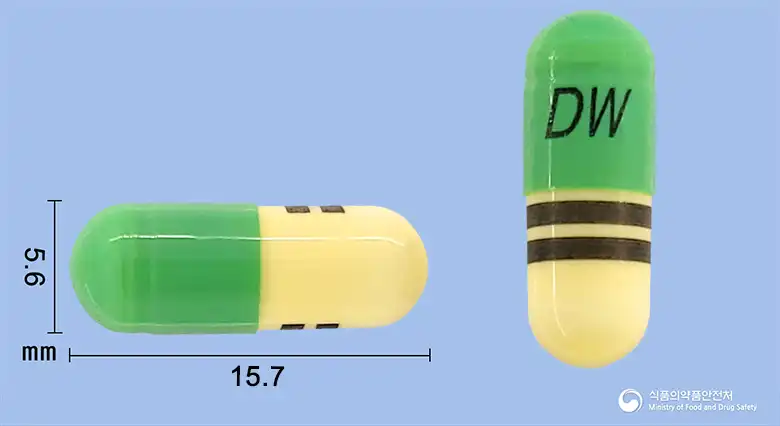
Fluconazole 50mg
Hard capsule · Prescription medication
Daewoong Pharmaceutical Co., Ltd.
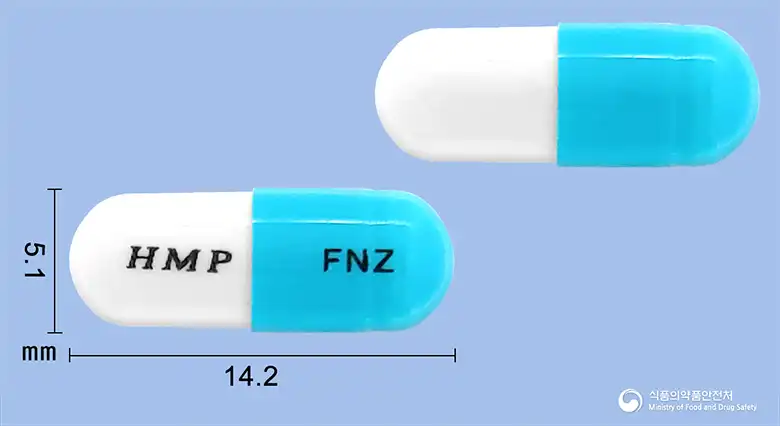
Fluconazole 50mg
Hard capsule · Prescription medication
Hanmi Pharmaceutical Co., Ltd.
Fluconazole 2mg
Injections · Prescription medication
JW Pharmaceutical Co., Ltd.
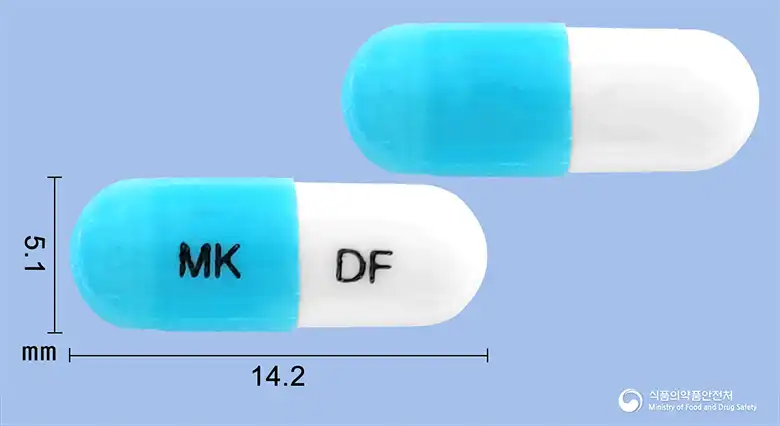
Fluconazole 50mg
Hard capsule · Prescription medication
Medica Korea Co., Ltd.
Fluconazole 2mg
Prescription medication
Pfizer Pharmaceutical Co., Ltd.
Fluconazole 2mg
Injections · Prescription medication
Korea United Pharm, Co., Ltd.
Even with the same ingredient, the dose and directions can differ by strength and dosage form. Talk to a doctor or pharmacist before switching from a medication you are already taking.
No questions yet.
For anything that needs medical judgment, consult a doctor or pharmacist.
This drug information is based on data provided by the Korea Ministry of Food and Drug Safety.
Consult a doctor or pharmacist for accurate dosage, administration, and usage instructions.