
 한국어
 English
 日本語
 中文(简体)
 Viewing now
Cepiron Capsule (Cefradine Hydrate)
Cefradine Hydrate 500mg
Hard capsule · Prescription medication
Korea Pavis Pharmaceutical Co., Ltd.
MFDS item code 200402718 · Notified 2004.05.24 · Insurance code 621802000
Treatment of respiratory and middle ear infections, urinary tract infections, and skin and soft tissue infections
This medicine is effective against various bacteria such as Staphylococcus, Streptococcus pneumoniae, and Haemophilus influenzae. It is mainly used to treat respiratory diseases such as tonsillitis, pharyngitis, lobar pneumonia, and bronchitis. It is also effective for urinary tract infections including cystitis, pyelonephritis, urethritis, and prostatitis. It helps treat skin infections such as abscesses, soft tissue infections, boils, and pyoderma. It is used for the treatment of otitis media and improves various bacterial infections.
○ Adults 1) Skin and soft tissue, and respiratory tract infections: Depending on the severity, administer cefradine 250mg~500mg (potency) orally 4 times daily or 500mg~1g (potency) twice daily. 2) Urinary tract infections: For uncomplicated urinary tract infections, administer 500mg (potency) twice daily. For severe urinary tract infections, administer 500mg (potency) 4 times daily or 1g (potency) twice daily. Severe infections may also require an extended treatment period and intensive treatment. ○ Patients with renal impairment 1) For patients not receiving hemodialysis, administer as follows. Creatinine clearance (mL/min) Dose per administration (mg) Dosing interval (hours) >20 500 6~12 15~20 250 12~24 10~14 250 24~40 5~9 250 40~50 <5 250 50~70 2) For patients receiving chronic, intermittent hemodialysis, administer an initial dose of 250mg (potency) when hemodialysis is started, followed by 250mg (potency) 6~12 hours later and again 36~48 hours later. Administer 250mg at the next hemodialysis session (only if at least 30 hours have elapsed since the most recent dose). Adjust the dose as appropriate according to age and symptoms.
○ Children: Administer 25~50mg (potency) per kg of body weight per day orally in 2~4 divided doses. For otitis media, administer 75~100mg (potency) per kg of body weight per day in 2~4 divided doses. Do not administer more than 4g (potency) per day or more than the adult dose. It is preferable not to administer this medicine to infants 9 months of age or younger.
This medication should not be used in patients who have previously experienced severe allergic reactions or shock due to this drug. It must be used with caution in patients with a history of allergy to this or similar classes of antibiotics. Patients with a history of allergy to penicillin antibiotics also require caution. Patients with a family history of allergic symptoms such as bronchial asthma, skin rashes, or hives should be administered carefully. Particularly careful attention must be paid to patients with severely impaired kidney function. Patients who have difficulty swallowing medications, poor nutritional status, elderly patients, or those in poor overall health should be observed closely for potential vitamin K deficiency symptoms. This medication contains colorants Yellow No. 5 and Yellow No. 203, so patients with allergies or hypersensitivity to these ingredients should use it carefully. During the use of this drug, serious allergic reactions or shock can occur, so careful observation of the patient's condition is necessary. If allergic symptoms such as skin rash, hives, itching, or fever occur, usage should be immediately stopped and appropriate treatment should be sought. Gastrointestinal symptoms such as abdominal pain, diarrhea, vomiting, or gastritis may occur, particularly severe colitis can develop, so symptoms should be monitored closely and if severe, the medication should be halted and a doctor consulted. If respiratory symptoms such as difficulty breathing, asthma, or cough occur, use should be stopped immediately, and treatment should be administered. Abnormal blood tests may show decreased white blood cells or anemia, so regular check-ups are advisable. Rare side effects such as severe skin reactions like Stevens-Johnson syndrome or toxic epidermal necrolysis have been reported. Liver enzyme levels may increase, and hepatitis or jaundice may occur rarely, so liver function should be monitored closely. Kidney function may deteriorate suddenly, so regular kidney function tests are needed to check the condition. Flora imbalances such as oral inflammation or candidiasis may occur. Vitamin K deficiency can lead to bleeding tendencies, so bleeding symptoms must be monitored carefully. Headaches, general fatigue, and gastrointestinal discomfort can occur rarely. When using this medication, it is important to confirm the susceptibility of the infecting bacteria and use it only for the necessary duration to prevent the occurrence of resistant bacteria. To prevent severe allergic reactions, it is advisable to investigate the patient's medical history beforehand and perform skin tests. Be prepared for emergencies and observe the patient's condition carefully after administration. Caution is required when used in combination with diuretics or aminoglycoside antibiotics, as they may burden kidney function. During pregnancy, use should only occur when the therapeutic benefits outweigh the risks, as safety has not been established. Women who are breastfeeding should also administer this drug carefully, as it can transfer into breast milk. It is advisable not to administer this medication to premature or neonates, especially infants under 9 months old. In elderly patients, due to decreased bodily function and higher risk of side effects, dosage and administration intervals should be adjusted and observed carefully. This medication may affect some clinical test results, so inform the healthcare staff during examinations. When used as an injectable formulation, temporary pain or thrombophlebitis may occur at the injection site, so caution is advised.
shock
Not everyone experiences these, and they can vary from person to person.
This medication should be stored in a tightly closed container to prevent exposure to air or moisture and should be kept at room temperatures between 1 to 30 degrees Celsius. This helps to maintain the drug's effectiveness and prevent degradation.
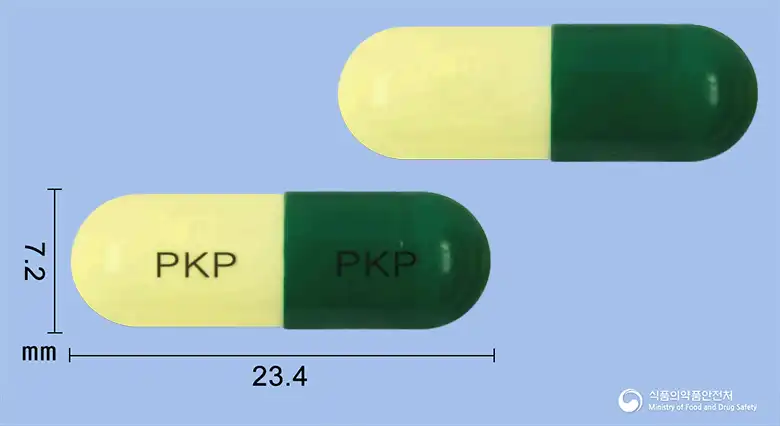
A hard capsule filled with white to pale yellow crystalline powder, blue-green at the top and pale yellow at the bottom.
For domestic use - 30 capsules/bottle, for domestic use - 300 capsules/bottle, for military supply - 100 capsules/bottle
Even with the same ingredient, strength, dosage form and how it is taken can differ.
Viewing nowCefradine Hydrate 500mg
Hard capsule · Prescription medication
Korea Pavis Pharmaceutical Co., Ltd.
Cefradine Hydrate
Prescription medication
Il Sung IS Co., Ltd.
Cefradine Hydrate
Prescription medication
Ilseong IS Co., Ltd.
Cefradine Hydrate
Prescription medication
Il Sung IS Co., Ltd.
Cefradine Hydrate
Prescription medication
Il Sung IS Co., Ltd.
Cefradine Hydrate
Prescription medication
Il Sung IS Co., Ltd.
Cefradine Hydrate
Prescription medication
International Pharmaceutical Co., Ltd.
Cefradine Hydrate
Prescription medication
Ildong Pharmaceutical Co., Ltd.
Even with the same ingredient, the dose and directions can differ by strength and dosage form. Talk to a doctor or pharmacist before switching from a medication you are already taking.
No questions yet.
For anything that needs medical judgment, consult a doctor or pharmacist.
This drug information is based on data provided by the Korea Ministry of Food and Drug Safety.
Consult a doctor or pharmacist for accurate dosage, administration, and usage instructions.