
 한국어
 English
 日本語
 中文(简体)
Dosage form image
Viewing nowCytoplasmic Dry Syrup 125 mg/5 mL (Cefprozil Hydrate)
Cefprozil Hydrate 5g
Syrup · Prescription medication
Kolon Pharmaceutical Co., Ltd.
MFDS item code 200400527 · Notified 2004.07.29 · Insurance code 670300701
Treatment of upper and lower respiratory tract infections (e.g., otitis media), skin and soft tissue infections, and urinary tract infections
This medicine is used for various bacterial infections, including upper respiratory infections, lower respiratory infections, skin and soft tissue infections, and uncomplicated urinary tract infections. It is effective for treating upper respiratory infections such as pharyngitis, tonsillitis, otitis media, and acute sinusitis, particularly against infections caused by Group A beta-hemolytic Streptococcus. It is used for secondary bacterial infections of acute bronchitis and acute exacerbations of chronic bronchitis as lower respiratory infections. It is also effective for skin and soft tissue infections, such as postoperative abscesses. In urinary tract infections, it is used when bacteria are confirmed, such as in cystitis. Overall, it helps improve symptoms and treat bacterial infections in various locations.
○ Adults (13 years and older) 1) For pharyngitis and tonsillitis among upper respiratory tract infections, administer cefprozil 500mg (potency) per dose every 24 hours. For acute sinusitis, administer 250mg (potency) or 500mg (potency) every 12 hours (dose escalation is required for moderate or more severe infections). 2) For bacterial superinfection of acute bronchitis or bacterial exacerbation of chronic bronchitis among lower respiratory tract infections, administer this drug 500mg (potency) per dose every 12 hours. 3) For uncomplicated skin and soft tissue infections, administer this drug 250mg (potency) every 12 hours [or 500mg (potency) every 24 hours], or 500mg (potency) every 12 hours according to symptoms. 4) For uncomplicated urinary tract infections, administer this drug 500mg (potency) every 24 hours. <Duration of administration> Administration is generally for about 10 days; however, for pharyngitis/tonsillitis caused by Streptococcus pyogenes (Group A beta-hemolytic), administer for 10 days or longer. For uncomplicated cystitis, administer for approximately 7 days. ○ Patients with renal impairment 1) If creatinine clearance is 30~120mL/min, administer according to the standard dosage and regimen above. 2) If creatinine clearance is 29mL/min or less, administer 50% of the standard dose, using the same administration interval as the standard regimen. However, some of this drug is removed by hemodialysis; therefore, administer it after hemodialysis is completed. Once reconstituted, store refrigerated and use within 14 days (syrup only).
○ Children (2~12 years) — For pharyngitis and tonsillitis among upper respiratory tract infections: administer 7.5mg (potency) per kg body weight per dose every 12 hours. ○ Children (2~12 years) — For uncomplicated skin and soft tissue infections: administer 20mg (potency) per kg body weight per dose every 24 hours. ○ Infants and children (6 months~12 years) — For otitis media among upper respiratory tract infections: administer 15mg per kg body weight every 12 hours. ○ Infants and children (6 months~12 years) — For acute sinusitis: administer 7.5mg per kg body weight every 12 hours. ○ Infants and children (6 months~12 years) — For acute sinusitis or moderate or more severe infections requiring a higher dose: administer 15mg per kg body weight every 12 hours.
This medication contains an ingredient called aspartame, so care should be taken not to exceed the recommended daily intake of aspartame. Patients with a history of allergy to cephalosporin antibiotics should not use this medicine. Patients with a history of allergy to penicillin or other drugs should use this medicine cautiously, as there may be cross-allergy with beta-lactam antibiotics. Patients with serious diseases should assess renal function before and during treatment, and patients with poor renal function should reduce the dosage of this medicine. Patients with gastrointestinal diseases, particularly a history of colitis, should be more cautious when using this medicine. This medicine contains a dye called Yellow No. 5, so patients with allergies to this ingredient should be administered carefully. Gastrointestinal disturbances such as diarrhea, nausea, vomiting, and abdominal pain may occur when taking this medicine, and hypersensitivity reactions such as liver dysfunction, skin rashes, and urticaria may also occur. Rarely, central nervous system symptoms such as dizziness, headache, drowsiness, and confusion may appear, and renal dysfunction or blood-related abnormalities have also been reported. Long-term use of this medicine may lead to resistant bacteria, so it is important to check the susceptibility of bacteria and use it for the minimum required period. If allergic reactions occur, administration should be stopped immediately, and in severe cases, emergency treatment may be needed. If diarrhea occurs after antibiotic usage, the possibility of pseudomembranous colitis should be considered, and if symptoms are severe, appropriate treatment is necessary. Caution should be exercised as renal toxicity may increase when used with other cephalosporin antibiotics or certain diuretics. During pregnancy, it should only be used when absolutely necessary, and breastfeeding women should also administer it cautiously as this medicine is excreted in small amounts in breast milk. It is advisable not to use this medicine in infants under 6 months old, as safety and efficacy have not been established. Elderly patients may require dosage adjustment due to decreased renal function. This medication may affect the results of certain clinical tests, so this should be communicated to healthcare professionals during testing. In case of overdose, since it is primarily excreted through the kidneys, patients with impaired renal function may require hemodialysis. This medicine does not cause carcinogenicity or mutagenicity, and no reproductive function disorders were found in animal studies.
Not everyone experiences these, and they can vary from person to person.
This medicine is sensitive to light and should be stored in a tightly sealed container that blocks light. It is recommended to maintain the storage temperature between 1 and 30 degrees Celsius.
Powder syrup of whitish to yellowish color
30g/60mL
Even with the same ingredient, strength, dosage form and how it is taken can differ.
Cefprozil Hydrate 5g
Syrup · Prescription medication
Kolon Pharmaceutical Co., Ltd.
Cefprozil Hydrate 5000g
Syrup · Prescription medication
Geonil Pharmaceutical Co., Ltd.
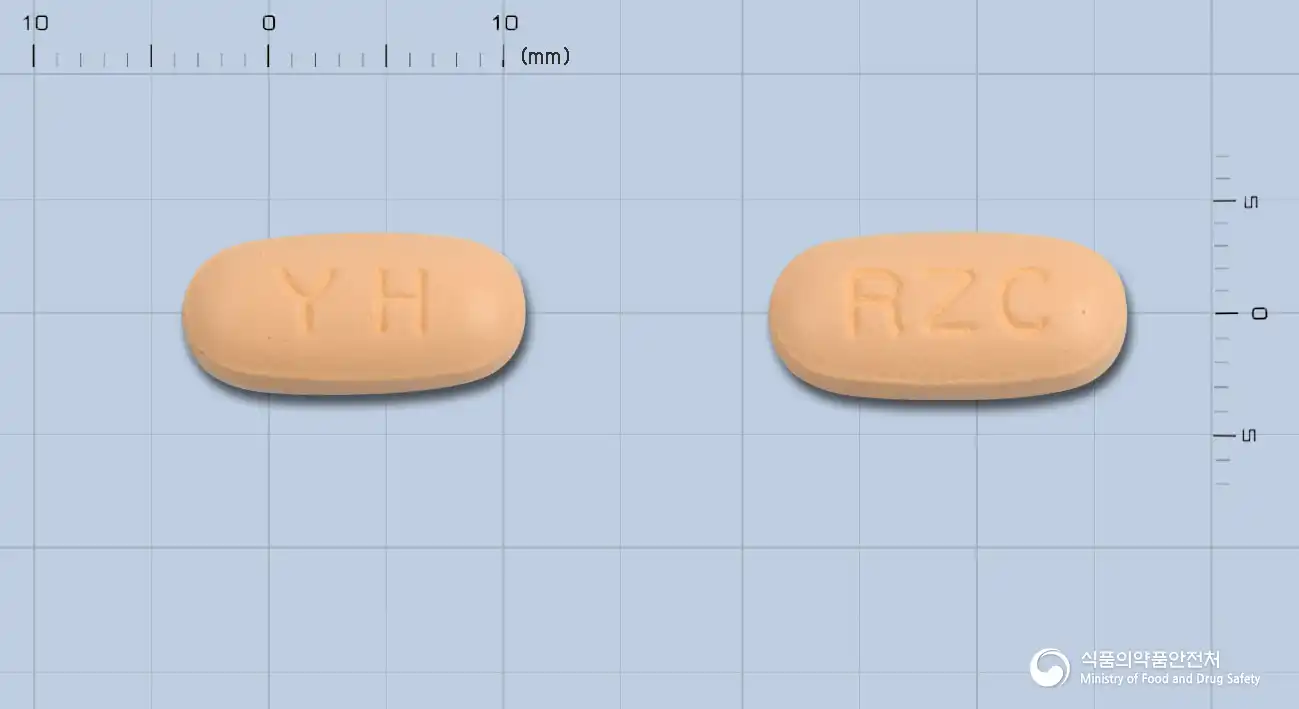
Cefprozil Hydrate 250mg
Tablet · Prescription medication
Yoohun Pharmaceutical Co., Ltd.
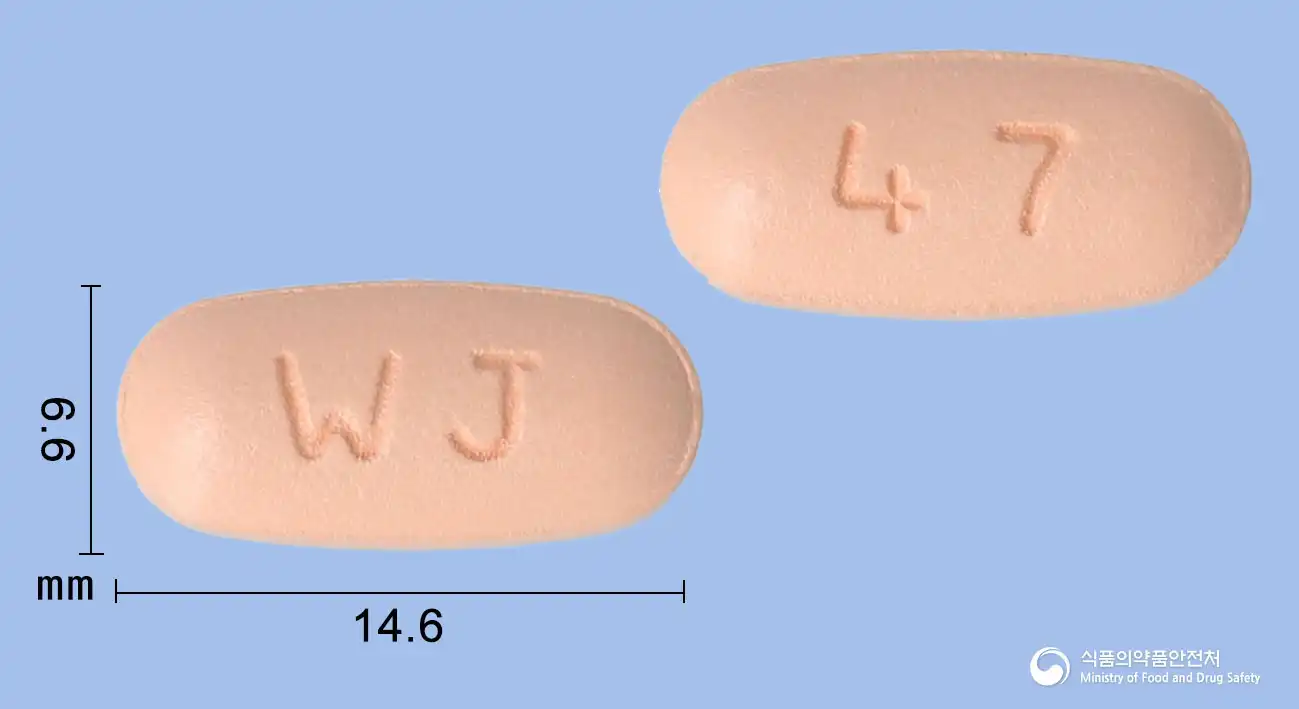
Cefprozil Hydrate 250mg
Tablet · Prescription medication
Austin Pharmaceutical Co., Ltd.
Cefprozil Hydrate 5g
Syrup · Prescription medication
Sama Pharmaceutical Co., Ltd.
Cefprozil Hydrate 5g
Syrup · Prescription medication
Youngjin Pharmaceutical Co., Ltd.
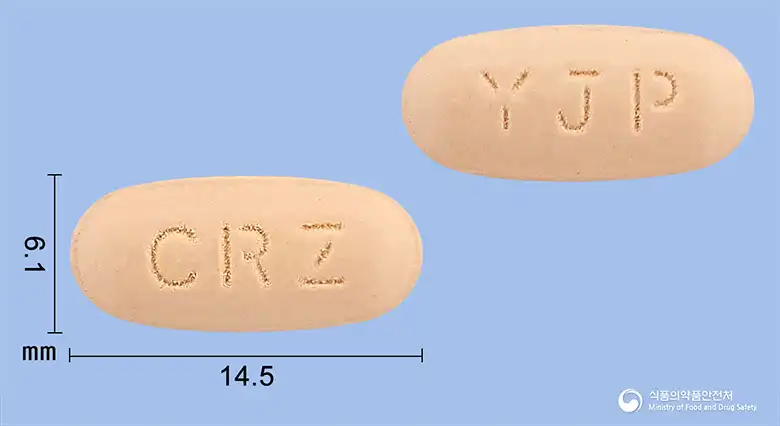
Cefprozil Hydrate 250mg
Tablet · Prescription medication
Youngjin Pharmaceutical Co., Ltd.
Cefprozil Hydrate 5g
Syrup · Prescription medication
Aprogen Biologics Co., Ltd.
Even with the same ingredient, the dose and directions can differ by strength and dosage form. Talk to a doctor or pharmacist before switching from a medication you are already taking.
No questions yet.
For anything that needs medical judgment, consult a doctor or pharmacist.
This drug information is based on data provided by the Korea Ministry of Food and Drug Safety.
Consult a doctor or pharmacist for accurate dosage, administration, and usage instructions.