
 한국어
 English
 日本語
 中文(简体)
 Viewing now
Hanool Cefradine Hydrate Capsule 500 mg
Cefradine Hydrate 500mg
Hard capsule · Prescription medication
Hanool BioPharma Co., Ltd.
MFDS item code 200400363 · Notified 2004.06.22 · Insurance code 655602680
Treatment of respiratory and ear, genitourinary, and skin and soft tissue infections
This medicine is effective against various bacteria such as staphylococcus, streptococcus pneumoniae, and influenza bacillus. The capsule and dry syrup forms are used to treat various infectious diseases including tonsillitis, pharyngitis, lobar pneumonia, bronchitis, cystitis, pyelonephritis, urethritis, and prostatitis. Additionally, it is effective against skin and soft tissue infections such as abscesses, cellulitis, furuncles, and pyoderma. The injectable form can also treat bone infections and sepsis, making it widely used for severe infections. This antibiotic plays an important role in improving and treating bacterial infections, and is therefore safely used for various bacterial infectious diseases.
(Capsules)(Dry syrup) ○ Adults 1) Skin and soft tissue infections, respiratory tract infections: Depending on severity, administer cefradine 250mg–500mg (potency) 4 times daily or 500mg–1g (potency) twice daily by mouth. 2) Urinary tract infections: For uncomplicated urinary tract infections, administer 500mg (potency) twice daily. For severe urinary tract infections, administer 500mg (potency) 4 times daily or 1g (potency) twice daily. Severe infections may also require a longer treatment period and intensive treatment. ○ Patients with renal impairment 1) In patients not receiving hemodialysis, administer as follows. Creatinine clearance (mL/min) / Dose (mg) / Dosing interval (hours) >20 / 500 / 6–12 15–20 / 250 / 12–24 10–14 / 250 / 24–40 5–9 / 250 / 40–50 <5 / 250 / 50–70 2) In patients receiving chronic, intermittent hemodialysis, administer an initial dose of 250mg (potency) when hemodialysis begins, followed by 250mg (potency) 6–12 hours later and 36–48 hours later. Then administer 250mg at the next hemodialysis session (only if at least 30 hours have elapsed since the most recent dose). The dose may be adjusted according to age and symptoms. (Injection) ○ Adults: Administer 2–4g (potency) of cefradine per day in 4 divided doses by intravenous or intramuscular injection. For bone infections, administer 1g (potency) intravenously 4 times daily. For most infections, administer 500mg (potency) intravenously or intramuscularly 4 times daily. For severe infections (e.g., sepsis), the dose may be increased to 8g (potency) per day. ○ Patients with renal impairment 1) In patients not receiving hemodialysis, follow the dosage table for capsules and dry syrup. 2) In patients receiving chronic, intermittent hemodialysis, administer an initial dose of 250mg (potency) when hemodialysis begins, followed by 250mg (potency) 6–12 hours later and 36–48 hours later. Administer 250mg (potency) before the next hemodialysis session if at least 30 hours have elapsed since the previous dose. The dose may be adjusted according to age and symptoms. As with other antibiotics, treatment should generally continue until at least 48–72 hours after symptoms have resolved or evidence indicates that the bacteria have been eradicated. For group A beta-hemolytic streptococcal infections, treatment for at least 10 days is preferable to prevent the risk of rheumatic fever or glomerulonephritis. <Preparation of this medicine> For intravenous injection, dissolve 500mg (potency) of this medicine in 5mL of water for injection, 5% dextrose injection, or normal saline injection, and inject intravenously over 3–5 minutes. For intravenous infusion, dissolve in an infusion fluid such as 5% or 10% dextrose injection or normal saline injection, and administer by intravenous infusion. For intramuscular injection, dissolve 500mg (potency) in 2.0mL of water for injection or normal saline injection, and inject intramuscularly.
(Capsules)(Dry syrup) ○ Children: Administer 25–50mg (potency)/kg body weight per day orally in 2–4 divided doses. Do not exceed 4g (potency) per day or the adult dose. For otitis media, administer 75–100mg (potency)/kg body weight per day in 2–4 divided doses. Do not exceed 4g (potency) per day or the adult dose. It is preferable not to administer to infants aged 9 months or younger. (Injection) ○ Children: 50–100mg (potency)/kg body weight per day may be administered by intravenous or intramuscular injection in 4 divided doses, but the adult dose should not be exceeded.
Do not use this drug in patients who have experienced severe allergic reactions or shock due to this medication in the past. Patients who have had allergic reactions to this drug or similar antibiotics should be administered with extreme caution. Caution is also needed in patients with a history of allergies to penicillin antibiotics. Patients with a family history of allergic symptoms such as asthma, skin rashes, or hives should use this medication carefully. Patients with severely impaired kidney function should be monitored closely while using this drug. Patients who are not eating well or older adults, and those in poor general health may show vitamin K deficiency symptoms, so they should be observed carefully. If symptoms such as discomfort, oral abnormalities, shortness of breath, dizziness, constipation, tinnitus, or excessive sweating appear during treatment, discontinue the medication immediately and seek medical attention. If skin rashes, hives, itching, fever, lymph node swelling, or joint pain occur, discontinue the medication and receive appropriate treatment. If symptoms like abdominal pain, diarrhea, or blood in stools appear, it may indicate severe enteritis, so stop the medication immediately and consult a doctor. If breathing difficulties or cough or fever develop, there may be inflammation in the lungs, so discontinue the medication and seek treatment. Periodic blood tests may reveal abnormalities such as leukopenia or anemia, so regular checks are required. Rarely, severe skin conditions may occur, so it is important to monitor skin condition closely. Liver function tests may show elevated levels, so liver health should also be monitored regularly. Kidney function may be at risk, necessitating regular kidney examinations. Oral infections such as stomatitis or candidiasis may occur, so oral conditions should be checked. Symptoms of deficiency in vitamin K and vitamin B may manifest, hence an awareness of bleeding tendencies or neurological symptoms is important. Symptoms like headache, general fatigue, or discomfort in the upper abdomen may appear, so it is crucial to monitor body condition closely. This medication should only be used for the minimum required duration after confirming the susceptibility of the infecting bacteria to prevent the emergence of resistant bacteria. It is advisable to conduct thorough history taking and skin reaction testing before administration to prevent allergic shock. Be prepared for rapid emergency treatment in case of shock, and continue to monitor the patient's stable condition after medication administration. When used in conjunction with diuretics or certain antibiotics, caution is required as it may put more strain on kidney function. Women who are pregnant or may become pregnant should only use this medication if the benefits outweigh the risks, as its safety has not been established. Breastfeeding women should also take caution, as this medication may pass into breast milk. It is advisable not to use this medication in premature or newborn infants, especially those under 9 months old. Elderly patients may experience more side effects due to decreased bodily function, thus dosages and intervals should be adjusted and used cautiously. This drug may produce false positive results in certain urine tests, so care should be taken in interpreting test results. When administered via injection, temporary pain or thrombophlebitis at the injection site may occur, so take care during administration. When using injectable forms, ensure correct administration techniques, and store the solution in a refrigerator, using it within 2 weeks.
Not everyone experiences these, and they can vary from person to person.
Store this medication in a tightly closed container to protect it from air and moisture. It is recommended to maintain storage temperatures between 1 to 30 degrees Celsius.
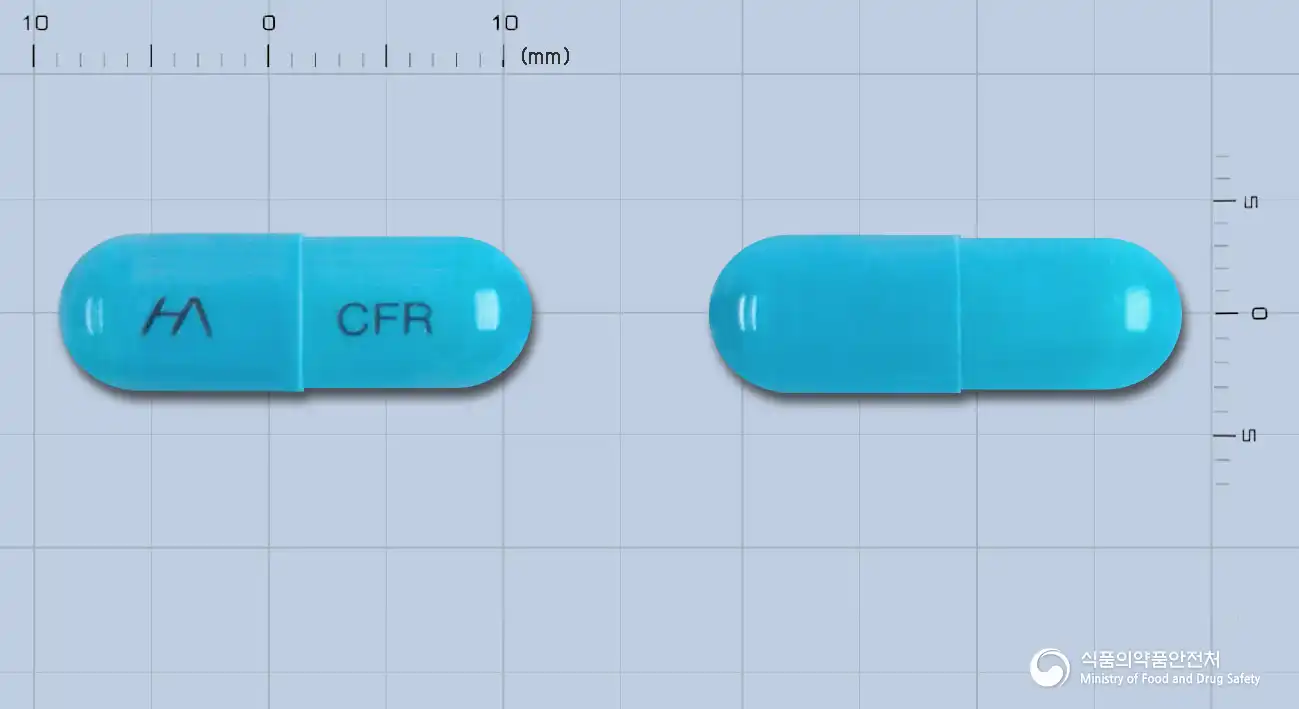
A blue capsule containing white or yellowish crystalline powder
30 capsules/bottle, 100 capsules/bottle
Even with the same ingredient, strength, dosage form and how it is taken can differ.
Viewing nowCefradine Hydrate 500mg
Hard capsule · Prescription medication
Hanool BioPharma Co., Ltd.
Cefradine Hydrate
Prescription medication
Il Sung IS Co., Ltd.
Cefradine Hydrate
Prescription medication
Ilseong IS Co., Ltd.
Cefradine Hydrate
Prescription medication
Il Sung IS Co., Ltd.
Cefradine Hydrate
Prescription medication
Il Sung IS Co., Ltd.
Cefradine Hydrate
Prescription medication
Il Sung IS Co., Ltd.
Cefradine Hydrate
Prescription medication
International Pharmaceutical Co., Ltd.
Cefradine Hydrate
Prescription medication
Ildong Pharmaceutical Co., Ltd.
Even with the same ingredient, the dose and directions can differ by strength and dosage form. Talk to a doctor or pharmacist before switching from a medication you are already taking.
No questions yet.
For anything that needs medical judgment, consult a doctor or pharmacist.
This drug information is based on data provided by the Korea Ministry of Food and Drug Safety.
Consult a doctor or pharmacist for accurate dosage, administration, and usage instructions.