
 한국어
 English
 日本語
 中文(简体)
 Viewing now
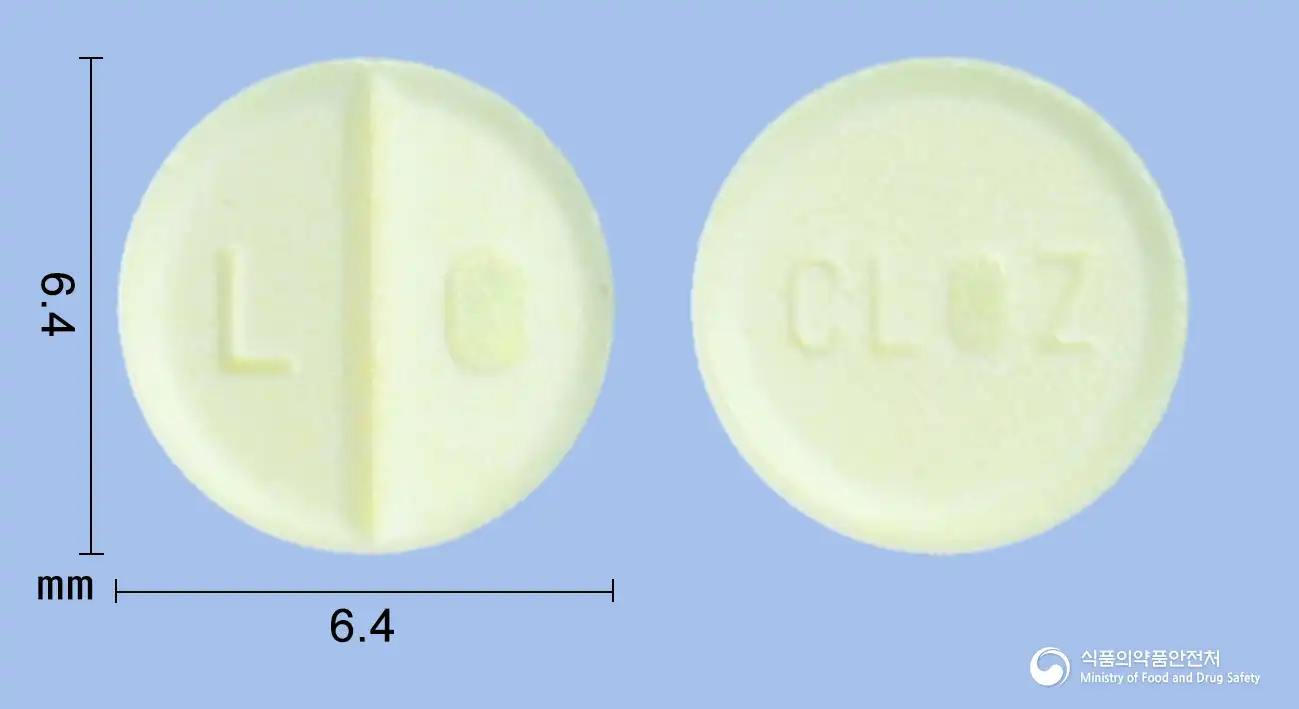
Clozaril Tablet 25 mg (Clozapine)
Clozapine 25mg
Tablet · Prescription medication
Hwanin Pharmaceutical Co., Ltd.
MFDS item code 200307798 · Notified 2003.05.07 · Insurance code 657203410
Treatment of treatment-resistant schizophrenia and reduction of the risk of suicidal behavior in schizophrenia and schizoaffective disorder
This medication is used for the treatment of patients with drug-resistant schizophrenia or severe extrapyramidal side effects associated with schizophrenia. Additionally, it helps reduce the risk of suicide behavior in patients with schizophrenia or schizoaffective disorder who are at risk of suicidal behavior. Therefore, this drug is effective in improving serious symptoms and risks associated with schizophrenia.
The therapeutic dose of this medicine should be adjusted according to the patient's clinical condition, and the minimum effective dose should be used whenever possible. Careful dose titration and divided dosing are needed to minimize the risk of hypotension, seizures, or sedation. The recommended doses are as follows: 1. Adults ① Initial dose: On Day 1, administer 12.5 mg (1/2 of a 25 mg tablet) once or twice, followed by 1 tablet of 25 mg once or twice on Day 2. If well tolerated, the dose may be increased by 25 ~ 50 mg daily, up to 300 mg daily by Weeks 2 ~ 3. Thereafter, if needed, the daily dose may be further increased by 50 mg to 100 mg once or twice weekly (once-weekly increases are preferred). ② Effective dose range: An antipsychotic effect can be expected in most patients with 200 mg ~ 450 mg daily in 2 ~ 4 divided doses, although some patients may require a daily dose of up to 600 mg. If the total daily dose cannot be divided equally, take the largest dose at bedtime. ③ Maximum dose: In some cases, the dose may need to be increased to 900 mg daily to achieve an adequate effect; the maximum individual dose increase is 100 mg. (If the daily dose exceeds 450 mg, the possibility of adverse reactions at these doses, particularly an increased risk of seizures, must be considered.) ④ Maintenance dose: After achieving the maximum therapeutic effect, most patients can continue treatment at a lower dose, which should be carefully reduced to a daily dose of 150 mg ~ 300 mg. Treatment should continue for at least 6 months. If the daily dose does not exceed 200 mg, it may be administered as a single dose in the evening. ⑤ Discontinuation of treatment: When discontinuing Clozaril treatment, the dose should be gradually reduced over 1 ~ 2 weeks. If treatment must be stopped abruptly (e.g., leukopenia), the patient's mental status and withdrawal symptoms (recurrence of psychotic symptoms and cholinergic rebound symptoms) should be carefully monitored. ⑥ Resuming treatment with Clozaril: If 2 days or more have elapsed since the last dose of this medicine, resume treatment with 12.5 mg (1/2 of a 25 mg tablet) once or twice on Day 1. If this dose is well tolerated, the dose may be increased to the therapeutic dose more rapidly than recommended for initial treatment. However, considerable caution is required in patients who experienced respiratory or cardiac arrest during initial use, even if these events were managed continuously and successfully. ⑦ Switching from an existing antipsychotic to Clozaril In general, Clozaril should not be administered concomitantly with existing antipsychotics. If Clozaril treatment is to be initiated in a patient currently receiving another oral antipsychotic, reduce the dose of the other antipsychotic or gradually taper it to discontinuation. Depending on the clinical situation, the physician should decide whether to discontinue the other antipsychotic before initiating Clozaril. 2. Administration in special populations 1) Older adults Treatment in older adults should be started at a particularly low dose (12.5 mg of this medicine on Day 1), and subsequent increases should not exceed 25 mg daily. 2) Patients with a history of seizures or renal or cardiovascular disorders For patients with a history of seizures or renal or cardiovascular disorders (Note: see contraindications for patients with severe renal or cardiovascular disorders), give a single initial dose of 12.5 mg on Day 1 and increase the dose gradually in small increments. 3) Patients with hepatic impairment A low initial dose and slow dose adjustment are recommended for patients with hepatic impairment.
Children and adolescents No clinical trials have been conducted in children. The safety and efficacy of this medicine have not been established in children and adolescents under 18 years of age.
This drug carries a risk of agranulocytosis, a serious blood disorder that can be life-threatening, so regular blood tests must be done before and during treatment. This medication can cause seizures, therefore caution is needed for patients with a history of seizures or a high risk of seizures, and patients must be instructed to avoid dangerous activities if they lose consciousness. There is a risk of myocarditis, which causes inflammation of the heart, so if any heart-related symptoms occur, especially during the first month of treatment, it is crucial to stop the medication immediately and seek medical attention. Cardiovascular side effects such as orthostatic hypotension or syncope can occur, particularly when taken with other psychiatric medications. The risk of death may be increased in elderly patients with dementia, so this drug should not be used for treating dementia-related psychoses. This medication may increase the risk of thrombosis, so patients with risk factors for thrombosis should be closely monitored and preventive measures should be taken before and during treatment. Patients with hypersensitivity to this drug, impaired bone marrow function, serious kidney or heart diseases should not use this medication. Patients with a history of seizures, severe brain dysfunction, the elderly, or those with benign prostatic hyperplasia should be administered this drug with caution and consult with healthcare professionals. Common side effects include drowsiness, dizziness, constipation, excess salivation, speech problems, stuttering, anxiety, restlessness, extrapyramidal symptoms, akathisia, tremors, stiffness, headaches, sleep disturbances, nightmares, insomnia, hyperactivity, unclear speech, confusion, delirium, blurred vision, tachycardia, electrocardiogram changes, chest pain, angina, ECG changes, arrhythmia, thrombocytopenia, thrombocytosis, hypertension, nausea, and vomiting. This drug may cause gastrointestinal motility disorders due to its anticholinergic effects, thus constipation symptoms must be managed proactively. If fever or signs of infection occur during treatment, inform the doctor immediately, and be cautious of serious side effects such as neuroleptic malignant syndrome. Metabolic disturbances such as hyperglycemia or dyslipidemia may occur, so diabetic patients must manage blood glucose levels diligently, which requires regular blood tests. This medication may cause sedation and increase the risk of seizures, so it is recommended to avoid driving or operating hazardous machinery. Abrupt discontinuation of this medication can lead to withdrawal symptoms, so it should be tapered off gradually under medical guidance. This drug interacts with many other medications, so if the patient is taking other medications, it is vital to inform healthcare providers, particularly avoiding concomitant use with drugs that may impair bone marrow function. Women who are pregnant or may become pregnant, as well as nursing mothers, should not use this drug and should take appropriate contraceptive measures if planning pregnancy. In case of overdose, severe side effects may occur, so it is essential to adhere strictly to the prescribed dosages, and if an overdose is suspected, immediate medical attention should be sought. This medication should be stored out of reach of children and should not be transferred to another container for safety.
Not everyone experiences these, and they can vary from person to person.
This medication should be stored in a tightly sealed container to prevent exposure to air or moisture. It is important to maintain storage temperature between 1 and 30 degrees Celsius.
Yellow round tablet
50 tablets (10 tablets/PTP packaging x 5)
Even with the same ingredient, strength, dosage form and how it is taken can differ.
Viewing nowClozapine 25mg
Tablet · Prescription medication
Hwanin Pharmaceutical Co., Ltd.
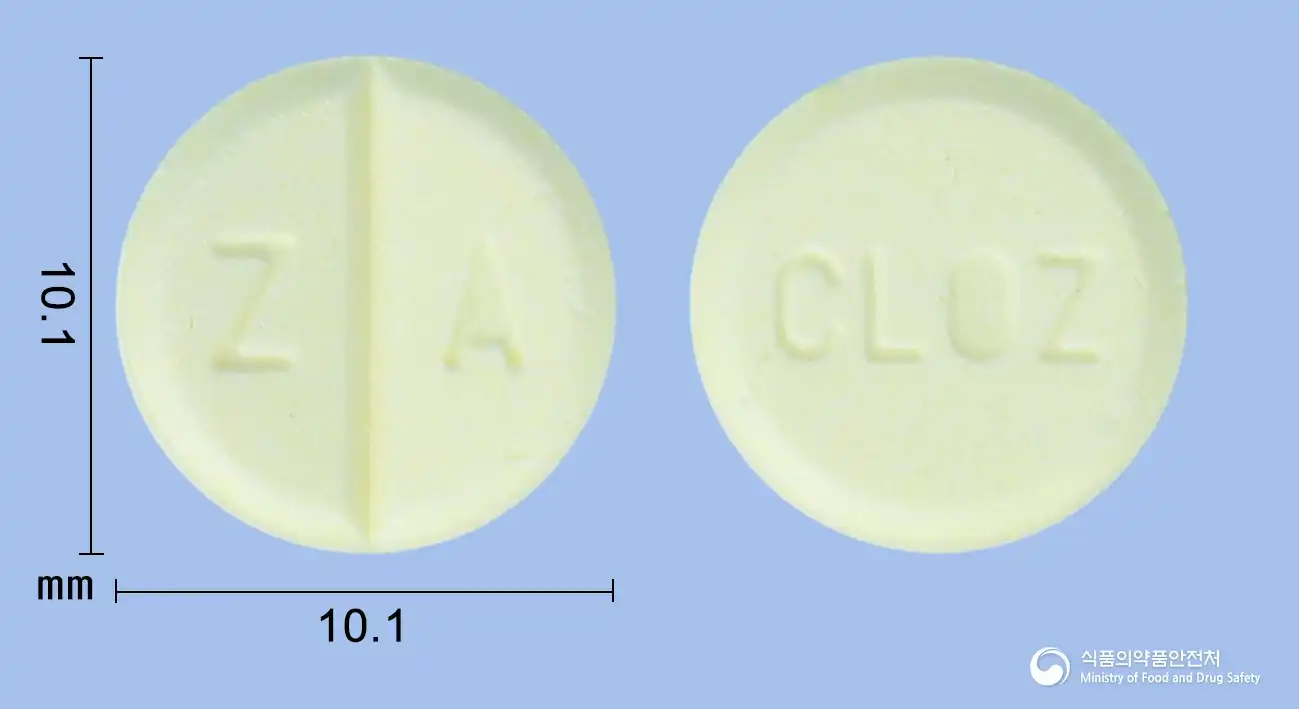
Clozapine 100mg
Tablet · Prescription medication
Hanin Pharmaceutical Co., Ltd.
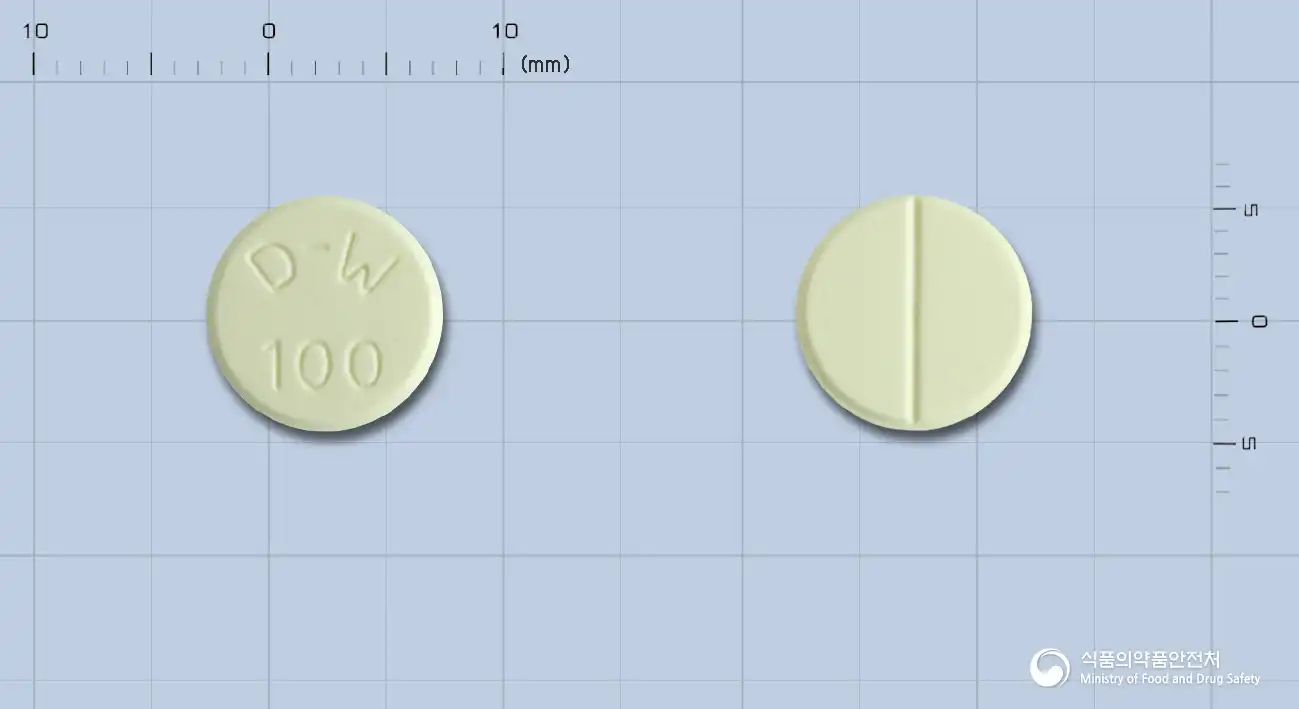
Clozapine 100mg
Tablet · Prescription medication
Dongwha Pharmaceutical Co., Ltd.

Clozapine 25mg
Tablet · Prescription medication
Dongwha Pharmaceutical Co., Ltd.
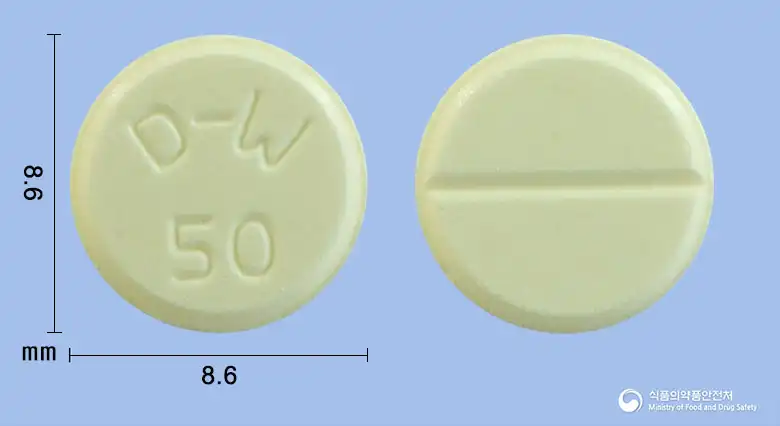
Clozapine 50mg
Tablet · Prescription medication
Dongwha Pharmaceutical Co., Ltd.

Clozapine 200mg
Tablet · Prescription medication
Dongwha Pharmaceutical Co., Ltd.
Even with the same ingredient, the dose and directions can differ by strength and dosage form. Talk to a doctor or pharmacist before switching from a medication you are already taking.
No questions yet.
For anything that needs medical judgment, consult a doctor or pharmacist.
This drug information is based on data provided by the Korea Ministry of Food and Drug Safety.
Consult a doctor or pharmacist for accurate dosage, administration, and usage instructions.