
 한국어
 English
 日本語
 中文(简体)
Dosage form image
Viewing nowTribirinsyrup (Ribavirin)
Ribavirin
Prescription medication
Donggu Bio Pharmaceutical Co., Ltd.
MFDS item code 200301085 · Notified 2003.09.24
This product's status changed to Expired on 2023.04.01. It may no longer be sold, so consult a doctor or pharmacist before taking it.
Combination therapy for chronic hepatitis C; treatment of lower respiratory tract RSV infection in infants and children
This medication increases the treatment effect of hepatitis in patients with chronic hepatitis C when used in conjunction with interferon alpha-2b or peginterferon alpha-2a, -2b injections. It is also used to treat lower respiratory infections caused by respiratory syncytial virus (RSV) in infants and children. It helps improve symptoms and manage infections effectively.
1. Adults: Administer orally twice daily, adjusting the dose according to body weight. 1) Less than 65 kg: 800 mg per day (400 mg in the morning, 400 mg in the evening) 2) 65∼85 kg: 1000 mg per day (400 mg in the morning, 600 mg in the evening) 3) More than 85 kg: 1200 mg per day (600 mg in the morning, 600 mg in the evening) 2. Reduce the dose to 600 mg per day in patients with hemoglobin levels below 10 g/dL, and discontinue treatment in patients with levels below 8.5 g/dL. 3. In patients with a history of stable cardiovascular disease, if hemoglobin levels decrease by 2 g/dL or more within any 4-week period during treatment, reduce the dose to 600 mg per day. If hemoglobin levels remain below 12 g/dL after 4 weeks at the reduced dose, discontinue treatment. 4. Do not administer to patients with creatinine clearance below 50 mL per minute. Continue treatment for 12~18 hours per day using an aerosol machine for 3~7 days. The appropriate solution concentration is 20 mg/mL. With an average administration time of 12 hours, the airborne ribavirin concentration reaches approximately 190 ㎍/Lr(0.19 mg/mL). Treatment should be started as soon as possible, within 3 days of lower respiratory tract infection caused by RSV. Early administration is required to effectively treat severe lower respiratory tract infection.
In infants who are not receiving mechanical ventilation, it should be delivered through an oxygen hood. If an oxygen hood is not available, it may be administered through a mask or oxygen tent. However, if the volume or concentration range of the oxygen tent is large, the drug's delivery kinetics may change.
This medication should never be administered to women who are pregnant or may become pregnant, or their partners. It poses a serious risk of causing severe birth defects, and fetal toxicity may occur if taken during pregnancy. Administration is prohibited in patients with unstable heart conditions because this medication can cause hemolytic anemia, which may burden the heart and lead to life-threatening cardiac issues such as myocardial infarction. Patients with hypersensitivity to this drug or interferon-related drugs, patients with autoimmune hepatitis, those with a history of severe heart disease, hemoglobinopathy patients, and those with severe liver or kidney function impairment should not take this medication. Breastfeeding women should also stop nursing while taking this medication because it can be transmitted through breast milk, causing severe side effects in infants. Patients with anemia or a history of mental illness should use this drug with caution, and blood tests and mental status should be monitored frequently during treatment. This medication can cause psychiatric side effects such as depression, suicidal thoughts, and hallucinations; if such symptoms occur, immediate consultation with a physician is required. Regular blood tests, liver function tests, thyroid function tests, and pregnancy tests should be done during treatment. Women who may become pregnant must use effective contraception during and after treatment. There may be interactions with other medications, especially avoiding co-administration with didanosine, and the efficacy may be reduced when taken with antacids. In the case of overdose, there is no specific antidote, and dialysis is not effective, so caution is warranted. The safety and efficacy of this drug in children under 18 years have not been established, and caution is required when used. For inhaled forms, use in adults is prohibited, and it should only be used in infancy or childhood under strict medical supervision due to the risk of respiratory function deterioration or severe side effects.
Not everyone experiences these, and they can vary from person to person.
This medication may be sensitive to air and moisture, so it should be stored in a tightly sealed container. It is best to maintain storage temperatures between 1 to 30 degrees Celsius.
Colorless syrup with a sweet strawberry flavor
100 milliliters/bottle, 120 milliliters/bottle, 450 milliliters/bottle
Even with the same ingredient, strength, dosage form and how it is taken can differ.
Ribavirin
Prescription medication
Donggu Bio Pharmaceutical Co., Ltd.
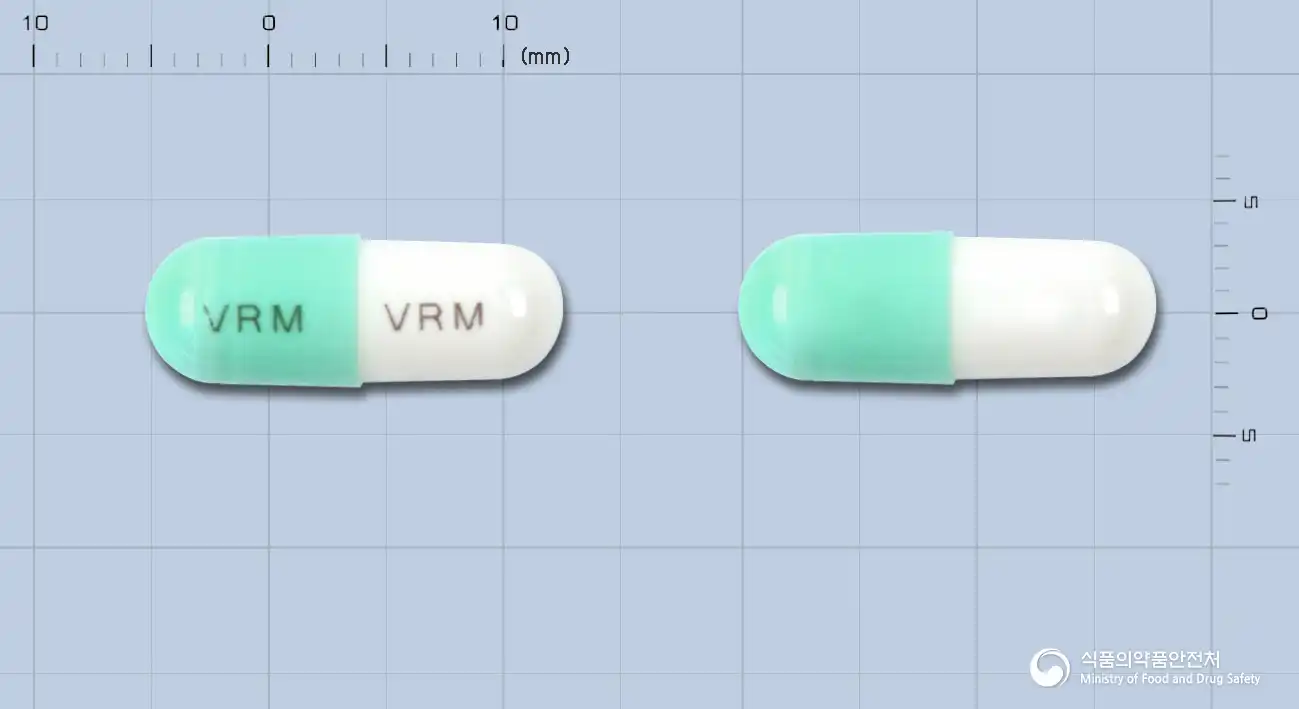
Ribavirin 100mg
Hard capsule · Prescription medication
Ilsung IS Co., Ltd.
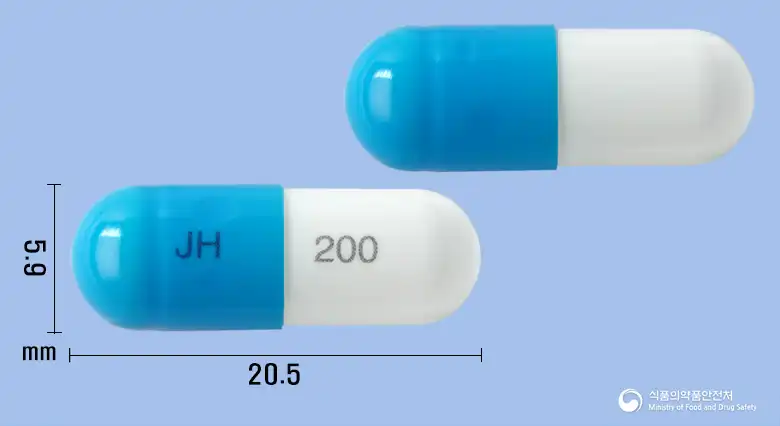
Ribavirin 200mg
Hard capsule · Prescription medication
Jungheon Pharmaceutical Co., Ltd.
Even with the same ingredient, the dose and directions can differ by strength and dosage form. Talk to a doctor or pharmacist before switching from a medication you are already taking.
No questions yet.
For anything that needs medical judgment, consult a doctor or pharmacist.
This drug information is based on data provided by the Korea Ministry of Food and Drug Safety.
Consult a doctor or pharmacist for accurate dosage, administration, and usage instructions.