
 한국어
 English
 日本語
 中文(简体)
Dosage form image
Viewing nowCombinationPotassium Dry Syrup [Amoxicillin-Clavulanate Potassium (7:1)]
Amoxicillin Hydrate 36.3143g · Dilute Potassium Clavulanate 10.3755g
Syrup · Prescription medication · Combination
Kukje Pharmaceutical Co., Ltd.
MFDS item code 200200313 · Notified 2002.07.23 · Insurance code 643702461
Treatment of infections of the respiratory tract and ear, nose, and throat; genitourinary tract; skin; bones; and teeth
This medication is an antibiotic effective against a variety of bacteria, including Staphylococcus aureus, Escherichia coli, and Streptococcus pneumoniae. It is used to treat respiratory infections such as acute and chronic bronchitis, pneumonia, tonsillitis, and sinusitis, and urinary tract infections such as cystitis, urethritis, and pyelonephritis. It is also effective for treating gonorrhea, pelvic infections, carbuncles, abscesses, soft tissue infections, and wound infections. It is used in the treatment of osteomyelitis and dental infections and is widely used for various infections. It is prescribed appropriately for the infection site and condition of the patient for therapeutic assistance.
Administer at the beginning of a meal to minimize potential gastrointestinal intolerance. Absorption of amoxicillin-clavulanate is optimized when administered at the beginning of a meal. <Preparation of this medicine> Add water to approximately 2/3 of the marked fill line and mix well, then add water up to the line and shake thoroughly before use.
For mild to moderate infections, the usual dose is 25 mg/3.6 mg per kg of body weight per day of amoxicillin/potassium clavulanate, taken in 2 divided doses. For severe infections, the usual dose is 45 mg/6.4 mg per kg of body weight per day of amoxicillin/potassium clavulanate, taken in 2 divided doses. The 7 : 1 syrup is not suitable for children under 2 months of age. The 7 : 1 syrup is not suitable for pediatric patients with renal impairment.
This drug is a beta-lactam antibiotic and should not be used in patients with a hypersensitivity to penicillins or cephalosporins. Special caution is necessary for patients with infectious mononucleosis or lymphocytic leukemia due to the higher risk of rashes. It should be avoided in patients with a history of liver dysfunction or jaundice due to the risk of recurrence. Additionally, patients with lactose intolerance or certain genetic metabolic disorders should not use this drug due to the lactose content. Patients with impaired liver function or severe renal impairment may have increased drug concentrations, thus dosing intervals should be adjusted or used carefully. Patients with allergic diathesis or those who easily develop bronchial asthma, skin rashes, etc., should also be cautious. Patients with difficulty in oral intake, the elderly, or those in poor general condition may exhibit symptoms of vitamin K deficiency, which needs to be monitored. In cases of gastrointestinal diseases presenting with vomiting or diarrhea, drug absorption may not occur properly. Taking this medication may cause gastrointestinal adverse reactions including diarrhea, gastrointestinal discomfort, vomiting, loss of appetite, and abdominal pain. If severe diarrhea or abdominal pain occurs, treatment should be immediately discontinued, and medical attention should be sought. Rarely, liver abnormalities like elevated liver enzymes or cholestatic jaundice may occur, so liver function tests should be conducted during long-term therapy. Serious skin reactions such as skin rashes, itching, or in severe cases, Stevens-Johnson syndrome have also been reported; these symptoms require immediate discontinuation of the medication. Changes in blood tests such as leukopenia or thrombocytopenia can also occur rarely, and thus, patients should be carefully monitored for signs of bleeding. Central nervous system side effects such as anxiety, confusion, or seizures can arise, and immediate reporting of such symptoms is essential. Kidney function abnormalities may occur, requiring kidney function tests as well. This medication can interact with other drugs; thus, patients taking anticoagulants, other antibiotics, anti-inflammatory drugs, or immunosuppressants should inform their healthcare provider. Pregnant women or those who may become pregnant should particularly avoid use during the first three months, and nursing mothers should also exercise caution due to potential adverse reactions in the baby. The safety of this medication for children, especially newborns or premature infants under 2 months of age, has not been established, so caution is advised. Elderly patients may exhibit more adverse reactions due to diminished body function, so dosage and intervals should be adjusted and monitored closely. This medication should be shaken well before use, stored in a sealed container to keep it away from air or moisture, and refrigerated post-preparation, using within 7 days. In case of overdose, symptoms like gastrointestinal distress, renal failure, seizures, or severe allergic reactions may occur; immediate medical attention is necessary. Long-term use of this medication may lead to antibiotic resistance, so it is important to take it only for the minimum necessary duration. Additionally, if diarrhea worsens during or after antibiotic use, the possibility of pseudomembranous colitis should prompt rapid contact with healthcare professionals.
Not everyone experiences these, and they can vary from person to person.
This drug must be stored in a tightly sealed container to prevent exposure to air or moisture. It should be kept in a cool place between 1 and 25 degrees Celsius.
A white powder with a unique smell that dissolves when used as a syrup.
50 milliliters/bottle
Even with the same ingredient, strength, dosage form and how it is taken can differ.
Amoxicillin Hydrate 36.3143g · Dilute Potassium Clavulanate 10.3755g
Syrup · Prescription medication · Combination
Kukje Pharmaceutical Co., Ltd.
 Combination
Amoxicillin Hydrate 500mg · Dilute Potassium Clavulanate 215.52mg
Tablet · Prescription medication · Combination
Geonil Pharmaceutical Co., Ltd.
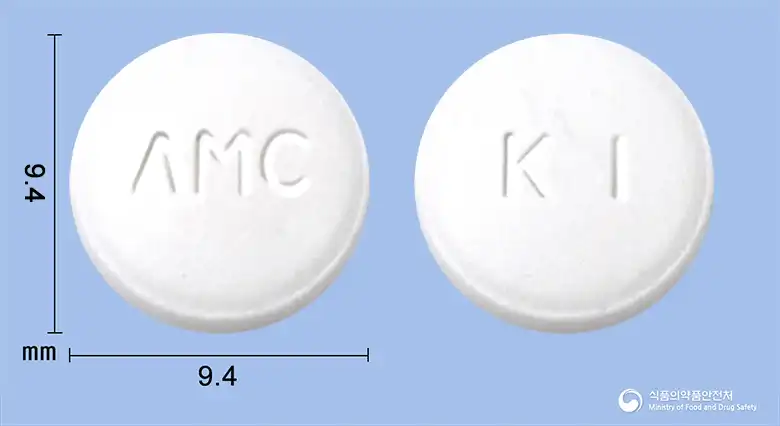 Combination
Amoxicillin Hydrate 125mg · Dilute Potassium Clavulanate 107.76mg
Tablet · Prescription medication · Combination
Geonil Pharmaceutical Co., Ltd.
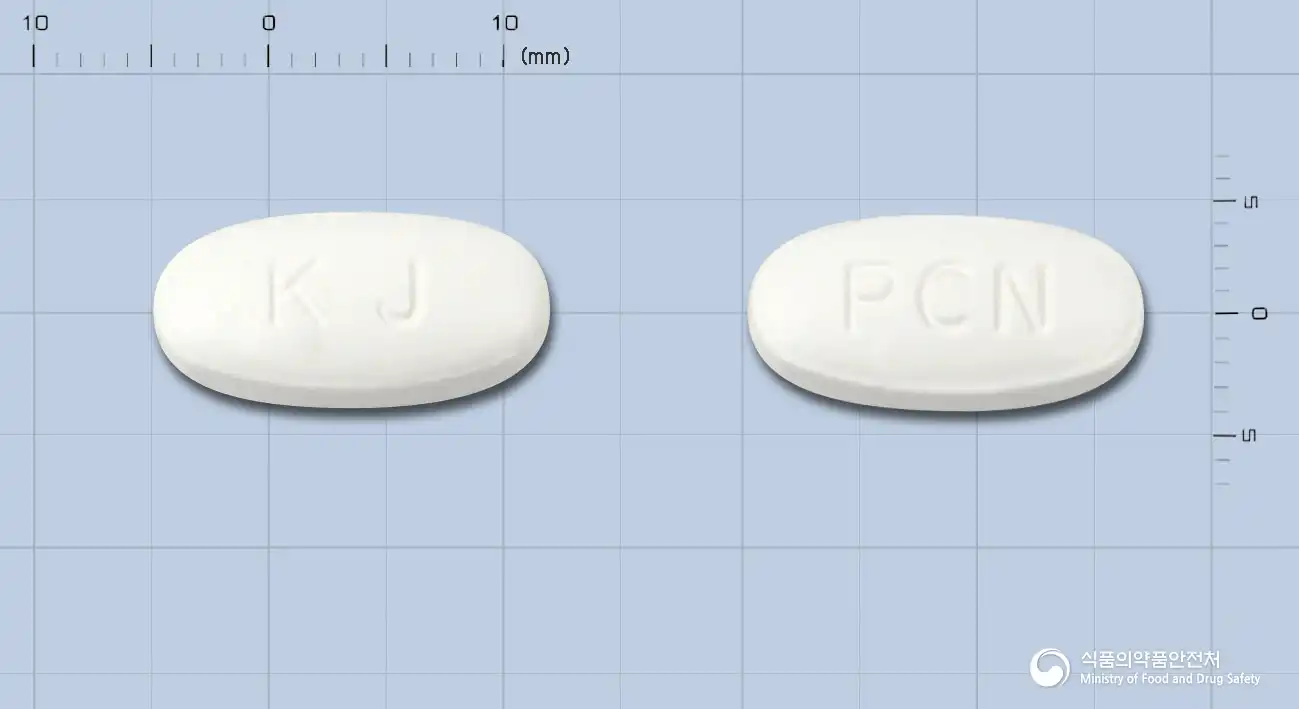 Combination
Amoxicillin Hydrate 250mg · Dilute Potassium Clavulanate 212.73mg
Tablet · Prescription medication · Combination
International Pharmaceutical Co., Ltd.
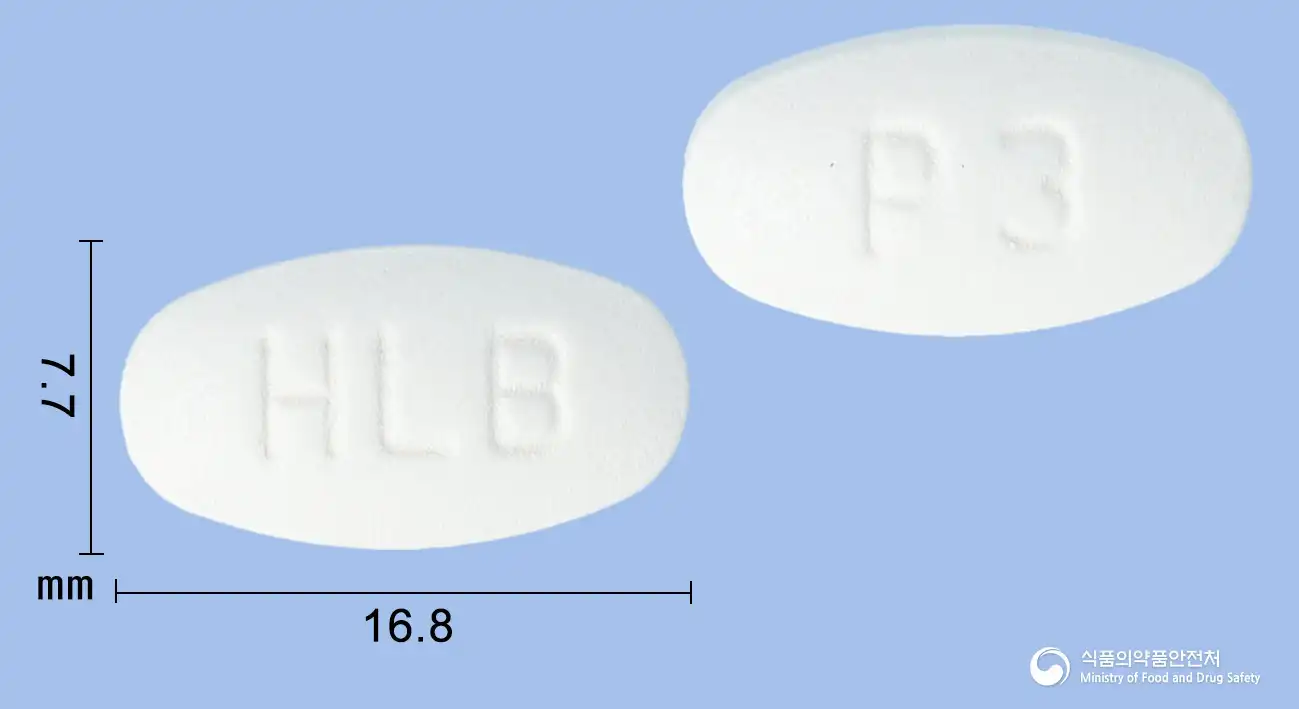 Combination
Amoxicillin Hydrate 250mg · Dilute Potassium Clavulanate 215.52mg
Tablet · Prescription medication · Combination
HLB Pharmaceutical Co., Ltd.
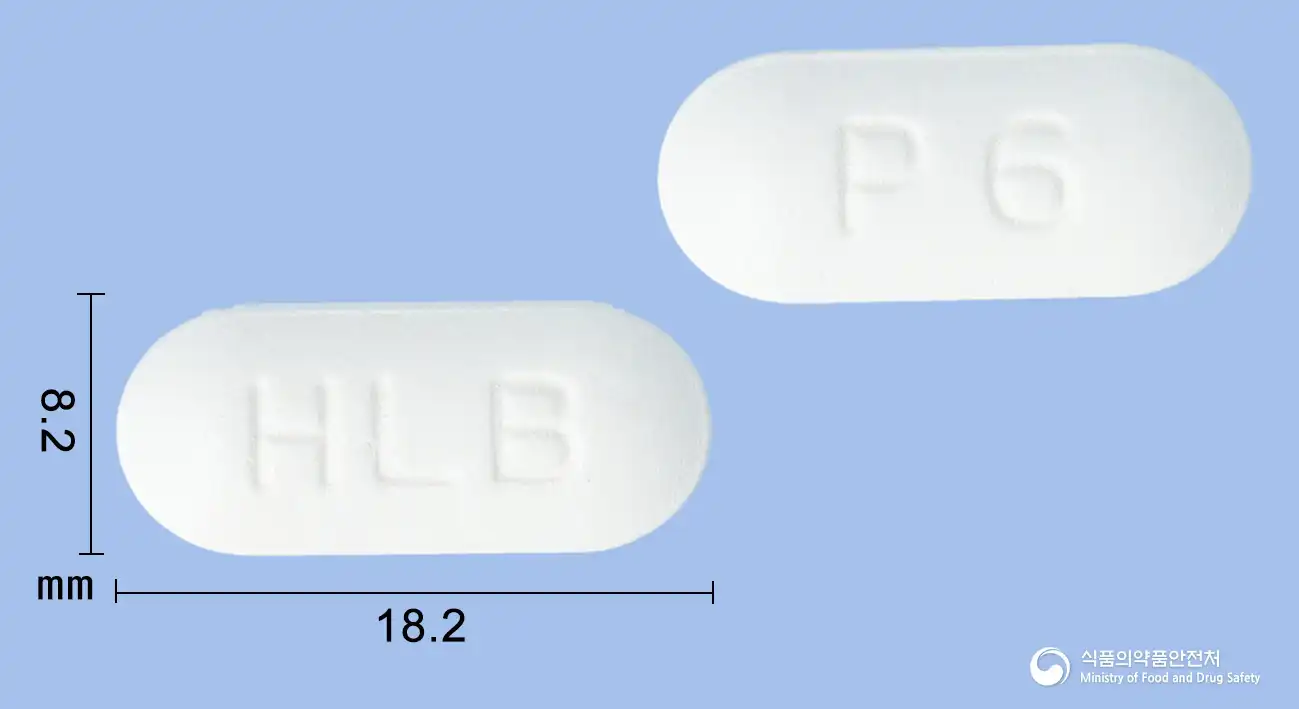 Combination
Amoxicillin Hydrate 500mg · Dilute Potassium Clavulanate 215.52mg
Tablet · Prescription medication · Combination
HLB Pharmaceuticals Co., Ltd.
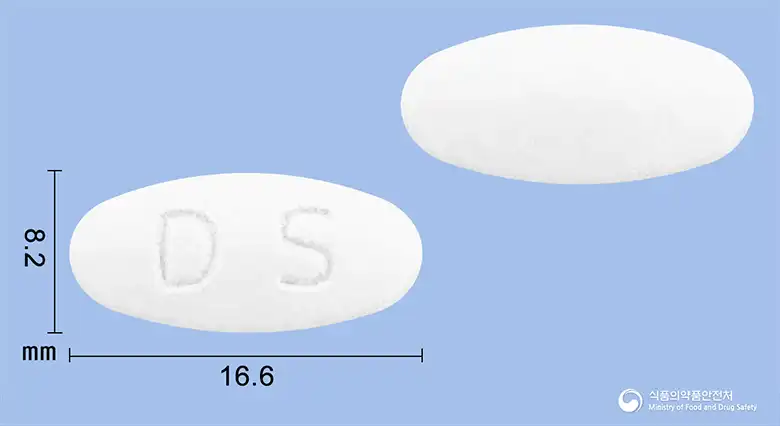 Combination
Amoxicillin Hydrate 250mg · Dilute Potassium Clavulanate 215.52mg
Tablet · Prescription medication · Combination
Dong Sung Pharmaceutical Co., Ltd.
 Combination
Amoxicillin Hydrate 250mg · Dilute Potassium Clavulanate 212.73mg
Tablet · Prescription medication · Combination
Youngjin Pharmaceutical Co., Ltd.
Even with the same ingredient, the dose and directions can differ by strength and dosage form. Talk to a doctor or pharmacist before switching from a medication you are already taking.
No questions yet.
For anything that needs medical judgment, consult a doctor or pharmacist.
This drug information is based on data provided by the Korea Ministry of Food and Drug Safety.
Consult a doctor or pharmacist for accurate dosage, administration, and usage instructions.