
 한국어
 English
 日本語
 中文(简体)
Dosage form image
Viewing nowCombinationSerevent Diskus 100
Salmeterol Xinafoate Micronized 72.5μg · Fluticasone Propionate Micronized 100μg
Prescription medication · Combination
GlaxoSmithKline Co., Ltd.
MFDS item code 199906870 · Approved 1999.07.24
This product's status changed to Approval withdrawn on 2024.10.30. It may no longer be sold, so consult a doctor or pharmacist before taking it.
Treatment of asthma
This medication is used to effectively treat the symptoms of asthma patients who require the combined use of a bronchodilator and inhaled corticosteroids.
This medication is for oral inhalation only and should be used every day for optimal effect, even when symptoms are absent. Patients should be assessed regularly to maintain the optimal dose of this medication. Patients should not change the dose on their own without advice from a physician or pharmacist. Use the lowest dose that effectively controls symptoms. If asthma symptoms are controlled with the lowest dose of this medication, inhaled corticosteroid monotherapy may be tried as the next step. Administer this medication containing an appropriate amount of fluticasone propionate according to the severity of the condition. If a dose higher than the recommended dose is required, an appropriate beta-agonist or corticosteroid should be prescribed. No dosage adjustment is necessary in elderly patients or patients with renal failure. There are no useful data on the use of this medication in patients with hepatic failure.
○ Adults and children aged 12 years and older: Inhale the following doses according to the severity of the condition. Salmeterol 50 μg + fluticasone propionate 100 μg twice daily, or Salmeterol 50 μg + fluticasone propionate 250 μg twice daily, or Salmeterol 50 μg + fluticasone propionate 500 μg twice daily ○ Children aged 4 ∼ 11 years: Inhale salmeterol 50 μg + fluticasone propionate 100 μg twice daily. ○ There are no useful data on the use of this medication in children under 4 years of age.
This medication should not be used in cases of acute asthma attacks or in patients with severely exacerbated asthma. The bronchodilator effect of this medication appears approximately 10 to 20 minutes after administration; therefore, a rapid-acting inhaler should be used in acute symptoms. This medication should not be used for the acute treatment of asthma or chronic obstructive pulmonary disease. If asthma symptoms suddenly worsen or if there is an increase in the use of rapid-acting inhalers, immediate medical advice should be sought. This medication is contraindicated in patients with a history of allergies to the drug or its components as well as in patients with cardiac arrhythmias, untreated lung infections, or moderate to severe bronchiectasis. Caution is advised when administering this drug to patients with specific conditions such as cardiovascular disease, diabetes, hyperthyroidism, seizure disorders, and pulmonary tuberculosis. Rarely, after inhalation, this medication can cause symptoms such as wheezing or sudden tightening of the airways, so if these symptoms appear, use should be immediately stopped and consultation with a doctor should be sought. Common side effects may include palpitations, headache, muscle pain, oral candidiasis (thrush), and hoarseness; rinsing the mouth after inhalation can help. The risk of cardiac side effects may increase when used in combination with other beta-2 agonists or certain medications, so caution is necessary when combining treatments. During pregnancy, the benefits and risks to the fetus should be weighed under a doctor's guidance, and during breastfeeding, it should be used cautiously at dosages that have minimal impact on the newborn. Safety and effectiveness in children under 4 years of age has not been established, and there may be systemic side effects such as growth retardation, particularly with long-term high-dose therapies. Elderly patients may be at increased risk for cardiovascular adverse reactions and should be monitored closely during use. In cases of overdose, symptoms such as cardiac arrhythmias, headache, tremors, and hypokalemia may occur, requiring immediate medical evaluation, and dosages should be within approved ranges. This medication is intended for inhalation only, and the oral route will not be effective; thus, it must be used correctly with the inhaler, and after inhalation, the mouth should be rinsed or rinsed with water to prevent oral candidiasis. Patients should always carry a rapid-acting inhaler for emergencies during treatment and consult healthcare providers at the first sign of worsening symptoms. This medication should be stored away from light due to its sensitivity to light and kept in a container that does not allow light in. Additionally, it is better to store the medication at room temperature between 1 and 30 degrees Celsius to maintain its efficacy over time.
Not everyone experiences these, and they can vary from person to person.
This medication is sensitive to light, so it should be stored in an opaque container. Additionally, it is recommended to keep the medication at room temperature between 1 degree and 30 degrees Celsius. This helps to maintain the medication's effectiveness for a longer period.
The inhaler is a purple circular plastic device filled with a white powder.
60 doses / container
Even with the same ingredient, strength, dosage form and how it is taken can differ.
Salmeterol Xinafoate Micronized 72.5μg · Fluticasone Propionate Micronized 100μg
Prescription medication · Combination
GlaxoSmithKline Co., Ltd.
Salmeterol Xinafoate Micronized 72.5μg · Fluticasone Propionate Micronized 500μg
Prescription medication · Combination
GlaxoSmithKline Co., Ltd.
Salmeterol Xinafoate Micronized 72.5μg · Fluticasone Propionate Micronized 250μg
Prescription medication · Combination
GlaxoSmithKline Co., Ltd.
Salmeterol Xinafoate Micronized 48.333mg · Fluticasone Propionate Micronized 66.667mg
Suspension · Prescription medication · Combination
GlaxoSmithKline Co., Ltd.
Salmeterol Xinafoate Micronized 48.333mg · Fluticasone Propionate Micronized 166.667mg
Suspension · Prescription medication · Combination
GlaxoSmithKline Co., Ltd.
Fluticasone Propionate Micronized 333.333mg · Salmeterol Xinafoate Micronized 48.333mg
Suspension · Prescription medication · Combination
GlaxoSmithKline Co., Ltd.
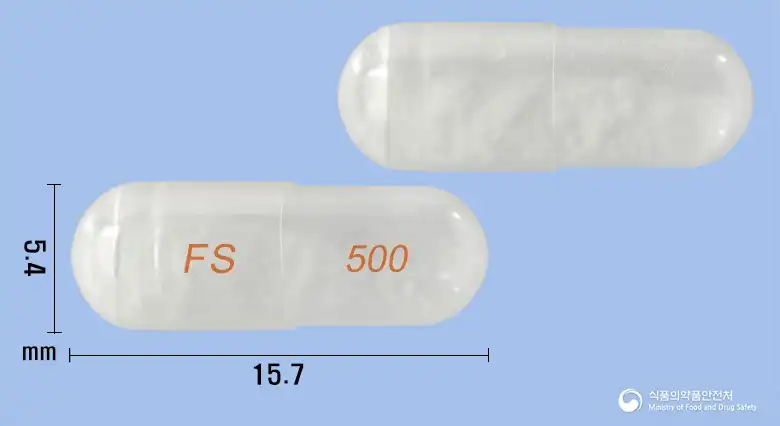 Combination
Salmeterol Xinafoate Micronized 72.5μg · Fluticasone Propionate Micronized 500μg
Prescription medication · Combination
Hanmi Pharmaceutical Co., Ltd.
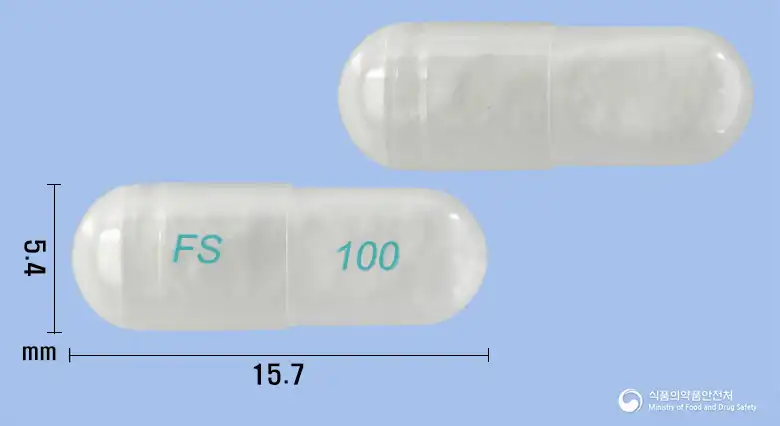 Combination
Salmeterol Xinafoate Micronized 72.5μg · Fluticasone Propionate Micronized 100μg
Prescription medication · Combination
Hanmi Pharmaceutical Co., Ltd.
Even with the same ingredient, the dose and directions can differ by strength and dosage form. Talk to a doctor or pharmacist before switching from a medication you are already taking.
No questions yet.
For anything that needs medical judgment, consult a doctor or pharmacist.
This drug information is based on data provided by the Korea Ministry of Food and Drug Safety.
Consult a doctor or pharmacist for accurate dosage, administration, and usage instructions.