
 한국어
 English
 日本語
 中文(简体)
Dosage form image
Viewing nowInnoen Vancomycin Hydrochloride Injection 1 Gram
Vancomycin Hydrochloride 1g
Injections · Prescription medication
HK Innoen Co., Ltd.
MFDS item code 199801381 · Notified 1998.11.18 · Insurance code 640002281
Treatment of bacterial infections (including endocarditis), respiratory infections, enteritis, and pseudomembranous colitis
This medication is used primarily to treat enterocolitis caused by staphylococci and antibiotic-associated pseudomembranous colitis caused by Clostridium difficile. The injectable form of this drug is effective against various bacterial strains, including streptococci, staphylococci, Clostridium difficile, and diphtheroids. It is used to treat severe infections such as endocarditis, osteomyelitis, arthritis, peritonitis, meningitis, secondary infections from burns and surgical wounds, pneumonia, sepsis, lung abscess, and empyema. It is also effective for severe infections that are difficult to treat with penicillin or cephalosporin antibiotics. When administered orally, it is used to treat enterocolitis and pseudomembranous colitis caused by antibiotics. Therefore, this drug is used to improve various bacterial infections.
(Capsules) ○ Adults: Administer 500 mg (potency) of vancomycin orally in divided doses for 7–10 days. In severe cases, 2 g (potency) per day may be given in 3–4 divided doses. The total daily dose should not exceed 2 g. (Injection) 1. Adults: Administer 500 mg (potency) of vancomycin by intravenous infusion every 6 hours, or 1 g (potency) every 12 hours. 3. Patients with renal impairment and elderly patients: Dose reduction may be necessary in patients with renal impairment. Premature infants and elderly patients may require greater dose reductions than expected because of decreased renal function. Creatinine clearance (mL/min) / Vancomycin dose (mg/day) 100 / 1545 90 / 1390 80 / 1235 70 / 1080 60 / 925 50 / 770 40 / 620 30 / 465 20 / 310 10 / 155 This table is not applicable to patients with nearly complete cessation of renal function. To rapidly achieve therapeutic serum concentrations in these patients, an initial dose of 15 mg/kg body weight should be administered. The dose required to maintain stable concentrations is 1.9 mg/kg body weight per day. For patients with marked renal failure, it may be more convenient to administer a maintenance dose of 250–1000 mg every few days rather than daily. For anuria, a dose of 1000 mg every 7–10 days is recommended. 4. Oral administration for the treatment of enterocolitis and antibiotic-associated pseudomembranous colitis caused by Clostridium difficile Oral vancomycin hydrochloride is used to treat antibiotic-associated pseudomembranous colitis caused by Clostridium difficile and staphylococcal enterocolitis. This medication is not effective when given orally for other types of infection. For systemic infections, it is administered by intravenous injection. The usual adult dose is 500–2000 mg per day in 3–4 divided doses for 7–10 days. The total daily dose should not exceed 2 g. The appropriate dose may be diluted in approximately 30 g of water and taken orally; the diluted solution may also be administered through a nasogastric tube. Adjust the dose as appropriate according to age, body weight, and symptoms. <Preparation of this medication> 1. Preparation of the reconstituted solution Prepare the reconstituted solution by adding 10 mL of Sterile Water for Injection to each 500 mg (potency) of this medication. The concentration of the reconstituted solution is 50 mg/mL. 2. Preparation of the injection solution Dilute the reconstituted solution by adding 100–200 mL of Normal Saline Injection or 5% Dextrose Injection per 500 mg of this medication. <Precautions for administration> 1. Intermittent infusion: Administer the prepared injection solution by intravenous infusion over at least 60 minutes. 2. Continuous infusion: Use only when intermittent infusion is difficult. Administer the prepared injection solution by slow intravenous infusion over 24 hours or longer. 3. Administration at a concentration of 5 mg/mL or less and a rate of 10 mg/min or less is recommended. 4. A concentration of up to 10 mg/mL may be used in certain patients who require fluid restriction. Use at this higher concentration may increase the risk of infusion-related adverse reactions.
(Capsules) ○ Children: Administer 40 mg (potency)/kg body weight per day orally in 3–4 divided doses for 7–10 days. The total daily dose should not exceed 2 g. (Injection) 2. Children: Administer 10 mg (potency)/kg body weight by intravenous injection every 6 hours. Infants: Administer 10–15 mg (potency)/kg body weight by intravenous injection every 12 hours. For infants and neonates, an initial dose of 15 mg/kg body weight is recommended. For neonates during the first week of life, administer 10 mg (potency)/kg body weight every 12 hours; thereafter, through 1 month of age, administer every 8 hours by intravenous injection.
This medication should not be used in patients who have had an allergic reaction to it or its components. Caution is needed when using this drug in patients allergic to peptide or aminoglycoside antibiotics, those with hearing issues, poor kidney function, the elderly, and patients with damage to the vestibular or cochlear organs. When using this drug, serious allergic reactions such as shock may occur, so symptoms should be closely monitored, and if any abnormal symptoms appear, administration should be stopped immediately, and appropriate treatment should be provided. Routine blood tests are important as white blood cell or platelet counts may decrease. Hearing-related side effects such as hearing loss or tinnitus have been reported, so regular hearing tests are advisable. Kidney function may decline, so frequent tests for kidney function should be performed, and if abnormalities are detected, dosage adjustments or cessation should be considered. With prolonged use, resistant bacteria may develop or abnormal bacterial proliferation may lead to diarrhea or gastrointestinal inflammation, so symptoms should be closely monitored. This medication can cause severe skin reactions, such as Stevens-Johnson syndrome or toxic epidermal necrolysis, so if any skin abnormalities occur, administration should be stopped immediately. Pregnant or nursing women should use this medication cautiously, as it can affect the fetus or newborn, and should consult with a physician prior to use. Elderly patients may have decreased kidney function, so kidney function tests should be done before and during administration, with dosage adjustments made as necessary. Overdose of this medication can result in serious side effects such as renal failure or hearing loss, so in case of overdose, immediate medical attention should be sought. This medication can increase the risk of side effects when used with other neurotoxic or nephrotoxic drugs, so caution is particularly necessary with concomitant administration. When used with anticoagulants, it may affect blood coagulation, so frequent blood tests to monitor status and dosage adjustments may be necessary.
Shock, hypotension, discomfort, dysgeusia, wheezing, dizziness, bowel movements, tinnitus, sweating, neutropenia, thrombocytopenia, agranulocytosis, hearing loss, tinnitus, elevated serum creatinine, elevated BUN, renal failure, interstitial nephritis, anaphylaxis, drug-induced fever, flushing, nausea, loss of appetite, chills, cold sensation, eosinophilia, pancytopenia, interstitial pneumonia, acute renal failure, hepatic dysfunction, muscle cramps, upper body erythema, rash, urticaria, itching, exfoliative dermatitis, Stevens-Johnson syndrome, toxic epidermal necrolysis, drug rash (DRESS), acute generalized exanthematous pustulosis (AGEP), vasculitis, vestibular nerve disorder, colitis with pseudomembrane, jaundice, elevated AST, elevated ALT, elevated ALP, stomatitis, glossitis, hypotension, loose stools, diarrhea, vomiting, abdominal pain, decreased red blood cells, decreased white blood cells, dizziness, hearing impairment, elevated bilirubin, elevated LDH, elevated γ-GTP, elevated LAP, exfoliative dermatitis, vesicular dermatitis, rash, purpuric rash, vesicular rash, fever, vascular pain, thrombophlebitis, vasculitis, maculopapular rash, hypotension, wheezing, dyspnea, urticaria, drug hypersensitivity syndrome (DRESS), acute generalized exanthematous pustulosis (AGEP), Red Man syndrome, chest and abdominal pain, muscle cramps, acute renal failure, hearing loss, tubular necrosis
Not everyone experiences these, and they can vary from person to person.
This medication should be stored in a tightly sealed container to prevent air or moisture exposure. It is advisable to keep it at room temperature, away from direct sunlight, and in an environment that is not excessively hot or cold.
A colorless, transparent vial filled with white to pale yellow-brown freeze-dried powder for injection.
1 vial (1g potency) x 10/carton
Even with the same ingredient, strength, dosage form and how it is taken can differ.
Vancomycin Hydrochloride 1g
Injections · Prescription medication
HK Innoen Co., Ltd.
Vancomycin Hydrochloride 500mg
Injections · Prescription medication
HK Innoen Co., Ltd.
Vancomycin Hydrochloride 500mg
Injections · Prescription medication
Aprogen Pharmaceuticals Co., Ltd.
Vancomycin Hydrochloride 500mg
Injections · Prescription medication
Yuyoung Pharmaceutical Co., Ltd.
Vancomycin Hydrochloride 500mg
Injections · Prescription medication
Oskorea Pharmaceutical Co., Ltd.
Vancomycin Hydrochloride
Prescription medication
International Pharmaceutical Co., Ltd.
Vancomycin Hydrochloride 1g
Injections · Prescription medication
Aprogen Biosciences, Co., Ltd.
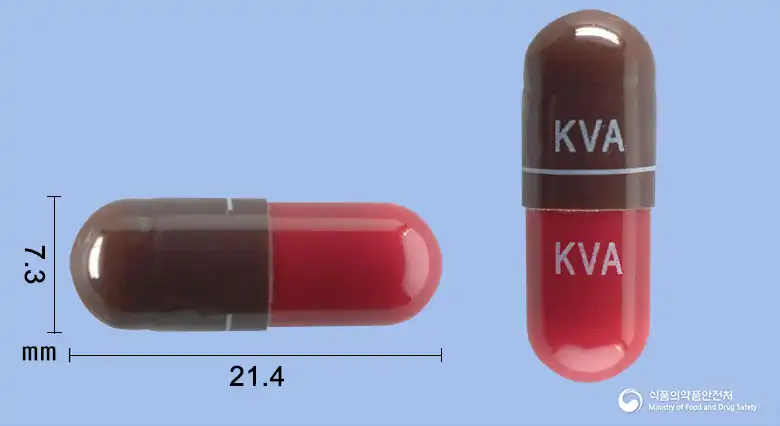
Vancomycin Hydrochloride 250mg
Hard capsule · Prescription medication
Korea United Pharm., Ltd.
Even with the same ingredient, the dose and directions can differ by strength and dosage form. Talk to a doctor or pharmacist before switching from a medication you are already taking.
No questions yet.
For anything that needs medical judgment, consult a doctor or pharmacist.
This drug information is based on data provided by the Korea Ministry of Food and Drug Safety.
Consult a doctor or pharmacist for accurate dosage, administration, and usage instructions.