
 한국어
 English
 日本語
 中文(简体)
 Viewing now
Lafren Soft Capsules 50mg (Clofazimine)
Clofazimine 50mg
Soft capsule · Prescription medication
(J) Taejun Pharmaceutical
MFDS item code 198601341 · Notified 1986.12.17
Treatment of Hansen's disease and leprosy reactions (erythema nodosum leprosum)
This medication is used for the treatment of various forms of leprosy, including lepromatous leprosy, borderline leprosy, and leprosy reactions such as erythema nodosum leprosum.
1. Lepromatous leprosy and borderline leprosy Administer clofazimine 50 mg once daily or 100 mg three times a week. 2. Leprosy reactions, such as erythema nodosum leprosum Administer 300 mg of this drug once daily, usually for 3 months. If a leprosy reaction occurs during treatment, gradually reduce the dose immediately to the level at which the suppressive effect on the reaction is adequately maintained. Do not administer a daily dose of 300 mg or more for longer than 3 months. In principle, administer in combination with other antileprosy drugs. Take with food or milk. Adjust the dose as appropriate according to body weight and the severity of disease progression.
This drug should not be administered to patients who have had hypersensitivity reactions to this medication or its components. Additionally, individuals with allergies to soybean oil, soy, or peanuts should not take this medication. Patients with gastrointestinal disorders or issues with kidney and liver function, as well as pregnant or nursing women, should use this drug cautiously. Patients with abnormalities in fat metabolism, hyperlipoproteinemia, diabetic dyslipidemia, or pancreatitis should also exercise caution. This medication may cause skin-related side effects such as skin discoloration, dryness, itching, and rashes. Gastrointestinal symptoms may include abdominal pain, nausea, vomiting, diarrhea, or constipation. Eye-related side effects such as discoloration, dryness, irritation, or vision impairment may occur, so caution is advised. Neurological symptoms such as dizziness, headaches, or drowsiness may also occur. Abnormal liver function or blood-related side effects and issues with the circulatory system have been reported, so monitoring of the condition is crucial. Severe allergic reactions due to soy or soy lecithin may occur, so if symptoms arise, notify healthcare personnel immediately. Long-term use of high doses may lead to serious problems such as intestinal obstruction or splenic infarction, so consult with healthcare professionals if symptoms like abdominal pain or diarrhea occur. In cases of severe diarrhea or vomiting, hospitalization may be required. Patients with a history of kidney or liver disease or those on long-term medication should have regular check-ups. Depression may occur due to skin discoloration, so changes in mental state should also be monitored. Skin discoloration can persist for several months to years after discontinuation of the medication and may worsen with sun exposure. Patients may experience decreased vision, fatigue, and drowsiness while taking this medication, so driving or operating dangerous machinery should be avoided. Patients at risk of fat overload should regularly check plasma lipid levels to adjust the dosage of the medication. When used with other lipid medications, the dosage should be adjusted to prevent side effects due to excessive lipids. There is a risk of QT prolongation and cardiac arrhythmias; therefore, an electrocardiogram is necessary, especially when taking high doses or medications that cause QT prolongation. If serious heart problems are detected, medication should be stopped immediately. Women who are pregnant or may become pregnant should consult a healthcare provider before taking this medication, and it is advisable to avoid use during the first three months of pregnancy. This medication may cause skin discoloration in fetal or infant children; therefore, nursing mothers should avoid taking it or discontinue breastfeeding. Elderly patients may have diminished bodily functions, making them more susceptible to adverse effects, so careful observation while dosing is necessary. In cases of overdose, since there are no specific antidotes, emergency treatment and symptom-based care such as inducing vomiting or gastric lavage should be administered. This medication should be kept out of the reach of children, away from direct sunlight, and stored in a cool, dry place.
Not everyone experiences these, and they can vary from person to person.
This medication should be stored in a cool, dry place without moisture. This helps maintain the medication's effectiveness and prevents degradation.
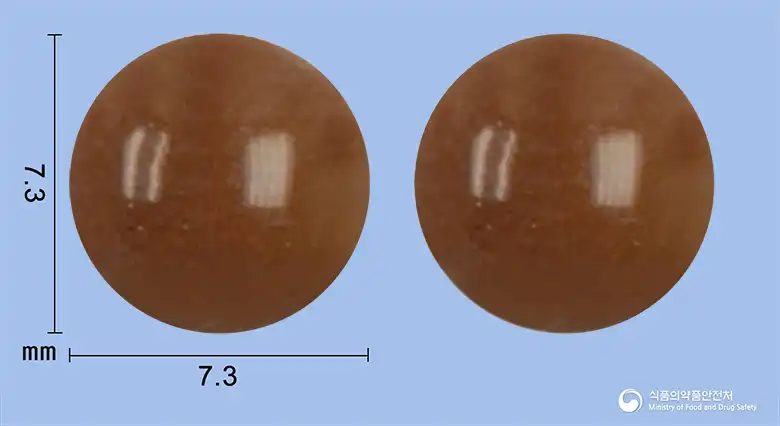
Brownish-red round soft capsule
30 capsules/bottle, 500 capsules/bottle, (for government supply: 500 capsules/bottle)
Even with the same ingredient, strength, dosage form and how it is taken can differ.
Even with the same ingredient, the dose and directions can differ by strength and dosage form. Talk to a doctor or pharmacist before switching from a medication you are already taking.
No questions yet.
For anything that needs medical judgment, consult a doctor or pharmacist.
This drug information is based on data provided by the Korea Ministry of Food and Drug Safety.
Consult a doctor or pharmacist for accurate dosage, administration, and usage instructions.