
 한국어
 English
 日本語
 中文(简体)
 Viewing now
Tricef Capsule 500 mg (Cefradine Hydrate)
Cefradine Hydrate 500mg
Hard capsule · Prescription medication
International Pharmaceutical Co., Ltd.
MFDS item code 198300132 · Notified 1983.05.27 · Insurance code 643702320
Treatment of respiratory and middle ear infections, genitourinary infections, and skin and soft tissue infections
This medication is effective against various types of bacteria including staphylococcus, streptococcus pneumoniae, and influenza bacillus. The capsule and dry syrup forms are used for respiratory diseases such as tonsillitis, pharyngitis, pneumonia, and bronchitis, as well as for urinary tract infections such as cystitis, pyelonephritis, urethritis, and prostatitis. It is also effective for treating abscess, soft tissue infections, furunculosis, purulent dermatitis, and otitis media. The injectable form is utilized for the treatment of osteomyelitis and sepsis in addition to these infections. This medication helps improve diseases caused by various bacterial infections.
(Capsules)(Dry syrup) Adults 1) Skin and soft tissue infections, respiratory tract infections: Depending on severity, administer 250mg~500mg (potency) of cephradine orally per dose 4 times daily, or 500mg~1g (potency) twice daily. 2) Urinary tract infections: For uncomplicated urinary tract infections, administer 500mg (potency) per dose twice daily; for severe urinary tract infections, administer 500mg (potency) per dose 4 times daily or 1g (potency) per dose twice daily. Severe infections may also require an extended treatment period and intensive treatment. Patients with renal impairment 1) For patients not undergoing hemodialysis, administer as follows. Creatinine clearance (mL/min) / Dose per administration (mg) / Dosing interval (hours) >20 / 500 / 6~12 15~20 / 250 / 12~24 10~14 / 250 / 24~40 5~9 / 250 / 40~50 <5 / 250 / 50~70 2) For patients undergoing chronic, intermittent hemodialysis, administer an initial dose of 250mg (potency) when hemodialysis is started, followed by 250mg (potency) 6~12 hours later and 36~48 hours later. Then administer 250mg at the next hemodialysis session (only if at least 30 hours have elapsed since the most recent dose). Adjust the dose appropriately according to age and symptoms. (Injection) Adults: Administer 2~4g (potency) of cephradine per day intravenously or intramuscularly in 4 divided doses. For bone infections, administer 1g (potency) per dose intravenously 4 times daily. For most infections, administer 500mg (potency) per dose intravenously or intramuscularly 4 times daily. For severe infections (such as sepsis), the dose may be increased to 8g (potency) per day. Patients with renal impairment 1) For patients not undergoing hemodialysis, follow the table for capsules and dry syrup. 2) For patients undergoing chronic, intermittent hemodialysis, administer an initial dose of 250mg (potency) when hemodialysis is started, followed by 250mg (potency) 6~12 hours later and 36~48 hours later. Administer 250mg (potency) before the start of the next hemodialysis session if at least 30 hours have elapsed since the previous dose. Adjust the dose appropriately according to age and symptoms. As with other antibiotics, treatment should generally continue for at least 48~72 hours after symptoms resolve or evidence of bacterial eradication appears. For group A beta-hemolytic streptococcal infections, administration for at least 10 days is recommended to prevent the risk of rheumatic fever or glomerulonephritis. For intravenous injection, dissolve each 500mg (potency) of this drug in 5mL of water for injection, 5% dextrose injection, or normal saline, and inject intravenously over 3~5 minutes. For intravenous infusion, dissolve in an infusion solution such as 5% or 10% dextrose injection or normal saline and administer by intravenous infusion. For intramuscular injection, dissolve each 500mg (potency) in 2.0mL of water for injection or normal saline and inject intramuscularly.
Children: Administer 25~50mg (potency) per Kg of body weight per day orally in 2~4 divided doses. Do not exceed 4g (potency) per day or the adult dose. For otitis media, administer 75~100mg (potency) per Kg of body weight per day in 2~4 divided doses. Do not exceed 4g (potency) per day or the adult dose. Administration to infants 9 months of age or younger is not recommended. Children: 50~100mg (potency) per Kg of body weight per day may be administered intravenously or intramuscularly in 4 divided doses, but the adult dose should not be exceeded.
This medication should not be used in patients who have experienced severe allergic reactions or shock from its use in the past. Patients who have had allergic reactions to this medication or to cephalosporin antibiotics should generally avoid its use; however, if it is absolutely necessary, it must be used with extreme caution. Patients with allergies to penicillin antibiotics should also be cautious when using this medication. Patients with a family history of allergic symptoms such as bronchial asthma, skin rash, or urticaria should be careful when administering this medication. Special caution is required when administering this medication to patients with severe kidney impairment, and regular tests need to be conducted to closely monitor kidney function. Patients who have difficulty with oral intake, who are malnourished, elderly, or have poor overall health may show signs of vitamin K deficiency and should be carefully monitored. While using this medication, allergic reactions may manifest as rashes, urticaria, itching, and fever, and if these symptoms arise, administration should be immediately halted and appropriate treatment sought. Severe colitis may rarely occur in the gastrointestinal system, so if abdominal pain or diarrhea occurs, the medication should be stopped immediately and medical advice sought. If respiratory symptoms such as fever, asthma, coughing, or difficulty breathing appear, administration should also be discontinued and treatment should be sought. Blood tests may show decreases in white blood cells or platelets and anemia, so if any abnormal symptoms arise, appropriate tests should be performed. Severe skin reactions may rarely occur, so if rashes or severe inflammation develops, medical professionals should be notified immediately. Liver dysfunction may occur, so liver function tests are necessary, and sudden deterioration of kidney function can happen, making regular checks crucial. Oral infections such as stomatitis or candidiasis may develop, so the state of the mouth should be closely monitored. Vitamin K deficiency may lead to bleeding tendencies; therefore, if any bleeding symptoms occur, medical professionals should be notified immediately. To prevent the occurrence of resistant bacteria, it is advisable to perform sensitivity tests and administer the medication only for the minimum required duration. To prevent anaphylactic shock, sufficient history taking and skin reaction tests should be performed before administration, and patients should be closely monitored for stability after administration. When used in conjunction with diuretics or certain antibiotics, it can affect kidney function, so careful management is necessary during combined use. Women who are pregnant or may become pregnant should carefully consider the benefits and risks of using this medication, and breastfeeding women should also use it cautiously. It is advisable not to administer this medication to infants, especially those under 9 months of age, and safety has not been established in premature or newborns. Elderly patients, due to decreased physical function, may experience adverse reactions more easily, thus dosages and intervals should be adjusted and their condition monitored closely. This medication may cause false positive results in some urine tests, so caution is needed when interpreting test results. When used as an injectable, there may be temporary pain at the injection site or thrombophlebitis, so attention should be paid, and the injection methods must be strictly followed.
shock
Not everyone experiences these, and they can vary from person to person.
This medication may be sensitive to air or moisture and should be stored in a tightly closed container at room temperature. It is better to avoid direct sunlight and store it in areas that are not too hot or too cold.
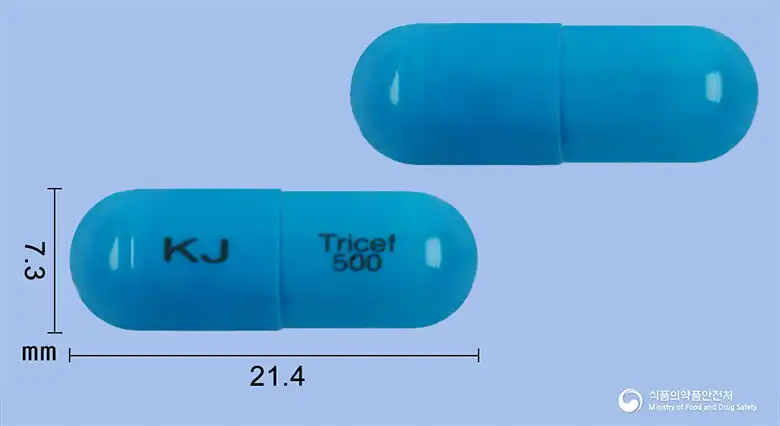
A blue capsule containing white or slightly yellow crystallized powder
30 capsules/bottle, 100 capsules/bottle, 500 capsules/bottle
Even with the same ingredient, strength, dosage form and how it is taken can differ.
Viewing nowCefradine Hydrate 500mg
Hard capsule · Prescription medication
International Pharmaceutical Co., Ltd.
Cefradine Hydrate
Prescription medication
Il Sung IS Co., Ltd.
Cefradine Hydrate
Prescription medication
Ilseong IS Co., Ltd.
Cefradine Hydrate
Prescription medication
Il Sung IS Co., Ltd.
Cefradine Hydrate
Prescription medication
Il Sung IS Co., Ltd.
Cefradine Hydrate
Prescription medication
Il Sung IS Co., Ltd.
Cefradine Hydrate
Prescription medication
International Pharmaceutical Co., Ltd.
Cefradine Hydrate
Prescription medication
Ildong Pharmaceutical Co., Ltd.
Even with the same ingredient, the dose and directions can differ by strength and dosage form. Talk to a doctor or pharmacist before switching from a medication you are already taking.
No questions yet.
For anything that needs medical judgment, consult a doctor or pharmacist.
This drug information is based on data provided by the Korea Ministry of Food and Drug Safety.
Consult a doctor or pharmacist for accurate dosage, administration, and usage instructions.