
 한국어
한국어 English
 日本語
日本語 中文(简体)
 Viewing nowCombination
Empagliflozin and Metformin Prolonged-Release Tablet 5/1000 mg (Empagliflozin, Metformin)
Empagliflozin 5mg · Metformin Hydrochloride 1000mg
Tablet · Prescription medication · Combination
Dong-A ST Co., Ltd.
MFDS item code 202501722 · Approved 2025.07.09 · Insurance code 642507890
Effectiveness in controlling blood sugar in adults with type 2 diabetes and preventing cardiovascular events
This medication is used to assist in blood sugar control in adult patients with type 2 diabetes by combining empagliflozin and metformin. It is taken as an adjunct to diet and exercise therapy to effectively manage blood sugar levels. It is particularly suitable for patients whose blood sugar is not sufficiently controlled, and caution is needed in patients with cardiovascular diseases due to the risk of cardiovascular events. This medication helps improve blood sugar control in patients with type 2 diabetes and aids in the prevention of complications.
The dosage of this medication should not exceed the maximum daily dosage of 25 mg of empagliflozin and 2000 mg of prolonged-release metformin hydrochloride. This medication should be taken once daily in the evening with meals to reduce gastrointestinal adverse reactions associated with metformin. The 10/1000 mg or 25/1000 mg prolonged-release tablets are taken once daily at a dose of 1 tablet. The 5/1000 mg prolonged-release tablets or the 12.5/1000 mg tablets are taken once daily at a dose of 2 tablets.
This medication is used for the treatment of diabetes, with the main ingredients being empagliflozin and metformin. Caution is required when taking this medication as it can cause a rare side effect called lactic acidosis. Lactic acidosis is a serious condition caused by excessive buildup of lactic acid in the blood, symptoms of which may include vomiting, abdominal pain, muscle pain, and shortness of breath. Additionally, if taken with other diabetes medications, hypoglycemia symptoms may occur, so blood sugar levels should be monitored closely. This medication should not be taken by patients with moderate to severe renal impairment or acute renal injury. Regular monitoring of renal function is important. Discontinuation of this medication is necessary in cases of acute infection, dehydration, pre- and post-surgical situations, heart failure, or other serious health conditions, and it can be restarted once health improves. This medication may increase the risk of genital and urinary tract infections, so immediate consultation with healthcare professionals is advised if any infection symptoms appear. The metformin component may lower vitamin B12 levels, so it is advisable to check vitamin B12 levels regularly during long-term use. Women who are pregnant, may become pregnant, or are breastfeeding should not take this medication. Elderly patients, especially those over 75 years of age, should be especially cautious due to higher risks of fluid loss and renal impairment. Tablets should not be broken, crushed, or chewed, and should be swallowed whole; it is normal for the tablet coating to be excreted in the stool. In the event of overdose, there is a risk of hypoglycemia or lactic acidosis, so it is important to adhere to the prescribed dosage and notify healthcare providers immediately if any abnormal symptoms occur. It is advisable to avoid alcohol consumption while taking this medication, and blood sugar and renal function should be monitored regularly. Finally, this medication can interact with several other drugs, so it is essential to inform healthcare providers of any other medications being taken.
Not everyone experiences these, and they can vary from person to person.
This medication may be sensitive to air or moisture; therefore, it should be stored in a tightly sealed container. The recommended storage temperature is at room temperature between 1°C and 30°C. This helps maintain the efficacy and safety of the medication.
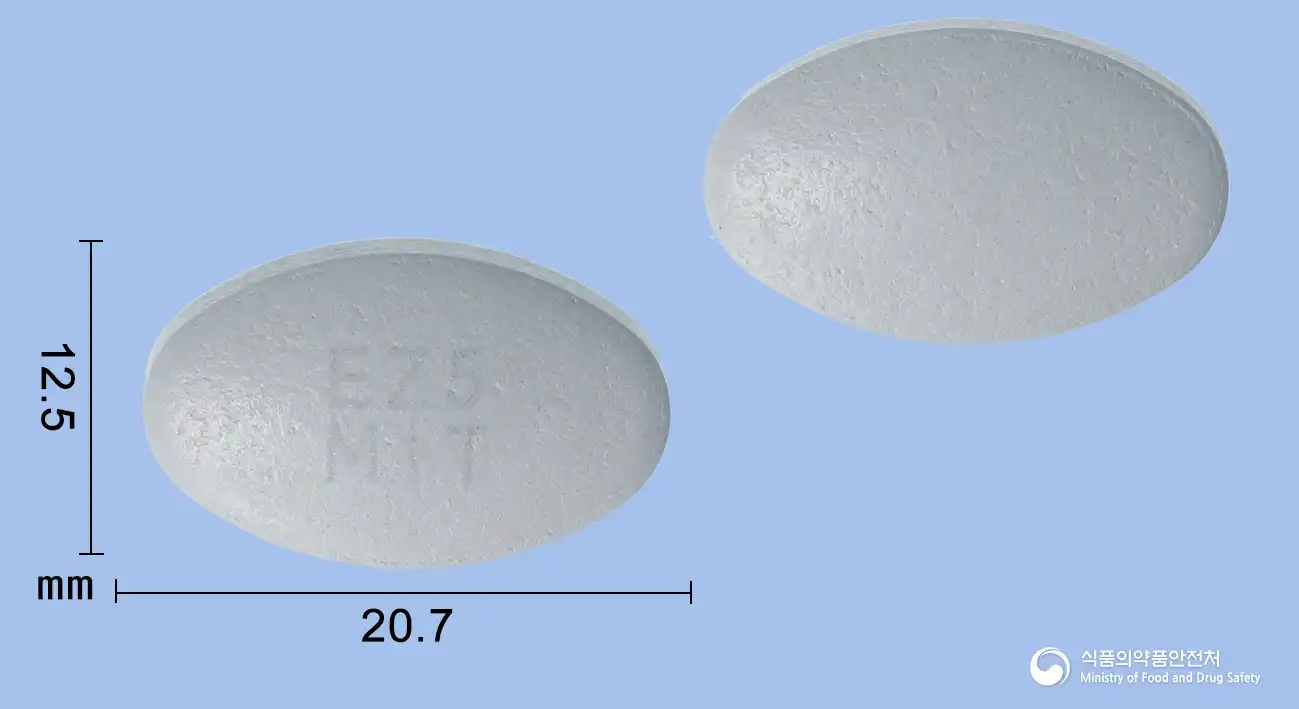
Gray, convex, oval-shaped prolonged-release film-coated tablet
30 tablets/bottle
Even with the same ingredient, strength, dosage form and how it is taken can differ.
Viewing nowCombinationEmpagliflozin 5mg · Metformin Hydrochloride 1000mg
Tablet · Prescription medication · Combination
Dong-A ST Co., Ltd.
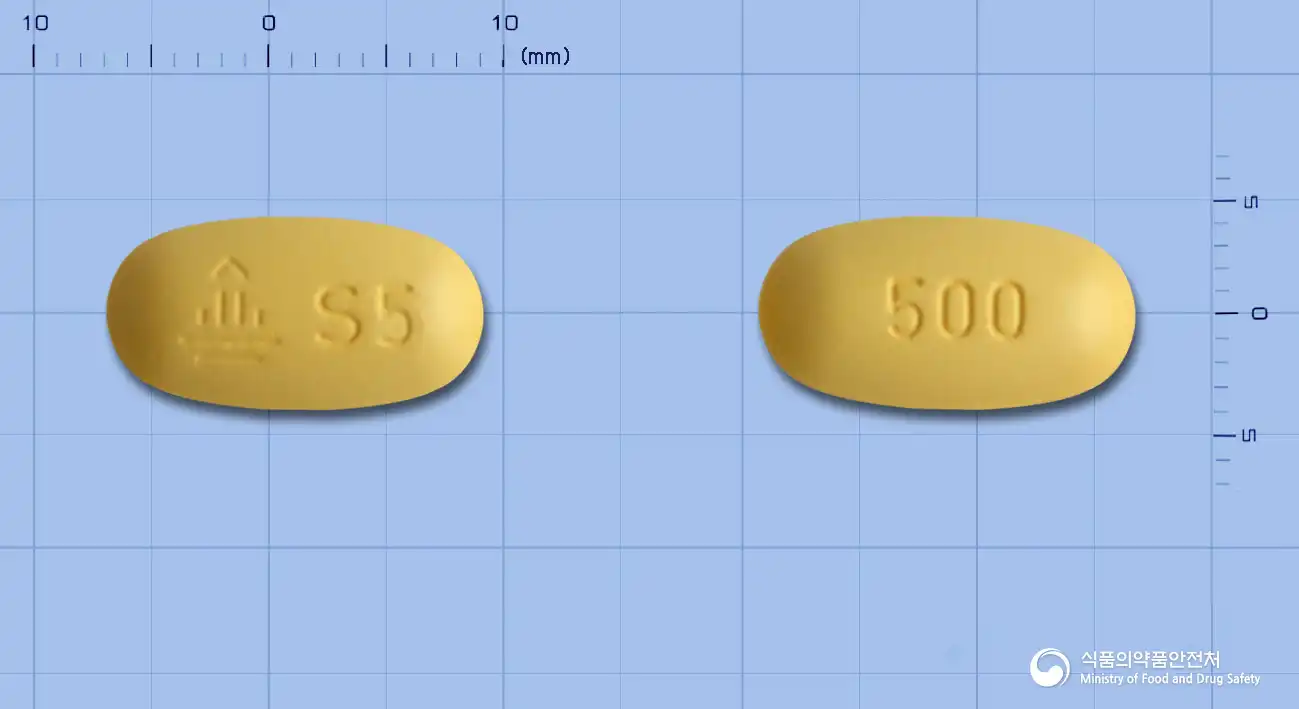 Combination
Empagliflozin 5mg · Metformin Hydrochloride 500mg
Tablet · Prescription medication · Combination
Boehringer Ingelheim Korea Co., Ltd.
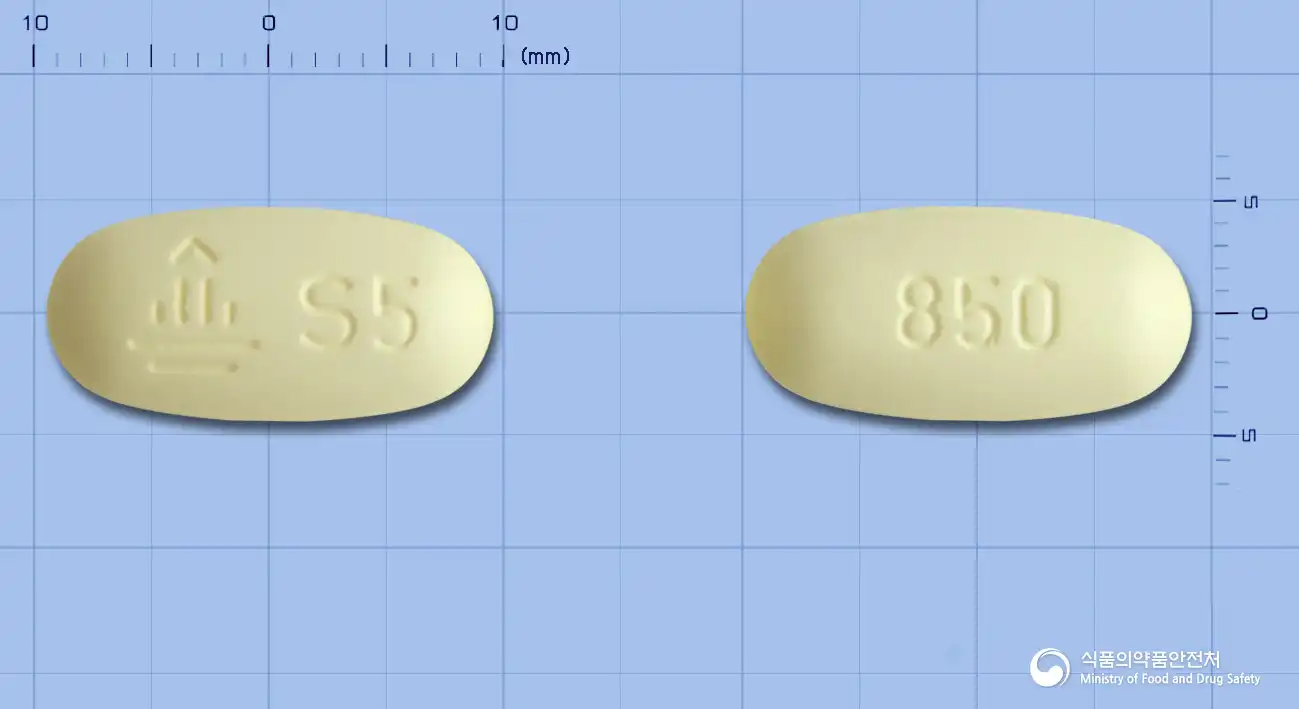 Combination
Empagliflozin 5mg · Metformin Hydrochloride 850mg
Tablet · Prescription medication · Combination
Boehringer Ingelheim Korea Co., Ltd.
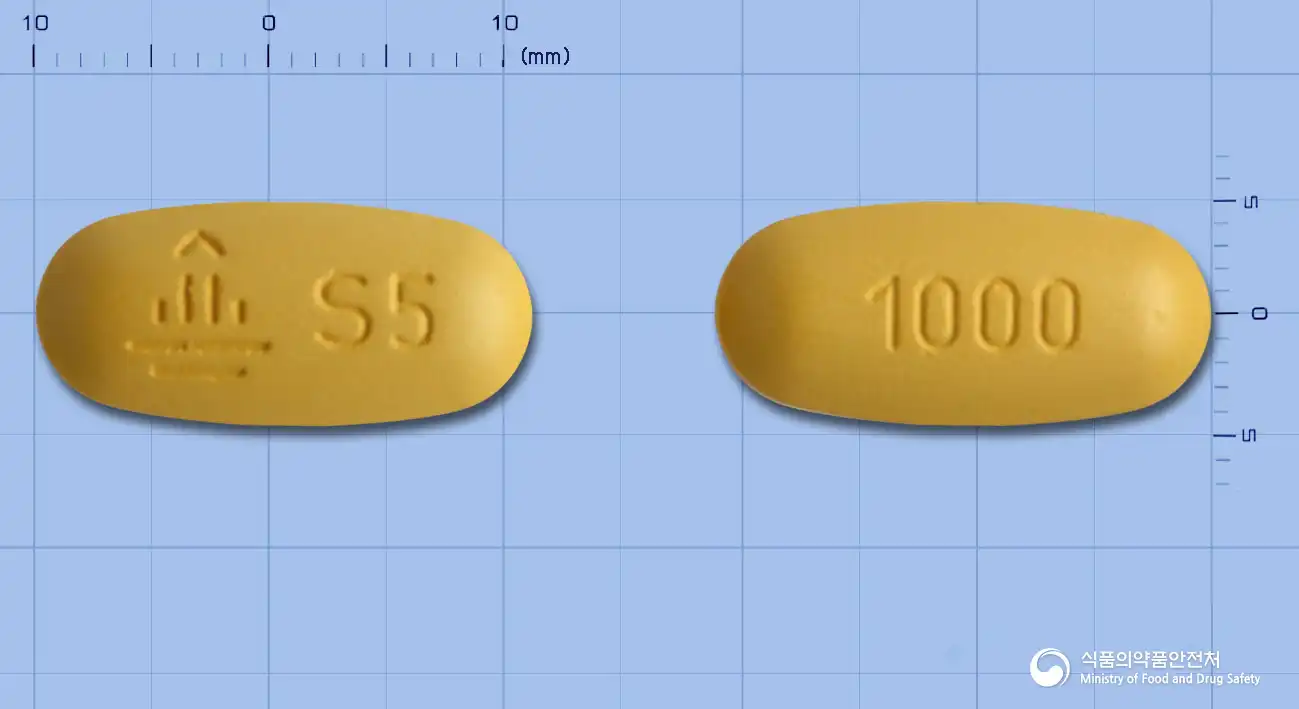 Combination
Empagliflozin 5mg · Metformin Hydrochloride 1000mg
Tablet · Prescription medication · Combination
Boehringer Ingelheim Korea Co., Ltd.
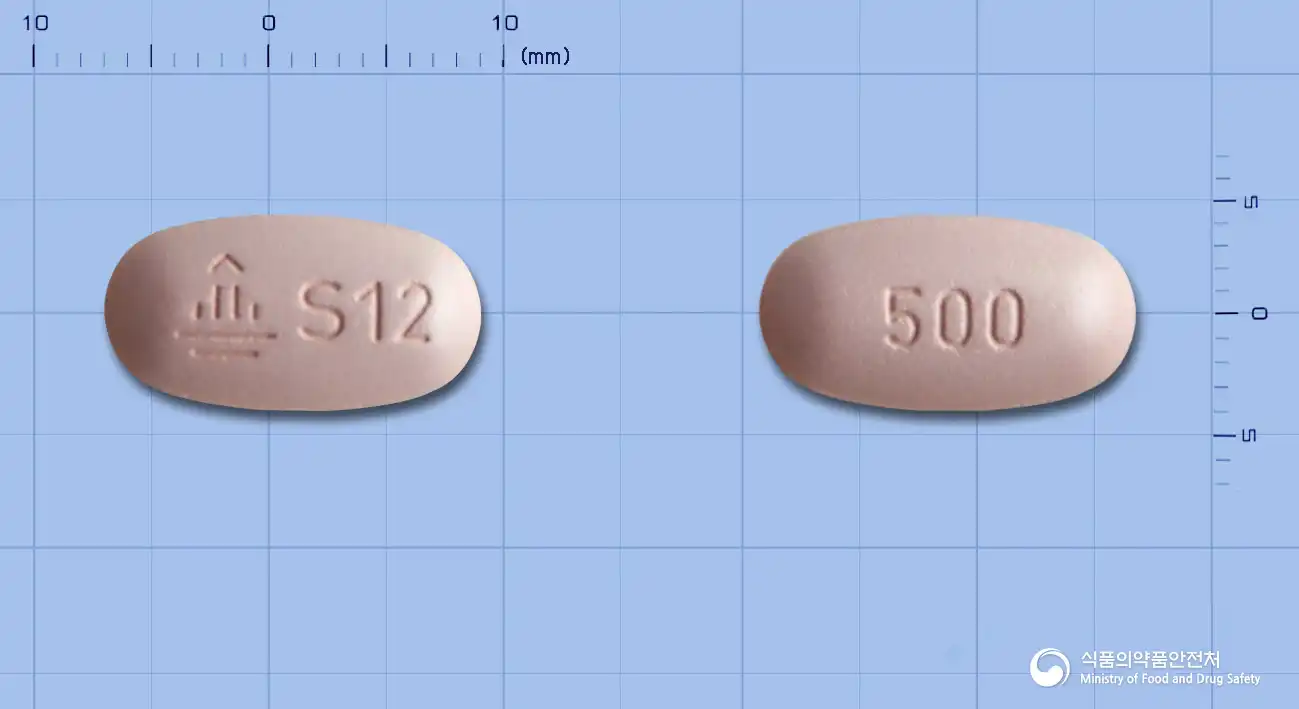 Combination
Empagliflozin 12.5mg · Metformin Hydrochloride 500mg
Tablet · Prescription medication · Combination
Boehringer Ingelheim Korea Co., Ltd.
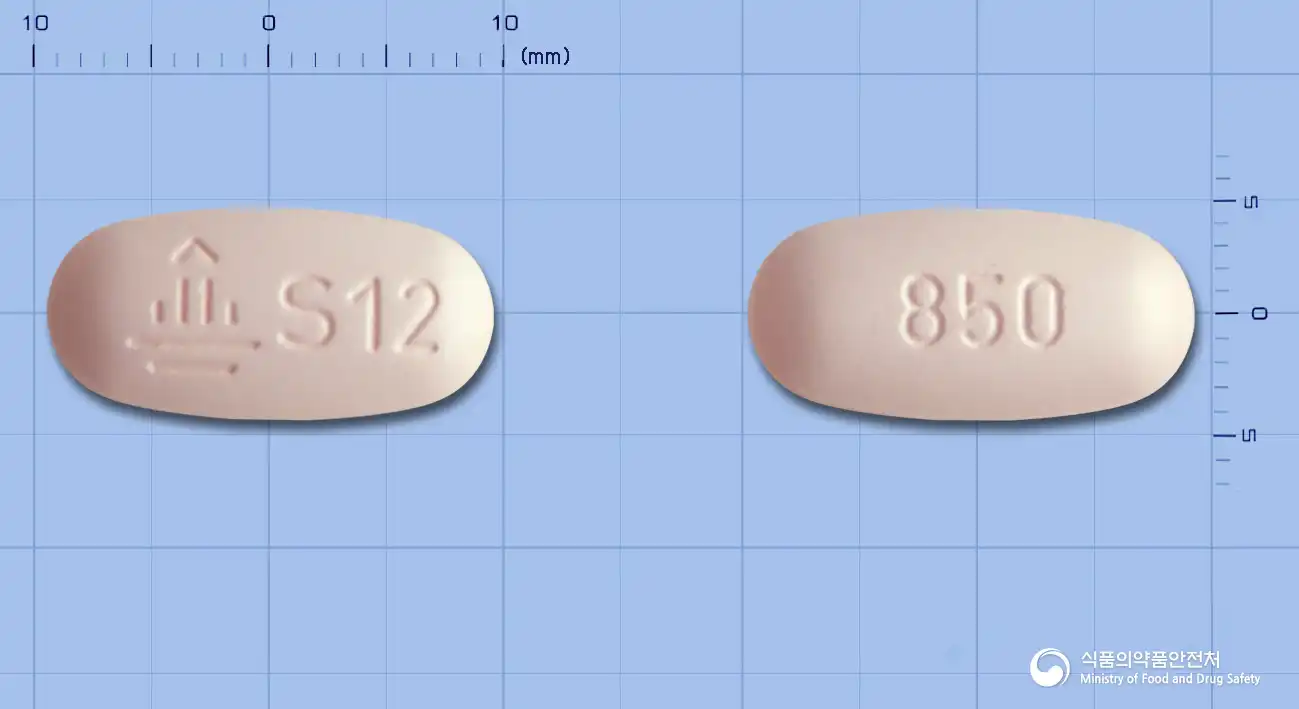 Combination
Empagliflozin 12.5mg · Metformin Hydrochloride 850mg
Tablet · Prescription medication · Combination
Boehringer Ingelheim Korea Co., Ltd.
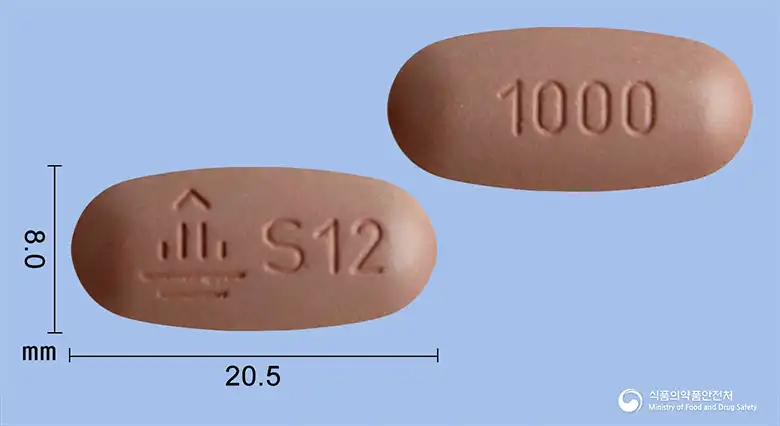 Combination
Empagliflozin 12.5mg · Metformin Hydrochloride 1000mg
Tablet · Prescription medication · Combination
Boehringer Ingelheim Korea Co., Ltd.
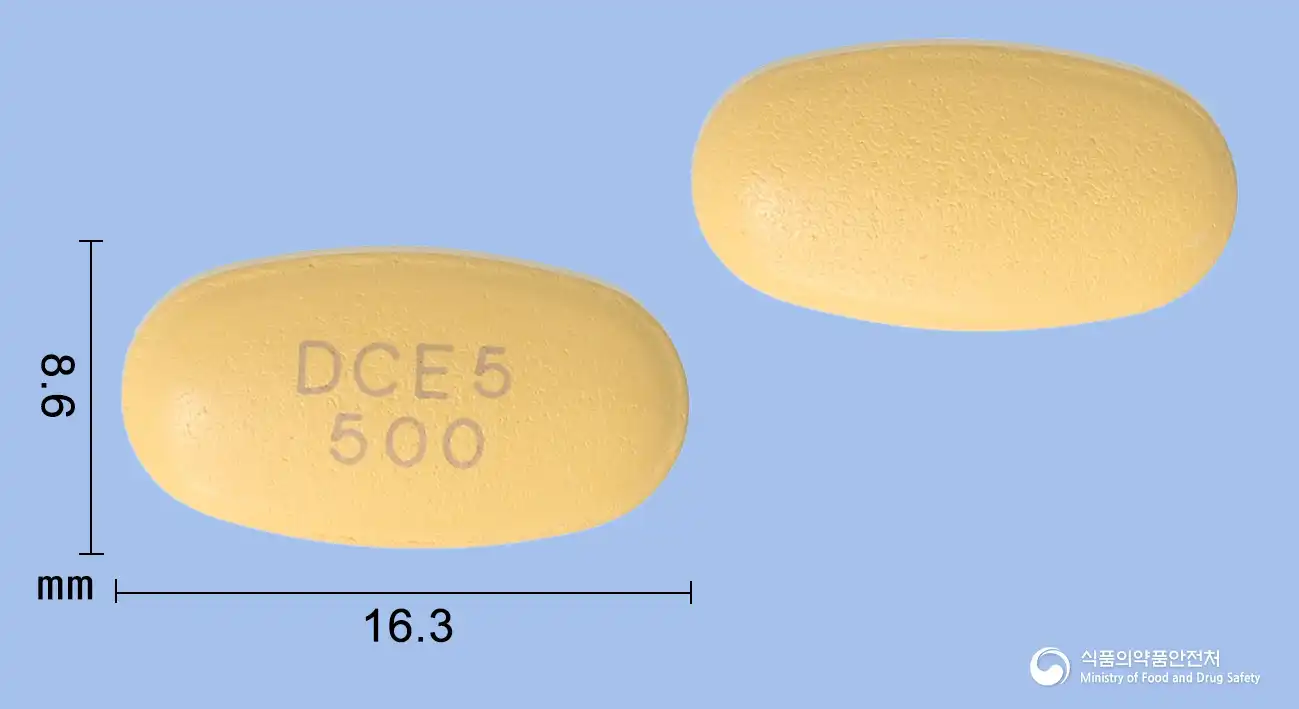 Combination
Empagliflozin 5mg · Metformin Hydrochloride 500mg
Tablet · Prescription medication · Combination
Donggu Bio Pharmaceutical Co., Ltd.
Even with the same ingredient, the dose and directions can differ by strength and dosage form. Talk to a doctor or pharmacist before switching from a medication you are already taking.
No questions yet.
For anything that needs medical judgment, consult a doctor or pharmacist.
This drug information is based on data provided by the Korea Ministry of Food and Drug Safety.
Consult a doctor or pharmacist for accurate dosage, administration, and usage instructions.