
 한국어
한국어 English
 日本語
日本語 中文(简体)
 Viewing now
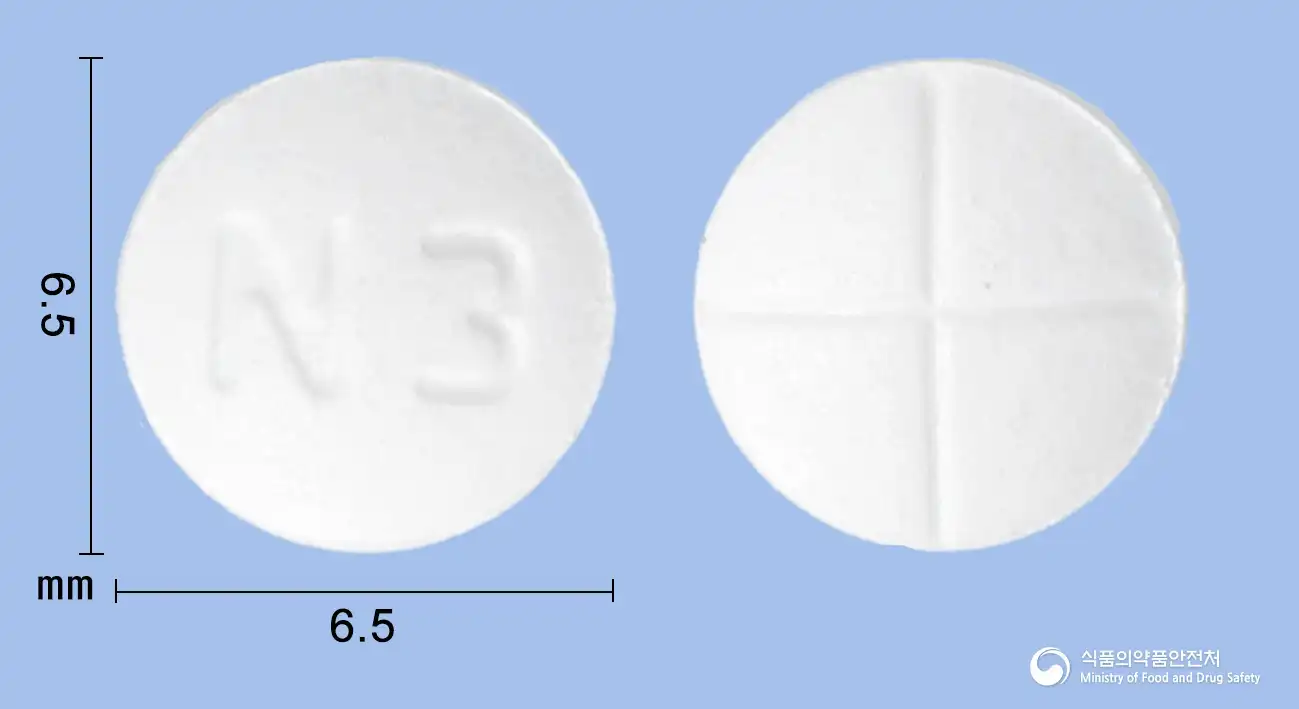
Damosidil Tablet (Minoxidil)
Minoxidil 5mg
Tablet · Prescription medication
NovaM Healthcare Co., Ltd.
MFDS item code 202501377 · Approved 2025.06.04
Treatment of hypertension (symptomatic, resistant)
This medication is used for symptomatic hypertension, which occurs due to specific diseases or organ damage. It is also effective in treating resistant hypertension that does not respond to diuretics and two types of antihypertensive agents. It helps manage difficult hypertension to stabilize blood pressure effectively.
Adult (12 years and above): Administer an initial dose of 5 mg orally once daily as minoxidil, and maintenance dose of 10 - 40 mg daily, divided into 1 to several doses. The maximum daily dosage can be 100 mg. The frequency of administration can be once daily or twice daily depending on the blood pressure reduction.
Pediatric (under 12 years): Administer an initial dose of 0.2 mg per kg of body weight once a day and can increase by 50 - 100 % until blood pressure is optimally adjusted. In the maintenance dose, administer per kg of body weight.
This medication should not be used by patients with specific diseases. For example, patients with pheochromocytoma may be at risk as this medication can lower blood pressure while stimulating the secretion of catecholamines from the tumor. Additionally, patients with pulmonary hypertension caused by mitral stenosis, those with acute myocardial infarction, and patients allergic to this medication should not use it. Patients with chronic congestive heart failure, severe renal failure, and angina should exercise extra caution when using this medication. Several side effects may occur when using this medication. One of the most common side effects is hirsutism, which occurs in about 80% of patients, with hair growth or darkening appearing within 3 to 6 weeks. This symptom usually starts in the facial area and can spread throughout the body; upon discontinuation of the drug, new hair growth stops, but it may take 1 to 6 months to return to the original state. This phenomenon is not related to hormonal abnormalities, but it may pose issues particularly for children and women, so caution is necessary beforehand. There may also be skin rashes, blisters, and in severe cases, hypersensitivity reactions such as Stevens-Johnson syndrome. Blood tests may show decreased platelet or white blood cell counts, and during initial treatment, there may be a reduction in blood red cell counts. Electrocardiograms may show changes in heart electrical signals, but most often, these will resolve with ongoing treatment and do not cause any issues with heart function. Rarely, pericardial effusion, which is fluid accumulation around the heart, may occur, especially in patients with poor kidney function. In this case, ultrasound examination should be performed to check the condition, and treatment methods should be adjusted if necessary. Other symptoms can include weight gain, peripheral edema, increased heart rate, temporary elevation of kidney function indicators, gastrointestinal disturbances, rashes, breast pain, gynecomastia, anemia, headaches, nausea and vomiting, etc. When using this medication, diuretics are typically used together to prevent fluid retention and the worsening of heart failure, and weight and electrolyte status should be checked frequently. Due to vasodilatory effects, heart rate may increase or symptoms of angina may appear, so beta-blockers are often used together. Patients with renal failure or those on dialysis may require adjustment of the dosage, and myocardial infarction patients should be treated only after their condition stabilizes. In the initial stages of treatment, various tests including urine tests, kidney function tests, electrocardiograms, chest x-rays, and echocardiograms should be performed regularly. Additionally, this medication may interact with other medications. For instance, taking it with guanethidine may result in severe orthostatic hypotension, so it should be avoided if possible or only initiated in a hospital setting. Antidepressants or antipsychotics can increase the risk of hypotension, and the use of corticosteroids or tetracosactide may exacerbate fluid retention. Caution is needed when used with anti-inflammatory analgesics, as the antihypertensive effect may be reduced. The safety of this medication during pregnancy is not certain, and if breastfeeding, it should be avoided or breastfeeding should be discontinued if necessary. There is limited experience using this medication in children, especially infants, so caution should be exercised. In the case of overdose, blood pressure can drop too low, necessitating immediate hospital treatment. In this situation, normal saline infusion may be used to maintain blood pressure, and specific sympathomimetic agents should not be used to avoid excessive cardiac stimulation. Careful use of medications to aid in blood pressure recovery is recommended.
Exudative rash, vesicular lesions, mucocutaneous syndrome (Stevens-Johnson syndrome), pericardial effusion, agranulocytosis, congestive heart failure related to fluid retention, hypersensitivity
Hirsutism, growth and thickening of body hair, pigmentation increase, decreased platelet count, decreased white blood cell count, reduced hematocrit, hemoglobin, and red blood cell counts, increased ALP, changes in T-wave direction and amplitude on ECG, weight gain, peripheral vascular edema, increased heart rate, temporary elevations in creatinine and BUN, gastrointestinal disturbances, rash, breast pain, gynecomastia, hemolytic anemia, pulmonary infiltrates, antinuclear antibodies (ANA), headaches, intermittent claudication, increased frequency of menstruation, nausea
Not everyone experiences these, and they can vary from person to person.
This medication should be stored in a tightly closed container to prevent exposure to air or moisture. It is recommended to keep it at room temperature, between 1 and 30 degrees Celsius.
White round tablet
30 tablets/bottle, 500 tablets/bottle
Even with the same ingredient, strength, dosage form and how it is taken can differ.
Viewing nowMinoxidil 5mg
Tablet · Prescription medication
NovaM Healthcare Co., Ltd.
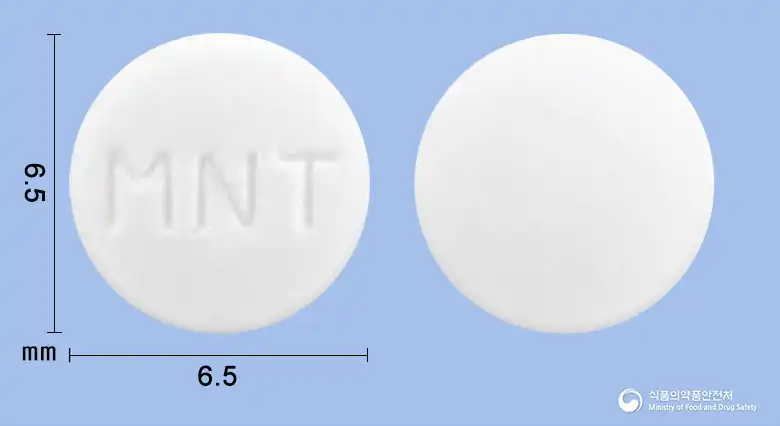
Minoxidil 5mg
Tablet · Prescription medication
Hyundai Pharmaceutical Co., Ltd.
Minoxidil 3g
OTC medication
Hyundai Pharmaceutical Co., Ltd.
Minoxidil 5g
OTC medication
Hyundai Pharmaceutical Co., Ltd.
Minoxidil 5g
OTC medication
Hanmi Pharmaceutical Co., Ltd.
Minoxidil 5g
Solution · OTC medication
JW Pharmaceutical Corp.
Minoxidil 3g
Solution · OTC medication
Haitai HTB Co., Ltd.
Minoxidil 5g
Solution · OTC medication
Ilhwa Co., Ltd.
Even with the same ingredient, the dose and directions can differ by strength and dosage form. Talk to a doctor or pharmacist before switching from a medication you are already taking.
No questions yet.
For anything that needs medical judgment, consult a doctor or pharmacist.
This drug information is based on data provided by the Korea Ministry of Food and Drug Safety.
Consult a doctor or pharmacist for accurate dosage, administration, and usage instructions.