
 한국어
 English
 日本語
 中文(简体)
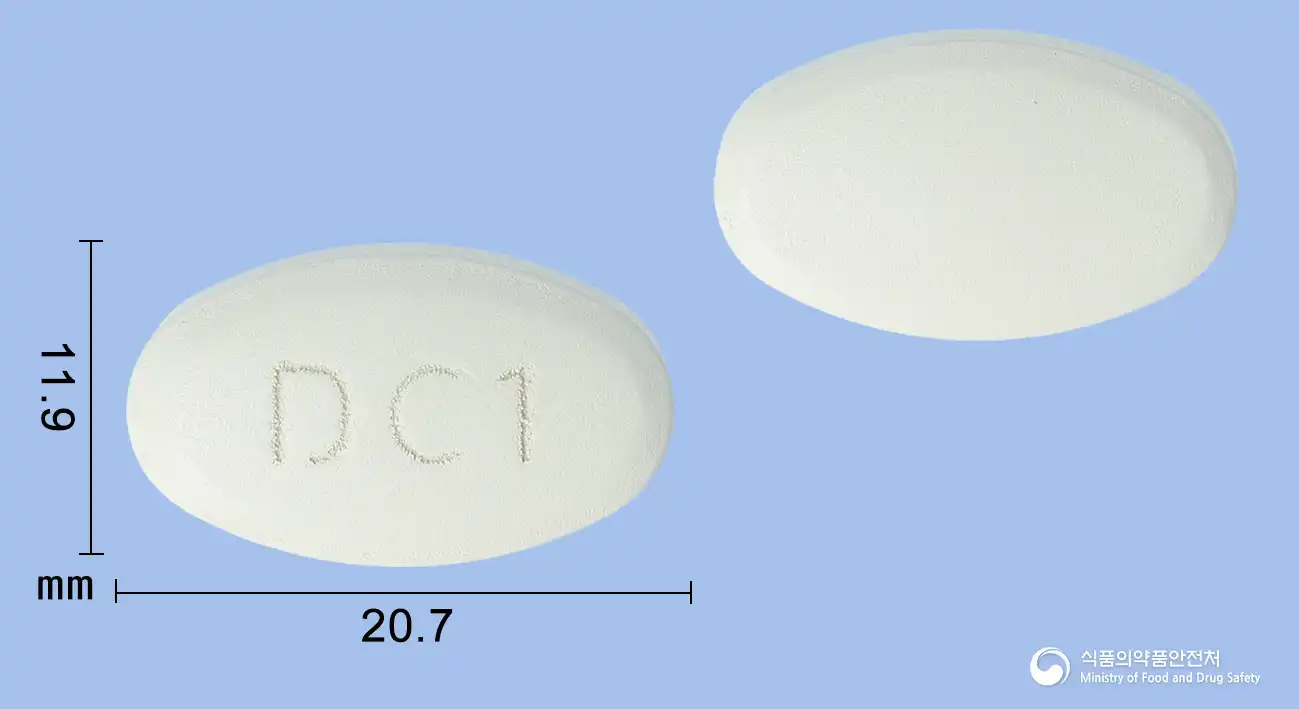 Viewing nowCombination
EmpaAnduo Extended Release Tablet 25/1000 mg (Empagliflozin, Metformin Hydrochloride)
Empagliflozin 25mg · Metformin Hydrochloride 1000mg
Tablet · Prescription medication · Combination
Donggu Bio Pharmaceutical Co., Ltd.
MFDS item code 202500687 · Approved 2025.03.25 · Insurance code 657309240
Improvement of glycemic control in adults with type 2 diabetes mellitus
This medication helps control blood sugar in adults with type 2 diabetes by combining empagliflozin and metformin. It is used in conjunction with dietary and exercise therapy to effectively improve blood glucose levels. It is particularly helpful for patients with insufficient blood glucose control, and caution is necessary for patients with cardiovascular diseases, following expert guidance. This medication may also have a positive effect on the prevention of cardiovascular events while managing blood glucose.
For antidiabetic therapy, the dose of this medicine should be determined by considering each patient's current treatment, efficacy, and tolerability, without exceeding the maximum recommended daily doses of the individual components: empagliflozin 25 mg and metformin hydrochloride extended-release 2000 mg. To reduce gastrointestinal adverse reactions caused by metformin, take this medicine once daily in the evening with a meal. To reduce gastrointestinal adverse reactions associated with metformin use, the metformin hydrochloride dose should be increased gradually. To maintain the extended-release properties, swallow this medicine whole; do not split, crush, grind, or chew it. Take one 25/1000 mg or 10/1000 mg extended-release tablet once daily. Patients taking the 12.5/1000 mg or 5/1000 mg extended-release tablet should take 2 tablets together once daily. For patients whose blood glucose is not adequately controlled with metformin alone or in combination with other medicines such as insulin, the recommended initial daily dose when taking this medicine is empagliflozin 10 mg plus the patient's current metformin dose. If empagliflozin 10 mg is well tolerated and additional glycemic control is needed, the dose may be increased to empagliflozin 25 mg. Patients switching from concomitant empagliflozin and metformin therapy to this medicine should receive their previous doses of empagliflozin and metformin. When switching from immediate-release to extended-release metformin, blood glucose control should be closely monitored and the dose adjusted appropriately. When this medicine is coadministered with a sulfonylurea or insulin, a dose reduction of the sulfonylurea or insulin may be considered to reduce the risk of hypoglycemia. No dose adjustment of this medicine is required in patients with mild renal impairment [creatinine clearance (CrCl) ≧ 60 mL/min or estimated glomerular filtration rate (eGFR) ≧ 60 mL/min/1.73 m2]. In patients with moderate renal impairment [CKD stage 3A, creatinine clearance (CrCl) ≧ 45 mL/min and <60 mL/min or estimated glomerular filtration rate (eGFR) ≧ 45 mL/min/1.73m2 and <60 mL/min/1.73m2], if well tolerated and not accompanied by other conditions that may increase the risk of lactic acidosis, this medicine may be used by adjusting the metformin hydrochloride dose as follows. The starting dose of extended-release metformin hydrochloride is 500 mg or 750 mg once daily; therefore, treatment should not be initiated with this medicine. The maximum daily dose of metformin hydrochloride is 1000 mg. If creatinine clearance (CrCl) decreases to below 45 mL/min or estimated glomerular filtration rate (eGFR) decreases to below 45 mL/min/1.73m2, discontinue this medicine immediately. In patients aged 75 years or older, consider renal function and the risk of volume depletion.
This medication is a diabetes treatment combining two components, empagliflozin and metformin hydrochloride. Caution is required as a rare side effect of severe lactic acidosis may occur while taking this medication. Lactic acidosis is a condition where lactic acid builds up excessively in the body, which can be life-threatening in severe cases. Additionally, there is a risk of hypoglycemia when taken with insulin or sulfonylurea medications, so caution is needed. Patients with moderate to severe renal impairment, acute kidney issues, severe infections, heart failure, or acute myocardial infarction should not take this medication. In particular, the intake of this medication should be discontinued before and after examinations using iodinated contrast agents, and should be resumed only after renal function has been confirmed to be normal. This medication may cause gastrointestinal disorders (such as diarrhea, vomiting) and there is a possibility of urinary tract infections or genital infections. Therefore, if infection symptoms occur, it is necessary to consult a healthcare professional immediately. Patients at risk of reduced fluid volume should be cautious of dehydration or low blood pressure, and elderly patients or those with declining renal function should undergo regular kidney function tests. It is recommended that women who are pregnant, potentially pregnant, or nursing do not take this medication. While taking this medication, alcohol consumption should be avoided, and irregular meals, intense physical activity, or the use of other hypoglycemic agents can increase the risk of hypoglycemia, so caution is advised. This medication should be swallowed whole without crushing, chewing, or splitting it, and the tablet shell may sometimes appear in the stool, which is normal. In case of overdose, there is a risk of lactic acidosis, and immediate medical treatment is required. Blood dialysis may be performed if necessary. Finally, when storing this medication, keep it out of reach of children, and store it in its original container for safety.
Not everyone experiences these, and they can vary from person to person.
This medication should be stored in a tightly sealed container to prevent exposure to air or moisture. It is best to maintain the storage temperature between 1 to 30 degrees Celsius.
Pale green oval extended-release film-coated tablets
30 tablets/bottle
Even with the same ingredient, strength, dosage form and how it is taken can differ.
Viewing nowCombinationEmpagliflozin 25mg · Metformin Hydrochloride 1000mg
Tablet · Prescription medication · Combination
Donggu Bio Pharmaceutical Co., Ltd.
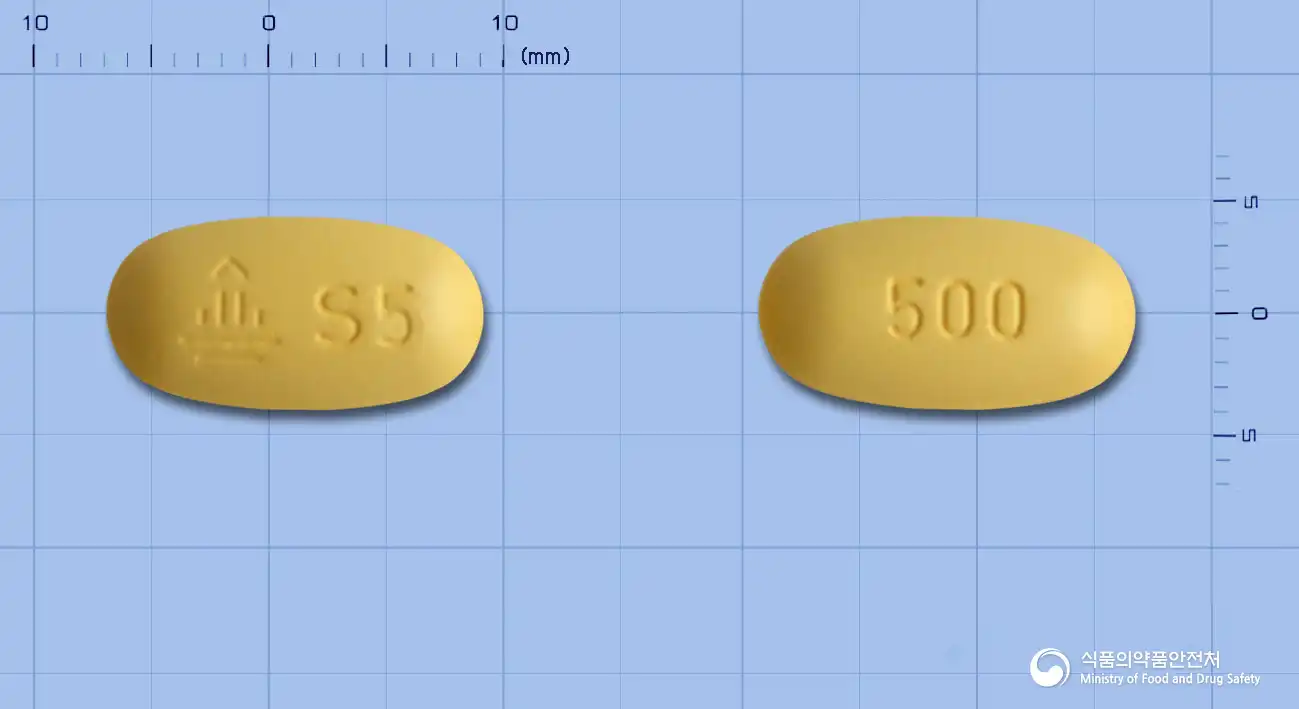 Combination
Empagliflozin 5mg · Metformin Hydrochloride 500mg
Tablet · Prescription medication · Combination
Boehringer Ingelheim Korea Co., Ltd.
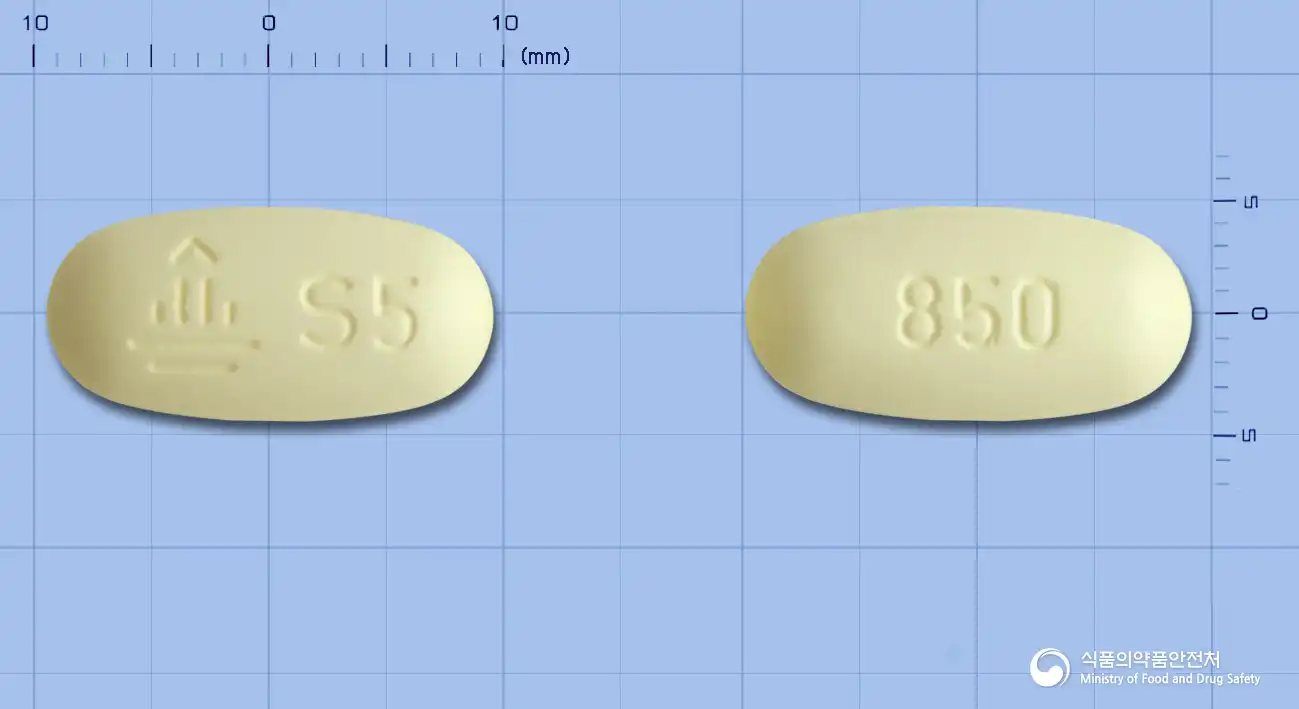 Combination
Empagliflozin 5mg · Metformin Hydrochloride 850mg
Tablet · Prescription medication · Combination
Boehringer Ingelheim Korea Co., Ltd.
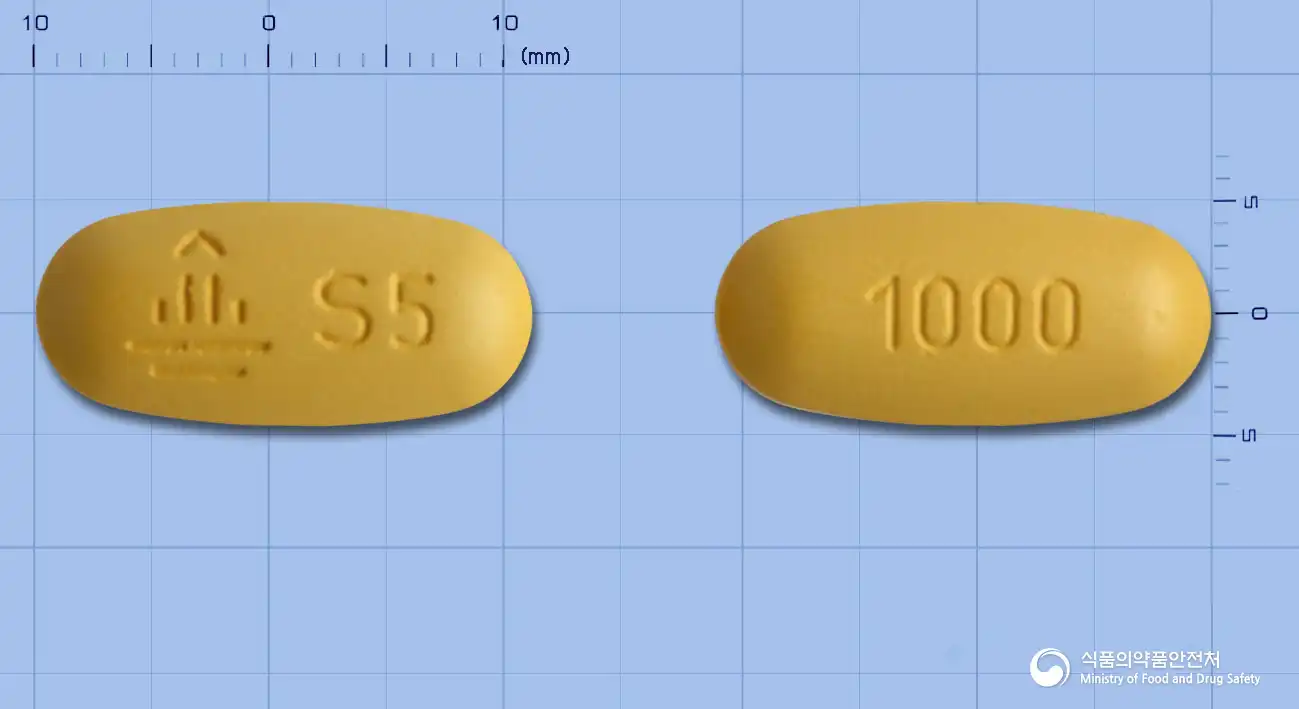 Combination
Empagliflozin 5mg · Metformin Hydrochloride 1000mg
Tablet · Prescription medication · Combination
Boehringer Ingelheim Korea Co., Ltd.
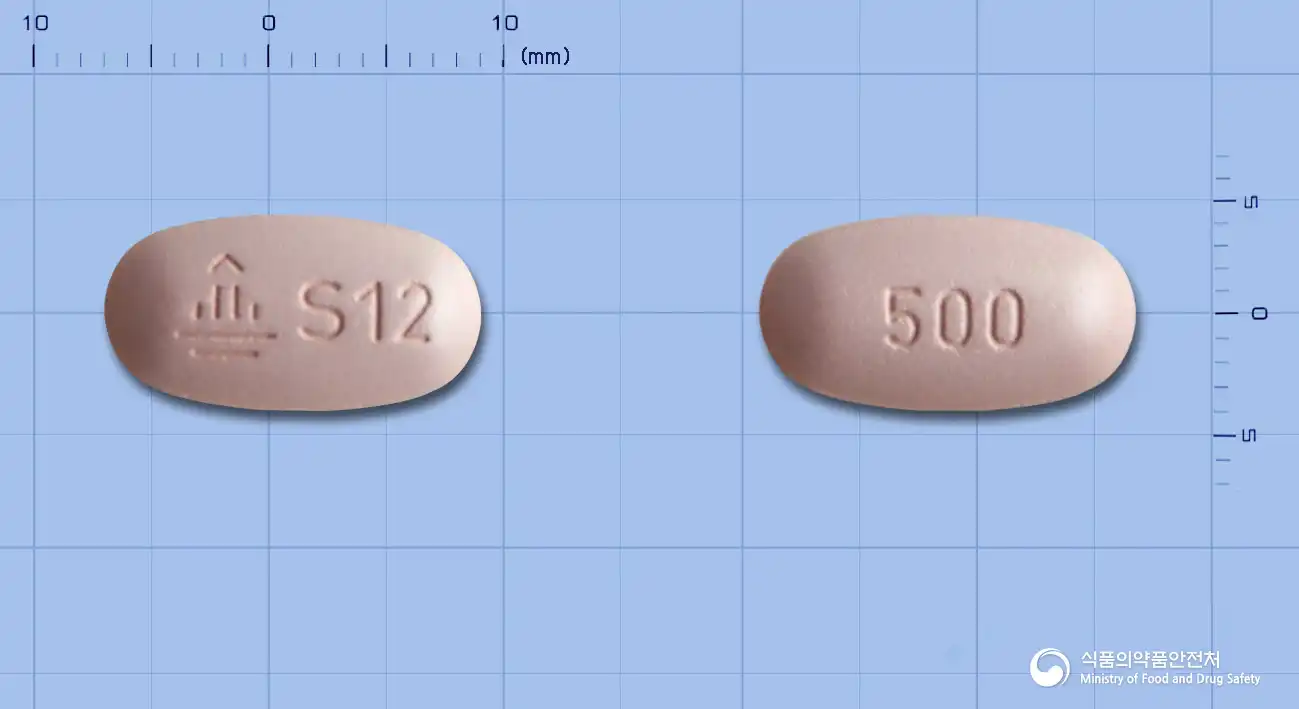 Combination
Empagliflozin 12.5mg · Metformin Hydrochloride 500mg
Tablet · Prescription medication · Combination
Boehringer Ingelheim Korea Co., Ltd.
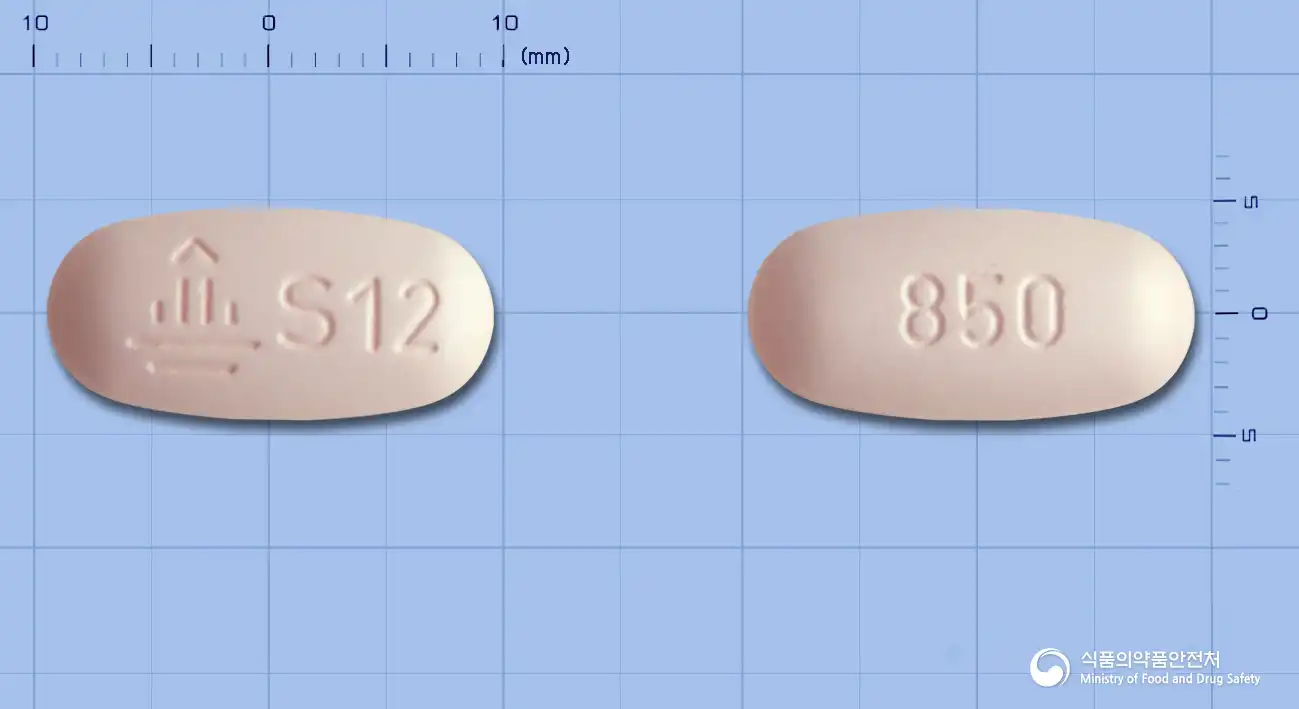 Combination
Empagliflozin 12.5mg · Metformin Hydrochloride 850mg
Tablet · Prescription medication · Combination
Boehringer Ingelheim Korea Co., Ltd.
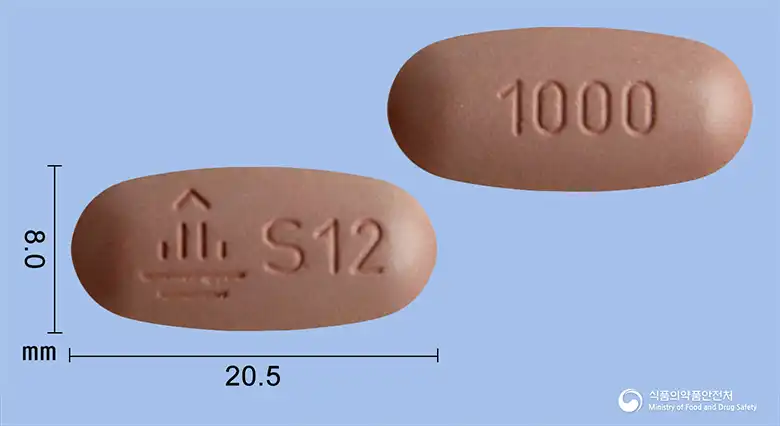 Combination
Empagliflozin 12.5mg · Metformin Hydrochloride 1000mg
Tablet · Prescription medication · Combination
Boehringer Ingelheim Korea Co., Ltd.
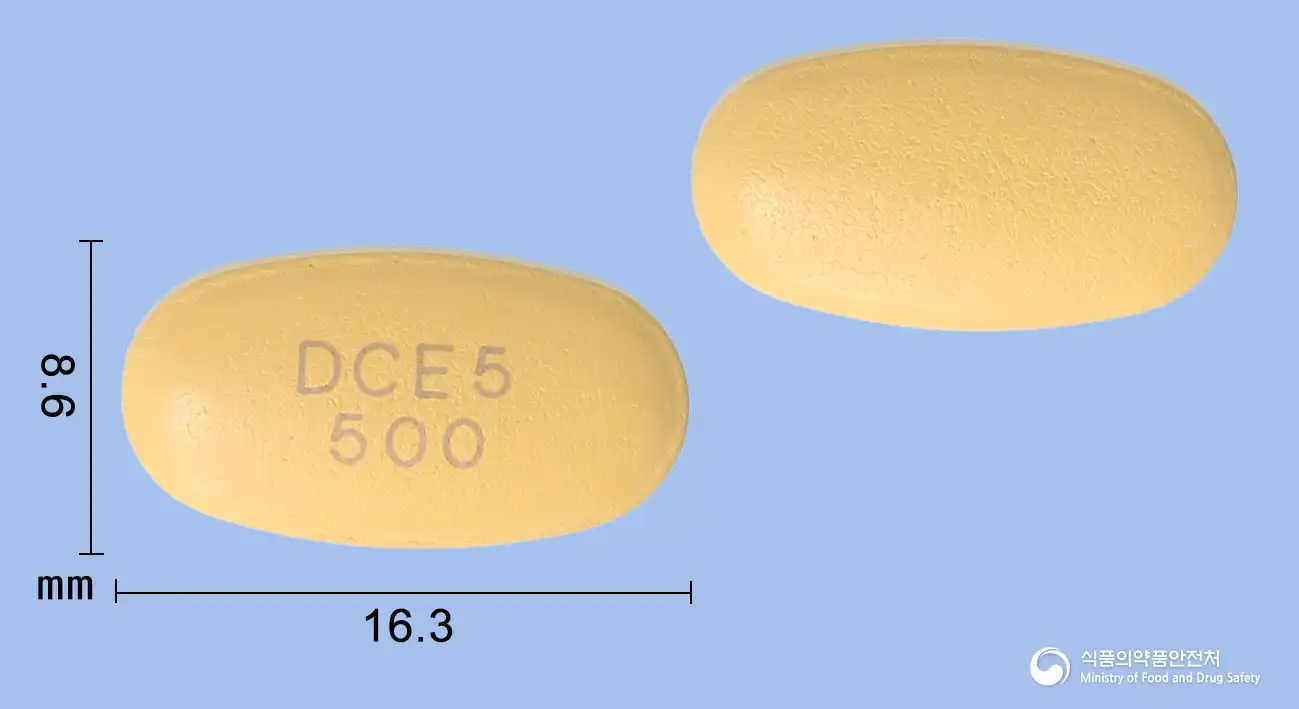 Combination
Empagliflozin 5mg · Metformin Hydrochloride 500mg
Tablet · Prescription medication · Combination
Donggu Bio Pharmaceutical Co., Ltd.
Even with the same ingredient, the dose and directions can differ by strength and dosage form. Talk to a doctor or pharmacist before switching from a medication you are already taking.
No questions yet.
For anything that needs medical judgment, consult a doctor or pharmacist.
This drug information is based on data provided by the Korea Ministry of Food and Drug Safety.
Consult a doctor or pharmacist for accurate dosage, administration, and usage instructions.